Amir Mahmud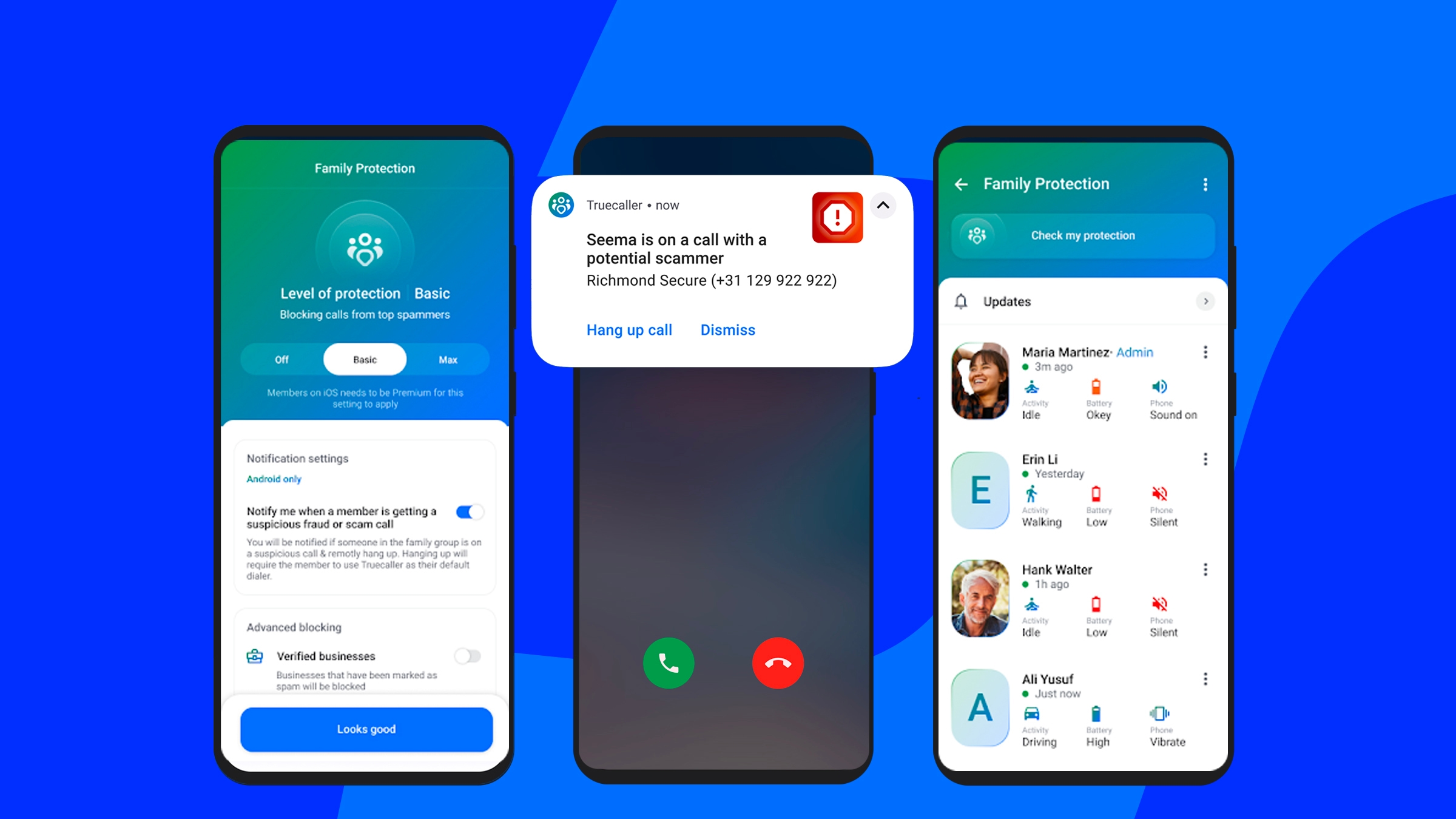
In a significant expansion of its caller identification and spam-blocking capabilities, Truecaller has introduced a novel "Family Protection" feature, empowering users to act as digital guardians for their loved ones against the relentless tide of fraudulent calls. This innovative functionality allows a designated family administrator to receive real-time alerts about suspicious incoming calls to group members and, critically, intervene by remotely disconnecting potential scam attempts. The global rollout of this free-to-use service, following a successful pilot phase in select markets, marks a pivotal moment in Truecaller’s mission to combat phone-based deception, particularly in high-growth regions like India, which represents the company’s largest user base.
The Escalating Threat of Phone Fraud
The landscape of telecommunications has become fertile ground for sophisticated fraudsters, with billions of unwanted calls and messages inundating mobile users worldwide annually. These pervasive scams range from imposter schemes mimicking government agencies or financial institutions to tech support cons and lottery hoaxes. The financial toll on victims is staggering, amounting to billions of dollars globally each year, but the damage extends beyond monetary loss, encompassing emotional distress, shattered trust, and heightened anxiety for individuals and families. Vulnerable populations, including the elderly and those less familiar with digital safeguards, are disproportionately targeted, often falling prey to deceptive tactics that exploit fear, urgency, or the promise of easy gain. Truecaller’s latest offering directly addresses this pervasive threat, shifting the defense mechanism from individual vigilance to a collective, proactive family strategy.
Truecaller’s Evolution: From Caller ID to Collaborative Defense
Founded in 2009 in Stockholm, Sweden, Truecaller initially carved its niche by providing a service that identified unknown callers and blocked spam numbers, leveraging a vast, community-driven database. Over the years, it has grown exponentially, amassing over 450 million monthly active users globally. This growth has been fueled by its effectiveness in tackling the nuisance of spam and the menace of fraud, particularly in markets where unsolicited calls are rampant. The platform’s core strength lies in its crowd-sourced intelligence, where users report and tag suspicious numbers, creating a continually updated blacklist that benefits the entire community.
The introduction of the Family Protection feature represents a strategic evolution, moving beyond reactive blocking to a more proactive, interventional model. It acknowledges that while individual tools are helpful, a shared defense within a trusted circle can offer an additional layer of security, especially for those who might struggle to identify or react to scam calls effectively. This new service builds upon Truecaller’s established infrastructure, integrating seamlessly with its existing caller identification and spam detection algorithms to provide enhanced protection for family units.
Unpacking the Family Protection Feature
At its core, the Family Protection feature designates one "admin" for a group of up to five family members or close friends. This admin, typically the most tech-savvy individual within the group, gains the ability to monitor incoming calls for potential fraud across all linked devices. When a suspicious call is detected on a group member’s phone, the admin receives an alert. The crucial innovation lies in the admin’s capacity to remotely terminate these calls on behalf of Android users within their group, effectively cutting off communication with a potential scammer before any harm can be done. While alerts for fraudulent calls are universal across both iOS and Android devices, the remote call-ending functionality is currently exclusive to Android users due to differing operating system permissions.
Beyond call management, the feature extends its protective umbrella with additional capabilities for Android users. Group members can grant the admin permission to monitor certain real-time activities, such as whether they are walking or driving, their device’s battery level, and current sound settings (e.g., silent mode). Truecaller suggests this is particularly beneficial for keeping tabs on elderly relatives, allowing the admin to choose optimal times for communication and ensuring their well-being without constant direct contact. Furthermore, admins can establish a shared blocklist, effectively blacklisting specific numbers or even entire international calling codes across all group members’ devices, creating a unified defense against known threats. It’s important to note that Truecaller emphasizes a strict adherence to privacy: the admin does not have access to non-spam call history or SMS messages of group members, ensuring that personal communications remain private while only suspicious activities are flagged.
Market Dynamics and Social Implications
The launch of Family Protection comes at a time when the demand for digital safety tools is surging. Traditional anti-spam apps primarily focus on individual protection, often relying on blocking lists or simple caller ID. Truecaller’s new feature introduces a collaborative dimension, fostering a sense of shared responsibility for digital well-being within families. This communal approach could significantly impact how households manage their digital security, particularly for multi-generational families where tech literacy varies widely.
From a market perspective, this move could differentiate Truecaller from competitors and attract a new segment of users seeking integrated family safety solutions. It positions the company not just as a spam blocker, but as a holistic family protection platform. Socially, the feature carries profound implications. It can empower family members to support each one another in navigating the complexities of the digital world, bridging the generational technology gap and providing peace of mind. However, it also raises important considerations regarding digital autonomy and privacy within family units. While Truecaller has implemented safeguards to prevent access to non-spam communications, the very concept of remote intervention necessitates a high degree of trust and open communication among family members to avoid potential misuse or feelings of being overly monitored. Neutral analysis suggests that while the benefits for preventing fraud are clear, the feature’s success will also depend on how families establish internal guidelines and consent around its usage.
The Indian Scenario: A Hotbed for Scams and Innovation
India stands out as a critical market for Truecaller, not only due to its massive user base but also because of the intense prevalence of phone scams. The company reported identifying over 7.7 billion fraudulent calls in India alone last year, highlighting the scale of the problem. Scammers in India employ a wide array of tactics, including sophisticated "digital arrest" scams where perpetrators impersonate law enforcement to extort money or information, leveraging fear and authority.
The Indian government has responded with various initiatives to curb these activities, such as the Caller Name Presentation (CNAP) system, which aims to display the caller’s registered name with their telecom carrier, and controversial policies like SIM binding. While these measures are intended to increase transparency and accountability, Truecaller’s leadership, including CEO Rishit Jhunjhunwala, has expressed reservations about CNAP’s ultimate effectiveness in completely eradicating sophisticated spam and fraud. They argue that merely displaying a registered name may not suffice against determined scammers who can find workarounds or exploit trust. Truecaller maintains that its community-based reporting, comprehensive caller context, and now, family protection features, offer a more robust and nuanced defense compared to a simple name display. The company continues to monitor the impact of CNAP’s phased rollout on its user growth, emphasizing its commitment to delivering a superior and multi-layered product experience.
Leveraging AI for Future Safeguards
Looking ahead, Truecaller is actively exploring the integration of artificial intelligence to further enhance its protective capabilities. The company has already introduced an AI-powered voicemail assistant in India that transcribes and summarizes calls when a user is unavailable. This technology could be adapted for family protection, potentially providing admins with summaries or analyses of suspicious calls received by group members, offering deeper insights into the nature of the potential fraud.
Moreover, Truecaller is investigating the use of AI to automatically screen calls and disconnect them when specific keywords commonly associated with scams are detected. Imagine an AI agent identifying phrases like "digital arrest," "urgent payment," or "account suspended" in real-time and immediately terminating the call, preventing scammers from even initiating their deceptive narratives. This proactive, AI-driven intervention represents the next frontier in the ongoing technological arms race between fraudsters and security providers, promising a more resilient defense against ever-evolving scam methodologies.
Challenges and the Road Ahead
Despite its innovative strides, Truecaller faces its share of headwinds. Recent financial reports indicate challenges, with its stock experiencing a significant decline and a dip in operating profitability (EBDITA) and ad revenue in the last fiscal year. This new family protection feature, being free, represents a strategic investment in user engagement and retention, potentially bolstering its ecosystem and reinforcing its value proposition amidst competitive pressures and regulatory changes like India’s CNAP.
The success of Family Protection will hinge on several factors: widespread adoption, user trust in the privacy safeguards, and continuous adaptation to new scam tactics. Balancing the convenience of remote protection with individual autonomy and privacy will be a delicate but crucial act. As phone scams continue to evolve in sophistication, leveraging everything from deepfakes to advanced social engineering, Truecaller’s commitment to innovation and collaborative defense positions it as a key player in empowering individuals and families to reclaim control over their digital communication experiences. The journey ahead will undoubtedly involve continuous refinement and expansion, but the foundation for a more secure, interconnected family environment has now been firmly laid.