Amir Mahmud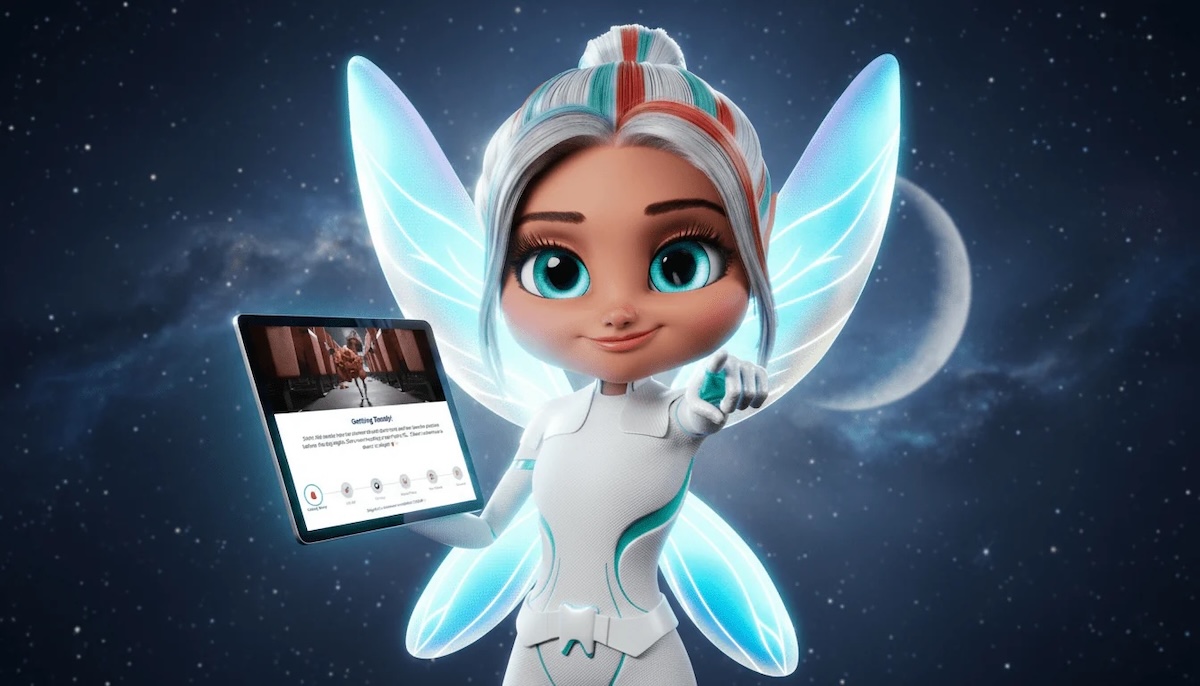
In an era where childhood wonder often intertwines with digital innovation, a new platform is revolutionizing how families engage with one of the most cherished rites of passage: losing a baby tooth. Traditionally marked by a simple exchange under a pillow, the Tooth Fairy experience is now getting a high-tech makeover, offering children interactive video updates from the magical sprite herself. This imaginative venture not only redefines a timeless tradition but also caters directly to the expectations of today’s digitally native youth, transforming a quiet moment into an exciting, trackable adventure.
A Digital Wing for a Timeless Tradition
For generations, the Tooth Fairy has been a quiet, nocturnal visitor, leaving behind a small token in exchange for a lost tooth. This enduring legend, a staple in many Western cultures, serves as a comforting ritual that helps children navigate the minor anxieties of bodily change while fostering a sense of magic and reward. Its origins are somewhat nebulous, drawing from various European folk traditions involving mice or fairies collecting teeth, often with superstitious beliefs tied to their disposal to ward off misfortune or ensure good fortune. In the United States, the Tooth Fairy as a benevolent, money-leaving entity largely solidified in the early 20th century, growing in prominence after World War II.
However, the world children inhabit today is vastly different from that of their grandparents. Termed "Generation Alpha," these children, born roughly between 2010 and 2024, are digital natives from birth. They are accustomed to instant information, interactive content, and personalized experiences, often delivered through screens. Their play, learning, and entertainment are increasingly integrated with technology, making traditional, analog experiences sometimes feel less immediate or engaging. This shift presents both a challenge and an opportunity for maintaining the enchantment of childhood traditions.
The Genesis of Kiki: Bridging a Generational Gap
The impetus for this modern reimagining arose from a personal observation by Oliver Finel. After crafting a custom Tooth Fairy video for his nephew, Finel recognized a significant void in the digital landscape. While the annual arrival of Santa Claus has been famously tracked for decades through platforms like NORAD Tracks Santa and Google’s Santa Tracker, an equivalent interactive experience for the Tooth Fairy simply did not exist. This realization sparked the idea for a new digital escapade, tailored to captivate a generation fluent in online interactions and dynamic storytelling.
Finel understood that Generation Alpha’s comfort with technology meant they expected more than just passive narratives. They thrive on engagement, personalized content, and real-time updates. His vision was to create a similar sense of anticipation and wonder that Santa trackers provide, but specifically for the intimate and frequent event of losing a baby tooth. The goal was to build a bridge between a beloved, ancient tradition and the contemporary digital experiences that define modern childhood, ensuring the magic remains vibrant and relevant.
Crafting the Interactive Experience
The result is the "Tooth Fairy Tracker," featuring Kiki the Tooth Fairy as its charismatic central character. The experience is designed for seamless parental involvement and child engagement. When a child loses a tooth, parents initiate the journey by visiting the dedicated website and providing their email address. From that point, a series of notifications begins, guiding the family through Kiki’s nightly mission.
Throughout the evening, children receive a sequence of video updates that chronicle Kiki’s preparations and journey. These updates are meticulously crafted to build excitement: glimpses of Kiki getting ready at her headquarters, her departure, and her aerial travel to collect the tooth. The videos are imbued with playful details, such as fictional flight speed data, engaging vlog-style check-ins where Kiki addresses the camera directly, and adorable selfies from her journey. Each update is hosted directly on the site, accompanied by countdowns to the next video release, transforming the waiting period into an exciting, day-long event that culminates in bedtime.
Anticipation, Education, and Bedtime Rituals
This structured release of content serves multiple purposes beyond mere entertainment. The sequential updates are strategically timed to heighten anticipation, making the wait for the Tooth Fairy an integral part of the fun. As Finel notes, the evening videos also subtly encourage children to adhere to essential bedtime routines. The narrative of Kiki’s impending arrival naturally prompts kids to brush their teeth thoroughly and prepare for sleep, knowing that their cleanliness and rest are part of the magical exchange.
The climax of the experience arrives the following morning. Children receive a final video message, congratulating them on their lost tooth and the successful visit. This morning update solidifies the magic, confirming Kiki’s arrival and prompting the child to discover the special gift left under their pillow. The entire process transforms a simple tradition into a multi-stage, immersive narrative, making each lost tooth a memorable family event.
The Evolution of Enchantment: Upcoming Features and Personalization
Since its initial launch, the Tooth Fairy Tracker has been continuously refined, with significant enhancements on the horizon. A planned redesign aims to introduce a more playful aesthetic and additional immersive details, ensuring the core experience remains captivating while expanding its visual appeal. The most ambitious upgrades are slated for 2026, promising a level of personalization previously unheard of in such digital experiences.
These future iterations will allow Kiki to directly address each child by name, incorporate details about their specific hobbies, and even feature their photograph within the video updates. This deep personalization is designed to make the experience incredibly unique and believable for each child. Additionally, custom certificates will be issued for every lost tooth, creating a tangible record of these special milestones. To further integrate educational value, future plans include oral-care videos where Kiki herself will teach children about healthy brushing habits and dental hygiene, leveraging her magical influence for practical benefits. This enhanced, premium experience will be accessible via a subscription model, priced at $20 for six Kiki visits, offering families a more tailored and richly detailed journey.
Global Aspirations and Cultural Nuances
Recognizing the diverse cultural landscape of childhood myths, Finel also plans to adapt the product for families beyond the English-speaking world. His roadmap includes culturally relevant versions for Latin America and Western Europe, acknowledging that the Tooth Fairy, as she is known in the U.S., is not a universal figure. For instance, in France, Spain, and Russia, the "Tooth Mouse" (La Petite Souris or Ratoncito Pérez) is the more prevalent character responsible for collecting lost teeth. Adapting the tracker to feature these alternative figures, complete with culturally appropriate narratives and visuals, is crucial for global appeal and demonstrates a commitment to respecting local traditions. This localization strategy involves not just translation but a deep understanding of cultural practices surrounding childhood milestones.
Beyond the Pillow: Dental Partnerships and Branded Futures
The vision for Kiki extends beyond the home, reaching into professional settings. Finel aims to forge partnerships with pediatric dentists, offering them the Kiki the Tooth Fairy experience as a tool to enhance patient care. Pre-appointment videos featuring Kiki could serve to alleviate anxiety in young patients, making dental visits less daunting. Post-visit rewards and messages from Kiki could then encourage children to view dental check-ups positively and foster a willingness to return, transforming what can often be a stressful experience into one associated with magic and encouragement. This collaboration highlights the potential for the platform to contribute to public health by making oral hygiene and dental care more engaging for children.
Looking further ahead, the long-term roadmap includes branded merchandise, such as Kiki-themed toothbrushes and toothpaste. Each product would be accompanied by its own personalized video, showing Kiki selecting the bristles, choosing colors, and assembling the item specifically for the child. This integration of digital storytelling with physical products creates a holistic, immersive brand experience that reinforces the magic and encourages healthy habits through a tangible connection to the beloved character.
Navigating the Digital Playground: Impact and Considerations
The introduction of a digital Tooth Fairy tracker represents a fascinating intersection of tradition and technology, with various societal and market implications. On one hand, it offers a powerful tool for parents to enhance childhood wonder in an increasingly digital world. It caters to the expectations of Generation Alpha, providing engaging, interactive content that can make a fleeting moment more memorable. The emphasis on oral hygiene through Kiki’s messaging also presents a valuable educational component, potentially fostering good habits from a young age. For busy parents, the convenience of a pre-packaged, magical experience can be a welcome relief, allowing them to participate in the tradition with less logistical effort.
However, such innovations also raise important considerations. The increased integration of screens into childhood traditions necessitates a careful balance to prevent excessive screen time. While the platform aims to enhance imagination, there’s a delicate line between augmenting magic and potentially demystifying it through overt digital presentation. The shift from a free, simple tradition to a potentially subscription-based, highly personalized service also touches upon the commercialization of childhood figures. Furthermore, with personalized features involving children’s names and photos, data privacy and security become paramount concerns for parents and developers alike, requiring robust safeguards and transparent policies.
Ultimately, the Tooth Fairy Tracker exemplifies a broader trend: the continuous evolution of cultural practices in response to technological advancements. By blending the timeless charm of a beloved legend with the interactive capabilities of modern media, it seeks to keep the magic alive for a new generation, ensuring that the wonder of losing a baby tooth remains a cherished and memorable experience, albeit one with a distinct digital sparkle.