Amir Mahmud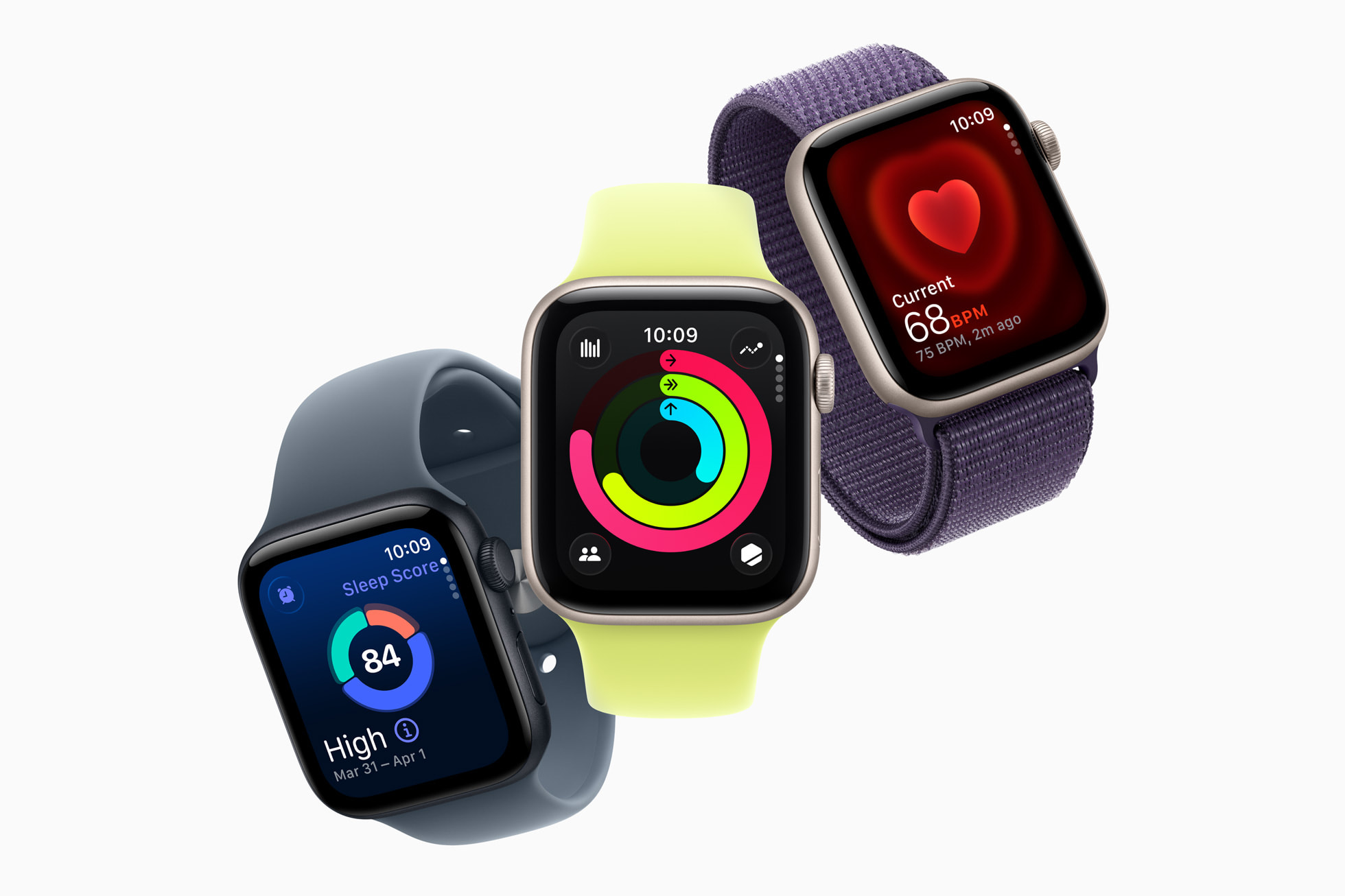
As the holiday season concludes and gift cards find new homes, many consumers are turning their attention to the latest advancements in wearable technology, particularly the sophisticated offerings from Apple. This year, the tech giant unveiled three distinct iterations of its popular smartwatch: the Apple Watch Series 11, the Apple Watch SE 3, and the formidable Apple Watch Ultra 3. Navigating this diverse portfolio requires understanding not just the specifications, but also the philosophy behind each model, ensuring that a purchase aligns perfectly with individual needs and aspirations in the burgeoning smartwatch market.
The Evolution of the Apple Watch: A Decade of Wearable Innovation
The journey of the Apple Watch began in September 2014, with its official release in April 2015. Initially, the device was met with a mix of curiosity and skepticism. Early models emphasized fashion and convenience, allowing users to receive notifications, make calls, and track basic fitness metrics directly from their wrist. However, Apple quickly pivoted, recognizing the profound potential of health and wellness monitoring as a core differentiator. This strategic shift transformed the Apple Watch from a luxury gadget into a widely recognized health and safety companion.
Key milestones dot the timeline of its development. The introduction of cellular connectivity with Series 3 liberated the watch from constant iPhone proximity, offering true independence. Subsequent generations brought groundbreaking health features, including the Electrocardiogram (ECG) app and irregular heart rhythm notifications, turning the device into a proactive health monitor. Fall detection emerged as a crucial safety feature, capable of alerting emergency services if a user takes a hard fall and remains unresponsive. The always-on display, introduced with Series 5, enhanced usability, while innovations like blood oxygen monitoring and advanced sleep tracking further cemented its role in personal health management. The latest iteration of temperature sensing, seen in recent models, has expanded its utility to reproductive health tracking, demonstrating Apple’s ongoing commitment to integrating sophisticated biometric data into daily life. Each generation has incrementally refined the user experience, pushing the boundaries of what a wearable device can achieve.
Apple’s Smartwatch Strategy: Diversification and Market Dominance
Apple’s sustained presence in the global smartwatch market is a testament to its multifaceted product strategy. The company holds a significant share, consistently outpacing competitors through a combination of brand loyalty, seamless ecosystem integration, and a clear product ladder designed to appeal to various consumer segments. This tiered approach, encompassing the high-performance Ultra, the feature-rich Series, and the accessible SE models, ensures that Apple caters to a broad spectrum of users, from elite athletes and tech enthusiasts to everyday consumers and first-time smartwatch owners.
The social and cultural impact of the Apple Watch is undeniable. It has normalized the concept of continuous personal health monitoring, empowering individuals to take a more active role in their well-being. Activity rings encourage daily movement, while subtle haptic notifications prompt users to stand or breathe, fostering healthier habits. Beyond health, the device serves as a discreet communication tool, a personal assistant, and even a fashion accessory, with a vast array of bands and customizable watch faces. This integration into daily routines has made the Apple Watch a cultural touchstone, influencing trends in fitness, digital communication, and personal technology. Its success also underscores a broader industry shift towards preventative health and the gamification of wellness, areas where smartwatches play a pivotal role.
The 2025 Lineup: A Closer Look at Current Offerings
The 2025 product refresh introduces a trio of devices, each tailored to specific user profiles. While the Apple Watch Ultra 3 occupies a specialized, premium niche, most consumers will likely weigh their options between the Apple Watch SE 3 and the Apple Watch Series 11. Understanding the nuances of each model is crucial for making an informed purchase, especially for those considering a significant investment in a new wearable.
Apple Watch Ultra 3: For the Extreme Enthusiast
Priced at $799, the Apple Watch Ultra 3 is explicitly engineered for a demanding demographic: professional athletes, outdoor adventurers, and individuals who require uncompromising durability and extended performance. This model boasts a rugged titanium casing, a larger, brighter display, and advanced GPS capabilities for precise location tracking in challenging environments. Its enhanced water resistance, specialized diving features, and customizable Action Button underscore its utility for extreme sports and exploration. Furthermore, the Ultra 3 typically offers significantly longer battery life compared to its counterparts, a critical advantage for multi-day expeditions or prolonged training sessions. For the average user, its features might be overkill, and its substantial price tag reflects its specialized design and robust capabilities, catering to a distinct, high-end market segment.
Apple Watch SE 3: Value Meets Essential Innovation
Starting at a more accessible $249, the Apple Watch SE 3 presents a compelling proposition for those seeking a straightforward, reliable smartwatch without the premium price of the Series or Ultra models. Despite its budget-friendly positioning, the SE 3 delivers a robust smartwatch experience, incorporating many of the core software functionalities found in its more expensive siblings. It excels as an entry point into the Apple Watch ecosystem, ideal for first-time buyers, younger users, or anyone primarily interested in essential features like activity tracking, notifications, and basic health monitoring.
The SE 3 represents a significant upgrade from its predecessor, the SE 2. Internally, it now houses the S10 chip, mirroring the processing power of the Series 11 and Ultra 3. This substantial jump from the older S8 chip ensures smoother performance and future-proofing. Critically, the SE 3 introduces an always-on display, a feature previously reserved for the main Series line, dramatically improving convenience. It also supports fast charging, enhancing daily usability by minimizing downtime. Enhanced crack resistance adds a layer of durability, making it more resilient to everyday bumps and drops. Furthermore, new health features have been integrated, notably a wrist-temperature sensor. While not as comprehensive as the Series 11’s, this sensor facilitates advanced sleep tracking and provides retrospective ovulation insights, expanding its utility for wellness-conscious users. The gap in functionality between Apple’s mainstream and budget-friendly smartwatches has indeed narrowed considerably, making the SE 3 a remarkably strong value proposition.
Apple Watch Series 11: The Mainstream Powerhouse
Positioned at $399, the Apple Watch Series 11 remains the flagship model for the vast majority of consumers. It strikes an optimal balance between advanced features, refined design, and a more approachable price point than the Ultra. For those desiring a more comprehensive health suite, superior display technology, and a wider range of material options, the Series 11 is the natural choice.
Compared to the SE 3, the Series 11 typically offers a brighter, edge-to-edge display, providing a more immersive visual experience. Its suite of health sensors is more extensive, including the ability to take an Electrocardiogram (ECG) for detecting signs of atrial fibrillation and a blood oxygen sensor, which can provide insights into overall respiratory and cardiovascular health. While the SE 3 includes a wrist-temperature sensor for specific purposes, the Series 11 may offer more granular or continuous temperature monitoring capabilities. The Series 11 also provides a broader selection of premium case materials, such as stainless steel, in addition to aluminum, catering to aesthetic preferences. While incremental, the improvements over its Series 10 predecessor generally focus on enhancing sensor accuracy, display vibrancy, and perhaps marginal battery life gains, solidifying its position as the default, feature-rich choice for the discerning user.
Core Similarities Across the Ecosystem
Despite their price and feature distinctions, all current Apple Watch models share fundamental attributes that define the Apple Watch experience. They all operate on the latest version of WatchOS, providing access to the same vast ecosystem of applications, watch faces, and user interface elements. Core fitness tracking features, such as activity rings for movement, exercise, and standing goals, are universal. All models support essential communication features, including notifications, calls, and messages. Crucially, critical safety features like Crash Detection, Fall Detection, and Emergency SOS are integrated across the entire lineup, providing peace of mind regardless of the model chosen. The underlying S10 chip, now present in the SE 3, Series 11, and Ultra 3, ensures comparable processing speeds for everyday tasks, guaranteeing a smooth and responsive user experience across the board for general operation.
Key Differentiators: Making Your Choice
When deciding between these capable smartwatches, several key distinctions emerge beyond the price tag:
- Health Monitoring: The Series 11 and Ultra 3 offer advanced health features like ECG and blood oxygen sensing, which are absent from the SE 3. While the SE 3 now includes a wrist-temperature sensor, its primary applications are for sleep tracking and retrospective ovulation insights, whereas the Series 11 might leverage temperature data more broadly.
- Display Technology: The Series 11 and Ultra 3 boast brighter, larger, and more robust always-on displays with thinner bezels compared to the SE 3. While the SE 3 has gained the always-on functionality, the overall display quality and size options may differ.
- Durability and Materials: The Ultra 3, with its titanium case, offers unparalleled ruggedness. The Series 11 provides options for more premium materials like stainless steel, alongside the standard aluminum. The SE 3 is exclusively available in aluminum, though it has seen improvements in crack resistance.
- Battery Life: The Ultra 3 stands out with significantly extended battery life, catering to multi-day use without recharging. The Series 11 typically offers slightly better endurance than the SE 3, though both are generally designed for daily charging.
- Specialized Features: The Ultra 3 includes unique elements like a customizable Action Button, advanced water resistance for diving, and a siren. These are specific to its adventurous target audience.
- Cellular Connectivity: All models (SE 3, Series 11, Ultra 3) are available with cellular options, allowing them to make calls, send messages, and stream music without a nearby iPhone, though this typically comes at a higher initial cost and an additional monthly service fee.
Conclusion
The current Apple Watch lineup reflects a mature product ecosystem designed to meet a wide array of user preferences and budgets. For the discerning consumer eyeing advanced health metrics, a premium design, and superior display, the Apple Watch Series 11 continues to be the default recommendation. For those with extreme sporting or outdoor needs, the Apple Watch Ultra 3 is an unmatched, albeit expensive, companion.
However, the Apple Watch SE 3 has emerged as a truly formidable contender, particularly for new users or those seeking maximum value. Its substantial upgrades, including the powerful S10 chip and the always-on display, coupled with its accessible price, make it an incredibly compelling choice. The SE 3 effectively democratizes many core smartwatch functionalities, proving that a sophisticated wearable experience is now within reach for a broader audience. Ultimately, the ideal Apple Watch depends on an individual’s specific priorities, whether they lean towards comprehensive health insights, rugged endurance, or simply a smart, connected extension of their digital life on their wrist.