Amir Mahmud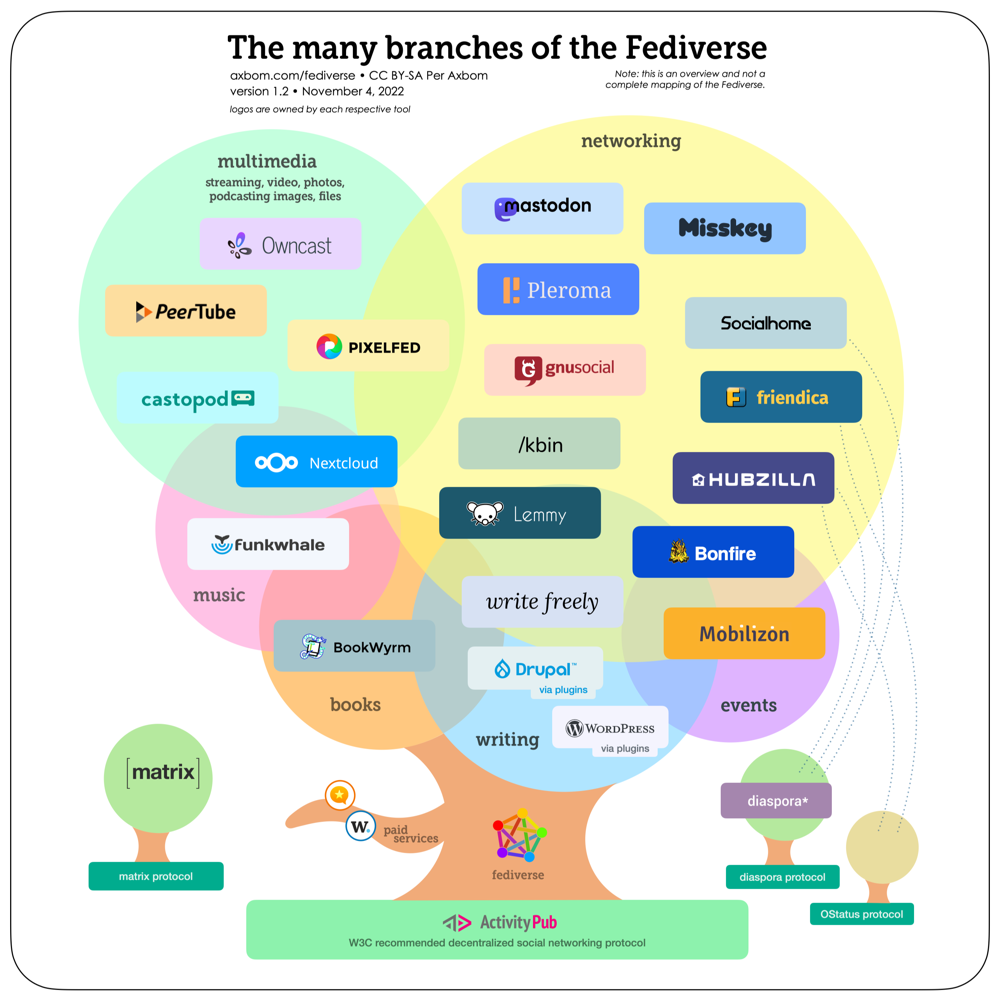
The landscape of online communication has undergone significant shifts, particularly in recent years, prompting many users to seek alternatives to established social media giants. While platforms like Bluesky and Instagram’s Threads have emerged as contenders, Mastodon, a microblogging service founded in 2016, offers a distinct and mature vision for digital interaction, fundamentally different from its corporate counterparts. Its unique, decentralized structure gained considerable mainstream attention in late 2022, when millions of users, disillusioned by the acquisition and subsequent rebrand of Twitter to X by Elon Musk, began exploring new digital homes. This "exodus" was driven by concerns over content moderation policies, platform stability, and the concentration of power in a single entity, pushing Mastodon, with its community-driven ethos, into the spotlight.
The Genesis and Philosophy of a Federated Network
Mastodon was conceptualized and launched in 2016 by German software developer Eugen Rochko. His motivation stemmed from a desire to create a social network that was resilient to the whims of a single owner or advertiser-driven model, offering users more control and a healthier online environment. Unlike monolithic platforms such as Facebook, Reddit, or the rebranded X, Mastodon operates as a non-profit entity. This foundational principle dictates that its primary objective is public benefit and user empowerment, rather than maximizing shareholder value or ad revenue, thereby mitigating many of the commercial pressures that often compromise user experience and privacy on mainstream platforms.
At its core, Mastodon is a decentralized service, a concept that sets it apart from typical social media. This decentralization isn’t akin to blockchain technology, which underpins cryptocurrencies, but rather a "federated network" model. A useful analogy is email: just as Gmail users can seamlessly communicate with Hotmail or Yahoo users, Mastodon accounts residing on different servers can interact with one another. When a user creates an account, they select a "server," or "instance," which essentially hosts their profile and data. For example, joining a server dedicated to climate justice might result in an address like @yourusername@climatejustice.social. Despite this initial choice, the interconnected nature of the network, known as the Fediverse, ensures global communication, though individual servers retain the right to block, or "defederate," from others deemed problematic, fostering a self-regulating ecosystem.
Understanding the Fediverse and Mastodon’s Unique Terminology
The term "Fediverse" refers to an expansive, interconnected web of various social media services that communicate using open standards, primarily the ActivityPub protocol. This means that a single Mastodon account doesn’t just grant access to other Mastodon instances; it can also potentially connect with users on other Fediverse platforms like PeerTube (for video), Lemmy (for Reddit-like forums), Pixelfed (for photo sharing), and many others. This interoperability is a cornerstone of the decentralized vision, allowing users to choose the client and interface they prefer while remaining part of a larger social graph, a stark contrast to the walled gardens of proprietary social networks.
Within the Mastodon community, specific terminology helps define its unique structure. Individual communities are commonly referred to as "instances" or "servers." These instances are independently managed by individuals, groups, or organizations, each establishing its own rules for user registration and content moderation policies. Some instances are open to all, while others are invite-only or require administrative approval, often based on specific criteria. For instance, a server for professional scientists might require applicants to provide links to their research to verify their credentials. While the initial choice of an instance might seem daunting, users can migrate their accounts to a different server later, retaining their followers and posts, which alleviates the pressure of making a permanent decision upfront.
Historically, Mastodon’s equivalent of tweets were often called "toots," a whimsical term that some found endearing while others considered it less professional. While this nomenclature is gradually fading in favor of the more conventional "posts," "toot" can still be found in older third-party applications and is a nod to the platform’s early, more niche culture. Mastodon supports many familiar microblogging conventions, including replies, boosts (similar to retweets), favorites, bookmarks, and hashtags. Notably, the platform initially resisted implementing a direct "quote post" feature, citing concerns that it could facilitate "dogpiling" and harassment. However, in 2025, in response to growing user demand and a re-evaluation of its impact, a quote post feature was rolled out with built-in protections designed to mitigate potential misuse. Other features, like lists, operate with a slight variation, requiring users to follow someone before adding them to a list. Direct messages on Mastodon are essentially private posts visible only to mentioned users, requiring careful attention to visibility settings to ensure privacy, unlike the dedicated inbox systems found on most centralized platforms.
The Power of Open Source and its Implications
A fundamental aspect of Mastodon’s identity is its open-source nature. This means that its underlying code is publicly available, allowing anyone to download, inspect, modify, and even install their own Mastodon server. The developers of the platform do not hold exclusive copyright over the software, operating under a free and open-source license, typically the AGPLv3, which mandates that any modifications or derivatives must also be released under a compatible open-source license. This transparency fosters community collaboration, enables independent security audits, and prevents vendor lock-in, aligning with the platform’s decentralized philosophy.
The importance of this open-source license was highlighted by a notable incident involving former President Donald Trump’s social media platform, Truth Social. Upon its launch, Truth Social was found to be using Mastodon’s code without proper attribution or adherence to the open-source licensing requirements. Mastodon’s team promptly issued a public statement and a 30-day ultimatum, asserting their rights under the license and emphasizing the ethical obligations of using open-source software. This incident underscored the legal and community expectations surrounding open-source projects, demonstrating that while the code is free, its use comes with responsibilities.
Navigating Onboarding and Interaction
For newcomers, the initial experience of joining Mastodon can differ significantly from signing up for a traditional social media account. Rather than a single global platform, users are presented with a choice of servers. The official Mastodon website offers a directory where instances can be filtered by region, language, topic, and sign-up requirements. This selection process is a crucial step, as it often determines the initial community and moderation culture a user will encounter. In response to the influx of new users during the "Twitter exodus," Mastodon streamlined its sign-up process, offering an easier option to join the mastodon.social instance, the project’s flagship server, to reduce initial confusion.
Once an account is established, interaction across the Fediverse is seamless, though with minor procedural differences. Users can follow and reply to posts from individuals on any other server. However, to follow someone on a different instance, a user typically needs to search for their full address (e.g., @username@otherserver.social) within their own server’s search bar, rather than simply clicking a follow button on an external profile page.
Mastodon provides three distinct timelines to help users navigate content:
- Home: Displays posts from users a person follows, much like a traditional social media feed.
- Local: Shows all public posts from users within a user’s chosen instance, fostering a sense of community within that specific server.
- Federated: Presents all public posts from users that anyone on the user’s local server follows, offering a broader view of conversations across the Fediverse.
For users who find the influx of information overwhelming, a "Slow Mode" can be enabled in preferences to hide timeline updates behind a click, providing a more controlled browsing experience.
Moderation and Safety in a Decentralized World
One of Mastodon’s most distinctive features is its decentralized moderation policy. Unlike platforms where a single corporate entity dictates global content rules, each Mastodon instance sets and enforces its own moderation guidelines. This means that users can actively choose a community whose values and approach to content governance align with their own. Some servers might have very strict anti-harassment policies, while others might be more lenient. This model offers both advantages and challenges. On the one hand, it allows for diverse communities tailored to specific interests and values, potentially creating safer and more welcoming spaces for niche groups. On the other hand, it can lead to inconsistencies in content enforcement across the Fediverse and places a significant burden on individual instance administrators. The ability for servers to "defederate" from others acts as a crucial mechanism for isolating problematic communities, though it can also lead to debates about censorship and free speech within the open-source community.
In terms of safety, Mastodon offers features designed to mitigate harassment. For example, the platform’s search functionality is generally limited to hashtags, not full-text searches of post content. This means that if a user wants their post to be discoverable, they must explicitly tag it; otherwise, it is less likely to be found through general keyword searches, providing a degree of privacy and control over visibility. However, users can still search their own posts, favorited items, boosts, and mentions for personal organization. Mastodon also provides granular privacy settings for individual posts, allowing users to make them public, unlisted (public but excluded from discovery), visible only to followers, or exclusively to mentioned users, offering a high degree of control over audience.
The Broader Social Media Landscape: Challenges and Opportunities
Mastodon’s user base, while growing significantly during periods of discontent with centralized platforms, remains a fraction of the size of giants like X. As of mid-2025, it reported under one million monthly active users and around 10 million registered users globally, dwarfed by X’s estimated 132 million daily active users. This smaller scale presents a challenge in replicating the "global watercooler" effect often associated with larger networks. However, for many users, this is precisely its appeal. The more intimate scale often fosters more personal, direct conversations and a stronger sense of community, contrasting with the often overwhelming and impersonal experience of tweeting into a vast, anonymous void.
The absence of a universal verification system on Mastodon, unlike X’s evolving checkmark system, reflects its decentralized ethos. While some instances may vet new users, the primary method for identity verification is self-attestation through the rel="me" attribute in profile links, which allows users to link their Mastodon profile to other online identities (e.g., a personal website) and have that link visually confirmed by the platform. This decentralized approach contrasts sharply with X’s often controversial and commercially driven verification badges, offering a different model of trust and authenticity.
The question of Mastodon’s long-term viability often arises. While it may not achieve the global ubiquity of X, its sustained growth and dedicated community suggest it is here to stay as a significant player in the alternative social media space. Its appeal lies in its customizable nature, diverse community guidelines, and freedom from corporate control, attracting users who prioritize autonomy and a more curated online experience. The emergence of other alternatives like Bluesky and Threads further complicates the social media landscape. Bluesky, backed by Twitter co-founder Jack Dorsey, is developing its own unique "Authenticated Transfer (AT) Protocol," intentionally diverging from ActivityPub, leading to skepticism among open-source advocates about its ultimate goals regarding decentralization and control. In contrast, Meta’s Threads, Instagram’s text-based platform, has embraced ActivityPub, allowing its users to share posts with other Fediverse servers, including Mastodon. This move by a major tech player to integrate with an open standard could significantly expand the Fediverse and foster greater interoperability, presenting both opportunities and challenges for Mastodon’s independent ecosystem.
For users hesitant to fully commit to a new platform, third-party tools facilitate cross-posting from X to Mastodon and help locate existing Twitter friends on the Fediverse. Services like Moa Party and Mastodon Twitter Crossposter enable users to synchronize their content across platforms, while Fedifinder, Twitodon, and Debirdify assist in finding connections, bridging the gap between centralized and decentralized networks. Ultimately, Mastodon represents a choice for users seeking a different kind of social media experience—one rooted in community, control, and a departure from the commercial pressures that define much of the contemporary digital sphere.