Amir Mahmud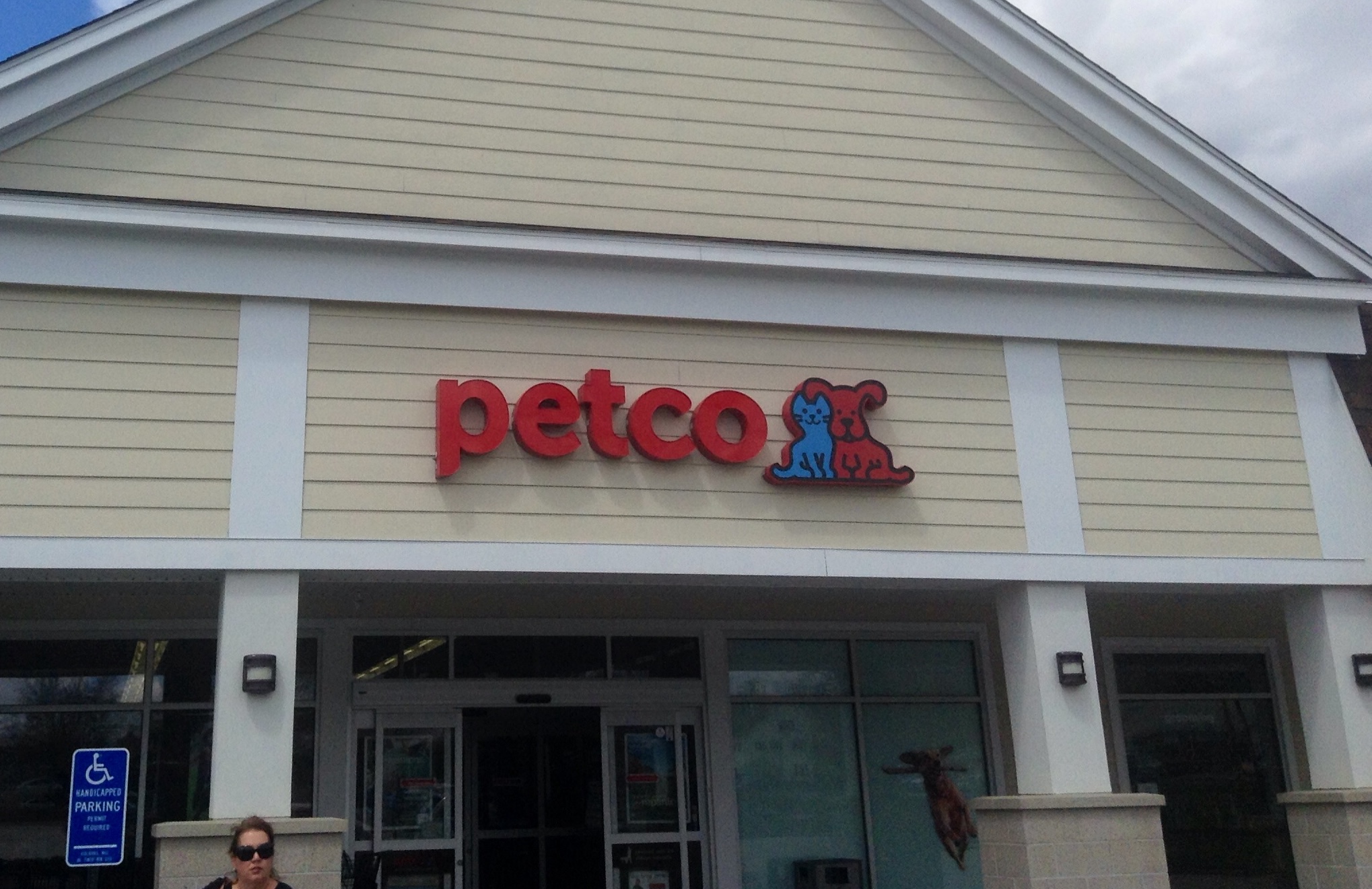
Petco, a prominent name in the pet products and services industry, recently disclosed a significant data breach that exposed a wide array of highly sensitive personal information belonging to its customers. The revelation, initially confirmed without specific details, later unveiled a comprehensive compromise encompassing names, Social Security numbers, driver’s license numbers, financial account details, credit or debit card numbers, and dates of birth. This incident underscores the escalating challenges businesses face in safeguarding consumer data amidst a landscape riddled with persistent cyber threats and evolving regulatory demands.
The Revelation of Compromised Customer Data
The initial confirmation from Petco indicated a security lapse involving customer data, a common but unsettling announcement in today’s digital age. However, the true extent and severity of the breach became clearer with subsequent filings mandated by various state attorneys general. In compliance with legal obligations, Petco submitted detailed reports to the offices of the attorneys general in Texas, California, Massachusetts, and Montana. These filings precisely enumerated the categories of personal information that had been inadvertently exposed. The inclusion of Social Security numbers and driver’s license numbers, alongside financial identifiers, elevates this incident beyond a mere inconvenience, placing affected individuals at a substantial risk of identity theft and financial fraud.
While the company confirmed one affected resident in Massachusetts and three in Montana, the precise total number of victims remains undisclosed by Petco. The filing in California, a state with stringent data breach notification laws requiring disclosure for incidents impacting at least 500 residents, implies a much larger pool of affected individuals within that state alone. Petco, which proudly announced serving over 24 million customers in 2022, has not publicly clarified the overall scope of the incident despite inquiries, leading to a degree of uncertainty for its vast customer base.
A Deep Dive into the Data Exposed and Its Risks
The types of data compromised in the Petco breach are particularly concerning due to their potential for misuse by malicious actors. Each piece of information, when combined, can form a powerful toolkit for identity theft:
- Social Security Numbers (SSNs): These are foundational for establishing identity in the U.S. and are highly prized by criminals. With an SSN, fraudsters can open new lines of credit, apply for loans, file fraudulent tax returns, and even access government benefits in an victim’s name.
- Driver’s License Numbers: Often used as a primary form of identification, these can be leveraged to create fake IDs, impersonate individuals during traffic stops, or be combined with other data to pass identity verification checks.
- Financial Information (Account Numbers, Credit/Debit Card Numbers): Direct access to these details can lead to immediate financial loss through unauthorized transactions, account takeovers, or the draining of funds.
- Names and Dates of Birth: While seemingly innocuous on their own, these pieces of information are crucial for verifying identity and are often the initial stepping stones for more sophisticated fraud when paired with other sensitive data.
The combination of these data points creates a comprehensive profile that can be exploited for long-term financial and personal damage. Victims may face years of vigilance, monitoring credit reports, and disputing fraudulent activity.
According to a sample letter published by the California Attorney General, Petco attributed the lapse to "a setting within one of our software applications that inadvertently allowed certain files to be accessible online." This explanation suggests a misconfiguration or human error rather than a sophisticated external cyberattack involving zero-day exploits. While a configuration error might seem less malicious than a direct hack, its consequences are no less severe for those whose data is exposed. The company stated it "immediately took steps to correct the issue and to remove the files from further online access," and implemented unspecified "additional security measures" following the discovery.
The Broader Context of Data Breaches in the Digital Age
Data breaches have become an unfortunate fixture in the modern digital landscape. Businesses, from small startups to multinational corporations like Petco, constantly grapple with the immense challenge of securing vast quantities of sensitive customer data. The increasing digitalization of services, coupled with the growing sophistication of cybercriminals, creates a fertile ground for such incidents.
Historical Perspective: The history of major data breaches is long and varied. From the massive Target breach in 2013, which exposed credit card data of millions, to the Equifax breach of 2017, which compromised SSNs and birth dates of nearly half the U.S. population, these events have steadily eroded public trust and pushed for stronger data protection regulations. The Petco incident, while perhaps not on the scale of Equifax, serves as another stark reminder that no industry is immune, and even seemingly minor technical oversights can lead to significant privacy violations.
Why Companies Struggle: Several factors contribute to the prevalence of data breaches:
- Complexity of IT Systems: Modern IT infrastructures are incredibly complex, often involving a mix of on-premise servers, cloud services, and third-party applications. Managing security settings across such diverse environments is a monumental task.
- Human Error: Misconfigurations, weak passwords, and phishing scams often exploit human vulnerabilities, proving that technology alone cannot guarantee security.
- Insufficient Investment: Some companies may underinvest in cybersecurity infrastructure, personnel, and training, viewing it as a cost center rather than a critical business function.
- Evolving Threat Landscape: Cybercriminals constantly adapt their tactics, making it difficult for defenses to keep pace.
Implications for Affected Individuals
For the individuals whose data has been exposed, the immediate and long-term implications can be substantial. Petco has offered free credit and identity theft monitoring services, a standard response from companies post-breach. While beneficial, these services are largely reactive, alerting victims after potential fraud has occurred rather than preventing it entirely.
Personal Impact:
- Financial Strain: Dealing with identity theft can be a time-consuming and emotionally draining process, requiring victims to spend countless hours disputing fraudulent charges, closing compromised accounts, and restoring their credit.
- Emotional Distress: The knowledge that one’s most private information is in the hands of unknown actors can cause significant anxiety, stress, and a feeling of vulnerability.
- Credit Damage: Fraudulent accounts opened in a victim’s name can severely damage their credit score, impacting their ability to secure loans, mortgages, or even employment in the future.
Societal Impact:
- Erosion of Trust: Each breach chips away at consumer trust in digital services. People become more hesitant to share personal information, even with legitimate businesses, which can hinder innovation and digital commerce.
- Increased Vigilance Burden: The onus often falls on consumers to be constantly vigilant about their financial statements and credit reports, adding an invisible burden to daily life.
- Demand for Stronger Regulation: Repeated breaches fuel public demand for stricter data protection laws and greater corporate accountability, influencing legislative efforts globally.
Regulatory Responses and Corporate Accountability
The disclosure of this breach highlights the critical role of data protection regulations in compelling transparency from corporations. State-specific laws, such as the California Consumer Privacy Act (CCPA) and similar statutes in Massachusetts and Montana, mandate that companies notify affected individuals and state attorneys general when a breach occurs. These laws not only ensure transparency but also empower consumers with rights regarding their personal data.
The Role of State Attorneys General: These offices act as consumer watchdogs, ensuring companies comply with breach notification laws and taking action against those that fail to adequately protect consumer data. Their public records often become the primary source for understanding the true scope of a data breach when companies themselves remain vague.
Potential for Litigation: Large-scale data breaches frequently lead to class-action lawsuits, where affected individuals seek compensation for damages incurred due to the company’s negligence in protecting their data. These legal actions serve as another mechanism for corporate accountability and can result in significant financial penalties for the breaching entity.
Industry Lessons and Future Security Paradigms
The Petco incident serves as a stark reminder for all businesses about the absolute necessity of robust cybersecurity practices. The explanation of a "setting within one of our software applications" points to a common vulnerability: misconfiguration. In the age of cloud computing and complex software environments, a single incorrect setting can expose vast amounts of data.
Best Practices for Data Security:
- Regular Security Audits: Continuous monitoring and auditing of systems for vulnerabilities and misconfigurations are paramount.
- Principle of Least Privilege: Granting employees and systems only the minimum access necessary to perform their functions reduces the blast radius of a potential breach.
- Data Encryption: Encrypting sensitive data both in transit and at rest adds an extra layer of protection, making it unreadable even if accessed by unauthorized parties.
- Employee Training: Human error is a leading cause of breaches. Regular and comprehensive cybersecurity training for all employees is crucial.
- Incident Response Planning: Having a clear, well-rehearsed plan for responding to a breach can significantly mitigate its impact.
- Zero-Trust Architecture: Modern security models advocate for a "never trust, always verify" approach, assuming that threats can originate from anywhere, inside or outside the network.
Petco’s Path Forward
For Petco, the immediate challenge is to not only rectify the technical vulnerabilities but also to rebuild customer trust. The company’s statement about implementing "additional security measures" is a step in the right direction, but regaining consumer confidence will require sustained effort and transparent communication. In an increasingly competitive pet care market, where brands vie for loyalty from "pet parents," a data breach can have lasting repercussions on brand reputation and customer retention.
The incident is a salient reminder for consumers to remain vigilant, regularly checking credit reports, monitoring financial statements, and being wary of unsolicited communications that could be phishing attempts. As the digital world continues to intertwine with every aspect of our lives, the responsibility for data security is shared, but the primary burden remains with the organizations entrusted with our most sensitive personal information. Petco’s experience will undoubtedly be scrutinized by both customers and industry peers, providing another case study in the ever-evolving saga of cybersecurity in the retail sector.