Amir Mahmud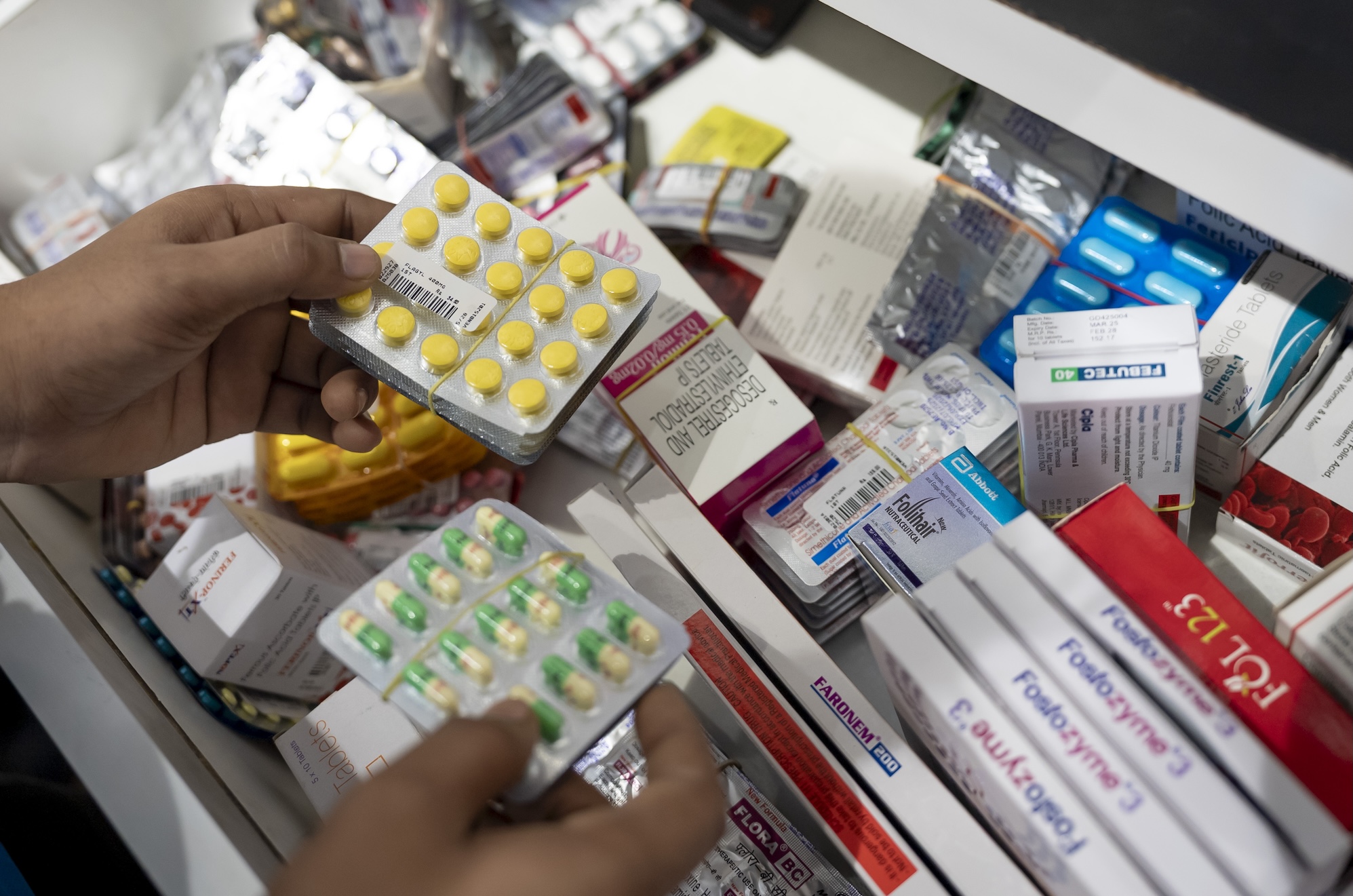
A significant cybersecurity vulnerability, recently brought to light, granted unauthorized external parties complete administrative command over the digital infrastructure of one of India’s preeminent pharmacy networks. This profound security lapse, exclusively uncovered by TechCrunch, not only laid bare sensitive customer order details but also compromised crucial internal functions responsible for controlling drug distribution and availability. The incident underscores the escalating challenges faced by rapidly digitizing industries, particularly healthcare, in securing vast troves of personal information against sophisticated cyber threats.
The Digital Achilles’ Heel: Understanding the Vulnerability
The affected entity is DavaIndia Pharmacy, the retail pharmacy division of Zota Healthcare, a major player operating an extensive network of outlets across the Indian subcontinent. Security researcher Eaton Zveare was instrumental in identifying the critical flaw. Zveare revealed to TechCrunch that his investigation pinpointed inadequately secured "super admin" application programming interfaces (APIs) embedded within DavaIndia’s public-facing website. These APIs, typically designed for internal management and requiring stringent authentication, were inexplicably accessible, allowing unauthenticated users to create high-privilege administrative accounts.
An API acts as a communication bridge, enabling different software systems to interact. In this context, DavaIndia’s APIs were supposed to facilitate secure interactions between its website, its backend databases, and its operational systems. However, the misconfiguration meant that these powerful interfaces, which could grant near-total control over the platform, were left exposed. This type of vulnerability is akin to leaving the master key to a large physical pharmacy chain under the doormat, enabling anyone who found it to unlock every door, access all inventory, and even alter business operations. The ease with which such high-level access could be obtained highlights a fundamental breakdown in security architecture, particularly for an organization handling sensitive medical data.
The Discovery and Responsible Disclosure
Eaton Zveare, an independent cybersecurity researcher, followed the principles of responsible disclosure after detecting the flaw. His findings, which detailed the potential for severe operational and data privacy breaches, were privately shared with Indian cybersecurity authorities. The Computer Emergency Response Team of India (CERT-In), the national agency responsible for responding to cyber incidents, received Zveare’s report in August 2025. This swift action by the researcher is crucial in the cybersecurity ecosystem, allowing companies to patch vulnerabilities before malicious actors can exploit them.
Within weeks of the report, DavaIndia took steps to rectify the identified security weakness. While the technical fix was implemented relatively quickly, official confirmation from the company to the cyber authorities regarding the complete resolution of the issue took longer, eventually being provided in late November. Zveare has since publicly disclosed his findings, a standard practice once a vulnerability has been patched, serving as a cautionary tale for other organizations and demonstrating the effectiveness of ethical hacking in improving digital security. Fortunately, there has been no indication or evidence to suggest that this particular flaw was actively exploited by malicious parties prior to its remediation.
The Critical Nature of Pharmaceutical Data Exposure
The level of access afforded by this vulnerability was extensive and deeply concerning. An attacker wielding "super admin" privileges could have accessed thousands of online orders, each containing a wealth of personally identifiable information. This included customers’ full names, active phone numbers, email addresses, precise mailing addresses, the total transaction amount, and, most critically, a detailed list of products purchased.
Pharmacy order data holds an exceptionally high degree of sensitivity. Unlike generic retail purchase histories, pharmaceutical records directly reveal intimate details about an individual’s health conditions, chronic illnesses, mental health, or other private medical requirements. Such information is often considered among the most confidential personal data. Its exposure, even without explicit evidence of misuse, inherently carries elevated privacy risks and potential for significant patient safety concerns. Zveare emphasized the profound implications: "Customer information was linked to their orders. This includes name, phone numbers, email IDs, mailing addresses, total amount paid, and the products purchased. Since this is a pharmacy, the products being purchased could be considered private and even embarrassing for some people." The potential for social stigma, discrimination, or targeted phishing and fraud campaigns based on disclosed medical conditions is a serious threat.
Beyond customer data, the administrative controls themselves were vulnerable. An unauthorized user could have modified product listings and pricing, created fraudulent discount coupons, or, more alarmingly, altered settings governing which medicines required a prescription. This capability could lead to significant financial losses, operational chaos, and, critically, compromise patient safety by enabling the unauthorized purchase of restricted medications. The ability to edit website content also presented risks of defacement or broader disruption to DavaIndia’s online presence. Zveare’s analysis of system timestamps indicated that these vulnerable administrative interfaces had been operational since late 2024, exposing nearly 17,000 online orders and granting control over administrative functions across 883 distinct stores within the DavaIndia network.
DavaIndia’s Rapid Expansion and Digital Ambitions
This incident casts a shadow over Zota Healthcare’s aggressive expansion strategy for its DavaIndia Pharmacy brand. Headquartered in Gujarat, the company boasts over 2,300 DavaIndia stores across India, a number that continues to grow rapidly. In January alone, the company announced the addition of 276 new outlets. Zota Healthcare has ambitious plans to further expand its footprint, aiming to establish another 1,200 to 1,500 stores over the next two years, backed by a substantial investment of approximately 350 crore Indian rupees (around $42 million USD).
The rapid scaling of operations, while indicative of market success and demand, often outpaces the development and implementation of robust cybersecurity measures. Companies experiencing hyper-growth may prioritize speed-to-market and operational efficiency over comprehensive security audits and "security by design" principles. This incident serves as a stark reminder that digital security must be an integral part of any expansion strategy, not an afterthought. The larger the network and the greater the digital reliance, the more attractive a target it becomes for cyber adversaries, and the wider the potential blast radius of any security failure.
India’s E-Pharmacy Boom and Cybersecurity Challenges
The DavaIndia incident occurs amidst a burgeoning e-pharmacy market in India. The convenience of online ordering, doorstep delivery, and competitive pricing has fueled an exponential rise in digital healthcare services, particularly accelerated by the COVID-19 pandemic. This sector is projected to grow significantly, attracting substantial investment and fostering intense competition among players like PharmEasy, Netmeds (owned by Reliance), Apollo Pharmacy, and Flipkart Health+.
However, this rapid digital transformation also introduces significant cybersecurity vulnerabilities. Many Indian companies, particularly those scaling quickly, face challenges such as a shortage of skilled cybersecurity professionals, reliance on legacy IT infrastructure, and a tendency to view cybersecurity as a cost center rather than a fundamental business enabler. The pressure to innovate and deliver services quickly can sometimes lead to security oversights in development and deployment phases, as appears to have been the case with DavaIndia’s insecure APIs. The diverse and often rural customer base, which may be less digitally literate, also presents unique challenges for ensuring secure online transactions and protecting personal data.
Regulatory Landscape and Data Protection in India
The exposure of sensitive health data at DavaIndia highlights the critical importance of India’s evolving data protection framework. While the country has had various sectoral regulations, the Digital Personal Data Protection Act (DPDP Act) 2023 marks a significant step towards a comprehensive, modern data privacy law. This act, once fully implemented, will impose stringent obligations on data fiduciaries (organizations handling personal data) regarding data collection, storage, processing, and security.
Under the DPDP Act, companies found in breach of data protection norms could face substantial penalties, potentially running into millions of rupees, depending on the nature and scale of the violation. The act also grants individuals greater rights over their personal data, including the right to access, correction, and erasure. Incidents like the DavaIndia vulnerability serve as a real-world test case for the efficacy and enforcement of these new regulations. While the current incident was patched without evidence of exploitation, future breaches under the DPDP Act could have severe financial and reputational consequences for companies failing to adequately protect user data. The act mandates that data fiduciaries implement "reasonable security safeguards" to prevent data breaches, and a flaw allowing unauthenticated super admin access would likely be considered a serious failure in this regard.
Broader Implications for Consumer Trust and Industry Standards
Such high-profile security incidents inevitably erode consumer trust in digital platforms, particularly in a sector as sensitive as healthcare. Patients rely on pharmacies to handle their medical information with the utmost discretion and security. A breach of this trust can deter individuals from using online pharmacy services, potentially pushing them back to less convenient traditional methods or, worse, making them hesitant to seek necessary medical care if they fear their privacy will be compromised.
For the broader e-pharmacy industry in India, this incident serves as a crucial wake-up call. It underscores the urgent need for all players to conduct thorough security audits, implement robust development practices, and regularly assess their digital infrastructure for vulnerabilities. Industry best practices, such as "security by design," regular penetration testing, bug bounty programs, and employee training on cybersecurity protocols, must become standard rather than exceptional. The competitive landscape itself might compel companies to differentiate themselves not just on price and convenience, but also on the strength of their data security posture. Regulatory bodies and industry associations also have a role to play in setting clear security guidelines and fostering a culture of cybersecurity awareness.
Lessons for a Digitizing Healthcare Sector
The DavaIndia episode offers several vital lessons for any organization operating in the digital healthcare space, both in India and globally. Firstly, the pursuit of rapid expansion must be meticulously balanced with an equally robust investment in cybersecurity infrastructure and expertise. Security cannot be an afterthought or a secondary concern. Secondly, the fundamental principles of secure software development, including secure API design and stringent access controls, are non-negotiable. Overlooking these basics can lead to catastrophic consequences, regardless of a company’s market dominance or technological sophistication.
Furthermore, the incident highlights the invaluable role of independent security researchers. Ethical hackers often act as the first line of defense, identifying vulnerabilities before they can be exploited by malicious actors. Fostering an environment that encourages responsible disclosure and adequately addressing reported flaws is paramount. Finally, continuous vigilance is key. The digital threat landscape is constantly evolving, requiring organizations to adopt a proactive, adaptive approach to cybersecurity, rather than merely reacting to incidents.
Conclusion: Navigating the Future of Digital Health Security
The DavaIndia Pharmacy security lapse, though reportedly contained before malicious exploitation, serves as a stark reminder of the inherent risks in our increasingly digital world, especially within the sensitive domain of healthcare. As India continues its journey towards widespread digital adoption, the onus is on companies to not only innovate but also to champion the security and privacy of their customers’ most personal data. The future success and trustworthiness of digital healthcare services will largely depend on their ability to build and maintain impenetrable digital fortresses around the sensitive information entrusted to them.