Amir Mahmud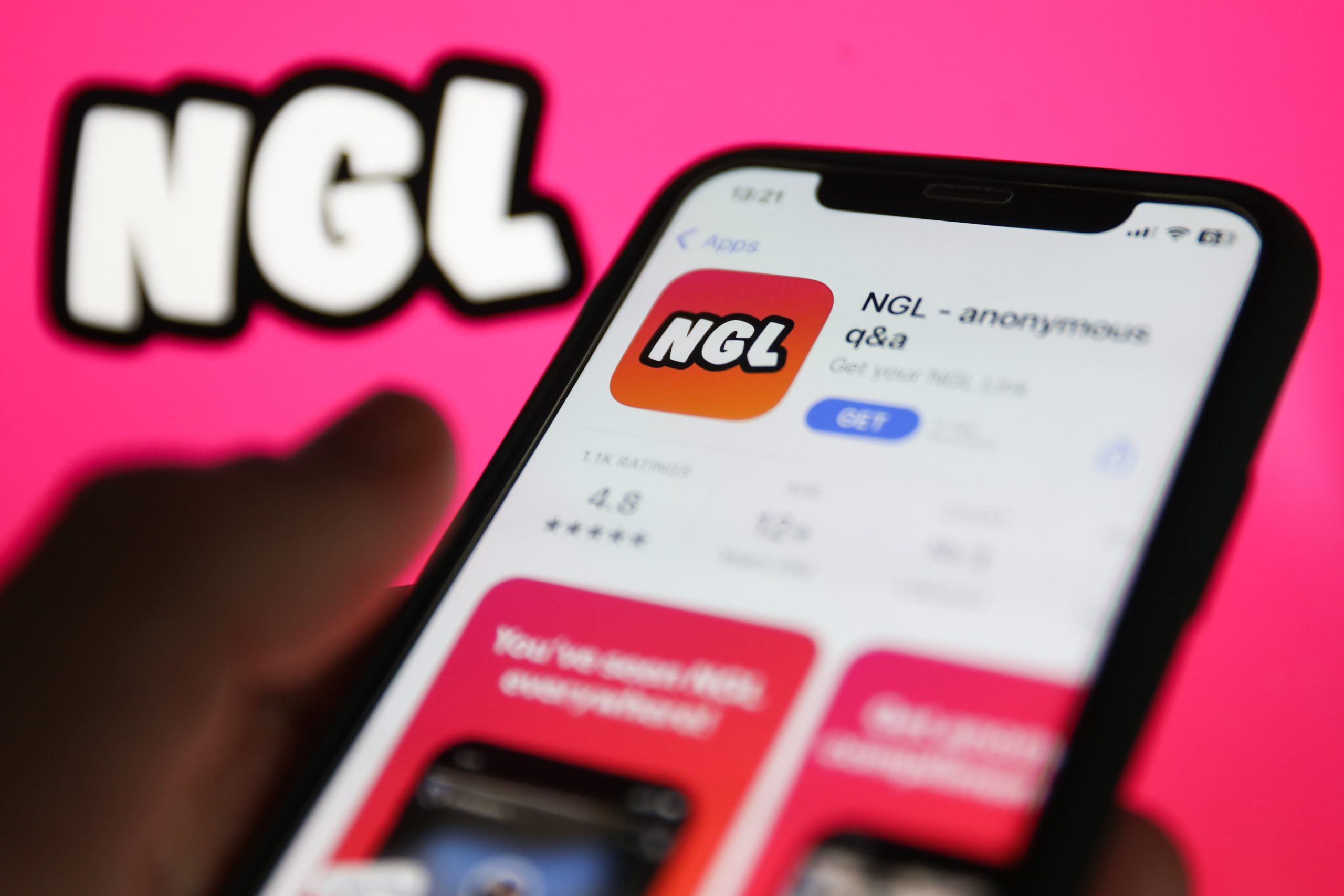
The anonymous messaging application NGL, which gained rapid popularity among teenagers despite facing significant regulatory scrutiny and ethical questions, has been acquired by Mode Mobile, a startup known for its "EarnPhone" devices that incentivize user engagement through constant advertising. The acquisition, announced recently, marks a new chapter for NGL, a platform that has been at the epicenter of debates surrounding online anonymity, digital ethics, and youth safety. While the financial terms of the deal remain undisclosed, the union brings together two entities with distinct, yet arguably complementary, approaches to user monetization within the digital landscape.
The Meteoric Rise and Ethical Quandaries of NGL
Launched in late 2021, NGL quickly captured the attention of a young demographic, surging up the App Store charts. Its appeal lay in its integration with Instagram, allowing users to embed a link in their stories through which followers could send anonymous questions or messages. This mechanism tapped into a persistent fascination with anonymity online, offering a blend of curiosity, flirtation, and the thrill of unfiltered communication. NGL was not an isolated phenomenon; it emerged as part of a broader wave of anonymous social apps, including predecessors like YOLO, LMK, and Sendit, all designed to facilitate private, often unidentifiable, interactions.
The allure of anonymity, however, has historically been a double-edged sword. While it can foster open expression and reduce social anxieties, it also provides a shield for malicious behavior. From the early days of anonymous online forums to more recent social platforms, the absence of identifiable accountability has frequently led to widespread cyberbullying, harassment, and the spread of harmful content. NGL quickly found itself embroiled in these familiar controversies. Reports from users and online safety advocates highlighted instances of mean-spirited messages, bullying, and even threats, underscoring the inherent risks when individuals can interact without consequence.
This pattern of abuse prompted a significant shift in the broader tech ecosystem. In 2022, social media giant Snapchat, which had previously allowed third-party anonymous apps to integrate with its platform, implemented a stringent ban. This decision followed a series of alarming incidents, including a lawsuit filed by a parent alleging Snapchat’s indirect role in her teenage son’s suicide, linking the tragedy to bullying experienced through an anonymous app integrated with the platform. Snapchat’s move sent a clear message to developers: the social cost of unfettered anonymity, especially for minors, was becoming too high.
Beyond the issues of user-generated harm, NGL also drew criticism for its own operational tactics. The app was accused of employing "growth hacking" strategies that bordered on deceptive. Users reported receiving automated messages designed to appear as if they originated from real people, creating a false sense of engagement. These fake messages often served as bait to entice users into purchasing a $9.99 monthly subscription, promising "hints" about the identity of the anonymous sender. However, since many of these messages were system-generated, the "hints" often led nowhere, effectively tricking users into paying for non-existent information. This tactic ignited a wave of user complaints and further solidified the app’s controversial reputation.
Regulatory Hammer: The FTC’s Landmark Intervention
The cumulative weight of these controversies eventually caught the attention of federal regulators. In 2024, after a comprehensive two-year investigation, the Federal Trade Commission (FTC) announced a groundbreaking intervention against NGL. The FTC issued a ban preventing NGL from offering its anonymous social app to minors, a move described by experts as one of the agency’s most drastic actions to protect young users from harmful online experiences. This decision underscored a growing commitment by regulators to hold tech companies accountable for the safety and well-being of their youngest users.
The FTC’s findings painted a stark picture of NGL’s practices and its corporate culture. In its official statement, the FTC revealed that "NGL’s bait-and-switch tactic prompted many consumers to complain, which NGL executives laughed off, dismissing such users as ‘suckers’." This revelation not only highlighted a disregard for consumer protection but also intensified public concern about the ethical responsibilities of app developers. As part of the settlement, NGL was compelled to pay a $5 million fine and comply with the FTC’s demands, including implementing robust age verification mechanisms and refraining from deceptive practices. This case set a precedent, signaling that apps popular with minors could no longer operate with impunity, particularly when their business models or features contributed to user harm or deceit.
The FTC’s action reflected a broader societal shift, where the unchecked growth of tech platforms is increasingly met with demands for greater accountability. Legislators and advocacy groups have been pushing for stronger regulations to safeguard children online, citing concerns about mental health, privacy, and exposure to inappropriate content. The NGL ruling served as a tangible manifestation of these efforts, demonstrating that regulatory bodies are willing to use their full authority to enforce ethical standards in the digital sphere.
Mode Mobile: The "EarnPhone" and the Attention Economy
Against this backdrop, the acquisition of NGL by Mode Mobile introduces a new dynamic. Mode Mobile operates with a distinct business model centered around its flagship product, the "EarnPhone." This smartphone is marketed with "built-in earning features," promising users the ability to generate income by performing everyday tasks such as listening to music, playing games, browsing the web, or even simply unlocking their device. The proposition is straightforward: use your phone as you normally would, and get paid for it.
However, a deeper dive into Mode Mobile’s investor materials reveals the underlying mechanism. The company generates revenue primarily from "digital advertising partners" who "pay for user attention and engagement." In essence, the "EarnPhone" functions as a highly optimized conduit for advertising. Users are compensated, albeit modestly, for their constant exposure to ads, data collection, and engagement with sponsored content. The company’s model epitomizes the "attention economy," where user attention is the primary commodity, meticulously captured and sold to advertisers. While users might earn enough for "a round of beers at a dive bar," as some analyses suggest, the trade-off involves a constant deluge of advertisements and the continuous monetization of their digital activity.
The "EarnPhone" targets a demographic sensitive to cost or looking for ways to offset smartphone expenses. It appeals to the idea of "making your phone pay for itself" or generating passive income from daily digital habits. This model is not entirely new; various apps and platforms have offered rewards for watching ads, completing surveys, or engaging with specific content. Mode Mobile’s innovation lies in integrating this rewards system directly into the hardware and operating system of the phone itself, making the "earning" experience more pervasive and, arguably, more seamless for the user.
A Strategic Alignment or a Troubled Union?
The acquisition of NGL by Mode Mobile prompts significant analytical commentary regarding the strategic rationale behind the deal. On the surface, the pairing might seem incongruous: a company focused on incentivized ad exposure acquiring a controversial anonymous messaging app. Yet, a closer examination suggests potential synergies rooted in their shared, albeit distinct, approaches to user monetization and engagement.
One perspective is that Mode Mobile is acquiring NGL for its remaining user base, particularly if a significant portion of that base falls outside the minor age group targeted by the FTC ban. Despite its controversies, NGL did achieve substantial reach and brand recognition. For Mode Mobile, this could represent an opportunity to expand its digital footprint and potentially integrate NGL’s engagement mechanics into its broader ecosystem of "earning features." Imagine NGL users on an "EarnPhone" being incentivized not just to send and receive anonymous messages but also to engage with ads or sponsored content within the app itself.
Another angle considers the shared philosophical undercurrent of their business models. Both NGL (with its deceptive subscription tactics) and Mode Mobile (with its pervasive ad-driven rewards system) operate in spaces where user engagement and monetization often intersect with ethical considerations. The original article’s observation that "Given NGL’s track record of dubious growth hacking, this partnership with Mode Mobile seems like a good match," hints at a perceived alignment in their willingness to push the boundaries of user monetization. While Mode Mobile’s model is transparent about its ad-driven nature, the constant demand for user attention and data, even with compensation, raises questions about consumer choice and the value proposition.
The future of the NGL app under Mode Mobile’s ownership remains a key question. Will Mode Mobile attempt to rehabilitate NGL’s image, perhaps by revamping its features to align with stricter ethical guidelines and age verification protocols? Or will it primarily leverage NGL’s underlying technology or user data for other purposes within its ad-centric framework? The FTC ban on NGL offering its services to minors will undoubtedly remain in effect, posing a significant challenge for any revitalization efforts given the app’s historical popularity among that demographic. The founders of NGL, Raj Vir and João Figueiredo, are reportedly moving on, with only three remaining employees transitioning to Mode Mobile, suggesting a possible shift in the app’s core development and strategic direction.
Broader Implications: Privacy, Profit, and Protection
This acquisition highlights several broader trends and challenges facing the digital industry. The persistent tension between profit motives and user protection, particularly for vulnerable populations like minors, remains a critical area of concern. Regulatory bodies like the FTC are increasingly active in policing deceptive practices and harmful content, signaling a maturing of the digital landscape where platforms are held to higher standards of accountability.
The transaction also underscores the evolving nature of the "attention economy" and the increasing sophistication of methods used to monetize user engagement. As consumers become more aware of the value of their data and attention, companies are developing novel ways to capture and sell these commodities, often by offering direct financial incentives. This raises important questions about digital literacy, consumer choice, and the long-term societal impact of living in an environment where nearly every digital interaction is a potential point of monetization.
Ultimately, the acquisition of NGL by Mode Mobile represents more than just a corporate transaction; it’s a microcosm of the ongoing debates at the intersection of technology, ethics, and commerce. As the digital world continues to evolve, balancing innovation with responsible practices, especially concerning the well-being of young users and the integrity of online interactions, will remain a paramount challenge for both industry and regulators alike. The terms of the sale may not have been disclosed, but the implications for the future of anonymous social media and ad-driven digital experiences are clear: the conversation around digital ethics is far from over.