Amir Mahmud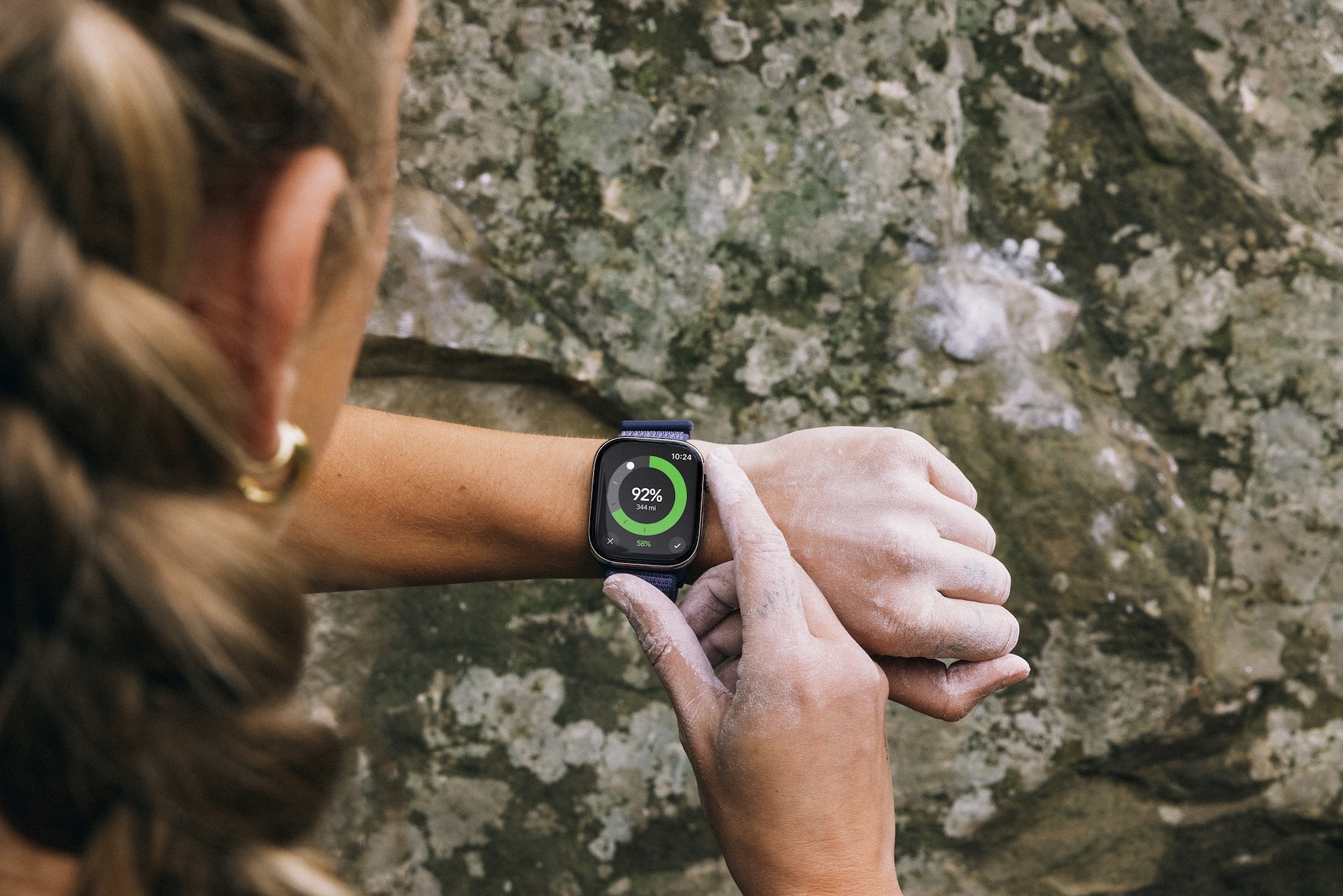
Electric vehicle manufacturer Rivian is significantly enhancing the digital interaction experience for its customers by introducing a comprehensive companion application for the Apple Watch. This development, part of a broader update to the Rivian mobile ecosystem, allows owners to manage fundamental vehicle functions directly from their wrist, signaling a deeper integration of personal technology with automotive control systems. The rollout of this feature is designed to cater to Rivian’s tech-savvy and adventure-oriented clientele, offering a seamless and unencumbered way to interact with their R1T trucks and R1S SUVs.
Expanding the Digital Key Ecosystem
Beginning with a forthcoming update to the Rivian mobile application, users will discover the capability to pair their Apple Watch, transforming the wearable device into a robust remote control for their vehicle. Core functionalities such as locking and unlocking doors, remotely venting windows, and activating the vehicle alarm become accessible with simple taps on the smartwatch interface. Beyond these basic commands, Rivian has engineered more nuanced controls, enabling owners to utilize the digital crown of the Apple Watch to precisely adjust the vehicle’s target state of charge or regulate the interior cabin temperature before entry. Furthermore, the application offers customizable quick controls, allowing users to select four frequently used functions for immediate access, thereby tailoring the experience to individual preferences and common usage patterns.
This initiative represents a pivotal step in the ongoing evolution of vehicle access and management, moving beyond traditional physical keys and even the smartphone-centric approaches that have become standard. While many automotive brands have offered smartphone applications for remote vehicle control, the integration with a smartwatch introduces a new level of convenience, particularly for users engaged in outdoor activities where carrying or accessing a phone might be less practical.
Rivian’s Journey: A Pioneer in the Adventure EV Segment
To understand the significance of this Apple Watch integration, it’s crucial to contextualize Rivian’s strategic position within the rapidly expanding electric vehicle market. Founded in 2009, Rivian Automotive emerged with a distinct vision: to produce premium electric adventure vehicles. Unlike many early EV manufacturers that focused on urban commuting or luxury sedans, Rivian carved out a niche centered on utility, off-road capability, and a rugged yet refined aesthetic.
The company officially launched its flagship models, the R1T electric pickup truck and the R1S electric SUV, to critical acclaim, challenging established automakers and rival EV startups alike. These vehicles are characterized by their innovative "skateboard" platform, which houses the battery pack and drivetrain components, allowing for flexible cabin designs and substantial storage solutions like the "gear tunnel." Rivian’s direct-to-consumer sales model, inspired by companies like Tesla, also differentiates it from traditional dealerships, fostering a direct relationship with its customer base. This customer demographic often comprises outdoor enthusiasts, tech early adopters, and individuals seeking sustainable yet capable transportation solutions. The brand identity of Rivian is intrinsically linked to an active, connected lifestyle, making smart device integration a natural extension of its product philosophy.
The Evolution of Vehicle Access and Smart Integration
The progression from mechanical keys to advanced digital access methods reflects a broader trend in the automotive industry toward increased connectivity and convenience. Initially, vehicle entry and ignition were purely mechanical. The advent of remote key fobs in the 1980s introduced the convenience of unlocking doors from a distance. The 21st century brought forth smart key systems, allowing passive entry and push-button start, where the key simply needs to be present in the driver’s pocket or bag.
The rise of smartphones ushered in a new era. Automakers began developing proprietary mobile applications that replicated many key fob functions, adding remote start, climate control, vehicle status checks, and even GPS tracking. Apple’s CarKey technology, introduced with iOS 13, further standardized this by allowing users to add a digital car key to the Wallet app on their iPhone or Apple Watch, enabling tap-to-unlock and even sharing keys digitally. While Rivian’s new app builds on this foundation, its extensive feature set, particularly the customizable quick controls and precise adjustments via the digital crown, pushes the envelope for smartwatch utility beyond mere digital key functionality. This move positions Rivian among the leaders in leveraging wearable technology for a more integrated and intuitive user experience.
Practical Applications and User Experience Enhancements
For Rivian owners, this Apple Watch integration offers tangible benefits, especially considering the brand’s target demographic. Imagine a scenario where an R1T owner is kayaking, hiking, or mountain biking. Instead of fumbling for a smartphone or physical key fob after an activity, they can simply use their watch to vent windows, pre-cool the cabin, or check the battery charge, all while their phone remains securely stored or out of reach. This "ditch the phone" appeal resonates deeply with those seeking minimalist, hands-free convenience during outdoor pursuits.
The ability to precisely adjust climate control or charging parameters from the wrist further elevates the user experience. For instance, before leaving a cold office, a user can set the R1S to a comfortable 72 degrees Fahrenheit using the watch’s digital crown, ensuring a warm welcome. Similarly, adjusting the charging target after plugging in at a public station becomes effortlessly simple.
However, Rivian acknowledges some distinctions in functionality across its vehicle generations. Owners of the first-generation R1T trucks and R1S SUVs will need to actively open the app on their Apple Watch and tap the lock icon to secure or unlock their vehicle. In contrast, second-generation R1 vehicles, equipped with more advanced hardware and software capabilities, will offer automatic unlocking as the driver approaches, provided a digital key has been properly configured. This distinction highlights the continuous evolution of automotive technology, where hardware revisions often enable new software capabilities and user conveniences.
Beyond the Watch: Broader Software Enhancements and Strategic Vision
The Apple Watch integration is not an isolated update but forms part of a more extensive overhaul of Rivian’s vehicle software system, rolled out concurrently. This broader software refresh demonstrates Rivian’s commitment to continuous improvement through over-the-air (OTA) updates, a hallmark of modern, software-defined vehicles.
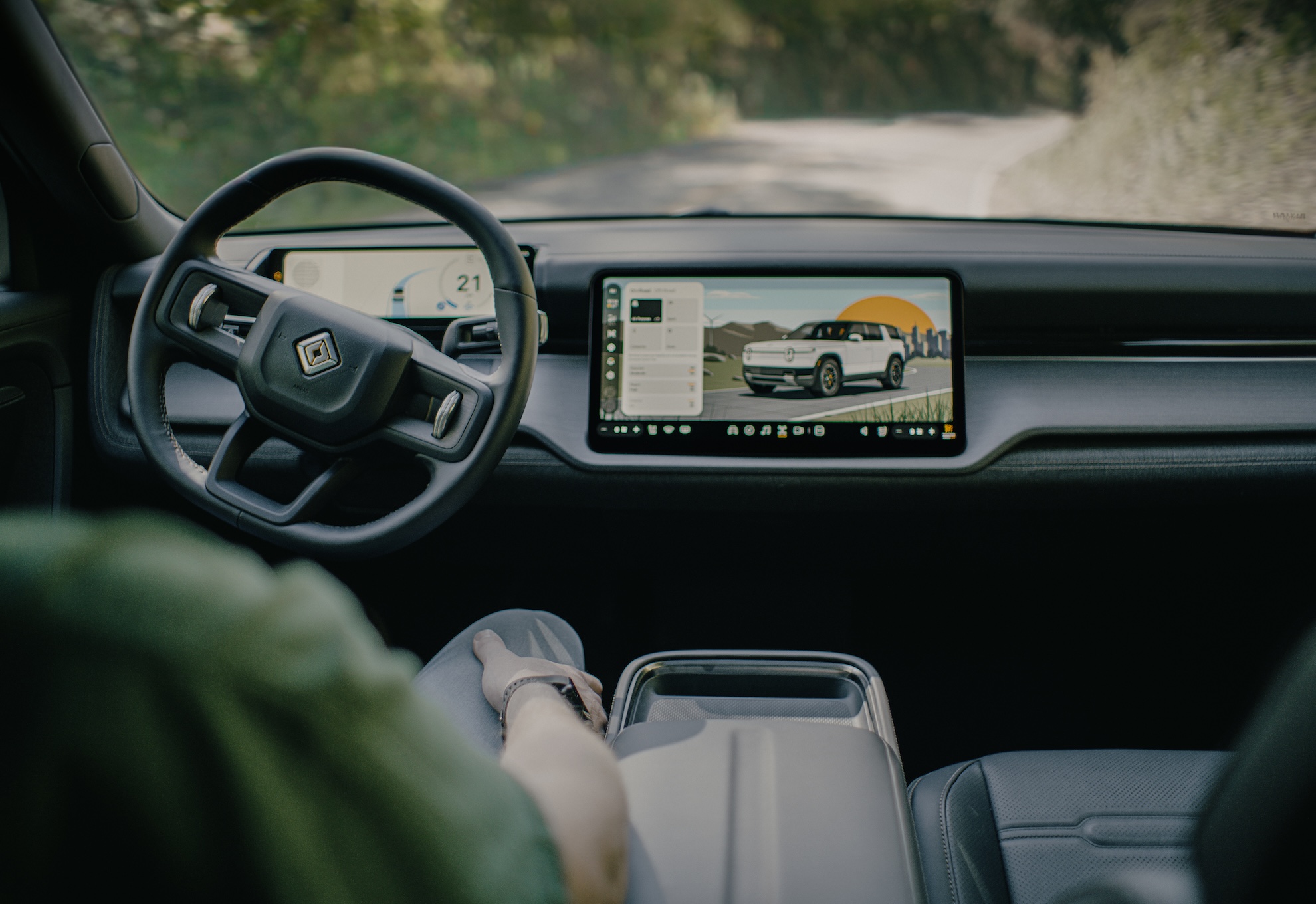
Key enhancements in the vehicle’s core software include performance optimizations and accessibility improvements. A notable addition is the "kneel mode," which lowers the vehicle an additional inch beyond its previous lowest setting. This feature can be particularly useful for easier loading and unloading, or for improving aerodynamics at highway speeds. Another significant update allows drivers to seamlessly toggle between different drive modes without causing the advanced driver assistance system (ADAS) to disengage, enhancing both safety and convenience. Furthermore, a new cold weather indicator has been introduced, visually represented by a blue tint on the battery graphic displayed on the vehicle’s digital screen. This subtle yet informative visual cue helps drivers understand how much energy is being allocated for battery warming, offering better insights into range and efficiency in colder climates.
These comprehensive software updates underscore Rivian’s strategic pivot where software is not merely a supplementary feature but a central product and a significant selling point. In an automotive landscape increasingly defined by digital experiences, a robust and continually evolving software platform is crucial for brand differentiation and customer loyalty. This philosophy has not gone unnoticed by industry giants. In 2024, Rivian forged a substantial $5.8 billion technology joint venture with Volkswagen. This partnership sees Volkswagen investing in Rivian over several years, with the explicit goal of developing software that will be integrated into future VW Group vehicles. This collaboration validates Rivian’s technological prowess and its vision of being a leader in software-defined mobility, extending its influence beyond its own branded vehicles.
Market Impact and the Future of Connected Mobility
The introduction of advanced Apple Watch controls and other software enhancements carries significant market implications for Rivian. In a competitive EV market, features that genuinely enhance user experience and convenience can be powerful differentiators. For Rivian, this move reinforces its image as an innovative, tech-forward brand, appealing to a demographic that values seamless integration of personal electronics with their vehicles. It also demonstrates agility in responding to evolving consumer expectations for connectivity.
From a social and cultural perspective, the increasing reliance on smart devices for vehicle control reflects a broader societal trend towards ubiquitous connectivity and the Internet of Things (IoT). Vehicles are no longer isolated mechanical entities but integrated nodes within a larger digital ecosystem. This shift brings immense convenience but also raises ongoing discussions around cybersecurity, data privacy, and the reliability of digital systems. Rivian, like all automakers, must continually invest in robust security protocols to protect these digital access points.
Looking ahead, the trajectory of connected mobility suggests even deeper integrations. We might see personalized vehicle settings that automatically adjust based on biometric data from wearables, predictive maintenance alerts delivered directly to smart devices, or even augmented reality interfaces that project navigation or vehicle data onto the driver’s field of vision. Rivian’s latest move with the Apple Watch is a clear indicator that the future of driving is not just about electric propulsion, but also about a deeply intelligent, connected, and highly personalized experience, accessible from the devices we carry, or in this case, wear, every day. As software continues to redefine the automotive experience, companies like Rivian are at the forefront, shaping how we interact with our vehicles in increasingly intuitive and convenient ways.






 Azin Asro