Amir Mahmud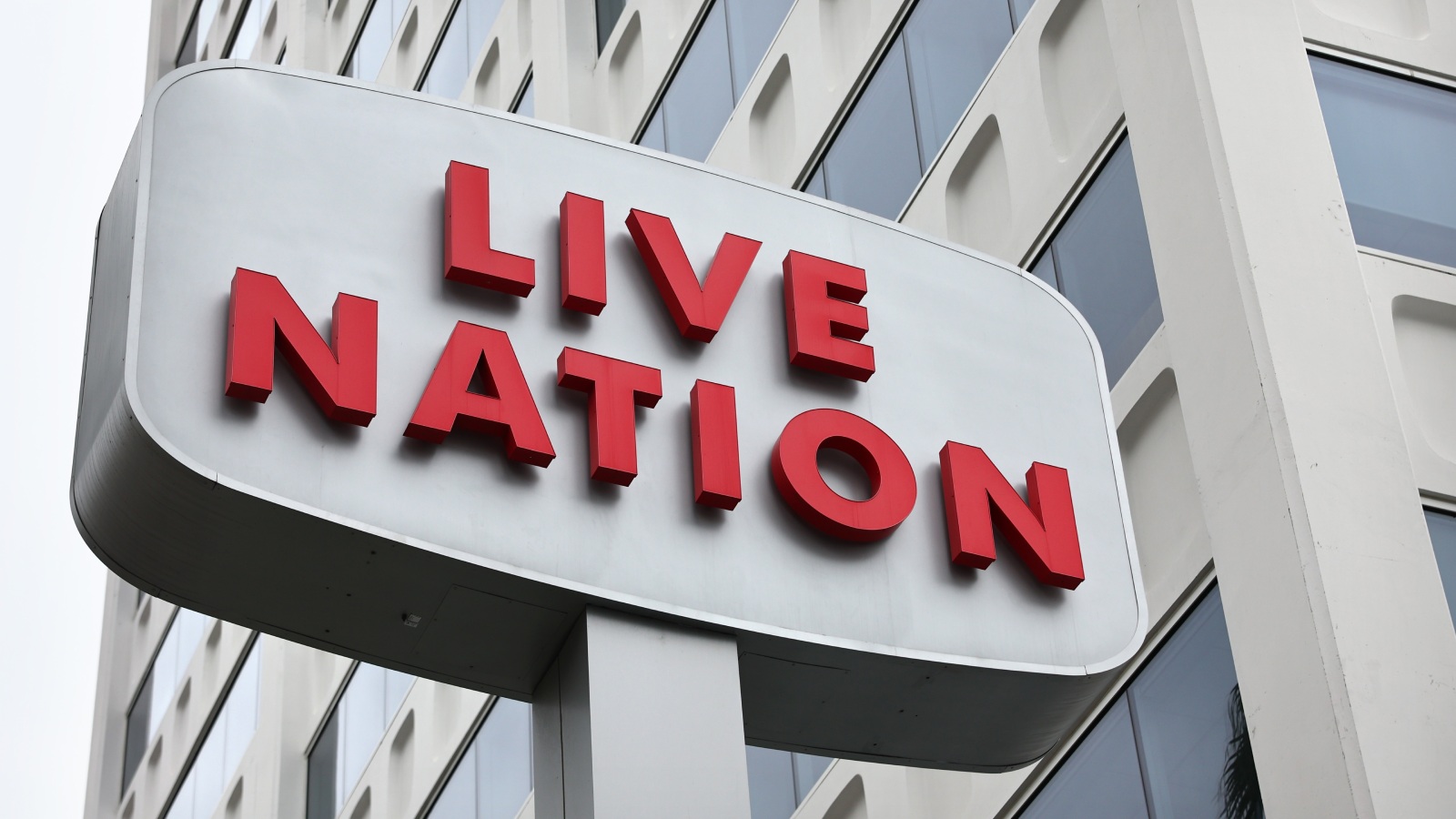
A recent announcement from the U.S. Justice Department indicates a preliminary resolution has been reached in the high-profile antitrust lawsuit against Ticketmaster and its parent company, Live Nation Entertainment. This development, revealed on a Monday, suggests the federal government is not pursuing a complete dissolution of the entertainment giant, a move that has sparked immediate dissent among several state attorneys general involved in the legal challenge. The settlement aims to address concerns about the company’s market dominance, which has been a contentious issue for consumers, artists, and industry stakeholders for years.
The Genesis of a Giant: A Look Back at the 2010 Merger
To fully comprehend the current legal skirmish, it’s essential to revisit the 2010 merger that brought together Live Nation, then the world’s largest concert promoter and venue operator, with Ticketmaster, the leading ticketing services provider. Prior to this consolidation, Ticketmaster, founded in 1976, had already established itself as the dominant force in ticket sales, processing millions of transactions annually for various events. Live Nation, on the other hand, had grown significantly since its spin-off from Clear Channel Communications in 2005, acquiring numerous venues and establishing a formidable presence in concert promotion.
The rationale behind the merger, as presented by the companies at the time, was to create a more efficient and integrated live entertainment experience, offering a "one-stop shop" for artists, venues, and fans. However, critics immediately voiced concerns that combining these two behemoths would create an unprecedented level of vertical integration, potentially stifling competition and leading to monopolistic practices. The Justice Department under the Obama administration approved the merger in 2010, albeit with certain consent decree conditions designed to prevent anti-competitive behavior, such as requiring Live Nation to license its ticketing software to competitors and to divest certain assets. These conditions, many argue, proved insufficient in curbing the merged entity’s market power.
Market Dominance and Consumer Outcry
Today, the combined Live Nation and Ticketmaster wield significant control over the live entertainment ecosystem in the United States. Their operations span artist management, concert promotion, venue ownership and operation, and, crucially, ticket sales. This comprehensive reach means that a vast majority of major touring artists and large-scale venues often find themselves with limited alternatives outside of the Live Nation/Ticketmaster sphere. The company reported selling over 646 million tickets globally last year and promoting more than 54,000 events internationally. Within the U.S., Live Nation owns or operates approximately 150 venues, having invested a substantial $1 billion last year to develop an additional 18 live music spaces. This extensive network solidifies their position, making it challenging for smaller promoters or independent venues to compete effectively for artist bookings or audience attention.
For consumers, this market dominance has translated into a litany of frustrations, most notably centered around dynamic pricing models and the often-exorbitant fees appended to ticket purchases. Dynamic pricing, a system where ticket prices fluctuate based on demand, can drive costs upwards by hundreds, even thousands, of dollars for popular events, often without direct consultation or approval from the artists themselves. Service fees, convenience fees, processing fees, and facility fees frequently add a significant percentage to the face value of a ticket, leading to what many fans perceive as price gouging.
The widely publicized debacle surrounding ticket sales for Taylor Swift’s "Eras Tour" in 2022 served as a flashpoint, galvanizing public and governmental scrutiny. Millions of fans encountered technical glitches, lengthy queues, and astronomical prices, leading to widespread anger and calls for regulatory action. This incident, alongside numerous other complaints from concertgoers regarding major artists like Bruce Springsteen and Harry Styles, propelled the long-simmering discontent into a full-blown national conversation about antitrust issues in the entertainment industry.
The Proposed Settlement and Its Discontents
Under the terms of the tentative settlement with the Justice Department, Live Nation would face a financial penalty of up to $280 million. Additionally, the agreement reportedly mandates the divestiture of at least 13 venues, a measure intended to foster greater competitive opportunities for other promoters and ticketing companies. The precise details of which venues would be divested and the mechanisms for ensuring fair competition remain critical points of discussion.
However, this proposed resolution has been met with strong disapproval from a significant portion of the state attorneys general who initially joined the federal lawsuit. Twenty-six out of the thirty state attorneys general involved have declared their intention to continue their legal challenge against Live Nation, signaling a profound disagreement with the Justice Department’s approach. New York Attorney General Letitia James, a prominent voice in this opposition, issued a statement asserting that the settlement "fails to address the monopoly at the center of this case, and would benefit Live Nation at the expense of consumers." She emphasized that the dissenting states "cannot agree to it," indicating a belief that the proposed remedies are insufficient to dismantle Live Nation’s market power.
Echoing this sentiment, Washington Attorney General Nick Brown stated that the settlement "does not adequately remedy" the fundamental issues faced by concertgoers. He highlighted the concern that "for too long, Live Nation has raked in billions from a monopoly that has made it harder for consumers to see the artists they love, stifled artists, and increased the price of tickets for countless music fans." These statements underscore a core divergence in strategy and philosophy between the federal and state legal teams regarding what constitutes an effective solution to alleged monopolistic practices.
Insights from the Courtroom: A Glimpse into Industry Tactics
Before the tentative settlement was announced, the trial itself offered illuminating, and at times contentious, insights into the operational dynamics of Live Nation and its interactions with other industry players. One particularly notable testimony came from John Abbamondi, the former CEO of the NBA’s Brooklyn Nets and the Barclays Center, the venue where the Nets play. Abbamondi recounted a decision made in 2021 to partner with a different ticketing company, moving away from Ticketmaster’s services.
The courtroom was privy to a recorded phone conversation that transpired between Abbamondi and Live Nation CEO Michael Rapino following this decision. According to reports from the trial, the exchange was described as adversarial and punctuated by expletives. Abbamondi testified to the jury that Rapino made a comment during the call which he interpreted as a "veiled threat — maybe not-so-veiled threat" that Live Nation would consequently reduce the number of concerts it booked at the Barclays Center. This testimony provided a rare public glimpse into the alleged pressures and potential retaliatory tactics that venues might face when attempting to operate outside Live Nation’s integrated ecosystem. Such incidents fuel the arguments of those who believe Live Nation leverages its promotion and venue ownership arms to coerce venues into using Ticketmaster, thus reinforcing its ticketing monopoly.
Broader Implications and the Path Forward
The ongoing legal battle and the divergent opinions on the proposed settlement highlight the complexities of antitrust enforcement in a vertically integrated industry like live entertainment. Critics of Live Nation argue that its control over artist bookings, venue management, and ticketing creates an unfair competitive landscape where rival promoters and ticketing companies struggle to gain traction. This vertical integration, they contend, allows Live Nation to bundle services, effectively locking out competition and driving up prices for consumers.
From a cultural perspective, the market concentration also raises questions about artistic freedom and diversity. Artists, particularly emerging ones, may feel pressured to align with Live Nation to gain access to venues and promotional networks, potentially limiting their creative and business choices. For fans, the impact extends beyond just financial cost; it affects access to live experiences, which are a vital part of cultural life and community building.
The Justice Department’s tentative settlement, while proposing significant penalties and divestitures, appears to fall short of the structural remedies—such as a complete breakup of Live Nation and Ticketmaster—that many antitrust advocates and state attorneys general had hoped for. The debate centers on whether the proposed measures are truly sufficient to inject meaningful competition into the market or if they merely provide a superficial fix that leaves the core monopolistic structure intact.
As the dissenting state attorneys general continue their litigation, the future of Live Nation and Ticketmaster’s market position remains uncertain. The outcome of these ongoing legal challenges will undoubtedly set a precedent for antitrust enforcement in the digital age, particularly for industries characterized by extensive vertical integration. For millions of concertgoers and artists across the nation, the hope is that any final resolution will genuinely foster a more competitive, fair, and accessible live music landscape.