Amir Mahmud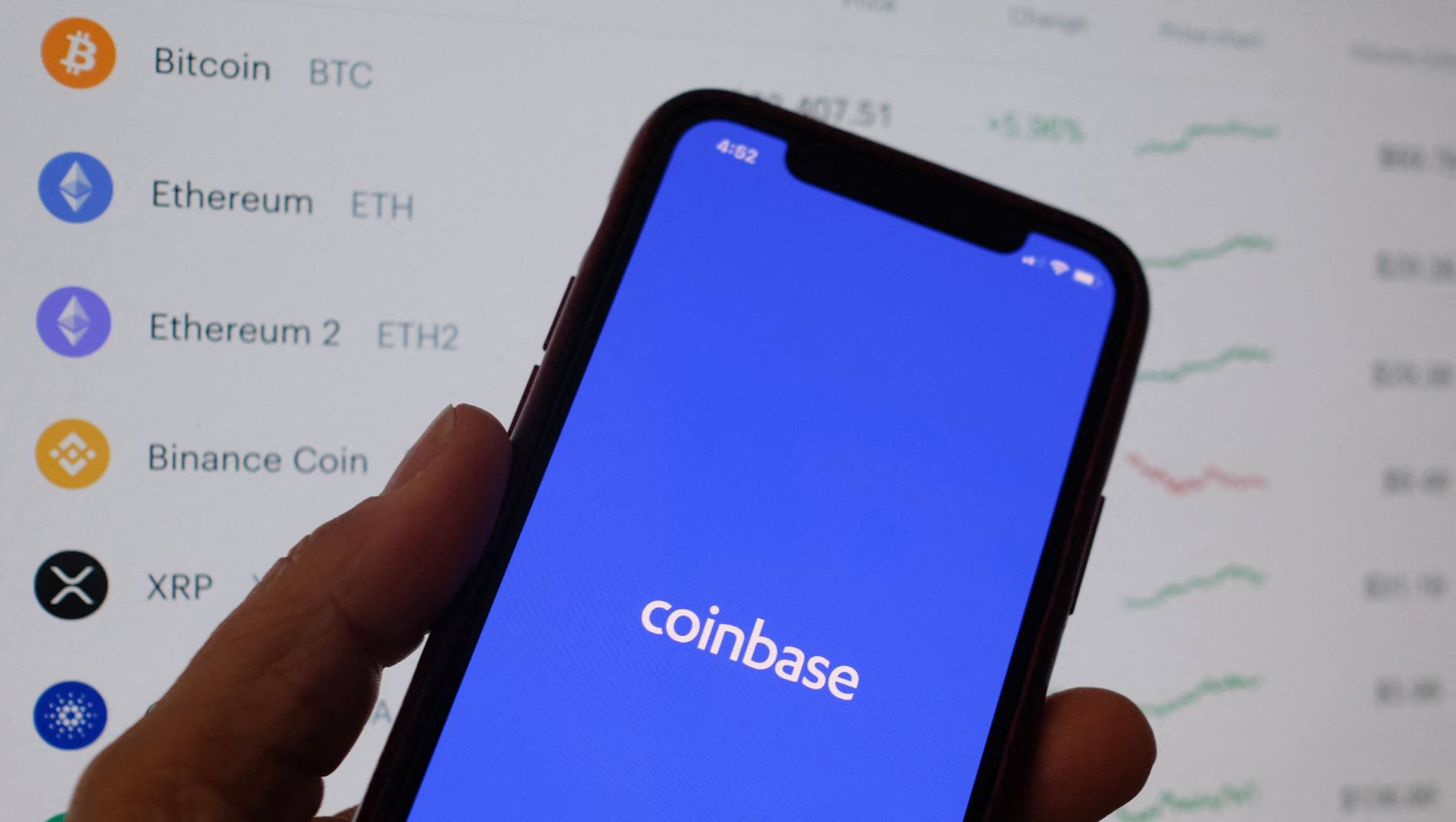
After a hiatus spanning more than two years, global cryptocurrency exchange Coinbase has reactivated its application for user registrations across India. This pivotal move signals a renewed commitment to one of the world’s most promising, yet complex, digital asset markets. While users can currently engage in crypto-to-crypto transactions, the company has articulated ambitious plans to introduce a crucial fiat on-ramp by 2026, a development that would allow Indian users to seamlessly deposit traditional currency and acquire digital assets. This phased re-entry underscores Coinbase’s cautious but determined approach to a market fraught with regulatory ambiguities and a history of operational challenges.
A Tumultuous History: Coinbase’s Initial Foray and Retreat
Coinbase’s journey in India has been anything but smooth. The exchange first attempted a grand entrance into the market in April 2022, only to face immediate headwinds. Within days of its launch, Coinbase was compelled to suspend support for the Unified Payments Interface (UPI), India’s ubiquitous real-time payment network. This abrupt reversal came after the National Payments Corporation of India (NPCI), the entity overseeing UPI, publicly stated it was "not aware" of any crypto exchange using the payment system. This refusal to acknowledge Coinbase’s operations created a significant regulatory grey area, effectively crippling the exchange’s ability to facilitate easy fiat-to-crypto transactions.
The initial launch had been marked by considerable fanfare, with Coinbase CEO Brian Armstrong even visiting India. However, the swift regulatory pushback highlighted the deep-seated caution of Indian financial authorities towards the nascent crypto sector. The lack of clear guidelines and the government’s expressed concerns over money laundering, terror financing, and investor protection created an environment of uncertainty. By late 2023, Coinbase made the drastic decision to cease all services for Indian users, instructing them to offload their digital assets from overseas entities. John O’Loghlen, Coinbase’s APAC director, characterized this move as a deliberate "burning of the boats," a strategic retreat designed to create a "clean slate" for future re-engagement. This was, he acknowledged, a difficult decision for a commercial entity focused on user growth and profitability, but one deemed necessary to align with evolving regulatory expectations.
India’s Evolving Crypto Landscape: A Decade of Uncertainty
Understanding Coinbase’s cautious approach requires delving into India’s long and often contradictory relationship with cryptocurrencies. The narrative began with initial excitement in the early 2010s, followed by growing skepticism from financial regulators. In 2018, the Reserve Bank of India (RBI) issued a circular effectively banning regulated financial institutions from dealing with crypto businesses, sending shockwaves through the nascent industry. Many exchanges were forced to shut down or move operations overseas.
However, a landmark decision by the Supreme Court of India in March 2020 overturned the RBI’s ban, citing it as unconstitutional. This ruling breathed new life into the Indian crypto market, leading to a surge in trading volumes and user adoption. Local exchanges like WazirX, CoinDCX, and ZebPay saw unprecedented growth, attracting millions of new investors during the global crypto bull run of 2020-2021. This period also saw significant venture capital interest in Indian crypto startups, including investments from global players like Coinbase Ventures.
Despite the Supreme Court’s intervention, regulatory clarity remained elusive. The government continued to express concerns, and discussions around a potential blanket ban persisted for years. This environment of uncertainty, coupled with the absence of a dedicated legal framework, made it challenging for both domestic and international crypto entities to operate with confidence.
The Road to Re-engagement: Compliance and Registration
Coinbase’s current re-entry is built upon a foundation of proactive engagement with Indian regulatory bodies. A crucial step in this process was the company’s registration with the Financial Intelligence Unit (FIU) this year. The FIU is India’s central national agency responsible for receiving, processing, analyzing, and disseminating information relating to suspicious financial transactions under the Prevention of Money Laundering Act (PMLA). For a crypto exchange, FIU registration signifies compliance with stringent anti-money laundering (AML) and combating the financing of terrorism (CFT) norms, a critical requirement for operating legally within India’s financial ecosystem.
This registration demonstrates Coinbase’s commitment to adhering to India’s regulatory framework, which classifies cryptocurrencies as "virtual digital assets" (VDAs). After securing this registration, Coinbase initiated an early access program for users in October, gradually expanding access before making its app available to all Indian users. This phased rollout reflects a deliberate strategy to ensure compliance and build a robust, legally sound operational base before scaling up.
The Allure of India: A Digital Goldmine with Regulatory Potholes
Despite the significant regulatory hurdles, India remains an irresistible market for global internet and technology companies, and crypto is no exception. With over 800 million internet users, it boasts the world’s second-largest online population, characterized by a young, tech-savvy demographic rapidly adopting digital services. The success of digital payment systems like UPI, which processes billions of transactions monthly, showcases India’s readiness for digital financial innovation.
For the crypto industry, this translates into immense potential. Reports from various analytics firms consistently highlight India as one of the top countries in terms of crypto adoption, even amidst regulatory pressures. While the primary use cases often revolve around speculative trading, there’s a growing interest in cryptocurrencies for remittances, as a hedge against inflation, and as an alternative asset class, echoing India’s long-standing cultural affinity for physical gold.
However, the path to tapping this potential is paved with unique challenges, particularly concerning taxation. India imposes a steep 30% tax on all crypto income, irrespective of the holding period, and notably, without allowing any offset for losses incurred in other crypto transactions. This provision has been widely criticized by industry participants for discouraging legitimate trading and stifling innovation. Furthermore, a 1% Tax Deducted at Source (TDS) is levied on every crypto transaction exceeding a certain threshold, regardless of profit or loss. This 1% TDS impacts liquidity, increases transaction costs, and creates a significant disincentive for frequent trading, potentially pushing users towards peer-to-peer (P2P) transactions or less regulated platforms.
O’Loghlen expressed hope that the Indian government would eventually relax these taxation norms, making it less burdensome for individuals to engage with digital assets. A more favorable tax regime, potentially allowing loss offsets or a tiered tax structure, could unlock greater market participation and foster a more vibrant, compliant crypto ecosystem.
Coinbase’s Strategic Long Game: Investment and Infrastructure
Coinbase’s commitment to India extends beyond just re-opening its app. Its venture capital arm, Coinbase Ventures, has continued to invest significantly in the local ecosystem. A notable example is its boosted investment in Indian crypto exchange CoinDCX, valuing the company at an impressive $2.45 billion post-money. Such investments signal a long-term belief in the Indian market’s underlying potential and could also represent strategic partnerships or hedging against future regulatory shifts.
Furthermore, Coinbase plans to expand its existing team of over 500 employees in India. This hiring drive, targeting roles focused on both local market needs and global operations, indicates India’s growing importance not only as a consumer market but also as a talent hub for engineering and development. This dual focus suggests that Coinbase views India as a strategic pillar in its global expansion, leveraging its skilled workforce while simultaneously building out its local presence.
The company’s vision for a 2026 fiat on-ramp is crucial. The absence of a direct, easy way to convert Indian Rupees into crypto has been a major impediment to mass adoption. By promising this feature, Coinbase aims to remove a significant barrier to entry, making it as simple to buy crypto as it is to use other popular Indian "super apps" like Zepto or Flipkart. O’Loghlen emphasized the importance of a "really nice UI, a trusted experience that allows you to on board in a matter of minutes" to reach the masses, highlighting user experience and trust as paramount in a market where confidence has been shaken by past regulatory uncertainties.
Broader Impact and Future Outlook
Coinbase’s strategic return is not just about one company; it reflects a broader global trend of crypto entities seeking to establish a foothold in major emerging economies. India’s stance on crypto also holds significant weight on the international stage, particularly given its recent presidency of the G20, where discussions on global crypto regulations were a key agenda item. The Indian government’s emphasis on a coordinated global regulatory framework for cryptocurrencies underscores its cautious approach, aiming to balance innovation with financial stability and investor protection.
The tension between fostering innovation in the digital asset space and mitigating perceived risks remains a central theme. As global trends like the approval of spot Bitcoin ETFs in major markets signal increasing institutional acceptance, India faces renewed pressure to create a clear, predictable regulatory environment. Coinbase’s re-entry, with its commitment to compliance and a long-term vision, could serve as a bellwether for how other international players approach the Indian market.
Ultimately, Coinbase’s journey in India is a testament to the immense potential of the market juxtaposed with the inherent complexities of navigating an evolving regulatory landscape. The path ahead, particularly towards the much-anticipated fiat on-ramp in 2026, will be closely watched by the industry as a critical indicator of India’s future as a global hub for digital assets. The success of Coinbase’s "clean slate" strategy will largely depend on its ability to build trust, offer a seamless user experience, and, crucially, on the Indian government’s willingness to foster a more predictable and supportive regulatory environment for the digital asset economy.