Amir Mahmud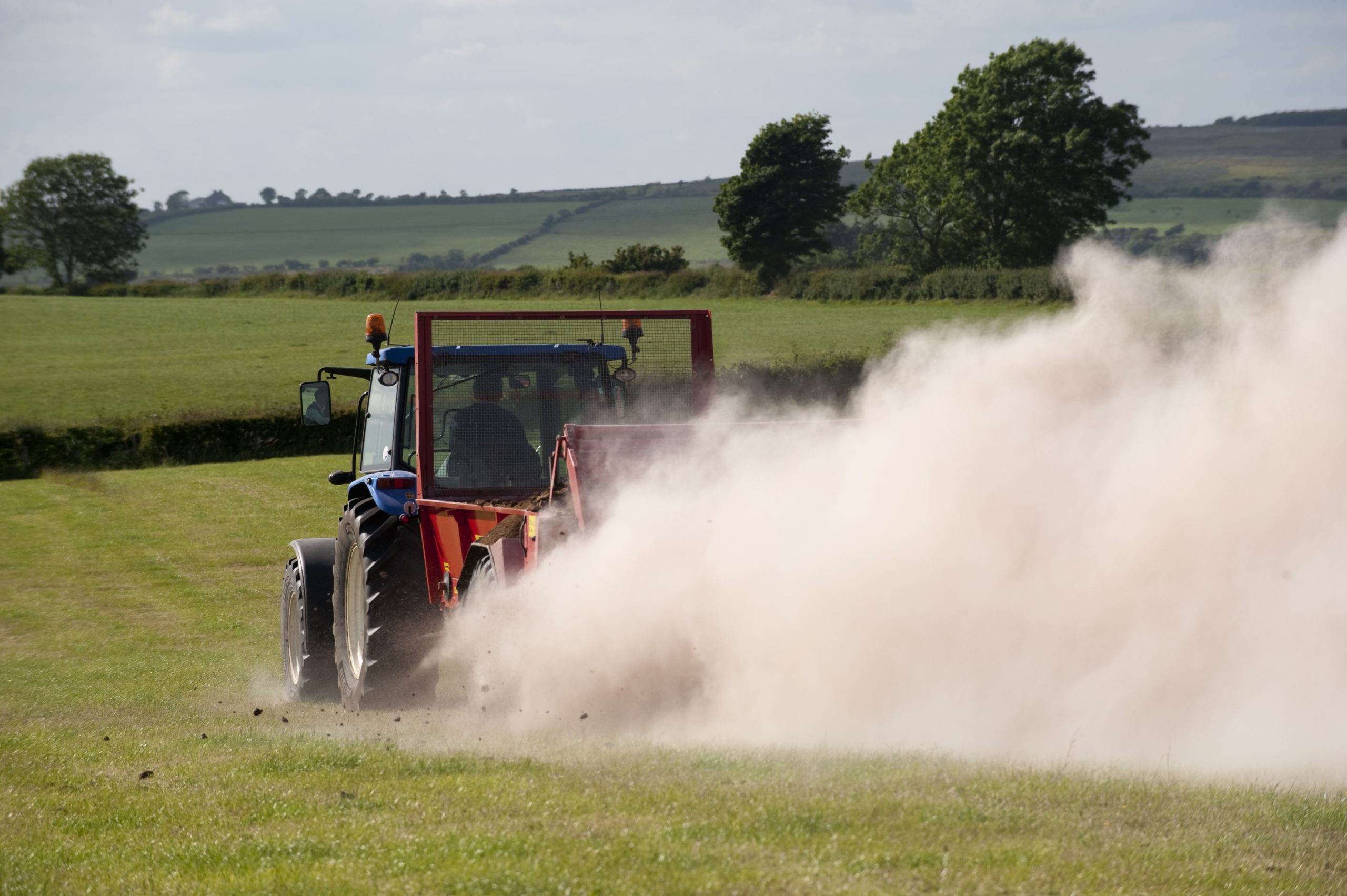
In a significant move signaling the evolving dynamics of the nascent carbon removal industry, Terradot, a company focused on atmospheric carbon capture, has announced its acquisition of competitor Eion. This strategic consolidation underscores the growing imperative for scale and operational efficiency within the climate technology sector, particularly for solutions aimed at mitigating greenhouse gas concentrations. The acquisition, finalized recently, brings together two prominent players in the enhanced rock weathering (ERW) space, a technology leveraging natural geological processes to sequester carbon dioxide.
The Imperative of Carbon Dioxide Removal
The global scientific consensus, as articulated by bodies like the Intergovernmental Panel on Climate Change (IPCC), unequivocally states that achieving net-zero emissions by mid-century is critical to averting the most catastrophic impacts of climate change. Beyond aggressively reducing new emissions, carbon dioxide removal (CDR) technologies are increasingly recognized as indispensable tools in the climate mitigation toolkit. These technologies actively pull existing CO2 from the atmosphere and lock it away, either geologically, biologically, or chemically. The portfolio of CDR solutions is diverse, encompassing direct air capture (DAC), bioenergy with carbon capture and storage (BECCS), biochar, afforestation/reforestation, and ocean-based approaches, alongside enhanced rock weathering. The urgency driving investment and innovation in CDR stems from the understanding that historical and persistent emissions have already pushed atmospheric CO2 levels far beyond safe thresholds, necessitating active intervention to reverse the trend.
Unpacking Enhanced Rock Weathering Technology
Enhanced rock weathering (ERW) is a nature-inspired carbon removal method that accelerates a geological process where silicate rocks naturally react with atmospheric carbon dioxide and water, forming bicarbonates that are eventually transported to the oceans and stored as stable carbonates. Companies like Terradot and Eion facilitate this process by pulverizing specific types of rocks, such as basalt or olivine, into fine dust and spreading them over agricultural lands. This finely ground material vastly increases the surface area available for chemical reactions, thus speeding up the natural weathering process by thousands of years. As the rocks react with CO2 dissolved in rainwater, they effectively draw carbon out of the atmosphere.
The appeal of ERW lies in its potential for large-scale deployment and its integration with existing land use, particularly agriculture. Farmers, who already work with soil amendments, can incorporate rock dust into their practices. This method not only offers a pathway for carbon removal but also holds potential co-benefits for soil health, nutrient availability, and agricultural productivity, depending on the rock type and application. However, the logistical challenges are considerable, involving sourcing, grinding, transporting, and distributing massive quantities of rock material, along with rigorous monitoring, reporting, and verification (MRV) protocols to ensure permanence and quantify carbon removal accurately.
Driving Forces Behind Industry Mergers
The decision for Eion to join Terradot was primarily driven by the need for increased operational scale, a sentiment echoed by Eion CEO Anastasia Pavlovic Hans in recent commentary. Large institutional investors, including sovereign wealth funds and major corporations seeking substantial carbon removal contracts, prioritize partners capable of delivering at significant volumes. Smaller entities, while potentially innovative, often struggle to meet the demands for scale, robust supply chains, and comprehensive MRV systems required for such large-scale engagements. The consolidation represents a strategic maneuver to pool resources, intellectual property, and operational footprints, thereby enhancing the combined entity’s capacity to undertake larger projects and attract more substantial commitments from institutional buyers.
Terradot, with its operational base predominantly in Brazil and a focus on basalt, and Eion, which has been active in the U.S. utilizing olivine, bring complementary geographic and mineral expertise to the merged entity. This synergy allows for a diversified approach to rock sourcing and application, potentially mitigating supply chain risks and optimizing the carbon removal process across different geological and climatic conditions. The combined operations are expected to leverage best practices from both organizations, accelerating the development of a more robust and scalable ERW solution.
The Role of Major Corporate Backing
The carbon removal market, while still in its infancy, has been significantly galvanized by commitments from some of the world’s largest technology companies. Terradot’s investor roster notably includes giants like Google and Microsoft, alongside venture capital firms such as Gigascale Capital and Kleiner Perkins. Eion also garnered support from investors like AgFunder, Mercator Partners, and Overture. This high-profile backing serves multiple purposes: it provides crucial early-stage capital, lends credibility to the technology, and signals a long-term commitment from influential players to develop and scale climate solutions.
These corporate commitments are often tied to ambitious net-zero pledges, where companies commit to not only reducing their own emissions but also actively removing an equivalent amount of historical and residual carbon from the atmosphere. Companies like Microsoft have pledged to be carbon negative by 2030, meaning they will remove more carbon than they emit, and to remove all their historical emissions by 2050. Google has similar aspirations. Such pledges create a significant demand signal for verifiable, durable carbon removal, fostering an ecosystem where startups can secure anchor clients and attract further investment. The acquisition by Terradot, with its strong financial and strategic backing, is a direct response to this demand, aiming to build a provider capable of meeting the extensive carbon removal needs of these forward-thinking corporations and others.
Navigating Market Realities and Future Outlook
Despite the promise of ERW, the carbon removal market faces several inherent challenges. A key hurdle highlighted by surveys, such as one conducted by CDR.fyi, is the substantial gap between what ERW companies need to charge to cover their costs and achieve profitability, and what buyers are currently willing to pay for carbon removal credits. This pricing discrepancy reflects the nascent stage of the market, where technologies are still expensive to deploy at scale, and the value proposition of carbon removal is still being fully integrated into corporate balance sheets and regulatory frameworks. Consolidation, like the Terradot-Eion deal, is often seen as a mechanism to drive down costs through economies of scale, optimize operations, and streamline market offerings, potentially narrowing this price gap over time.
Furthermore, the robustness of monitoring, reporting, and verification (MRV) systems remains paramount. For carbon credits to be credible and valuable, buyers need assurance that the promised carbon removal is real, additional, permanent, and accurately quantified. Developing standardized and cost-effective MRV protocols for ERW, which involves complex geochemical processes in diverse agricultural settings, is an ongoing area of research and development. The merged entity will likely focus on strengthening these capabilities to enhance market confidence and command higher prices for its carbon removal credits.
The social and cultural impact of ERW also warrants consideration. Engaging farming communities is essential for large-scale deployment, requiring transparent communication about the benefits and any potential impacts on soil, water quality, and agricultural practices. The sourcing and processing of rock materials also raise questions about responsible mining practices, transportation emissions, and regional economic development. As the ERW sector matures, addressing these multifaceted challenges will be critical for its long-term viability and public acceptance.
Looking ahead, this acquisition represents more than just a corporate transaction; it signifies a maturing phase in the carbon removal industry. As the world grapples with the escalating climate crisis, innovative solutions like enhanced rock weathering are moving from niche scientific endeavors to scalable commercial enterprises. The consolidation trend is likely to continue as companies vie for market leadership, operational efficiency, and the ability to meet the monumental challenge of atmospheric carbon reduction. The combined strength of Terradot and Eion, supported by formidable investors, positions them to play a significant role in defining the future landscape of climate action, demonstrating how strategic alignment can accelerate the deployment of essential climate technologies.