Amir Mahmud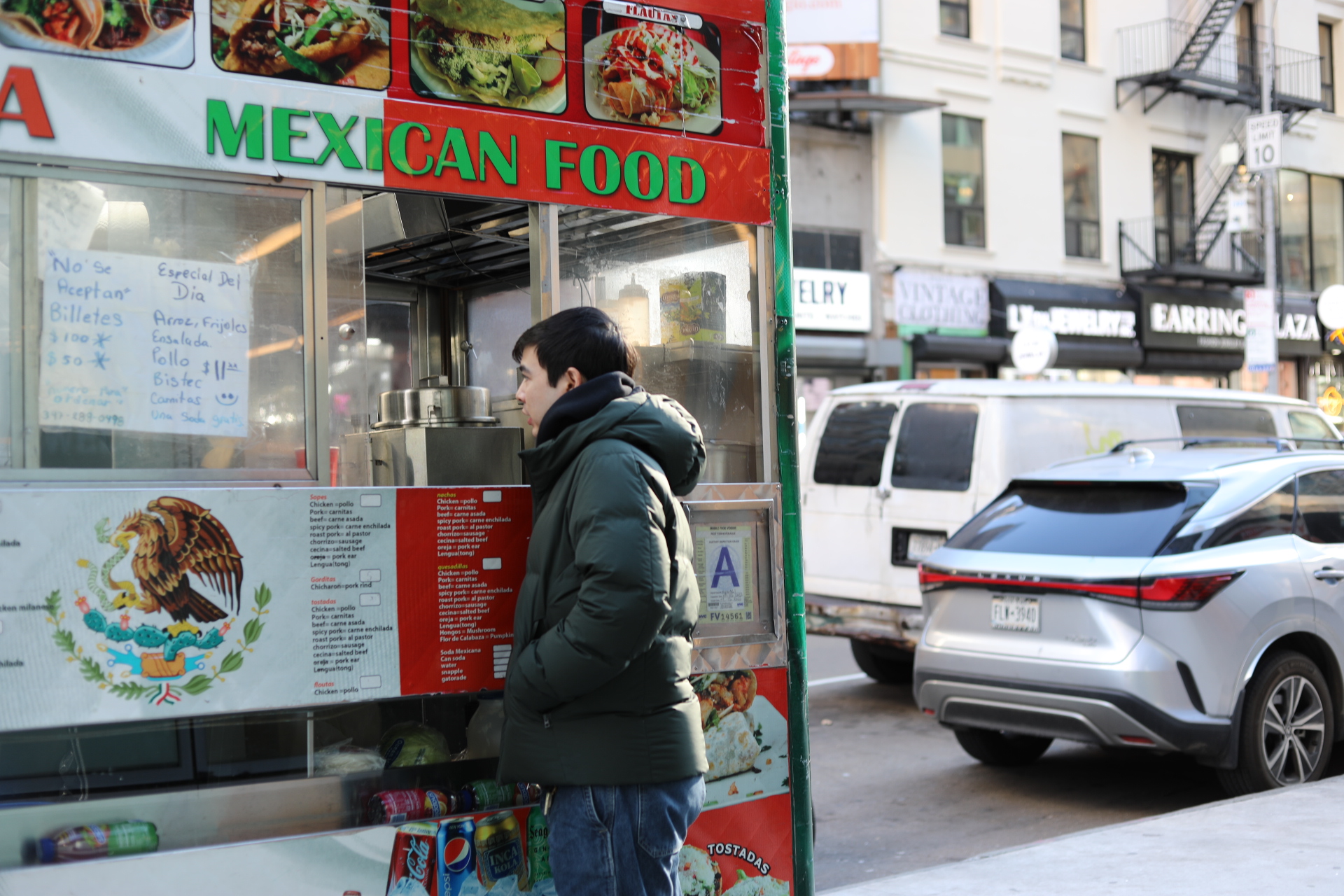
New York City’s vibrant street food scene, a mosaic of global flavors from sizzling tacos to aromatic falafel, has long been powered by the ubiquitous presence of mobile vendor carts. These culinary hubs, integral to the city’s identity and daily rhythm, have traditionally relied on gasoline-powered generators to keep their operations running, illuminating their displays and powering ancillary equipment. While the aromas of freshly prepared meals entice passersby, the constant hum and pungent exhaust fumes emanating from these generators have presented a persistent challenge, impacting urban air quality, generating noise pollution, and detracting from the overall public experience.
Addressing a Lingering Urban Challenge
For decades, the distinct thrum and diesel scent of generators have been an unavoidable byproduct of street vending in many urban centers, including New York. These devices, essential for powering lights, refrigeration units, and card readers on carts that are not directly connected to the electrical grid, contribute significantly to localized air pollution. Emissions include particulate matter, nitrogen oxides, and volatile organic compounds, all of which are known to have adverse effects on respiratory health and contribute to smog formation. Beyond the environmental and health concerns, the incessant mechanical noise further degrades the urban soundscape, impacting both residents and the vendors themselves.
The sheer scale of street vending in New York City amplifies this issue. With thousands of licensed vendors operating daily across the five boroughs, the collective impact of these individual generators is substantial. Efforts to mitigate this environmental footprint have gained traction over recent years, with city authorities and environmental advocates exploring cleaner alternatives. The push for decarbonization within various urban sectors has naturally extended to mobile food operations, recognizing them as a visible and accessible area for sustainable innovation. This context set the stage for a novel approach to an age-old problem.
From E-Bikes to Food Carts: An Innovative Pivot
Enter PopWheels, a Brooklyn-based startup initially focused on providing swappable battery solutions for the city’s burgeoning fleet of e-bike delivery workers. The company’s genesis was rooted in addressing the logistical and safety challenges faced by gig economy riders, particularly the frequent need for charging and the alarming rise in e-bike battery fires that plagued New York City a few years prior. PopWheels developed robust, fire-safe charging cabinets and a subscription-based model, offering unlimited battery swaps for a monthly fee. This infrastructure quickly created a decentralized network, empowering delivery workers with reliable, cost-effective power.
David Hammer, co-founder and CEO of PopWheels, recounts the initial venture into food cart electrification as an exploratory "20% project" – a nod to the famed Google policy that encourages employees to spend a portion of their time on passion projects. What began as a speculative idea last summer quickly evolved into a tangible solution. The team, whose primary business revolved around portable power for electric bicycles, recognized the inherent modularity and convenience of their battery packs. The question shifted from "Are these the perfect energy source?" to "Can we effectively solve the distribution and charging problem?" – a challenge they had already largely overcome for e-bikes.
The realization that their existing battery-swapping infrastructure could be adapted for a new application was catalyzed by an article detailing New York City’s initiatives to decarbonize its food cart sector. This sparked an internal assessment at PopWheels, prompting them to crunch the numbers. Gasoline generators, used primarily for lights and auxiliary power (cooking is typically propane-based), cost food cart operators approximately $10 per day. Intriguingly, this figure aligned closely with the potential daily cost of subscribing to a set of PopWheels batteries. Their calculations indicated that four of their standard battery packs could collectively supply around five kilowatt-hours of electricity, sufficient for the lower-end power demands of a typical food cart. For higher demands or extended operating hours, the established swapping network offered a convenient solution for midday power replenishment.
The Mechanics of Swappable Power
PopWheels’ operational model for e-bikes is built on a network of approximately 30 charging cabinets strategically located across Manhattan. These cabinets are designed to securely house and charge up to 16 batteries each, engineered with advanced fire suppression systems to mitigate risks associated with lithium-ion battery charging. This safety feature was a cornerstone of PopWheels’ founding mission, directly addressing a critical public safety concern in the city. The cabinets, which draw power comparable to a Level 2 electric vehicle charger, are installed in retrofit small open spaces, often parking lots, equipped with necessary electrical connections.
For e-bike delivery workers, this system provides a compelling alternative to traditional charging methods. Many workers commute long distances and require multiple batteries to complete a full day’s work. Prior to PopWheels, a common solution involved paying bodegas around $100 per month for charging services, a cost that, when combined with battery wear and tear, could amount to nearly $2,000 annually. PopWheels offers unlimited access to its network for $75 per month, representing significant immediate savings and reducing the financial burden on gig economy workers. The company’s growing popularity is evident in its substantial waitlist.
Adapting this proven system to food carts involved designing a prototype adapter to seamlessly connect their e-bike battery packs to a cart’s electrical system. The initial proof-of-concept demonstration took place at a small event during last year’s New York Climate Week at the Brooklyn Navy Yard. This preliminary success led to a more extensive collaboration with the non-profit Street Vendor Project, an advocacy group for street vendors. The culmination of these efforts was a full-day demonstration with La Chona Mexican, a food cart operating at the bustling intersection of 30th Street and Broadway in Manhattan. This trial marked the first instance of PopWheels batteries powering a food cart for an entire operational day, signaling a significant milestone in sustainable urban vending.
Broader Implications: Environment, Economy, and Urban Life
The successful integration of swappable battery technology into New York City’s food cart ecosystem carries profound implications across environmental, economic, and social dimensions. Environmentally, the transition from gasoline generators to electric batteries promises a substantial reduction in localized air pollution and greenhouse gas emissions. This aligns with broader municipal goals for improving urban air quality and combating climate change. The elimination of exhaust fumes directly benefits vendors, customers, and nearby residents by fostering a cleaner, healthier street environment.
Economically, the "cost-neutral" proposition articulated by Hammer is a critical selling point for vendors. If PopWheels can offer a power solution that matches or even slightly undercuts the daily expenditure on gasoline, while simultaneously eliminating the need for generator maintenance and fuel procurement logistics, it presents a compelling value proposition. For many street vendors, who operate on thin margins, any operational cost saving can significantly impact their livelihood. Furthermore, this innovation could catalyze the development of a new micro-grid energy infrastructure model, demonstrating how decentralized, modular power solutions can support small businesses in dense urban environments.
Socially and culturally, the impact is equally significant. The most immediate and noticeable change is the dramatic reduction in noise pollution. The absence of a generator’s persistent drone transforms the immediate vicinity of a food cart into a quieter, more pleasant space for both vendors and patrons. This enhances the overall quality of life in urban areas, making street dining a more enjoyable and less intrusive experience. For vendors, a quieter workspace can reduce stress and facilitate better interaction with customers. Moreover, adopting cleaner energy solutions contributes to a modern, progressive image for the city’s iconic street food culture, showcasing its adaptability and commitment to sustainability.
Scaling Up and Looking Ahead
PopWheels, having secured a $2.3 million seed round in 2025, is poised for aggressive expansion of its food cart electrification initiative. Hammer stated intentions for a widespread rollout starting this summer, driven by the overwhelmingly positive feedback from the initial trials. "I had multiple food cart owners come up to me and say, ‘Wait, there’s no noise with this cart. What are you guys doing? Can I get this?’" Hammer recounted, highlighting the immediate appreciation for the quiet operation.
The long-term vision extends beyond merely replacing generators. Hammer believes that by building "urban-scale, fire-safe battery swapping infrastructure," PopWheels is creating a foundational layer that can support a multitude of urban applications. This modular and flexible approach to energy distribution could potentially power other mobile businesses, temporary event installations, or even contribute to grid resilience in localized areas.
However, scaling such an ambitious project will undoubtedly come with its own set of challenges. Expanding the network of charging cabinets, managing battery inventory, and ensuring consistent service for a rapidly growing user base will require robust logistical planning and significant capital investment. Regulatory frameworks, while increasingly supportive of green initiatives, may also need to adapt to accommodate this new form of mobile energy infrastructure. Despite these hurdles, the pilot with La Chona Mexican stands as a compelling testament to the viability and desirability of a silent, emission-free future for New York City’s beloved street food carts, promising a cleaner, quieter, and more sustainable urban culinary landscape.