Amir Mahmud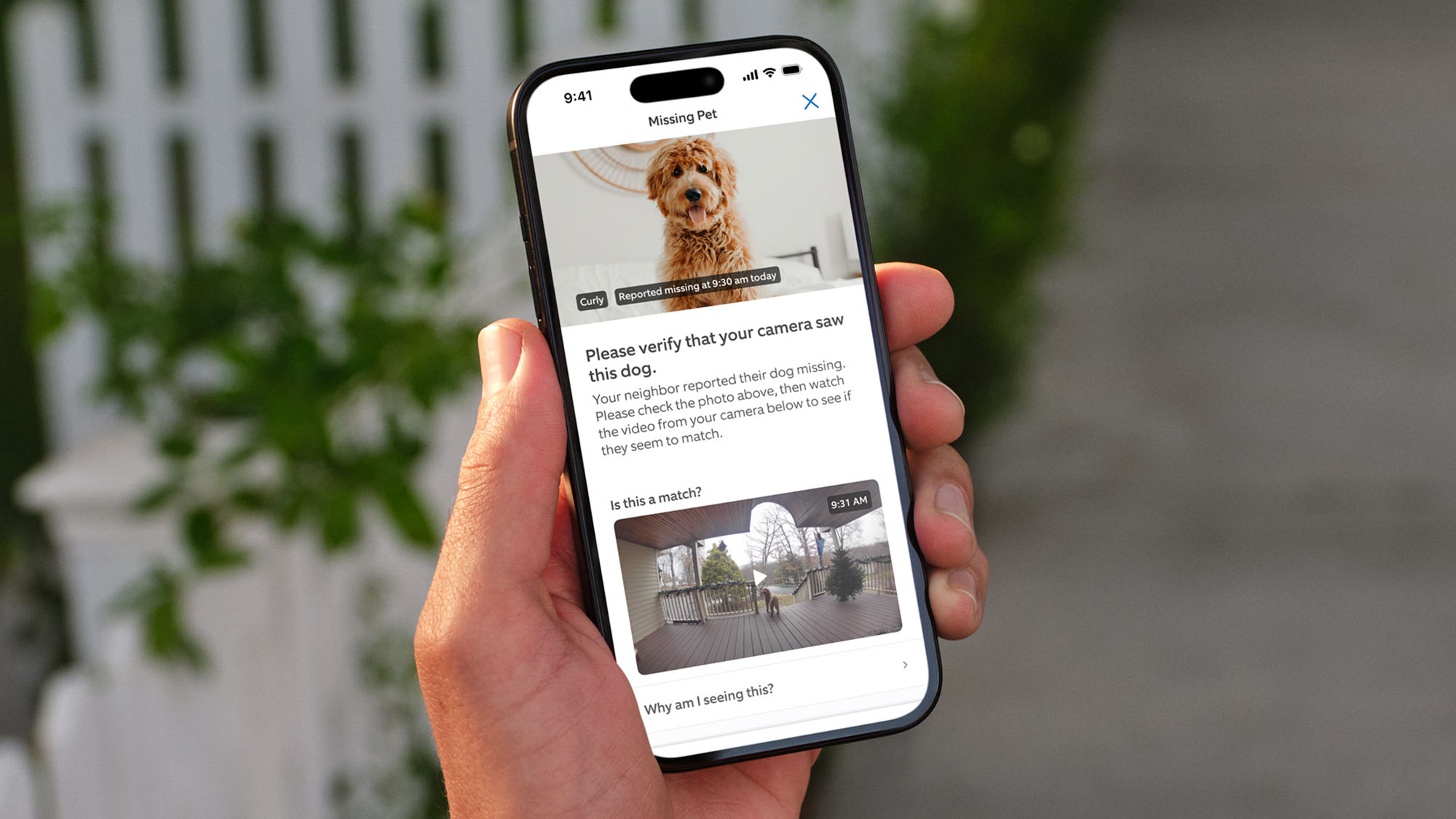
In a significant expansion of its community-focused initiatives, Ring, the Amazon-owned smart home security company, has made its artificial intelligence-powered "Search Party" feature accessible to all residents across the United States, including those who do not own a Ring camera. This strategic move, announced on February 2, 2026, marks a pivotal shift, transforming a proprietary tool into a widely available resource aimed at reuniting lost dogs with their families more efficiently. The expansion underscores a growing trend among technology companies to leverage vast user networks and advanced AI capabilities for social good, moving beyond traditional product functionalities.
The Genesis of Search Party: A Technological Lifeline
The "Search Party" feature, initially launched in the fall of 2025, represents a novel application of AI in the realm of community safety and pet welfare. At its core, the system utilizes sophisticated artificial intelligence algorithms to scan video footage from Ring’s extensive network of outdoor security cameras. When a dog owner reports their pet missing through the Ring app, the system initiates a digital "search party," deploying its AI to analyze recordings from nearby cameras for potential sightings of the reported animal. This innovative approach seeks to harness the omnipresence of smart home surveillance devices to address a deeply emotional and common problem: lost pets.
The operational mechanics are designed with user privacy and engagement in mind. Should the AI identify a potential match in a neighbor’s camera footage, the camera owner receives an alert. This alert prompts them to review the relevant video clip. Critically, the camera owner maintains full control over whether to share this footage with the individual who reported the lost pet. They also have the option to communicate directly with the owner, either by calling or messaging, without revealing their personal phone number. This opt-in sharing mechanism is crucial for maintaining trust within the community network, particularly given past discussions around data privacy and access to Ring footage. Ring proudly states that since its inception, the Search Party feature has facilitated the reunion of more than one dog per day, highlighting its immediate impact.
Ring’s Evolution: From Doorbell to Digital Neighborhood Watch
Ring’s journey began over a decade ago with a simple yet revolutionary concept: a video doorbell. Founded by Jamie Siminoff, the company quickly expanded its product line to include a range of indoor and outdoor security cameras, floodlight cameras, and alarm systems, evolving into a comprehensive smart home security ecosystem. The acquisition by Amazon in 2018 significantly amplified its reach and resources, integrating Ring deeper into the smart home landscape alongside Amazon’s Alexa-enabled devices.
A cornerstone of Ring’s strategy has always been the cultivation of a community network, exemplified by its "Neighbors" app. Launched in 2018, the Neighbors app serves as a digital forum where Ring users can share real-time crime and safety alerts, post videos, and engage with local law enforcement agencies. This platform essentially digitized the concept of a neighborhood watch, fostering a sense of collective security and vigilance among residents. The "Search Party" feature is a natural extension of this community-centric philosophy, repurposing the existing infrastructure and user base for a new, compassionate purpose. The initial rollout of Search Party was exclusive to Ring camera owners, leveraging their active participation in the Neighbors network. The current expansion to include non-camera owners, however, broadens the potential impact exponentially, inviting an even larger segment of the public to contribute to pet recovery efforts.
The Social Fabric of Pet Ownership and Loss
The decision to expand Search Party to all U.S. residents taps into a profound aspect of American culture: the deep emotional bond with companion animals. Pet ownership is widespread, with millions of households considering their pets as integral family members. Consequently, the loss of a pet can be a deeply traumatic experience, often likened to losing a child. Statistics consistently highlight the sobering reality: while millions of pets go missing each year, a significant percentage are never reunited with their owners. Traditional methods of finding lost pets—posters, social media groups, visits to local shelters—are often effective but can be time-consuming, geographically limited, and emotionally draining.
The introduction and expansion of "Search Party" represent a technological leap forward in addressing this pervasive issue. By harnessing the collective power of a distributed camera network and advanced AI, it offers a novel mechanism to overcome some of the inherent limitations of traditional search methods. The feature’s ability to scan footage across a wide area in a short amount of time provides a level of efficiency and coverage previously unattainable for individual pet owners. Moreover, it transforms passive security cameras into active tools for community assistance, redefining their utility beyond just deterring crime. This initiative has the potential to significantly reduce the emotional distress associated with a lost pet, offering a glimmer of hope and a practical tool during a difficult time.
Neutral Analysis: Balancing Innovation with Privacy Considerations
While the "Search Party" feature offers compelling benefits, its reliance on a vast network of surveillance cameras inevitably invites scrutiny regarding privacy and data utilization. Ring has, in the past, faced criticism and public debate concerning its data-sharing practices with law enforcement and the potential for surveillance creep. The company has since implemented stricter protocols, emphasizing user control and transparency.
In the context of "Search Party," Ring has designed the feature with explicit opt-in mechanisms for sharing footage. Camera owners must actively choose to review and then share clips; no footage is automatically sent to the reporting party. Furthermore, direct contact between neighbors is facilitated through the app, protecting personal phone numbers. This architecture attempts to strike a balance: leveraging the power of collective surveillance for a beneficial cause while giving individual users agency over their data.
However, the expansion to non-camera owners, while increasing the feature’s utility, also raises questions about data acquisition and consent. While non-owners are primarily reporting lost pets and receiving potential matches, the underlying system still relies on the data collected by Ring cameras. For those concerned about the proliferation of surveillance technology, even for benevolent purposes, the expansion of such a network’s influence might be viewed with caution. Neutral analytical commentary suggests that ongoing transparency from Ring about its data handling, clear user agreements, and continuous engagement with privacy advocates will be essential to maintain public trust as these features become more integrated into daily life.
Corporate Philanthropy and Community Empowerment
Alongside the feature’s expansion, Ring announced a significant philanthropic commitment: a $1 million investment aimed at equipping 4,000 U.S. animal shelters with Ring camera systems. This initiative is a clear demonstration of corporate social responsibility, strategically aligning with the "Search Party" mission. By providing shelters with these camera systems, Ring not only enhances the security of these facilities but also potentially integrates them more deeply into the community-wide pet recovery network. Shelters, often the first point of contact for found animals, could leverage this technology to identify incoming pets more quickly and potentially match them with reported lost animals via the Search Party system, further streamlining reunification efforts.
This commitment builds upon Ring’s existing collaborations with prominent animal welfare non-profits, including Petco Love and Best Friends Animal Society. These partnerships illustrate a broader strategy to embed the company’s technology within the existing ecosystem of pet care and recovery. Ring founder Jamie Siminoff emphasized this synergy, stating, "Now, pet owners can mobilize the whole community—and communities are empowered to help—to find lost pets more effectively than ever before. That’s why we believe it’s so important to make this feature available to anyone who shares a lost dog post in Neighbors." This statement highlights the company’s vision of fostering a more interconnected and responsive community, where technology serves as a catalyst for collective action.
Challenges, Future Horizons, and Broader Implications
Despite its innovative promise, the "Search Party" feature, like any emerging technology, faces potential challenges. The accuracy of AI in identifying diverse dog breeds, sizes, and appearances across various lighting conditions and camera angles will be crucial for its long-term success. Gaps in camera coverage within certain neighborhoods could also limit its effectiveness. User adoption and consistent participation, particularly from non-camera owners, will be vital for the network’s strength.
Looking ahead, the expansion of "Search Party" could pave the way for even more sophisticated applications of AI in community support. One might envision similar systems for finding lost children (with stringent privacy safeguards), assisting in disaster relief, or even monitoring environmental changes. The underlying principle—leveraging a distributed network of smart devices and AI for collective good—has far-reaching implications for the future of smart cities and interconnected communities.
Ultimately, Ring’s decision to democratize access to its "Search Party" feature signifies more than just a product update; it represents a notable step in how technology companies are reimagining their role in fostering community well-being. By extending this AI-powered tool beyond its traditional user base, Ring is attempting to transform a private security system into a public utility for pet owners, offering a modern solution to an age-old problem and potentially redefining the boundaries of neighborhood assistance in the digital age.