Amir Mahmud
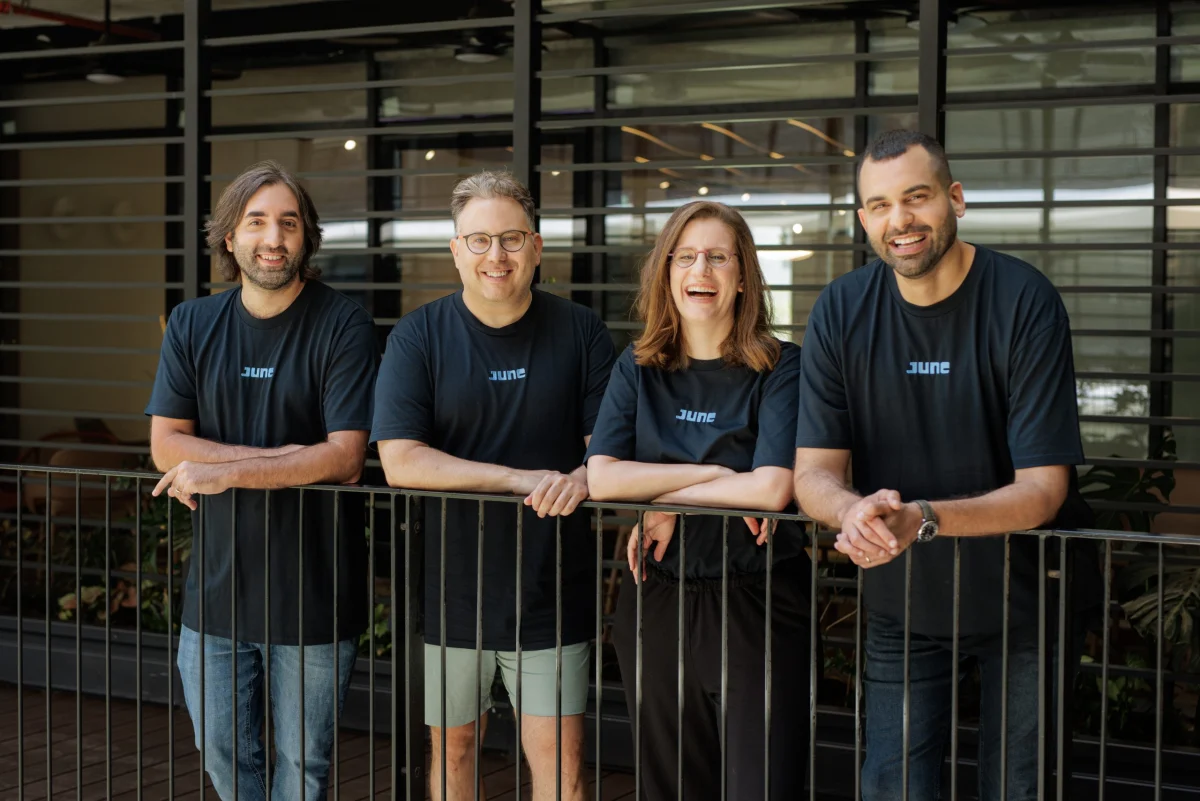
Toni Schneider, a seasoned technology executive and founding CEO of Automattic, the company behind digital giants like WordPress and Tumblr, has officially transitioned from his interim leadership role to become the permanent Chief Executive Officer of Bluesky. This pivotal announcement, made by Schneider himself via his personal blog, solidifies the leadership structure for the decentralized social media platform at a crucial juncture in its development and market positioning. His confirmation comes after a four-month period steering the company as interim CEO, following the departure of former CEO Jay Graber in March, who transitioned to Chief Innovation Officer.
From Interim to Permanent: A Veteran Takes the Helm
Schneider’s affirmation of his commitment to Bluesky marks a significant moment for the platform, which has been grappling with the complexities of scaling a decentralized social network while fostering a vibrant user base. In his blog post, Schneider expressed his enthusiasm for the mission, stating, "I’m loving the mission and the job, and I’m all in as Bluesky’s official CEO." This declaration underscores a clear intent to guide Bluesky through its next phase of evolution, focusing on strategic growth and community development.
One of Schneider’s immediate priorities, as outlined in his statement, is to cultivate "smaller spaces and more private communities." He believes this strategic direction will be key to "unlocking the next wave of growth and innovation" for Bluesky. This focus suggests a potential pivot or refinement of Bluesky’s approach, moving beyond simply being a public alternative to existing platforms towards fostering more intimate, niche interactions, which could differentiate it in the crowded social media landscape.
Schneider brings a wealth of experience to Bluesky. His tenure at Automattic, where he oversaw the growth of WordPress from a blogging tool to a dominant content management system powering a significant portion of the internet, demonstrates a deep understanding of open-source ecosystems, community building, and sustainable software development. His involvement extends beyond Automattic, as he is also a partner at True Ventures, a venture capital firm that, alongside Automattic, is an investor in Bluesky. This dual role provides him with both operational and strategic oversight, aligning the company’s vision with its investor’s long-term goals.
Bluesky’s Genesis and the Quest for a Decentralized Future
To fully appreciate the significance of Schneider’s appointment, it’s essential to revisit Bluesky’s origins and its foundational mission. The project was initially conceived in 2019 by Jack Dorsey, then CEO of Twitter, as an ambitious initiative to develop an "open and decentralized standard for social media." Dorsey envisioned a future where users, not corporations, would control their data, algorithms, and online experiences, thereby mitigating the issues of centralized control, censorship, and data exploitation that plague mainstream platforms.
This vision led to the formation of Bluesky Public Benefit LLC in 2021, with Jay Graber appointed as its inaugural CEO. The company’s early development focused on building the underlying technology, the Authenticated Transfer Protocol (AT Protocol), designed to power a new generation of interconnected social applications. The AT Protocol aims to enable interoperability, allowing different social applications to share the same underlying network and user data, while giving users the freedom to choose their client applications, moderation services, and even their own "feed algorithms."
The platform gained significant traction and public awareness following Elon Musk’s acquisition of Twitter in late 2022. Musk’s controversial decisions, including widespread layoffs, changes to content moderation policies, the introduction of paid verification, and the eventual rebranding of Twitter to X (and later, its integration into Musk’s SpaceXAI conglomerate), sparked a mass exodus of users and advertisers seeking alternative online spaces. Bluesky emerged as a prominent haven for many disaffected users, drawn by its promise of decentralization, greater user control, and a perceived commitment to open standards.
The AT Protocol: A Technical Backbone
At the heart of Bluesky’s proposition lies the AT Protocol. Unlike traditional social networks where a single company owns and controls all data and infrastructure, the AT Protocol is designed as a federated network. This means that anyone can run a server (known as a "PDS" or Personal Data Server), host user accounts, and connect to the broader Bluesky network. This architecture promises several key advantages:
- User Portability: Users can move their accounts and data between different PDSs without losing their followers or content, akin to how email works across different providers.
- Algorithmic Choice: Users can select or even create their own algorithms to curate their feeds, moving away from monolithic, centrally controlled recommendations.
- Interoperability: The protocol allows for different applications to be built on top of the same underlying data, fostering innovation and diversity in social media clients.
- Decentralized Moderation: While core Bluesky still provides moderation, the protocol allows for third-party moderation services, giving communities more control over their content environments.
Under Graber’s leadership, Bluesky saw substantial growth, reaching 43 million users, and the AT Protocol was significantly expanded and refined. This period was characterized by the platform’s transition from an invite-only beta to public access, a critical step in expanding its reach and testing the scalability of its decentralized infrastructure.
Navigating the Shifting Sands of Social Media
Despite its initial momentum and a robust technical foundation, Bluesky has faced considerable challenges in sustaining its growth and user engagement. Recent analyses have questioned the platform’s ability to retain its user base, with some reports pointing to declines in active users and overall community participation. This struggle is not unique to Bluesky; many "Twitter killers" or alternatives have found it difficult to overcome the powerful network effects of established platforms and maintain sustained user interest beyond an initial surge.
A notable example of this transient growth occurred in the wake of Donald Trump’s re-election, a period when Elon Musk was particularly active and controversial in the political discourse on X. Bluesky experienced a sharp influx of users seeking refuge from the perceived political polarization and moderation changes on X. However, this surge proved to be largely temporary, with a subsequent drop-off in user numbers once the immediate political fervor subsided. This pattern highlights a critical challenge for alternative social media platforms: converting protest migrations into long-term, sticky engagement. Users often return to their primary networks due to established connections, content diversity, and the sheer inertia of existing social graphs.
Strategic Vision: Cultivating Smaller, More Private Communities
Schneider’s stated focus on "smaller spaces and more private communities" is a strategic response to these challenges. This approach could be interpreted in several ways:
- Niche Appeal: Moving away from a direct head-on competition with X/Facebook/TikTok, which thrive on broad public discourse, and instead carving out a niche for specialized communities, interest groups, or professional networks. This could foster deeper engagement and a stronger sense of belonging among users.
- Moderation Control: Smaller communities often have more manageable moderation challenges. By empowering groups to set their own norms and moderation standards, Bluesky could offer a more tailored and safer experience, reducing the burden on central moderation teams.
- Leveraging Decentralization: The AT Protocol’s architecture is inherently suited for diverse, interconnected communities. Building tools and features that facilitate the creation and management of these smaller spaces could fully leverage the protocol’s capabilities. For instance, custom moderation services and personalized feeds could thrive in such environments.
- Addressing "Public Square" Fatigue: Many users are increasingly fatigued by the toxicity and overwhelming nature of large public social media platforms. The desire for more intimate, curated, and respectful online interactions is growing, and Bluesky’s pivot could tap into this cultural shift.
This strategic direction is not without its own complexities. Implementing "smaller spaces" effectively within a decentralized, federated network requires robust tools for community creation, discovery, access control, and seamless cross-community interaction. The technical infrastructure needs to support diverse moderation policies without fragmenting the overall network experience.
Challenges Ahead: Sustaining Growth in a Crowded Landscape
As permanent CEO, Toni Schneider faces a multifaceted challenge. While Bluesky has established a significant user base and a unique technological foundation, sustaining growth and engagement in the long term will require navigating several critical hurdles:
- Network Effects: Overcoming the immense network effects of incumbent platforms remains the primary obstacle for any new social media entrant. Users go where their friends and content are, and building that critical mass takes time, resources, and compelling reasons to switch.
- User Experience: Decentralized platforms can sometimes be perceived as more complex or less intuitive for mainstream users. Bluesky must continue to refine its user interface and onboarding process to make the benefits of decentralization accessible without technical overhead.
- Monetization: While Bluesky has raised significant capital (including a $15 million Series A round), developing a sustainable business model is crucial for its long-term viability. This could involve subscriptions, premium features for communities, or other innovative approaches that align with its decentralized ethos and avoid ad-heavy models that often lead to privacy concerns.
- Content Moderation: Balancing free speech ideals with the necessity of combating misinformation, hate speech, and harassment is a perpetual challenge for all social platforms, especially decentralized ones. Bluesky’s approach to allowing user choice in moderation, while promising, also requires careful implementation to prevent the proliferation of harmful content.
- Competition: The social media landscape is incredibly competitive, with established giants and new challengers constantly vying for user attention. Threads, Mastodon, and even niche platforms all present alternatives, forcing Bluesky to constantly innovate and differentiate itself.
The Broader Impact of Decentralization
Bluesky’s journey under Toni Schneider’s leadership will be closely watched not just by its users and investors, but by the broader tech industry and proponents of decentralization. Its success or struggle will offer valuable insights into the viability of a truly open, federated social web. The platform represents a significant experiment in shifting power from centralized corporations back to users and communities.
Schneider’s background at Automattic, a company built on the principles of open-source and user empowerment, aligns perfectly with Bluesky’s core mission. His strategic emphasis on smaller, more private communities could be a pragmatic pathway to fostering deeper engagement and building resilient networks that thrive on shared interests rather than fleeting trends. As Schneider optimistically noted, "We’re at the very beginning of this story." His permanent appointment signals a new chapter for Bluesky, one focused on refining its identity and realizing the potential of a decentralized social future.