Amir Mahmud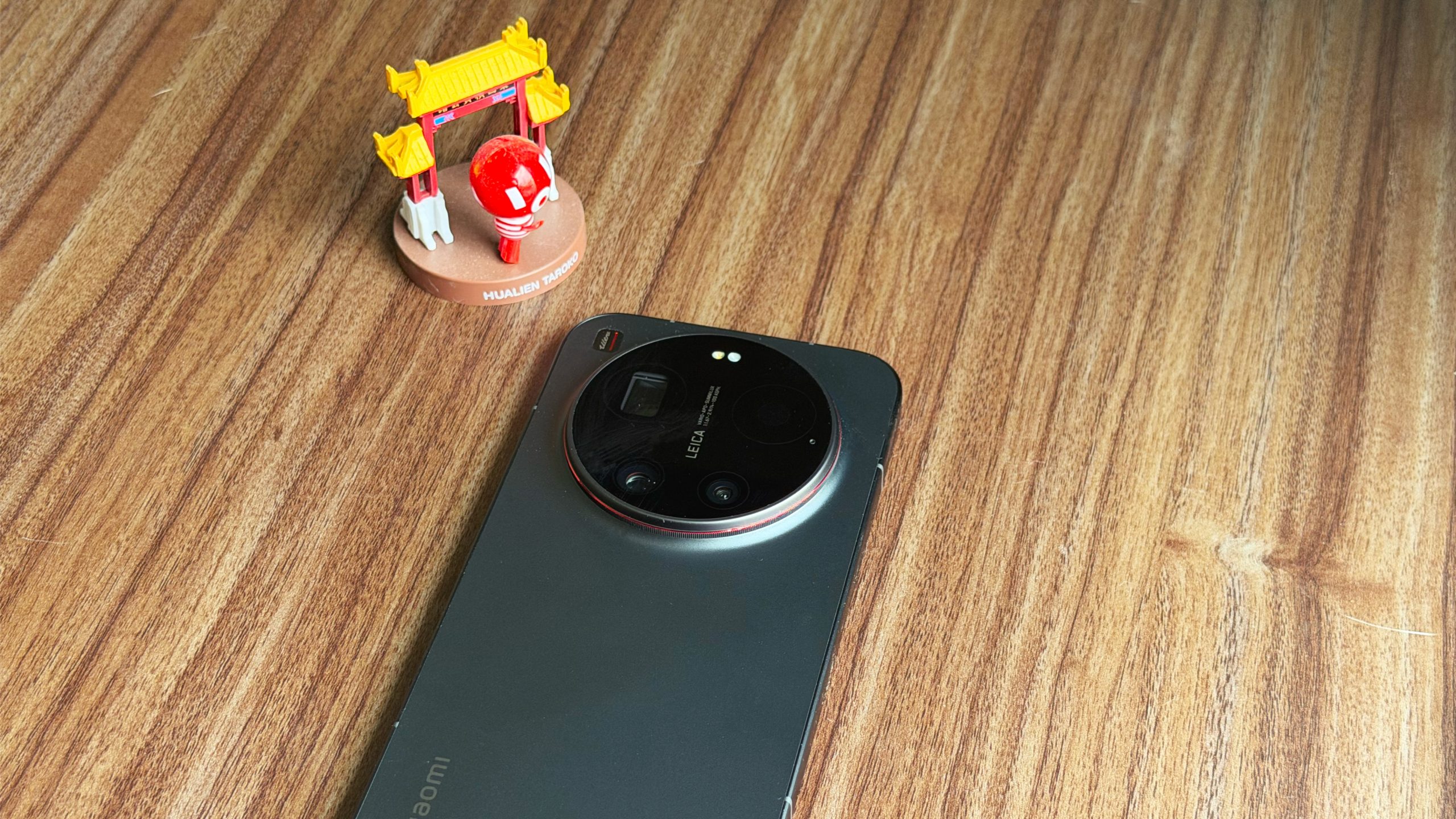
In the fiercely competitive global smartphone arena, where technological advancements are relentless, a distinct bifurcation in market focus often emerges. While consumers in North America frequently engage with a limited spectrum of high-end devices from dominant players like Apple, Samsung, and increasingly, Google, the landscape across Asia and parts of Europe offers a more diverse and vibrant selection. Here, manufacturers such as Xiaomi, Oppo, and Vivo are actively pushing the boundaries of smartphone photography, compelling the industry to re-evaluate the capabilities of pocket-sized cameras. The recently launched Xiaomi 17 Ultra stands as a testament to this dynamic evolution, presenting a formidable challenge to established giants with its ambitious imaging system and a suite of innovative accessories.
The Evolution of Mobile Imaging
The journey of smartphone cameras has been nothing short of revolutionary. From rudimentary VGA sensors capable of little more than pixelated snapshots in the early 2000s, mobile photography has rapidly ascended to a point where it can rival, and in some contexts even surpass, entry-level dedicated cameras. This transformation is driven by a confluence of factors: increasingly sophisticated sensor technology, powerful computational photography algorithms, and strategic partnerships with heritage camera brands.
Xiaomi, a company that initially gained traction through its aggressive pricing strategy and accessible technology, has systematically broadened its portfolio to encompass the premium segment. Its "Ultra" series is specifically designed to showcase the pinnacle of its engineering prowess, particularly in imaging. The collaboration with Leica, the venerable German optics and camera manufacturer, represents a critical step in this premiumization strategy. This partnership extends beyond mere branding, delving into the intricacies of optical design, color science calibration, and image processing, aiming to imbue Xiaomi’s mobile photography with the distinctive "Leica look" — renowned for its natural colors, nuanced contrasts, and evocative tonality. Such alliances have become a common, yet impactful, trend in the smartphone industry, as brands seek to leverage the credibility and technical heritage of established camera makers to differentiate their products in a saturated market.
Hardware at the Forefront: A Comprehensive Camera System
The Xiaomi 17 Ultra makes an immediate visual statement with its prominent, circular camera housing, a design choice that boldly declares its photographic ambitions. Within this substantial module resides a versatile array of sensors, headlined by a large 1-inch type 50-megapixel main sensor with an expansive f/1.67 aperture. This particular specification is crucial, as a larger sensor area significantly enhances light-gathering capabilities, leading to superior low-light performance, reduced noise, and a more natural shallow depth of field, often referred to as "bokeh." This allows the main camera to capture images with remarkable sharpness, vibrant color fidelity, and accurate white balance across diverse lighting conditions. Furthermore, mirroring the flexibility found in professional camera setups, users can quickly toggle between several equivalent focal lengths—23mm, 28mm, and 35mm—offering creative compositional freedom directly from the primary lens.
Adding another layer of photographic sophistication is a distinctive 200-megapixel telephoto lens. Unlike many competitors that offer fixed optical zoom steps (e.g., 2x, 4x), the Xiaomi 17 Ultra provides a continuous optical zoom range from 3.2x to 4.3x. While this range may appear modest on paper, the ability to seamlessly adjust magnification within this bracket proves invaluable for precise framing, particularly when capturing elusive subjects like pets or meticulously composing still-life elements. The user interface facilitates quick jumps to common focal lengths such as 75mm, 85mm, 90mm, and 100mm, with finer adjustments available through an intuitive dialer control, granting photographers greater command over their perspectives.
Completing the rear camera ensemble is a 50-megapixel ultrawide camera, featuring an f/2.2 aperture. This lens is not only adept at expansive landscape and architectural shots but also excels in macro photography, enabling users to capture intricate details from close distances. While generally competent, its detail retention might exhibit a slight disparity when directly compared to the main and telephoto sensors under specific conditions. For self-portraits and video calls, the device incorporates a 50-megapixel selfie camera. A common recommendation for optimal results with this front-facing unit is to disable any pre-activated beauty filters to ensure a more authentic and natural representation.
Leica’s Influence: Software and Aesthetic Choices
The Leica partnership extends deeply into the software experience, offering users distinct photographic "sensibilities." By default, the camera adheres to a "Leica Authentic" color profile, which aims for a true-to-life rendition of tones and textures, reminiscent of classic Leica imagery. However, with a simple tap, users can switch to "Leica Vibrant," injecting more saturation and contrast for a punchier, more contemporary look. Beyond these core modes, a rich selection of filters is available, including traditional film simulations like positive and negative film, Leica-specific options such as vivid, natural, black & white, sepia, and blue, alongside Xiaomi’s own creative filters like cinematic, monsoon, teal mist, and scarlet. These diverse options empower users to infuse their images with a broad spectrum of artistic expressions, catering to various moods and photographic styles.
Ergonomics and Control: The Photography Kits
Recognizing that advanced camera hardware demands equally refined user control and ergonomics, Xiaomi has introduced a pair of external accessories: the Xiaomi 17 Ultra Photography Kit and the Photography Kit Pro. These add-ons are designed to transform the sleek smartphone into a more tactile, camera-like instrument, enhancing the shooting experience, particularly for enthusiasts.
The standard Photography Kit functions as a protective cover that seamlessly snaps onto the phone. It connects via Bluetooth and integrates essential hardware controls, including a two-stage shutter button for precise autofocus and capture, and a dedicated video recording button. This case is conveniently powered through contact charging, ensuring it’s ready when needed. While primarily enhancing one-hand operation, it streamlines the fundamental photographic actions.
The more advanced Photography Kit Pro elevates this concept further. It combines a protective cover with a substantial, camera-grip-like controller that connects to the phone via USB-C. This grip not only provides superior ergonomic handling, making the phone feel more secure and balanced for single-handed shooting, but also houses an integrated 2,000 mAh battery, extending the accessory’s operational time. The Pro kit features a dedicated shutter button, a video record button, and a highly customizable dial. This versatile dial can be assigned to control critical exposure parameters such as ISO, shutter speed, or white balance, or even used for quick navigation through the image gallery. Crucially, the Kit Pro also incorporates a ring that allows for the attachment of standard 67mm camera filters, opening up a world of creative possibilities for serious mobile photographers who wish to experiment with polarizing, ND, or other specialized filters. The tactile feedback and physical controls offered by the Kit Pro significantly enhance the "fun" factor of photography, making the process more engaging and intuitive, especially for dynamic street photography scenarios, where the "fastshot" software mode is automatically activated for quick access to essential controls.
Under the Hood: Flagship Performance
Beyond its photographic prowess, the Xiaomi 17 Ultra is engineered with top-tier components to deliver a flagship experience across the board. It is powered by Qualcomm’s latest Snapdragon 8 Gen 5 processor, ensuring blistering performance for demanding applications, gaming, and advanced computational photography tasks. This state-of-the-art chipset positions the 17 Ultra among the most powerful Android devices of the year.
The visual experience is equally impressive, centered around a expansive 6.9-inch AMOLED display. Boasting a resolution of 1200 x 2608 pixels and a silky-smooth 120Hz refresh rate, the screen delivers vibrant colors, deep blacks, and fluid animations. A remarkable peak brightness of 3,500 nits ensures excellent readability even under direct sunlight, making it ideal for outdoor photography and an immersive viewing experience for high-dynamic-range content.
Powering this sophisticated hardware is a substantial 6,000 mAh battery, benefiting from Xiaomi’s innovative Silicon/Carbon-Ion technology. This advanced battery chemistry allows for higher energy density, translating into extended endurance. Users can expect the device to comfortably last for a couple of days with light to medium usage, complemented by impressive standby times. Despite its large battery capacity and premium features, the Xiaomi 17 Ultra reportedly maintains a lighter profile than comparable devices like the iPhone Pro Max, a notable engineering achievement.
Charging capabilities are robust, with support for 90W wired charging using the included adapter or any compatible PD 3.0 or PPS-based charger. Wireless charging is also supported at 50W when paired with Xiaomi’s proprietary charger. The phone comes equipped with a generous 16GB of RAM and offers storage options of 512GB and 1TB, providing ample space for photos, videos, applications, and operating system demands.
Market Impact and Outlook
The Xiaomi 17 Ultra’s global launch marks a significant statement in the premium smartphone segment. By combining cutting-edge camera hardware, deep software integration with Leica’s renowned imaging expertise, and unique ergonomic accessories, Xiaomi is not merely competing on specifications but on the entire photographic experience. This holistic approach aims to captivate users who seek a more engaging and controlled mobile photography workflow, blurring the lines between smartphone and dedicated camera.
The device enters a highly competitive landscape, particularly in its primary markets. It faces direct challenges from other camera-centric flagships, such as the upcoming Vivo X300 Ultra, which is rumored to feature its own innovative photography kits, including a 2.35x telephoto extender, and the Oppo Find X9 series. However, Xiaomi’s earlier market entry with the 17 Ultra might grant it a crucial momentum advantage.
Priced starting at €1,499 in Europe, with the Photography Kit at €99.99 and the Photography Kit Pro at €199.99, the Xiaomi 17 Ultra positions itself squarely in the ultra-premium tier. This pricing strategy reflects the advanced technology and aspirational branding associated with the device. For photography enthusiasts and professional creators, the combination of robust internal hardware and the transformative external kits offers a compelling proposition, potentially democratizing advanced photographic controls and fostering a more creative mobile imaging culture. While the prominent camera housing might be a design consideration for some, its presence signifies an uncompromising dedication to photographic excellence, making the Xiaomi 17 Ultra a noteworthy contender in the ongoing evolution of smartphone cameras.