Amir Mahmud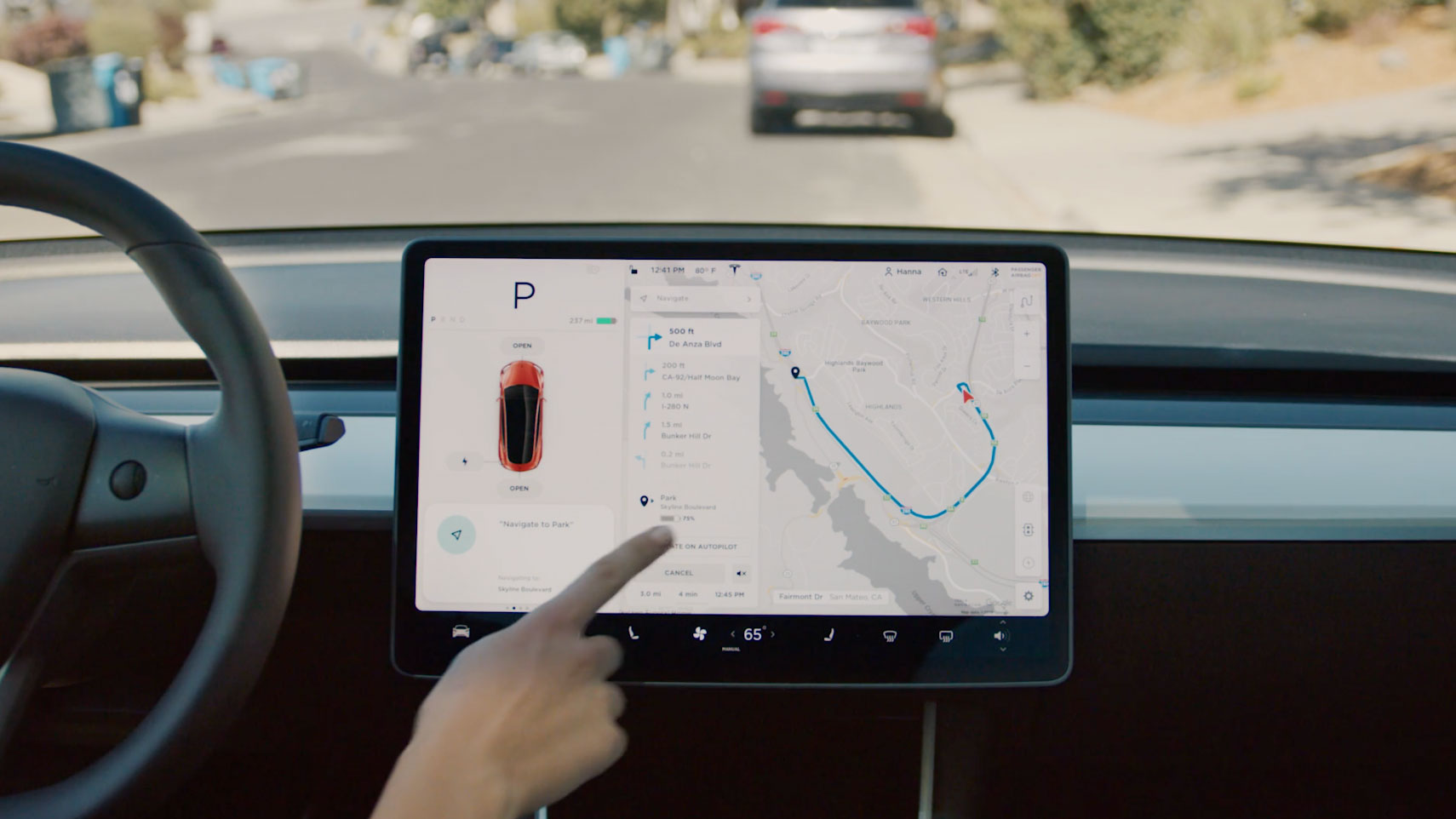
A federal judge has decisively rejected Tesla’s concerted effort to invalidate a substantial $243 million jury verdict, which had previously assigned partial culpability to the electric vehicle manufacturer for a fatal collision involving its advanced driver assistance system, Autopilot. The ruling, issued by the Honorable Judge Beth Bloom, solidifies the original judgment, underscoring the legal system’s commitment to upholding jury decisions following thorough deliberation.
The Judicial Affirmation
In her comprehensive decision, Judge Bloom articulated that the grounds presented by Tesla for relief were largely a reassertion of arguments previously submitted and thoroughly considered during the trial proceedings and in earlier summary judgment briefings. These contentions, the judge noted, had already undergone judicial scrutiny and were subsequently rejected. Furthermore, Tesla’s latest appeal failed to introduce novel arguments or controlling legal precedents compelling enough to sway the court to alter its prior rulings or the jury’s original findings. This judicial stance effectively closes a chapter in Tesla’s attempt to reverse a significant financial and reputational setback, reinforcing the validity of the jury’s assessment of liability.
Unpacking the Landmark Verdict
The underlying verdict, delivered in August of the preceding year, held Tesla accountable for a portion of the damages stemming from a tragic 2019 crash in Florida. This incident resulted in the death of Naibel Benavides and inflicted critical injuries upon Dillon Angulo. The jury’s detailed apportionment of blame assigned two-thirds of the responsibility for the collision to the driver of the Tesla vehicle, while attributing the remaining one-third to the automaker itself. Crucially, the jury’s decision included punitive damages exclusively against Tesla. Punitive damages, distinct from compensatory damages that cover actual losses, are awarded to punish a defendant for egregious conduct and to deter similar actions in the future, signaling the jury’s perception of a heightened level of corporate responsibility in this case. Tesla’s legal team, both during the initial trial and in subsequent appeals, consistently argued that the primary fault for the crash lay with the driver, contending that human error was the decisive factor. This argument, however, did not fully persuade the jury or the reviewing judge.
A Deep Dive into Tesla’s Autopilot System
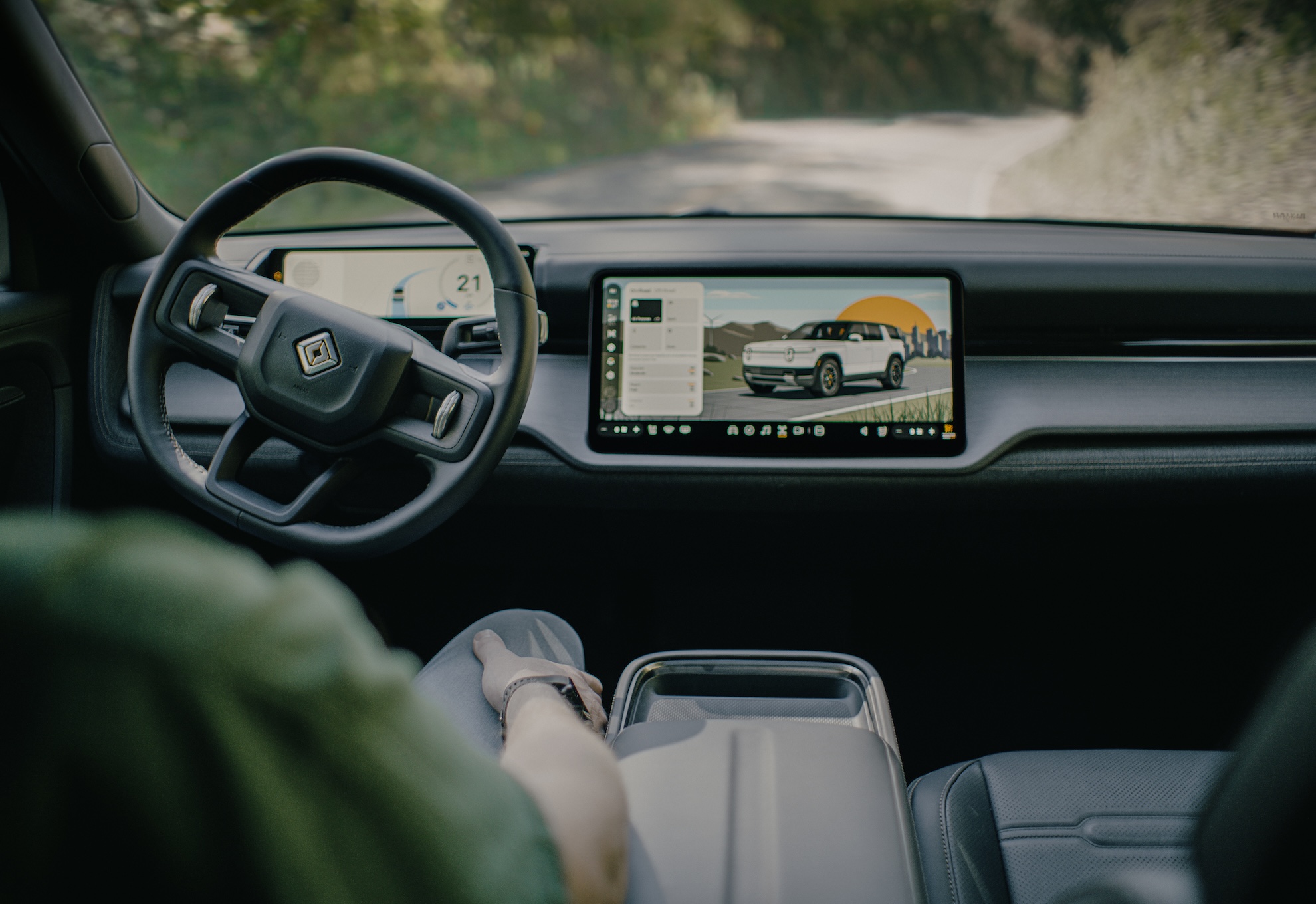
To fully comprehend the context of this verdict, it is essential to understand Tesla’s Autopilot and Full Self-Driving (FSD) Beta systems. These technologies represent the vanguard of advanced driver-assistance systems (ADAS) but operate within specific parameters. Autopilot, introduced by Tesla, is designed to assist with steering, accelerating, and braking within its lane. FSD Beta, an even more advanced iteration, aims to navigate a car on city streets, make turns, and stop at traffic lights and stop signs, all while requiring active driver supervision.
According to the Society of Automotive Engineers (SAE) International’s classification system, both Autopilot and FSD Beta are considered Level 2 automation. This means the vehicle provides combined automated functions (like steering and acceleration/deceleration), but the human driver must remain engaged, monitor the driving environment, and be prepared to intervene at any moment. The system is a driving aid, not a substitute for an attentive driver. This distinction is critical, as Tesla’s marketing and the names of these features themselves have often led to public and regulatory debate regarding potential driver confusion over the systems’ true capabilities and limitations.
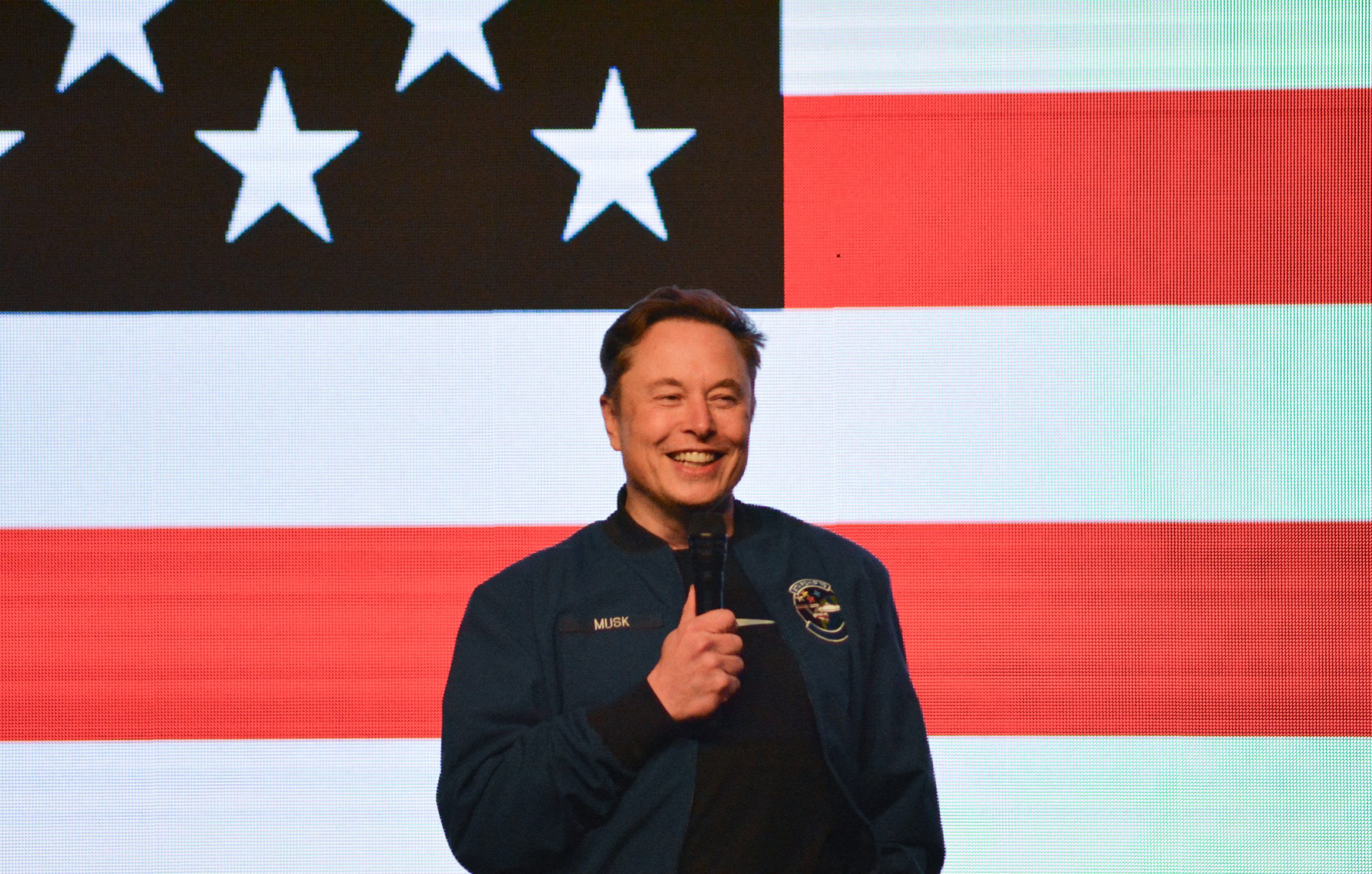
Tesla first began equipping its vehicles with Autopilot hardware in 2014, evolving the system through software updates and hardware revisions. The company’s vision, championed by CEO Elon Musk, has consistently pushed towards full autonomy, often promising a future where Teslas could drive themselves completely. However, the technical and regulatory hurdles for achieving true Level 4 (high automation) or Level 5 (full automation) remain substantial, placing the current iterations squarely in the realm of driver assistance.
A History of Scrutiny and Safety Concerns
The 2019 Florida crash is not an isolated incident; it forms part of a broader pattern of scrutiny surrounding Tesla’s Autopilot and FSD systems. Over the years, numerous accidents involving Tesla vehicles operating on Autopilot have garnered significant media attention and prompted investigations by regulatory bodies.
The National Highway Traffic Safety Administration (NHTSA), the primary U.S. federal agency responsible for vehicle safety, has launched multiple investigations into Tesla’s ADAS. A prominent probe, initiated in 2021, focused on a series of crashes involving Tesla vehicles on Autopilot striking stationary emergency vehicles. This investigation, later expanded, examined hundreds of incidents and led to a significant recall of over two million Tesla vehicles in December 2023. The recall addressed concerns that Autopilot’s controls were insufficient to prevent misuse and could lead to crashes, requiring a software update to improve driver alerts and engagement checks.
Beyond NHTSA, the U.S. Department of Justice (DOJ) has reportedly opened a criminal investigation into Tesla’s claims about its "self-driving" capabilities, focusing on whether the company has misled consumers about the safety and autonomy of its vehicles. Consumer advocacy groups and safety organizations have also been vocal critics, arguing that Tesla’s naming conventions and marketing practices create a dangerous illusion of full autonomy, potentially leading drivers to over-rely on the systems and disengage from the driving task. These concerns highlight a persistent tension between technological innovation and the paramount need for safety and clear communication regarding advanced vehicle capabilities.
The Evolving Legal Landscape of Autonomous Vehicles
The verdict against Tesla, now affirmed by Judge Bloom, contributes significantly to the nascent and complex legal framework surrounding autonomous vehicle liability. Assigning blame in incidents involving human drivers interacting with sophisticated AI-driven systems presents a unique challenge for the legal system. Unlike traditional product liability cases, where a defect in a physical component might be clear, cases involving ADAS require courts to grapple with the interplay between software algorithms, sensor data, human decision-making, and system limitations.
This case serves as a crucial precedent, suggesting that even when a human driver is found to bear the majority of the blame, manufacturers of advanced driver-assistance systems are not entirely absolved of responsibility. The jury’s decision to assign one-third of the fault to Tesla, particularly the imposition of punitive damages, signals a judicial willingness to hold technology companies accountable for the safety implications of their products, especially when those products are marketed with capabilities that might exceed their actual functionality. Legal experts suggest that such rulings could influence future product liability lawsuits involving ADAS across the automotive industry, potentially pushing manufacturers to adopt more conservative marketing strategies and clearer disclaimers. The challenge for juries in these cases is immense, requiring them to understand complex technical details and weigh competing expert testimonies to determine the nuanced allocation of responsibility.
Market, Social, and Cultural Implications
The ramifications of this upheld verdict extend far beyond the courtroom, impacting market dynamics, societal perceptions, and the broader cultural conversation surrounding artificial intelligence and automation.
Market Impact: For Tesla, the immediate financial consequence is the $243 million payout, potentially subject to further appeals. However, the broader market impact relates to investor confidence and brand perception. While Tesla’s stock often demonstrates resilience, repeated legal challenges and safety concerns can chip away at its premium valuation, especially as competition in the EV and ADAS space intensifies. Other automakers developing their own ADAS solutions will undoubtedly monitor this case closely, potentially adjusting their development, testing, and marketing strategies to mitigate similar legal risks. The insurance industry also stands to be significantly affected, as this verdict could influence how policies are structured and how liability is assessed in accidents involving semi-autonomous vehicles.
Social Impact: Public trust in autonomous technology is fragile. Incidents like the 2019 Florida crash and subsequent verdicts can erode consumer confidence, potentially slowing the adoption of ADAS and fully autonomous vehicles. For the technology to gain widespread acceptance, the public needs assurances of safety and clear accountability. This case underscores the societal demand for robust safety protocols and transparent communication from companies pioneering these advanced technologies. It also highlights the ongoing debate about the ethics of AI in safety-critical applications and the responsibility of creators when their creations interact with human life.
Cultural Impact: Culturally, this verdict contributes to the ongoing narrative about the evolving relationship between humans and machines. It brings to the forefront the concept of the "moral crumple zone," a term used to describe the tendency to assign blame to the human operator when an autonomous system fails, even if the system itself contributed to the failure. By holding Tesla partially responsible, the court pushes back against placing all the blame on the human driver, suggesting that the "crumple zone" of moral responsibility must expand to include the creators of the technology. This shift in perception is crucial as AI becomes more integrated into daily life, influencing how society defines accountability in an increasingly automated world.
Analytical Commentary and Future Outlook
Judge Bloom’s decision to affirm the $243 million verdict against Tesla serves as a potent reminder that innovation, however groundbreaking, must be coupled with stringent safety standards and clear, unambiguous communication. The ruling reinforces the principle that manufacturers of sophisticated technology bear a significant degree of responsibility for the safe operation of their products, even when those products are designed to assist rather than fully replace human drivers.
This case is likely to ignite further discussions within the automotive industry, regulatory bodies, and legal circles about the appropriate balance between fostering technological advancement and ensuring public safety. For Tesla, while this particular legal battle may be nearing its conclusion, the broader implications are far-reaching. The company might face renewed pressure to refine its Autopilot and FSD systems, enhance driver monitoring features, and potentially revise its marketing language to more accurately reflect the systems’ capabilities and limitations.
Looking ahead, the autonomous vehicle industry as a whole will need to navigate an increasingly complex regulatory and legal landscape. This verdict could encourage greater transparency in testing data, more conservative deployment strategies for advanced features, and a stronger emphasis on driver education regarding the proper use of ADAS. Ultimately, the quest for fully autonomous driving will continue, but cases like this underscore that the journey must be paved with accountability, clarity, and an unwavering commitment to safety. The path to a future dominated by self-driving cars will undoubtedly be shaped by these critical legal and ethical precedents.