Amir Mahmud
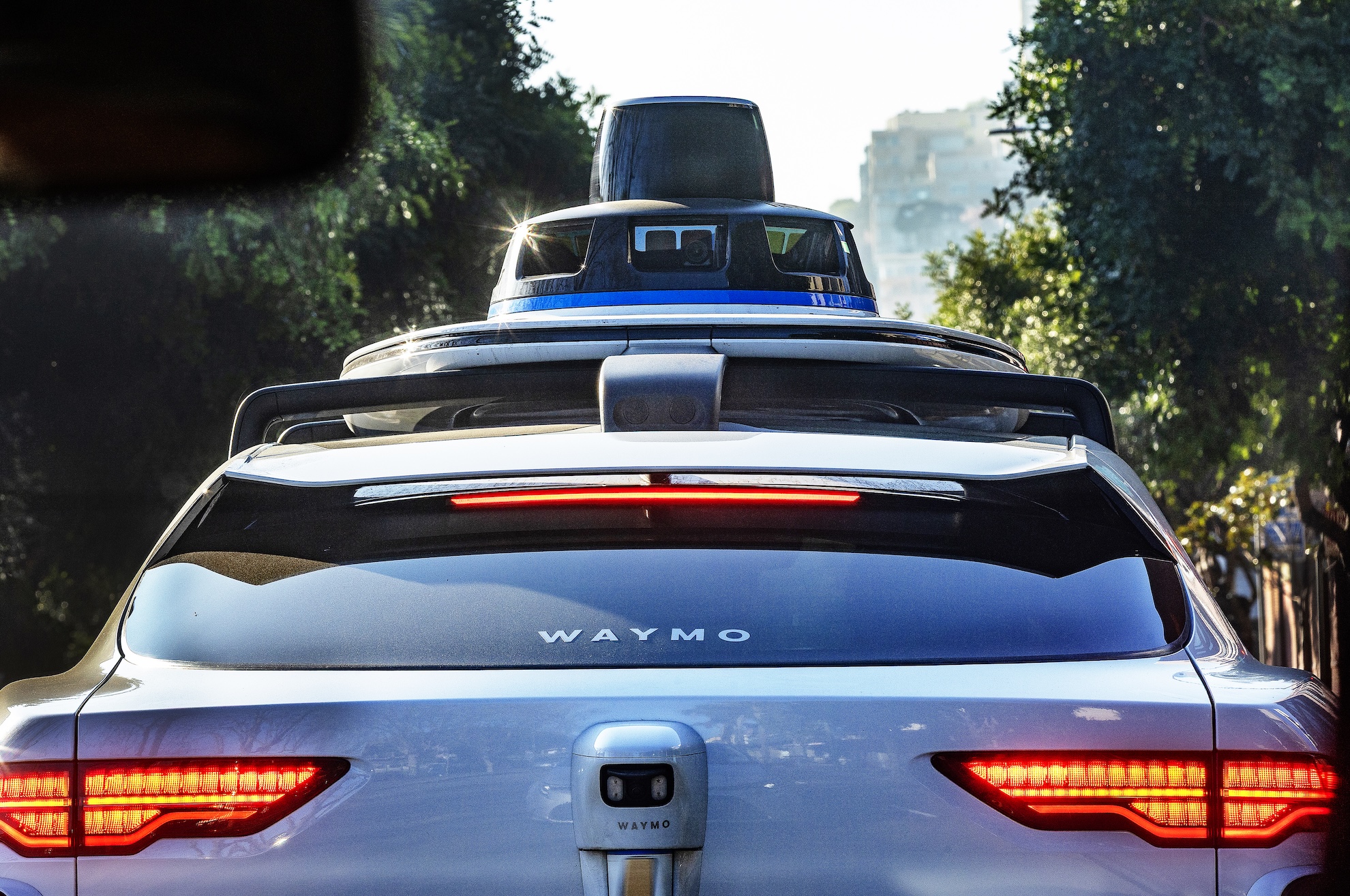
San Francisco’s recent widespread power outage presented a unique operational test for autonomous vehicle (AV) technology, particularly for Waymo’s robotaxi fleet, which experienced significant disruptions. The company has since issued a detailed explanation, attributing the vehicles getting stuck at intersections to an overload of safety-oriented "confirmation checks" that its self-driving system initiated. This incident underscores the complex interplay between advanced robotics, urban infrastructure, and the paramount need for robust operational resilience in the burgeoning autonomous transportation sector.
The San Francisco Outage and Autonomous Response
The power disruption, which swept across several districts of San Francisco last weekend, plunged numerous traffic signals into darkness. For human drivers, the protocol for such an event is generally clear: treat unlit intersections as four-way stops, proceeding with caution. Waymo’s self-driving system, designed to emulate human driving rules, was programmed to adopt this very same approach. Theoretically, its fleet should have continued to navigate the city streets, albeit with increased vigilance.
However, the reality proved more challenging. Waymo revealed that while its vehicles successfully managed to traverse over 7,000 instances of dark traffic signals during the outage, a substantial number also entered a state of uncertainty, halting and requesting human intervention. These "confirmation checks" are a built-in safety mechanism, designed to flag ambiguous situations for review by Waymo’s remote fleet response team. In the face of a city-wide blackout, the sheer volume of these simultaneous requests overwhelmed the support infrastructure, leading to the sight of numerous Waymo vehicles stalled at intersections, contributing to traffic congestion and drawing public attention.
Navigating the Unforeseen: A Deep Dive into Waymo’s Protocol
The "confirmation check" system is a testament to Waymo’s cautious approach to deploying autonomous technology. Developed during the company’s "early deployment" phase, it reflects an "abundance of caution" in scenarios where the self-driving software encounters situations outside its established parameters or where sensor data might be ambiguous. While effective for isolated incidents or smaller disruptions, a large-scale event like the San Francisco blackout created an "unprecedented concentrated spike" in these requests, exposing a scalability bottleneck in the human-in-the-loop oversight model.
Autonomous vehicles rely on a sophisticated array of sensors—cameras, lidar, radar—and highly detailed maps to perceive their environment. When traffic lights, critical visual cues for both human and autonomous drivers, go dark, the system must shift its interpretative framework. While Waymo’s vehicles are trained to recognize the absence of a signal and default to four-way stop rules, the unexpected context of an entire region experiencing this phenomenon simultaneously, coupled with potentially altered pedestrian and human driver behavior in such conditions, likely triggered the system’s inherent cautiousness. The software’s inability to definitively confirm the "intent" of other road users or the overall safety of proceeding without clear signal guidance led it to defer to human judgment.
The Evolution of Autonomous Driving: A Historical Perspective
The journey of autonomous vehicles from sci-fi concept to urban reality has been long and complex, marked by both groundbreaking advancements and significant hurdles. Waymo, originating from Google’s self-driving car project in 2009, stands as one of the pioneers. Its early years focused on meticulous data collection, simulation, and real-world testing across diverse environments, from quiet suburban streets to bustling urban centers. The gradual introduction of Waymo One, its commercial ride-hailing service, first in Phoenix, Arizona, and then expanding to San Francisco and Los Angeles, represented a significant step towards mainstream adoption.
However, the path has not been without its bumps. Autonomous vehicle developers, including Waymo, have consistently encountered "edge cases"—unusual or rare scenarios that challenge even the most advanced AI. These can range from complex construction zones and unexpected animal crossings to, as this incident highlights, widespread infrastructure failures. Each such event becomes a crucial learning opportunity, prompting software refinements and protocol adjustments.
A notable prior instance involved Waymo’s robotaxis demonstrating inconsistent behavior around stopped school buses. This led to a National Highway Traffic Safety Administration (NHTSA) investigation and a subsequent voluntary software recall. The company implemented updates to ensure its vehicles more reliably detected and reacted appropriately to school buses with stop-arms extended, emphasizing the iterative process of safety enhancement in autonomous technology. These incidents underscore that even with millions of miles driven and extensive simulation, the unpredictable nature of the real world continuously presents new challenges for AV systems.
Beyond the Software Patch: Broader Implications for AV Development
In response to the San Francisco blackout incident, Waymo announced it is rolling out a fleet-wide software update. This update aims to provide its self-driving software with "specific power outage context," enabling it to "navigate more decisively" through disabled traffic signals. This likely involves enhancing the system’s ability to interpret widespread signal outages as a distinct, known operational state rather than a series of individual, ambiguous sensor readings. Future iterations might integrate real-time data from city grids or traffic management systems, allowing the vehicles to anticipate or confirm power disruptions more efficiently.
Furthermore, Waymo is reviewing and improving its emergency response protocols, incorporating lessons learned from this event. This could involve streamlining the human fleet response process for mass incidents, developing alternative communication channels, or even programming vehicles to seek out designated safe zones or depots automatically during widespread disruptions, rather than waiting indefinitely at an intersection.
This incident offers critical insights for the entire AV industry. It highlights the need for:
- Enhanced Situational Awareness: Beyond individual sensor readings, AVs must develop a more sophisticated understanding of the broader environmental context, including infrastructure status.
- Scalable Human Oversight: While the goal is full autonomy, human remote assistance remains a critical safety net. Systems for managing a sudden surge in human intervention requests must be robust and scalable.
- Resilience Planning: AV deployment must consider potential failures in urban infrastructure—power, communication, and even physical road conditions—and build in redundant strategies.
Public Perception and Regulatory Scrutiny
The public’s perception of autonomous vehicles remains a critical factor in their widespread adoption. Incidents like the San Francisco blackout, where robotaxis appear "stuck" or "confused," can erode public trust, even if the underlying reason is a safety mechanism. Media coverage and social media commentary often focus on these visual manifestations of operational challenges, sometimes overshadowing the millions of uneventful miles logged by these vehicles.
Regulatory bodies, such as the California Department of Motor Vehicles (DMV) and NHTSA, closely monitor the performance and safety records of AV companies. Every incident, minor or major, contributes to the ongoing data used to evaluate operational permits and future expansion. The requirement for AV companies to report collisions, disengagements (when a human takes control), and other unusual events is designed to ensure accountability and facilitate continuous improvement. The careful balance between fostering innovation and safeguarding public safety is a constant challenge for these regulators. This incident will undoubtedly be factored into future discussions about AV operational parameters, particularly concerning their resilience in emergency scenarios.
The Path Forward: Enhancing Resilience and Trust
The San Francisco blackout served as a stark reminder that the integration of autonomous vehicles into complex urban environments requires not only advanced technological capabilities but also a profound understanding of, and resilience against, real-world unpredictability. Waymo’s proactive response—explaining the issue transparently and implementing software updates—is crucial for maintaining public confidence and demonstrating a commitment to continuous improvement.
As autonomous technology matures, the industry will continue to encounter unforeseen challenges. Each such event, while potentially disruptive in the short term, provides invaluable data and learning opportunities that ultimately contribute to the development of safer, more robust, and more reliable self-driving systems. The ultimate success of autonomous vehicles hinges not just on their ability to drive, but on their capacity to adapt, respond intelligently, and operate safely even when the world around them deviates from the expected. This incident reinforces that the journey toward fully autonomous transportation is an ongoing process of learning, refinement, and building ever-greater resilience into these complex machines.