Amir Mahmud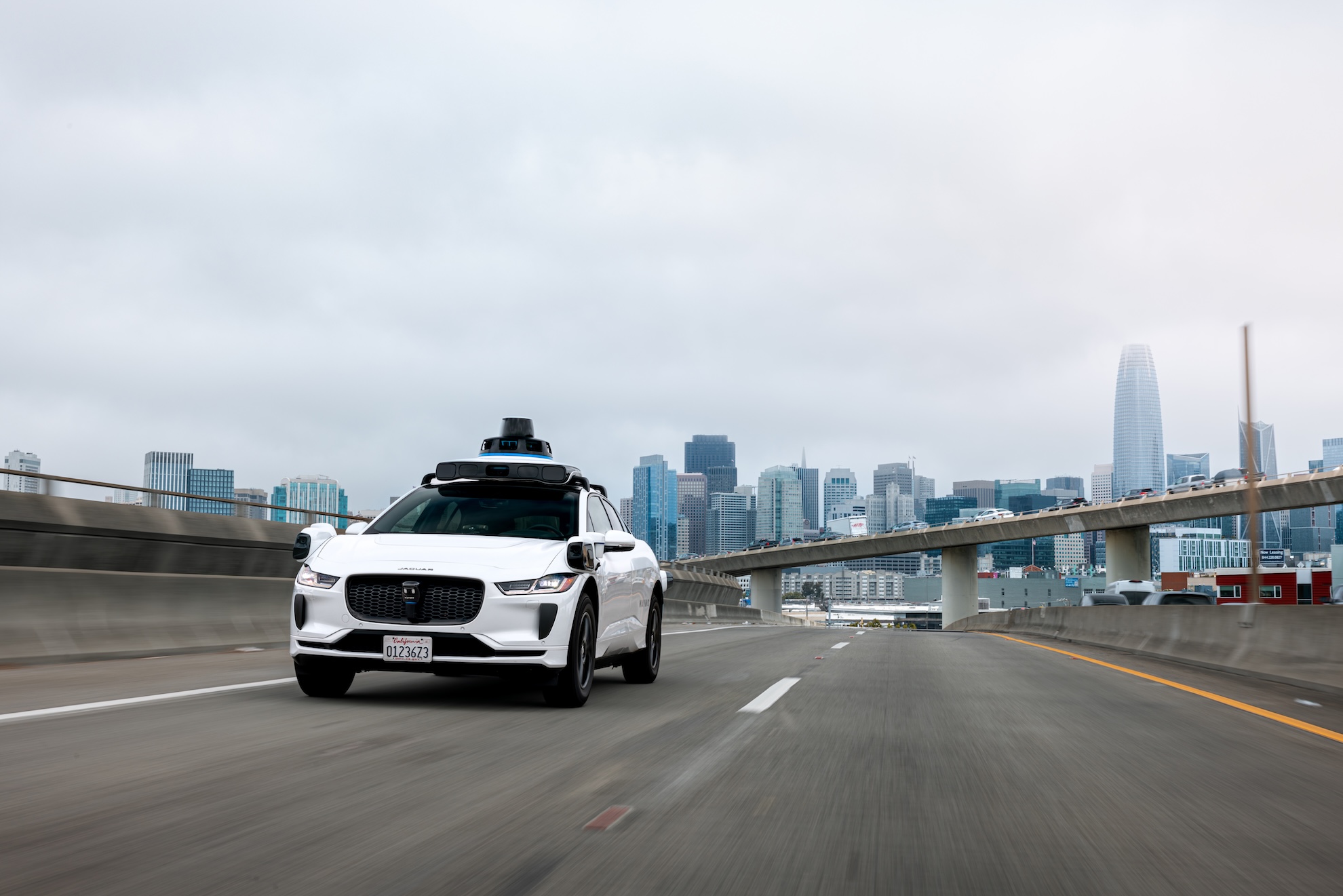
The complex and rapidly evolving landscape of autonomous vehicle (AV) technology has once again come into sharp focus following recent revelations regarding Waymo’s operational practices. A Senate Commerce Committee hearing earlier this month saw Mauricio Peña, Waymo’s chief safety officer, addressing lawmakers on the intricacies of self-driving systems. While much of the dialogue aimed at demystifying AV technology for the general public, it was Senator Ed Markey’s pointed inquiry into Waymo’s reliance on overseas personnel for remote guidance that ignited a significant debate, compelling the company to issue a comprehensive defense of its global operational structure.
The Genesis of Scrutiny: Offshore Assistance and Regulatory Concerns
During the Senate hearing, Senator Markey pressed Peña on the nature and location of human workers who provide assistance to Waymo’s autonomous vehicles. Peña’s admission that some remote guidance workers are based in the Philippines sparked immediate concern from the Massachusetts senator. Markey questioned the rationale behind entrusting the navigation and emergency support of vehicles operating on American roads to individuals who may not possess U.S. driver’s licenses, highlighting a perceived gap in oversight and accountability. This exchange underscored a persistent tension within the autonomous vehicle industry: the drive for technological advancement versus the imperative for public safety and regulatory clarity.
Waymo, a pioneer in self-driving technology tracing its origins back to Google’s groundbreaking self-driving car project in 2009, quickly moved to clarify its position. The company subsequently published a detailed blog post authored by Ryan McNamara, Waymo’s head of global operations, and provided a formal letter to Senator Markey’s office. These communications sought to illuminate the precise role of its remote assistance (RA) personnel, emphasizing a critical distinction that often eludes public understanding: RA workers do not "remotely drive" the robotaxis. Instead, the autonomous driving system remains the primary controller of the vehicle at all times.
Delineating Remote Assistance: A Matter of Information, Not Control
The company’s clarification highlights that remote assistance agents function as a support layer, responding to specific requests for information or guidance from the Waymo self-driving system itself. These requests typically arise in unusual or ambiguous scenarios that the on-board AI might not be programmed to handle independently, such as navigating complex, unmapped construction zones, unusual traffic patterns, or unexpected road debris. The remote operator might provide contextual information or suggest a high-level maneuver, but the vehicle’s autonomy system retains executive control over steering, acceleration, and braking. This operational model contrasts sharply with teleoperation, where a human operator directly drives the vehicle from a remote location, a capability Waymo explicitly states its RA agents do not possess.
Waymo also detailed the existence of its Event Response Teams (ERTs), a distinct group of personnel exclusively based in the United States. These highly trained and certified teams are responsible for managing more critical incidents, including collisions, interfacing directly with law enforcement and riders, collecting vital data for regulatory reporting, and coordinating logistical tasks like vehicle towing. This two-tiered support structure aims to provide comprehensive operational coverage while segmenting responsibilities based on the complexity and criticality of the task.
Global Operations and the Economy of Scale
Currently, Waymo employs approximately 70 remote assistance agents on duty worldwide at any given moment. These operators are distributed across various locations, including Arizona, Michigan, and two cities in the Philippines. This global footprint allows Waymo to provide continuous, round-the-clock support for its extensive fleet. The scale of Waymo’s operations is significant: its fleet comprises around 3,000 vehicles, collectively traveling over 4 million miles and providing more than 400,000 rides each week. When viewed against these figures, the ratio of remote assistance agents to vehicles underscores that human intervention, while crucial for edge cases, is infrequent relative to the total operational mileage.
The decision to leverage offshore talent for remote assistance is a common strategy across various technology sectors, often driven by factors such as cost efficiency, access to a broader talent pool, and the ability to establish 24/7 operational coverage. For a capital-intensive industry like autonomous vehicles, optimizing operational costs without compromising safety or efficiency is paramount. However, this practice inevitably raises questions about job creation within the domestic market and the potential for regulatory arbitrage, especially when the service directly impacts public safety on U.S. roads.
Public Trust and the Transparency Imperative
The debate ignited by Senator Markey’s questions and Waymo’s subsequent response highlights a broader challenge facing the autonomous vehicle industry: fostering public trust. For years, many AV companies, perhaps in an effort to portray their technology as flawlessly magical, have been reticent about the human element involved in their operations, particularly regarding remote guidance. This lack of transparency has often bred skepticism and mistrust among consumers and policymakers alike. As autonomous vehicles transition from experimental prototypes to mainstream transportation options, clear, consistent communication about how these systems function, including the roles of human supervisors and remote support, becomes increasingly vital. The public’s willingness to adopt and rely on robotaxis is inextricably linked to their understanding and confidence in the safety and accountability mechanisms in place.
Broader Industry Dynamics: Regulatory Hurdles and Market Shifts
Waymo’s experience with congressional scrutiny is emblematic of the challenges the entire AV industry faces. Beyond the specifics of remote assistance, the regulatory landscape for autonomous vehicles remains fragmented and often uncertain. In a recent development underscoring this complexity, New York Governor Kathy Hochul withdrew a legislative proposal that would have amended existing vehicle and traffic laws to permit robotaxi operations across the state, excluding New York City. Citing a lack of support among key stakeholders, including within the legislature, the decision effectively puts the brakes on significant AV expansion in one of the nation’s most populous states. This incident reflects the cautious approach many jurisdictions are taking, balancing the promise of innovation with prevailing concerns about safety, infrastructure readiness, and public acceptance.
Meanwhile, the broader mobility sector continues to navigate a dynamic economic environment marked by both intense competition and a quest for profitability. Electric vehicle (EV) manufacturers, in particular, are facing considerable headwinds. Lucid, a luxury EV manufacturer, recently announced a significant workforce reduction, laying off 12% of its global staff. This move, impacting hundreds of employees who were reportedly placed on a 60-day administrative leave before official termination, signals the challenging realities of scaling production and achieving profitability in the highly competitive and capital-intensive EV market. Despite reporting approximately 6,800 full-time employees globally at the end of 2024, Lucid’s actions reflect a broader trend across the tech and automotive industries to streamline operations amidst economic pressures.
Consumer expectations also play a crucial role in market dynamics. A recent poll indicated widespread skepticism regarding the starting price of Rivian’s forthcoming R2 electric SUV, with over 54% of respondents anticipating a price tag exceeding $60,000, contrary to some initial market projections of under $50,000. This sentiment highlights the constant tension between delivering innovative, feature-rich EVs and meeting consumer demands for affordability.
Innovation and Adaptation Across the Mobility Ecosystem
Despite the regulatory and economic challenges, innovation continues to drive various segments of the mobility industry. Ford, for instance, is reportedly adopting unconventional strategies to achieve its goal of producing a $30,000 electric truck capable of competing with global rivals while maintaining profitability. The company’s approach involves leveraging advanced manufacturing techniques like 3D printing, drawing inspiration from Formula 1 engineering principles, and implementing internal incentive programs to foster cost-efficiency. This strategic pivot underscores the automotive giant’s determination to redefine its image as a nimble, tech-forward entity.
In the burgeoning field of sustainable technology, the demand for energy storage solutions, particularly from the booming AI data center industry, is fueling rapid growth. Redwood Materials, a battery recycling and materials startup, has seen its energy storage division, Redwood Energy, emerge as its fastest-growing unit. This development illustrates the interconnectedness of various tech sectors and the increasing importance of a circular economy for critical materials.
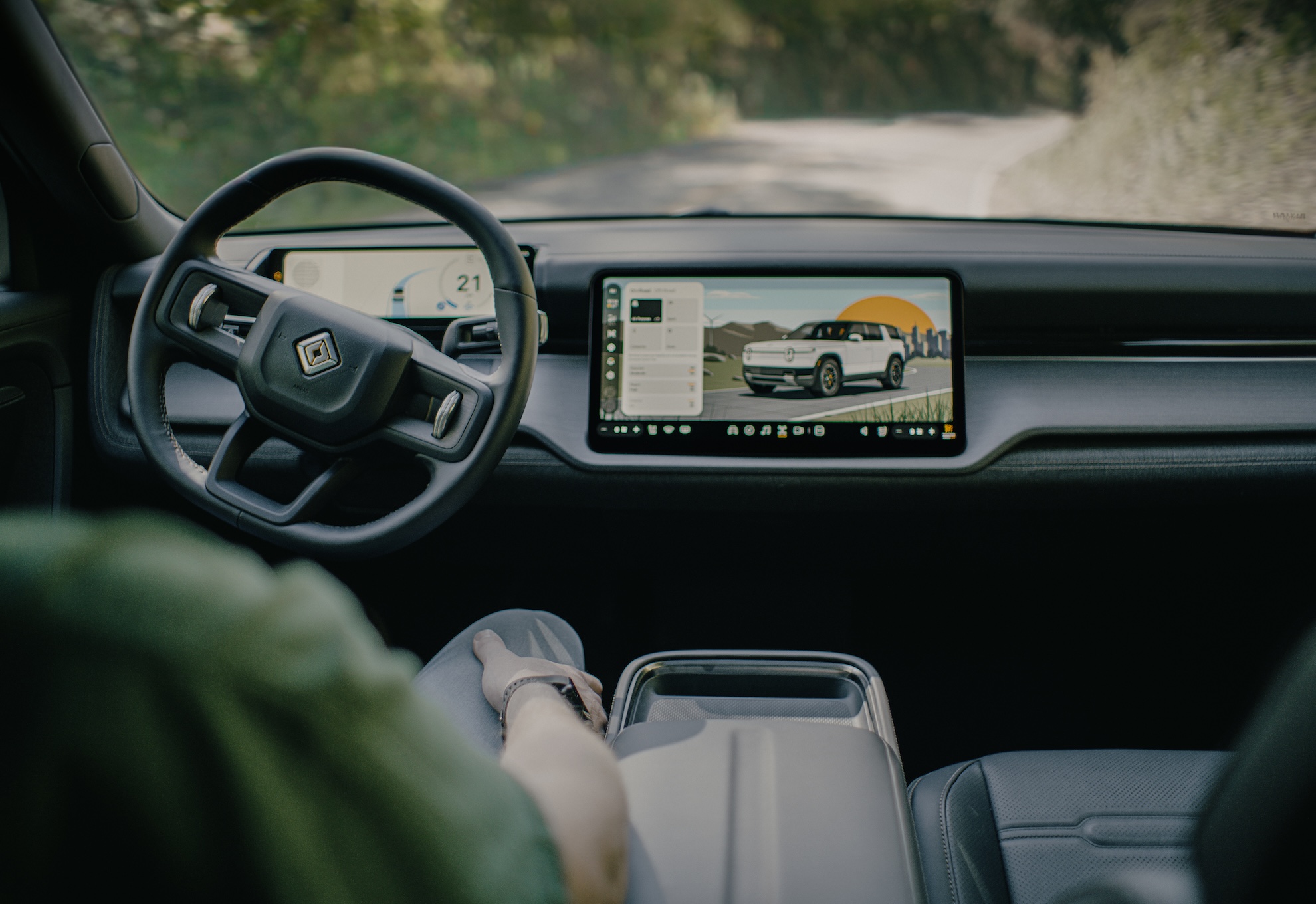
Technological enhancements are also extending to user experience, with Rivian rolling out a companion application enabling owners to control basic vehicle functions, such as locking doors or venting windows, directly from their Apple Watch. This integration of smart device functionality reflects a broader trend toward seamless digital interaction with modern vehicles.
However, the legal landscape for autonomous driving remains fraught with challenges. Tesla recently lost its appeal to overturn a $243 million jury verdict in a fatal Autopilot crash trial. This verdict underscores the significant liability risks associated with advanced driver-assistance systems. Nevertheless, Tesla did secure a win with the California Department of Motor Vehicles, which opted not to suspend the company’s sales and manufacturing licenses for 30 days. This decision came after Tesla reportedly ceased using the controversial term "Autopilot" in its marketing materials within the state, highlighting the critical role of clear and accurate product branding in navigating regulatory scrutiny.
The ongoing discussions around Waymo’s remote assistance operations, combined with the broader trends in EV adoption, regulatory hurdles, and technological innovation, paint a vivid picture of a mobility sector in constant flux. The industry’s future will undoubtedly hinge on its ability to balance groundbreaking technological advancements with robust safety protocols, transparent communication, and adaptable regulatory frameworks that can keep pace with the rapid rate of change.