Amir Mahmud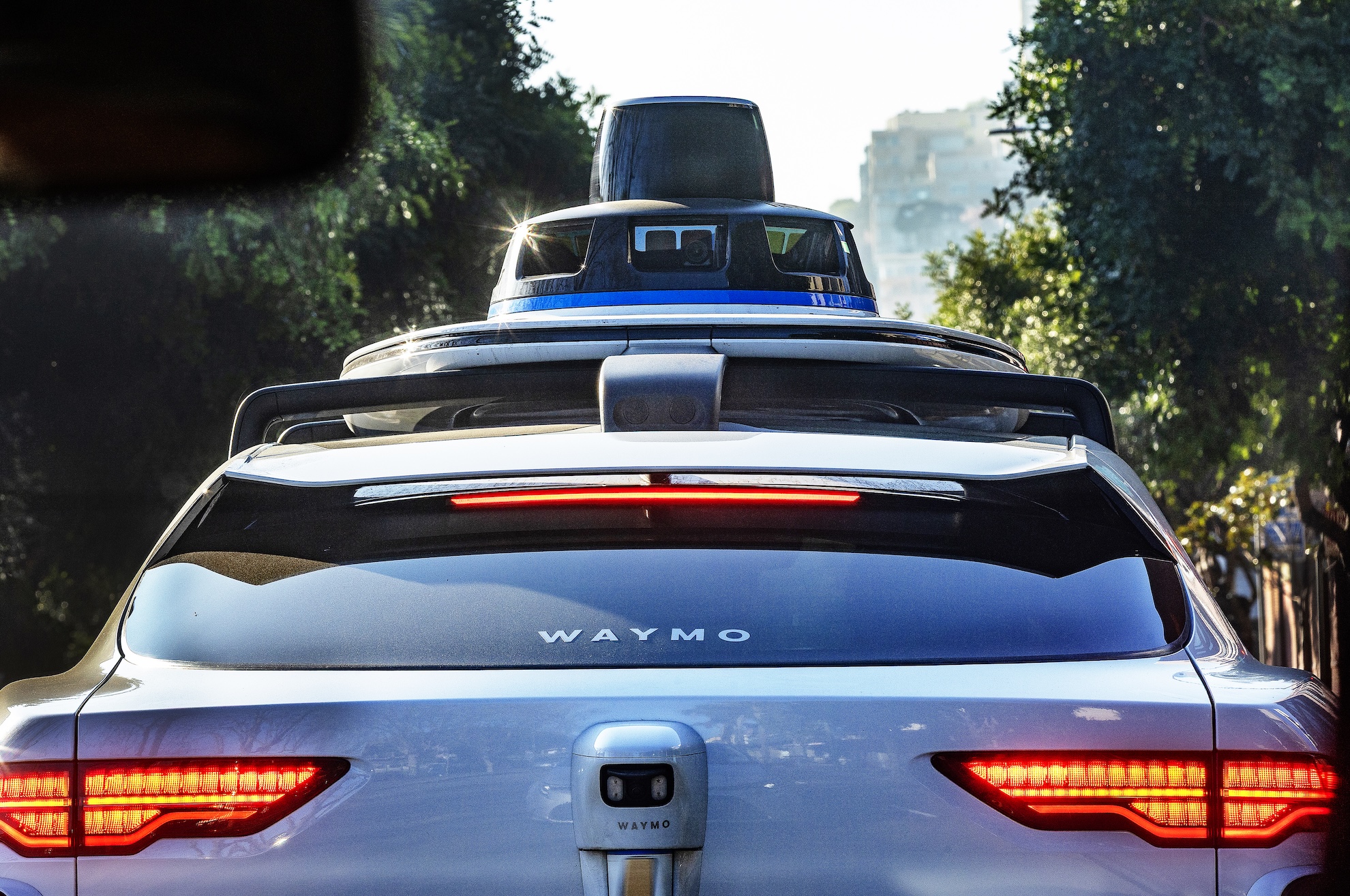
A recent investigation spearheaded by Senator Ed Markey (D-MA) has exposed a significant lack of transparency within the burgeoning autonomous vehicle (AV) industry, as leading companies declined to disclose critical information regarding the frequency with which their self-driving systems rely on remote human assistance. This refusal to provide essential operational data, detailed in a report released Tuesday by Markey’s office, underscores growing concerns among lawmakers about the safety protocols and accountability of companies deploying advanced robotic vehicles on public roads. The inquiry targeted seven prominent U.S. firms actively developing and operating autonomous technology: Aurora, May Mobility, Motional, Nuro, Tesla, Waymo, and Zoox.
The Black Box of Remote Assistance
At the core of Senator Markey’s investigation was a series of questions probing the intricate role of "remote assistance operators" – human staff who monitor and, in some cases, intervene in the operations of autonomous vehicles from a distance. These operators are crucial for navigating unexpected scenarios that confuse or stall self-driving cars, such as unusual road construction, complex turns, or unforeseen obstacles. The senator specifically sought to ascertain how often these vehicles, ranging from robotaxis to self-driving semi-trucks, necessitate human intervention or guidance from remote personnel. Despite the direct nature of the inquiry, every company contacted either explicitly refused to provide this frequency data, citing it as "confidential business information," or, in Tesla’s case, conspicuously omitted the question from its response altogether.
This stonewalling by industry leaders highlights a deeper tension between technological innovation and public safety, especially as these advanced systems transition from experimental prototypes to commercial services. Markey’s report unequivocally condemned this opacity, stating, "This report has revealed a stunning lack of transparency from the AV companies around their use of [remote assistance operators] to help guide their AVs. The investigation exposed a patchwork of safety practices across the industry, with significant variation in operator qualifications, response times, and overseas staffing, all without any federal standards governing these operations." In response to these findings, Senator Markey has publicly called upon the National Highway Traffic Safety Administration (NHTSA) to initiate a comprehensive investigation into the remote assistance practices of these companies and has announced plans to draft legislation aimed at imposing stringent federal guardrails on the use of remote operators within the AV sector.
A Brief History of Autonomy and Intervention
The concept of autonomous vehicles has captivated engineers and futurists for decades, with early experiments dating back to the 1980s. However, the last two decades have witnessed a rapid acceleration in development, fueled by advancements in artificial intelligence, sensor technology, and computational power. Initial visions often portrayed fully autonomous systems operating flawlessly without any human input. Yet, as real-world testing began, the complexities of navigating dynamic and unpredictable urban environments quickly became apparent.
It was during this extensive testing phase that the necessity of remote assistance emerged as a pragmatic solution. Human operators, often monitoring multiple vehicles simultaneously, could offer guidance to AVs encountering "edge cases"—situations not adequately covered by their pre-programmed rules or trained data sets. What began as a safety net for experimental fleets has evolved into an integral, albeit often unadvertised, component of commercially deployed robotaxi and self-driving logistics services. Companies like Waymo and Cruise, for instance, have been operating limited commercial services in cities for several years, gradually expanding their operational design domains. The increasing deployment of these vehicles has intensified public and regulatory scrutiny, shifting the conversation from theoretical capabilities to real-world operational safety and the precise role of human oversight.
A Fragmented Regulatory Landscape and Varied Practices
The responses received by Markey’s office revealed a stark absence of uniform industry standards regarding remote assistance operations. The senator’s 14-question inquiry delved into various aspects, including the size and location of remote teams, licensing requirements for operators, and security protocols for the data they handle. While no company offered specific metrics on intervention frequency, their answers diverged significantly on other crucial points.
Waymo, a leader in the robotaxi space, acknowledged that approximately half of its remote assistance staff is based in the Philippines. This revelation sparked particular concern from Markey’s office, which highlighted that "a driver’s license in a foreign location is not a substitute for passing a U.S. driver’s license exam, as the rules of the road will almost certainly vary by location." This raises important questions about the universality of driving rules and the adequacy of training for operators tasked with overseeing vehicles in different jurisdictions. Waymo did state that improvements to its self-driving system have "materially reduced" the number of help requests per mile, but it refrained from providing any specific data or verifiable evidence to substantiate this claim. The company further asserted that a "vast majority of requests" are resolved by the autonomous system itself before an agent even provides an answer, suggesting a tiered system of intervention.
Another critical point of divergence was the extent of remote operators’ control over the vehicles. All companies, with the notable exception of Tesla, maintained that their remote assistance workers either lack the capability or are not authorized to directly control autonomous vehicles. Their role, they asserted, is primarily to provide guidance or approve maneuvers. Tesla, however, stated that its remote assistance workers "are authorized to temporarily assume direct vehicle control as the final escalation maneuver after all other available intervention actions have been exhausted." This direct control is subject to strict limitations: it can only occur if the vehicle in its pilot fleet is moving at 2 miles per hour or less, and the remote operator cannot exceed a speed of 10 miles per hour. Tesla justified this capability by explaining it "enables Tesla to promptly move a vehicle that may be in a compromising position, thereby mitigating the need to wait for a first responder or Tesla field representative to manually recover the vehicle." This capability positions Tesla uniquely within the industry, offering a different approach to incident management.
Social Impact and Public Trust
The growing presence of autonomous vehicles on public roads has profound social and cultural implications. While proponents envision a future with fewer accidents, reduced traffic congestion, and increased mobility for underserved populations, public apprehension remains a significant hurdle. High-profile incidents, even minor ones involving stalled vehicles or unusual behaviors, can quickly erode public trust. The recent scrutiny faced by Waymo from San Francisco city officials regarding its reliance on first responders to move stuck robotaxis exemplifies this challenge. While Waymo does maintain a separate "roadside assistance" team, the perceived need for external intervention, even for non-critical issues, contributes to a narrative of immaturity in the technology.
Transparency around remote assistance is not merely a technical or regulatory issue; it is fundamental to building and maintaining public confidence. If the public perceives that these "self-driving" cars frequently require hidden human intervention, or that their operations are shrouded in secrecy, it could significantly delay widespread adoption. Furthermore, the practice of outsourcing remote assistance to overseas locations, as revealed by Waymo, introduces complex questions about labor practices, data security, and the geographical distribution of operational control, which could have cultural and economic impacts on local workforces and global supply chains.
The Path Forward: Regulation and Accountability
The findings of Senator Markey’s investigation underscore a critical need for standardized federal oversight in the rapidly evolving AV sector. The current "patchwork of safety practices" across companies, coupled with the reluctance to disclose vital operational data, creates an environment where regulators and the public cannot fully assess the safety and reliability of these systems. The absence of federal standards for operator qualifications, response times, and the permissible extent of remote control presents a significant regulatory gap that could lead to inconsistent safety outcomes and impede the industry’s long-term growth.
NHTSA, as the primary federal agency responsible for vehicle safety, is expected to play a more proactive role in defining these standards. Markey’s proposed legislation aims to provide a framework for such regulations, mandating disclosure, setting minimum qualifications for remote operators, and establishing clear protocols for intervention. This regulatory push comes at a crucial time, as the AV market is projected to expand significantly in the coming years, with more commercial deployments anticipated across various transportation segments, including ride-hailing, logistics, and public transit.
The industry’s response to this heightened scrutiny will be pivotal. While companies often argue that disclosing proprietary operational data could compromise their competitive advantage, the long-term success of autonomous technology hinges on a foundation of trust and verifiable safety. Striking a balance between fostering innovation and ensuring robust public safety is the central challenge. As autonomous vehicles become an increasingly integrated part of daily life, the demand for clear, comprehensive, and transparent reporting on their operational realities, including the vital role of remote human assistance, will only intensify. The debate initiated by Senator Markey is not just about data points; it is about setting the precedent for accountability in the age of artificial intelligence on our roads.