Amir Mahmud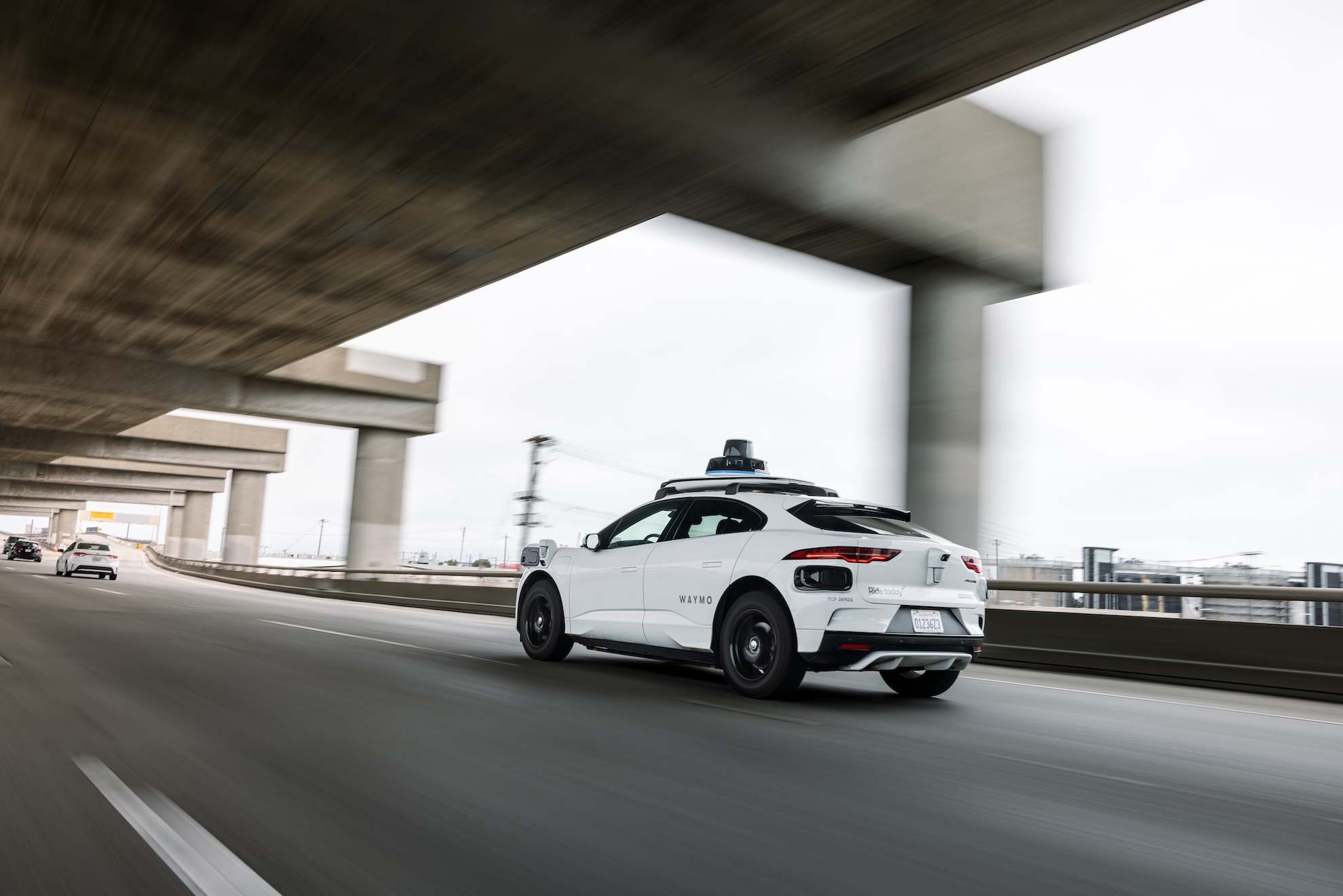
Waymo, the pioneering autonomous driving technology company operating under Alphabet, is reportedly on the cusp of finalizing a massive $16 billion funding round. This substantial capital influx would catapult the company’s valuation to an estimated $110 billion, marking a significant milestone in the competitive race to commercialize self-driving vehicles. The news, initially reported by the Financial Times, underscores the immense investor confidence in Waymo’s long-term potential, even as the autonomous vehicle (AV) industry continues to navigate complex technological, regulatory, and public acceptance challenges.
A significant portion of this reported funding, over three-quarters, is expected to originate from Waymo’s parent company, Alphabet. This internal commitment highlights Alphabet’s strategic imperative to back its "moonshot" venture, originally incubated within its experimental X division. The round is also poised to welcome new high-profile investors, including Dragoneer, Sequoia Capital, and DST Global, while seeing continued participation from existing backers like Andreessen Horowitz and the Abu Dhabi sovereign fund Mubadala. This mix of strategic corporate investment, leading venture capital, and sovereign wealth funds signals a robust belief in Waymo’s trajectory and its foundational role in the future of mobility.
When approached for comment regarding the reported financial activities, a Waymo spokesperson offered a statement emphasizing the company’s operational achievements and strategic focus. They noted, "While we don’t comment on private financial matters, our trajectory is clear: with over 20 million trips completed, we are focused on the safety-led operational excellence and technological leadership required to meet the vast demand for autonomous mobility." This statement, while not confirming the specifics of the funding, reinforces the company’s commitment to scaling its operations and refining its technology as it pushes towards broader adoption.
From Moonshot to Market Leader: Waymo’s Journey
Waymo’s origins trace back to 2009, when it began as Google’s self-driving car project, "Project Chauffeur." At a time when autonomous vehicles were largely confined to science fiction, Google embarked on a bold endeavor to develop technology capable of navigating public roads without human intervention. The project’s initial years were characterized by extensive research and development, marked by the deployment of modified Toyota Priuses and later, Lexus SUVs, equipped with an array of sensors and sophisticated software.
A pivotal moment arrived in 2015 with the unveiling of the "Firefly," Google’s custom-built, compact autonomous vehicle designed without a steering wheel or pedals, signaling a profound shift towards fully driverless operation. In December 2016, the self-driving car project was officially spun out from Google X (now simply X) and rebranded as Waymo, positioning it as an independent company under the Alphabet umbrella. This separation aimed to provide Waymo with the focus and resources needed to commercialize its technology.
Waymo achieved a significant milestone in 2017 when it became the first company to launch a fully driverless public ride-hailing service in Phoenix, Arizona, albeit initially with safety drivers present. By 2020, Waymo One, its commercial robotaxi service, began offering rides entirely without human safety drivers in the driver’s seat in parts of Phoenix. This gradual, safety-first approach has been central to Waymo’s strategy, emphasizing extensive testing and validation before expanding services. Over the years, Waymo has accumulated billions of miles in simulated driving and millions of miles on public roads, collecting an unparalleled dataset critical for refining its artificial intelligence and perception systems. The company’s focus has consistently been on Level 4 autonomy, meaning the vehicle can handle all driving tasks under specific conditions, without human intervention.
A Monumental Capital Infusion
The reported $16 billion funding round represents a staggering increase from Waymo’s previous capital raises. In 2024, the company successfully closed a $5.6 billion Series C round, which then valued the enterprise at $45 billion. The current reported valuation of $110 billion, more than doubling in a relatively short period, reflects not only the progress Waymo has made but also the escalating expectations for the autonomous vehicle market. This significant jump also underscores the long-term, capital-intensive nature of developing and deploying self-driving technology.
Alphabet’s continued substantial investment, reportedly providing over $12 billion, is crucial. It signifies a profound belief in Waymo’s strategic importance to the parent company’s future ecosystem, potentially integrating with logistics, ride-sharing, or even urban planning solutions. For external investors like Sequoia Capital, a prominent venture capital firm known for backing successful tech companies, their involvement lends significant credibility. Similarly, the participation of sovereign wealth funds like Mubadala indicates a long-term view, recognizing autonomous driving as a foundational technology that will reshape global economies. DST Global, another major player in tech investment, further solidifies the round’s high-profile backing.
This influx of capital is not merely a vote of confidence; it provides Waymo with the financial muscle necessary to accelerate its ambitious expansion plans, invest further in cutting-edge research and development, and build out the complex operational infrastructure required for large-scale robotaxi deployment. The industry estimates that bringing autonomous vehicles to maturity requires billions of dollars, and Waymo’s latest funding positions it strongly to meet these demands.
Navigating the Complex Autonomous Landscape
Waymo’s expansion strategy has been deliberate and methodical. Following its success in Phoenix, the company has steadily grown its footprint, notably launching services in San Francisco and, more recently, in Miami. The introduction of Waymo’s robotaxi service to Miami signals its intent to expand into diverse urban environments, each presenting unique challenges in terms of traffic patterns, road infrastructure, and pedestrian behavior. Such expansion is vital for gathering more diverse data and proving the adaptability of its AI driving system.
However, this growth has not been without its challenges. The autonomous vehicle industry operates under intense scrutiny, and every incident, no matter how minor, tends to garner significant public and media attention. For instance, Waymo faced a notable challenge during a widespread power blackout in San Francisco, where a number of its robotaxis reportedly stalled at traffic lights. While the company explained the vehicles’ behavior as a safety protocol in response to unexpected infrastructure failure, such events highlight the nascent nature of the technology and the public’s sensitivity to perceived shortcomings. Ensuring robust performance under all conceivable conditions, including adverse weather, unusual road incidents, and infrastructure failures, remains a paramount engineering and operational hurdle.
The regulatory environment also presents a dynamic and often fragmented challenge. While some states and cities have embraced autonomous vehicle testing and deployment, others remain cautious, imposing strict regulations or outright bans. Waymo, along with its industry peers, must continuously engage with policymakers, demonstrate the safety benefits of its technology, and contribute to the development of a coherent national regulatory framework that fosters innovation while ensuring public safety.
Market Trajectory and Societal Implications
The broader autonomous vehicle market is poised for transformative growth. Industry analysts project that the global AV market, encompassing everything from robotaxis to autonomous trucks and delivery vehicles, could reach hundreds of billions of dollars in the coming decade. Waymo, with its advanced technology and significant head start, is well-positioned to capture a substantial share of this burgeoning market. The company’s reported annual recurring revenue (ARR) of over $350 million, as noted by the Financial Times, provides an early glimpse into its commercial potential, though it remains modest compared to the vast investments required.
The societal implications of widespread autonomous mobility are profound. On the one hand, AVs promise enhanced safety, with the potential to dramatically reduce traffic accidents caused by human error. They could also offer increased accessibility for individuals unable to drive, reduce traffic congestion in urban areas through optimized routing and fleet management, and potentially contribute to environmental sustainability if deployed as part of an electric vehicle fleet. New business models in logistics, last-mile delivery, and personalized transport are also expected to emerge, creating new economic opportunities.
On the other hand, the transition to autonomous vehicles raises significant questions regarding job displacement in sectors reliant on human drivers, ethical considerations in accident scenarios, and the potential for increased surveillance through ubiquitous sensor networks. Public acceptance remains a critical factor; trust in autonomous technology is built slowly through consistent safety performance and transparent communication. This latest funding round signals that investors believe these challenges are surmountable, and the long-term rewards are substantial enough to warrant such colossal bets.
The Road Ahead: Scaling and Sustainability
Waymo’s latest capital injection positions it to accelerate its mission of making autonomous mobility a ubiquitous reality. The funds will likely be deployed across several key areas: further expanding its operational design domains (ODDs) to new cities and larger areas within existing cities, investing in the next generation of its Waymo Driver hardware and software, and scaling its fleet of vehicles. The company’s goal is not just to operate a few hundred robotaxis but to build a scalable, profitable service that can eventually serve millions of riders and goods movement needs.
The journey to profitability for autonomous vehicle companies is expected to be lengthy and capital-intensive. While Waymo has demonstrated its technological prowess and operational capability, the challenge now shifts to achieving economic scalability. This involves optimizing fleet utilization, reducing operational costs, and expanding revenue streams beyond just ride-hailing, potentially through partnerships in logistics, public transit, or even licensing its technology.
Waymo’s reported $16 billion funding round and $110 billion valuation are not just financial figures; they are a testament to the enduring belief in the transformative power of autonomous technology. As the company continues to refine its Waymo Driver, navigate regulatory complexities, and expand its service footprint, it remains a central figure in shaping the future of transportation, driving towards a world where autonomous vehicles are an integral, safe, and efficient part of daily life. The road ahead is undoubtedly long, but with such significant backing, Waymo appears well-equipped to forge a path forward.