Amir Mahmud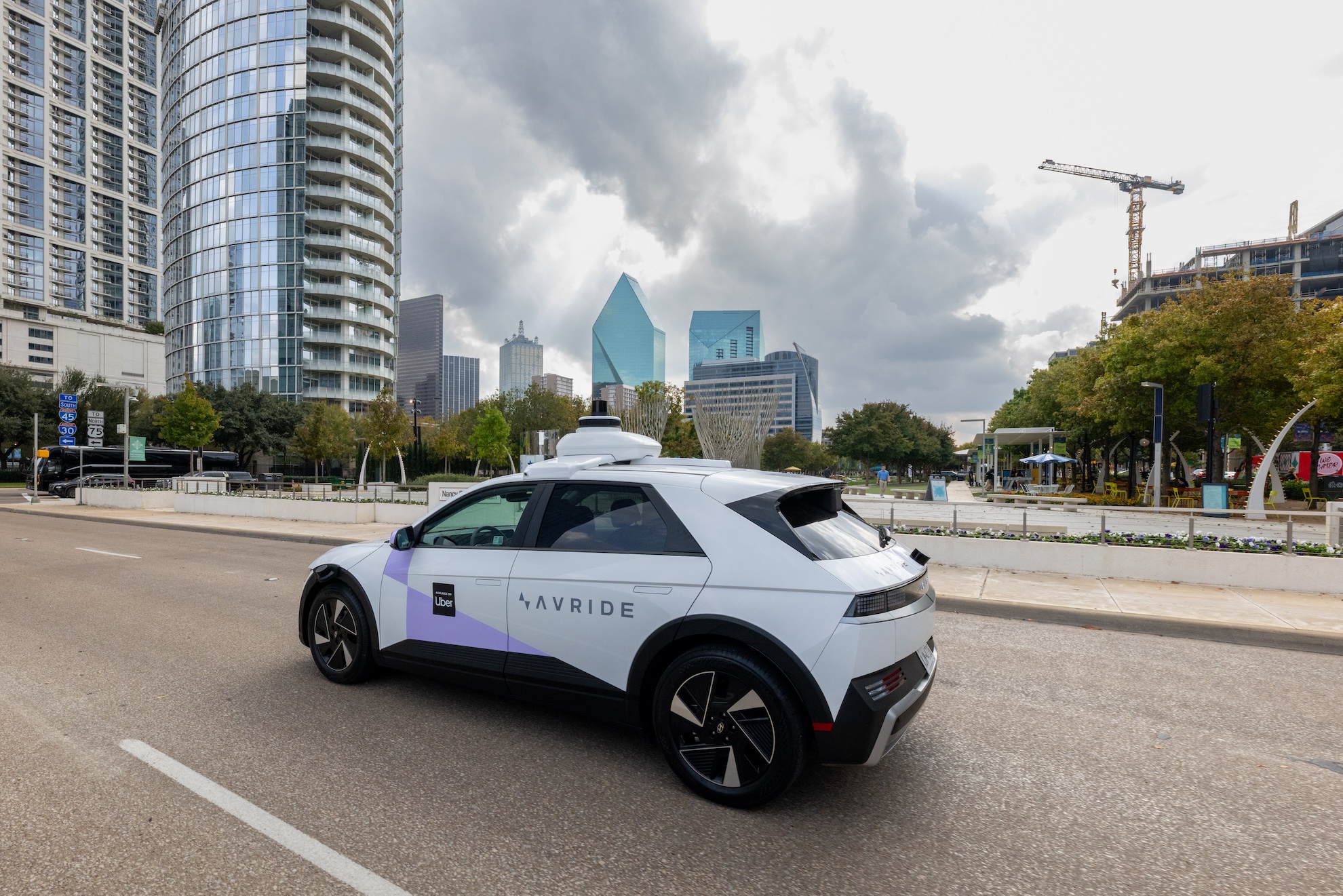
Dallas is witnessing a significant step in the evolution of urban transportation with the commercial launch of a robotaxi service, a collaborative effort between ride-hailing giant Uber and autonomous vehicle technology firm Avride. This deployment marks a pivotal moment in the ongoing quest to integrate self-driving cars into mainstream public transit options, offering Uber customers in the Texas metropolis the chance to experience automated rides for the first time in the city. While the initial phase includes a human safety operator behind the wheel and operates within a defined service area, both companies have articulated plans for a future of fully driverless operations and expanded geographical coverage, signaling a clear trajectory towards more advanced autonomous mobility solutions.
The Strategic Imperative: Uber’s Shift Towards Autonomous Partnerships
For Uber, this launch culminates a year characterized by aggressive deal-making and strategic deployments within the autonomous vehicle (AV) sector. The company’s journey with self-driving technology has been complex, initially investing heavily in its own proprietary research and development unit, Advanced Technologies Group (ATG). However, facing the immense capital requirements and prolonged timelines inherent in developing full-stack autonomous systems, Uber strategically pivoted. In 2020, it divested ATG to Aurora Innovation, opting instead for an "asset-light" model that prioritizes partnerships with specialized AV technology providers. This approach allows Uber to leverage its vast ride-hailing network and operational expertise while relying on the innovation and technical prowess of companies like Avride, Waymo, WeRide, and Nuro. This shift underscores a broader industry trend where collaboration is increasingly seen as a viable path to commercialization, distributing the financial and technological burdens across multiple entities.
Avride’s Journey: From Yandex Spin-off to Uber Partner
Avride, an Austin-based startup operating under the Nebius Group, represents a crucial piece of Uber’s evolving autonomous strategy. The Nebius Group itself has a notable history, formerly known as Yandex NV, a Netherlands-based technology conglomerate that underwent a significant restructuring in 2024, divesting its Russian businesses. This background highlights Avride’s deep roots in sophisticated technological development. The partnership between Uber and Avride was initially forged in October 2024 with a multi-year agreement aimed at integrating Avride’s autonomous sidewalk delivery robots and self-driving vehicles into both Uber Eats and the core Uber ride-hailing platform. Within months, Avride’s sidewalk robots commenced food deliveries via the Uber Eats app across Austin, Dallas, and Jersey City, establishing an early operational precedent. Further solidifying their alliance, Avride secured substantial strategic investments and commercial commitments totaling $375 million from Uber and Nebius, affirming the financial backing and long-term vision for their joint ventures. The transition from delivery robots to robotaxis marks a natural, albeit more complex, progression in their collaborative efforts, with considerably higher stakes involved in passenger transportation.
Initial Deployment in the Lone Star State: Scope and Specifics
The Dallas robotaxi service is designed to seamlessly integrate into the existing Uber application, allowing customers requesting UberX, Uber Comfort, or Uber Comfort Electric to potentially be matched with an Avride robotaxi. Riders will have the option to accept the autonomous vehicle or switch to a human-driven ride, providing a layer of user control and comfort. Once a match is confirmed and the robotaxi arrives, passengers can use the Uber app to unlock the vehicle, open the trunk, and initiate their journey, mirroring the convenience of the traditional Uber experience. Crucially, these initial robotaxi rides will be priced identically to those operated by human drivers, aiming to encourage adoption without an additional cost barrier.
The fleet consists of all-electric Hyundai Ioniq 5 vehicles, each meticulously outfitted with Avride’s advanced self-driving system. The service is initially confined to a roughly 9-square-mile operational zone encompassing the bustling downtown area of Dallas. This strategic geographical limitation allows for controlled testing and refinement within a predictable urban environment before broader expansion. While the current fleet size is limited, an Uber spokesperson indicated ambitious plans to scale up to hundreds of Avride robotaxis across Dallas over the next few years. Operations will initially see Avride managing its own fleet, but Uber is slated to gradually assume day-to-day fleet management responsibilities, including essential tasks such as cleaning, maintenance, inspections, charging, and depot management, while Avride will continue to oversee vehicle testing and system optimization.
Navigating the Regulatory and Technological Landscape
The deployment of autonomous vehicles is a complex endeavor, fraught with both technological hurdles and a fragmented regulatory environment. While advancements in AI, sensor technology, and mapping have made self-driving cars a reality, achieving "Level 5" autonomy—where a vehicle can operate completely independently under all conditions—remains a distant goal for many. The current implementation in Dallas, with a human safety operator, reflects the industry’s cautious approach, adhering to regulatory requirements and ensuring public safety during the development and testing phases. This human oversight is crucial for managing "edge cases"—unusual or unpredictable scenarios that autonomous systems struggle with—and for building public trust.
The United States presents a patchwork of state-specific regulations concerning autonomous vehicle testing and commercial deployment. Texas, notably, has adopted a comparatively progressive stance, creating an environment conducive to AV development and operation. This regulatory openness, coupled with Dallas’s expansive infrastructure and growing tech presence, makes it an attractive hub for companies looking to commercialize autonomous services. However, public perception remains a critical factor. High-profile incidents involving autonomous vehicles, regardless of fault, can significantly impact consumer confidence and slow adoption rates. Consequently, transparent communication, demonstrable safety records, and a focus on incremental, well-tested deployments are paramount for fostering widespread acceptance.
The Broader Autonomous Vehicle Ecosystem: Competition and Innovation
Uber’s strategy of forging multiple partnerships places it firmly within a dynamic and highly competitive autonomous vehicle ecosystem. Beyond Avride, Uber has established alliances with other industry leaders, including Waymo (Alphabet’s self-driving division), which operates commercial robotaxi services with Uber in Atlanta, Austin, and Phoenix. The company has also partnered with China’s WeRide for services in Abu Dhabi and Riyadh, and with San Francisco-based startup Nuro for autonomous deliveries. This diverse portfolio of partnerships positions Uber to benefit from varied technological approaches and geographical market penetration, hedging its bets across different solutions and regulatory landscapes.
The global AV market is characterized by intense innovation and significant investment from tech giants, traditional automakers, and specialized startups. Companies like Cruise (General Motors’ AV unit, currently navigating operational challenges), Zoox (Amazon), and Mobileye (Intel) are all vying for market share, each employing different strategies, from developing full-stack proprietary systems to focusing on specific components or services. The competition is not just about technological superiority but also about operational efficiency, scalability, and the ability to navigate complex regulatory and social challenges. Uber’s partnership-centric model is a testament to the belief that collaboration, rather than singular development, might be the most effective way to accelerate the commercialization and widespread adoption of autonomous mobility.
The User Experience: Riding the Future
For the average Uber user in Dallas, the introduction of robotaxis promises a novel and potentially enhanced ride-hailing experience. The option to select a robotaxi, or defer to a human-driven vehicle, empowers riders with choice. This approach allows users to gradually familiarize themselves with the technology at their own pace. The in-app controls for unlocking and starting the trip are designed to be intuitive, leveraging the familiar interface of the Uber application. Maintaining consistent pricing with human-driven rides during this introductory phase is a strategic move to lower the barrier to trial and encourage early adoption.
As the service expands and transitions to fully driverless operations, the user experience could evolve further, potentially offering benefits such as more consistent ride quality, optimized routing, and eventually, potentially lower costs as operational efficiencies improve. The novelty of riding in a self-driving car is likely to attract initial interest, but long-term adoption will hinge on reliability, safety, and convenience matching or exceeding that of traditional ride-hailing services.
Projected Trajectory: Uber’s Ambitious Expansion Goals
The Dallas launch is a critical stepping stone in Uber’s broader, ambitious vision for autonomous transportation. The company has publicly declared its intention to have autonomous vehicles integrated into its network in at least 10 cities by the close of 2026. This aggressive timeline underscores Uber’s commitment to becoming a leading platform for autonomous mobility globally. Following the initial deployments in Dallas, and building on existing services in Atlanta, Austin, Phoenix, Abu Dhabi, and Riyadh, Uber plans to introduce AVs on its app in additional key urban centers. These include Arlington, Texas; Dubai; London; Los Angeles; Munich; and the San Francisco Bay Area. This expansion strategy targets diverse markets with varying regulatory frameworks and population densities, allowing Uber to gather extensive operational data and adapt its services to different urban landscapes.
Socio-Economic Resonance: Impact on Urban Living and Labor
The widespread adoption of robotaxis carries profound socio-economic implications. On one hand, autonomous vehicles promise to revolutionize urban living by potentially reducing traffic congestion, enhancing road safety through the elimination of human error, and offering increased mobility options for individuals unable to drive themselves. They could also lead to more efficient use of urban space, as parking requirements diminish and vehicle utilization rates increase. For cities like Dallas, which are experiencing rapid growth, integrating AVs could be a proactive step towards managing future transportation demands.
However, the advent of robotaxis also raises legitimate concerns, particularly regarding labor displacement. The transition to fully driverless fleets will inevitably impact the millions of individuals currently employed as ride-hailing drivers, taxi operators, and professional chauffeurs. While new jobs in AV maintenance, fleet management, and remote operations may emerge, the scale and nature of these new opportunities may not fully offset the jobs lost. Additionally, the cultural impact on urban landscapes, public transit systems, and individual car ownership models could be substantial, requiring careful consideration and adaptive policy-making to ensure an equitable transition.
The Road Ahead: Iteration and the Promise of Driverless Autonomy
The launch of the Avride robotaxi service in Dallas, while significant, represents an early phase in the journey towards fully autonomous urban mobility. The presence of a human safety operator is a pragmatic step that prioritizes safety and allows for continuous learning and system refinement. The stated goal of transitioning to fully driverless operations in the future highlights the iterative nature of autonomous technology development, which requires extensive testing, data collection, and continuous improvement of AI algorithms and sensor capabilities.
As these systems mature and regulatory frameworks evolve, the promise of driverless autonomy—characterized by enhanced safety, efficiency, and accessibility—moves closer to realization. Dallas, as one of the pioneering cities, will serve as a crucial proving ground, offering valuable insights into the operational challenges, consumer acceptance, and broader societal impacts of this transformative technology. The collaboration between Uber and Avride is not just about deploying self-driving cars; it’s about redefining the future of urban transportation, one autonomous ride at a time.