Amir Mahmud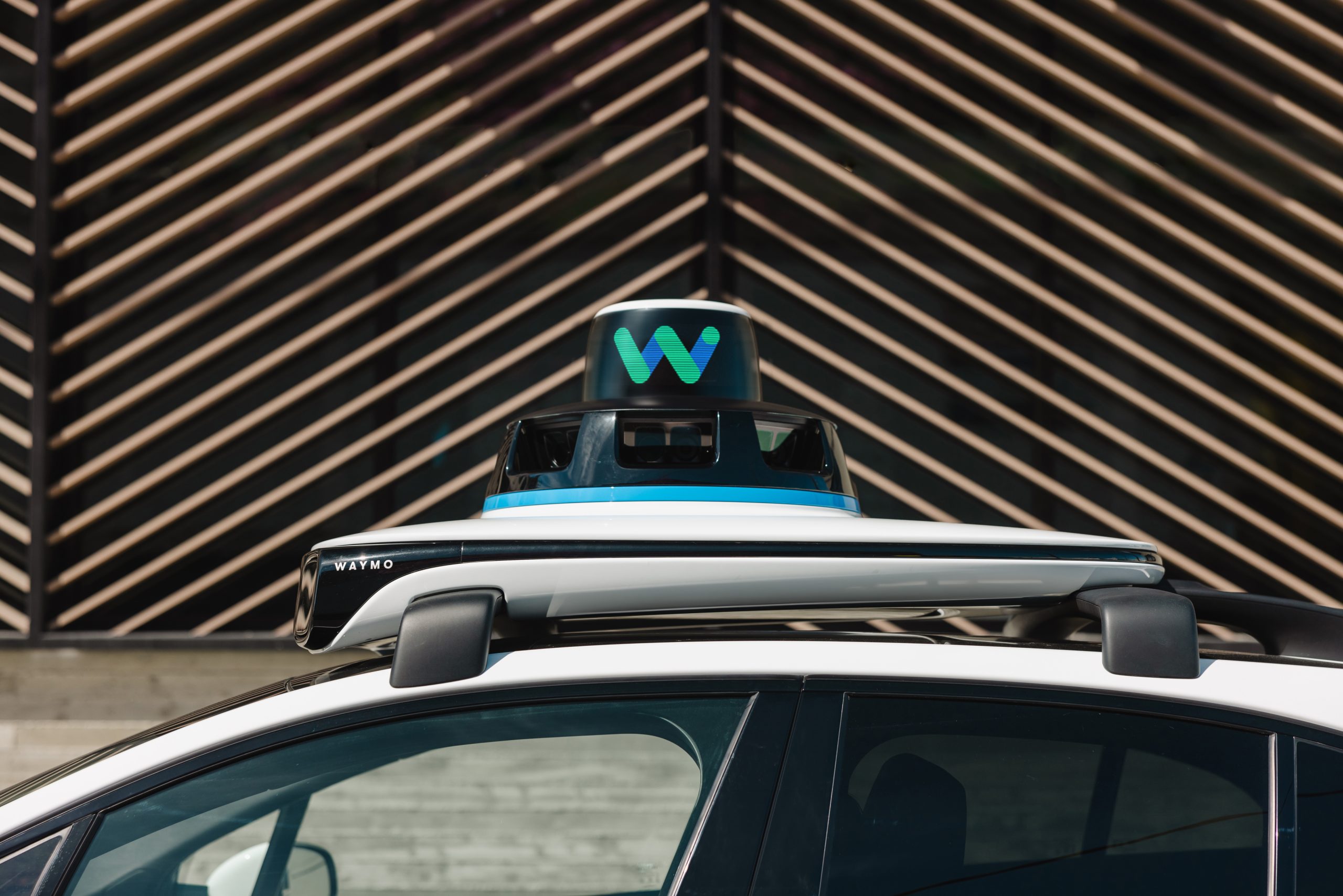
Waymo, a pioneering force in autonomous vehicle technology and a subsidiary of Alphabet, has significantly broadened its operational footprint across the United States. The company recently announced the commencement of testing its self-driving vehicles, equipped with human safety monitors, in Philadelphia. This strategic move is part of a larger expansion plan that also includes manual data collection drives in Baltimore, St. Louis, and Pittsburgh, signaling an aggressive push into new, complex urban environments. While Waymo has not yet outlined a definitive timeline for the launch of commercial services in these latest locations, nor has it confirmed potential partnerships for their operation, this expansion underscores the company’s ambition to scale its robotaxi services nationwide.
The Genesis of Driverless Innovation: Waymo’s Trajectory
The journey toward widespread autonomous mobility is a long and intricate one, with Waymo at its vanguard. Originating in 2009 as the Google Self-Driving Car Project, Waymo was spun out as an independent entity under the Alphabet umbrella in 2016. Its mission: to develop technology for fully autonomous vehicles capable of operating without human intervention. This pursuit has involved pioneering breakthroughs in sensor technology, artificial intelligence, and sophisticated mapping systems, drawing on decades of research in robotics and computer vision.
Over the years, Waymo has meticulously refined its "Waymo Driver" system, which integrates an array of sensors—including LiDAR, radar, and high-resolution cameras—to create a comprehensive, 360-degree understanding of the vehicle’s surroundings. This perception system, coupled with advanced prediction algorithms and decision-making software, allows the autonomous vehicles to navigate complex traffic scenarios, interpret road signs, and respond to dynamic environmental conditions.
The company’s expansion strategy has been methodical, beginning with extensive testing in controlled environments and later progressing to public roads with safety drivers. Phoenix, Arizona, served as the initial proving ground, where Waymo launched its first public robotaxi service, Waymo One, in 2018. This was followed by deployments and expansions in other major metropolitan areas, including San Francisco and Los Angeles, where the company now offers fully autonomous rides, even on freeways. These deployments have provided invaluable real-world data, enabling continuous improvement of the Waymo Driver system and showcasing the potential for autonomous technology to revolutionize urban transportation.
Philadelphia: A Crucible for Advanced Autonomy
The selection of Philadelphia as a new testing ground represents a significant step for Waymo. Cities like Philadelphia present a unique set of challenges that push autonomous technology to its limits. Its dense urban core, characterized by narrow streets, historic architecture, complex intersections, and a high volume of pedestrians and cyclists, demands an exceptionally robust and adaptable self-driving system. Furthermore, Philadelphia experiences a full range of weather conditions, from heavy snow and ice in winter to torrential rain and heat in summer, all of which can impact sensor performance and road conditions.
By introducing vehicles with safety monitors into this environment, Waymo aims to gather critical data specific to Philadelphia’s urban fabric. This data collection phase is crucial for building detailed, high-definition maps of the city and for training the Waymo Driver to understand and predict the nuances of local driving behaviors and infrastructure. The presence of a human safety driver ensures that the vehicle can be immediately taken over if the autonomous system encounters a situation it cannot confidently navigate, mitigating risks during this developmental stage. This gradual, data-intensive approach is a hallmark of the autonomous vehicle industry, recognizing the imperative of safety and reliability before full commercial deployment. The insights gained from Philadelphia’s diverse traffic patterns and environmental conditions will be instrumental in refining the Waymo Driver for broader application in similar challenging urban landscapes across the globe.
Broader Horizons: Baltimore, St. Louis, and Pittsburgh
Beyond Philadelphia, Waymo’s decision to initiate manual data collection in Baltimore, St. Louis, and Pittsburgh indicates a strategic push into additional U.S. markets. These cities, while distinct, share characteristics that make them valuable for autonomous vehicle development. Baltimore, with its complex street network and waterfront areas, and Pittsburgh, known for its steep hills and varied topography, offer unique navigational challenges. St. Louis, situated at the confluence of major rivers, presents a different set of urban and environmental dynamics.
The manual driving phase is the foundational step in Waymo’s expansion playbook. Human drivers navigate the streets, meticulously collecting vast amounts of sensor data – including LiDAR scans, radar readings, and camera imagery – which are then fed into Waymo’s machine learning models. This data is essential for creating precise 3D maps, identifying road features, traffic signs, and understanding local driving norms. It also helps the AI system learn to interpret and respond to the myriad of unpredictable situations that can arise on city streets. This initial phase is critical for building the foundational knowledge base that will eventually allow the autonomous vehicles to operate safely and effectively in these new urban environments.
Waymo’s strategy has also involved forging strategic alliances to accelerate its commercial rollout. In cities like Atlanta and Austin, the company has partnered with ride-hailing giant Uber to integrate its robotaxi services onto the Uber platform. Such collaborations allow Waymo to leverage existing customer bases and operational infrastructure, potentially speeding up adoption and market penetration. The question of whether similar partnerships will be pursued in Baltimore, St. Louis, and Pittsburgh remains open, but the precedent suggests that Waymo is open to flexible deployment models to achieve its ambitious goal of performing one million rides per week by the end of 2026. This target underscores the immense scale Waymo envisions for its operations and its confidence in the technology’s readiness for mass adoption.
The Dual Narrative: Progress and Scrutiny
Waymo’s rapid expansion and technological advancements are accompanied by significant industry scrutiny and public debate, particularly regarding safety. The company proudly asserts that its autonomous vehicles operate at a level five times safer than human-driven vehicles, a claim supported by its internal data analysis. This assertion often draws upon metrics like miles driven per intervention, accident rates, and the severity of incidents compared to human-involved collisions. Proponents of autonomous technology frequently highlight its potential to drastically reduce traffic accidents, which are overwhelmingly caused by human error, distraction, or impairment.
However, the expansion has not been without its challenges and public incidents. The National Highway Traffic Safety Administration (NHTSA), the primary U.S. federal agency responsible for vehicle safety, has initiated investigations into Waymo’s operations. One prominent inquiry stems from incidents involving Waymo vehicles operating near school buses. For instance, a Waymo vehicle was filmed driving around a stopped school bus in Atlanta in September, a maneuver that raises significant safety concerns, especially when children are present.
Further compounding these concerns, an Austin news outlet, KXAN, published a report detailing multiple instances where Waymo vehicles in Austin allegedly drove past school buses that were actively loading or unloading children. This occurred even after Waymo publicly stated it had implemented software updates to address the specific issue of properly identifying and responding to stopped school buses. These incidents, while potentially rare compared to the vast number of miles driven autonomously, highlight critical areas where autonomous systems must demonstrate infallible judgment and adherence to safety regulations. They underscore the importance of continuous software refinement and robust testing protocols, especially in scenarios involving vulnerable road users like children. The outcomes of these NHTSA investigations will likely influence future regulatory frameworks and public trust in autonomous vehicles.
Societal and Economic Implications of Autonomous Mobility
The proliferation of robotaxi services like Waymo’s holds profound implications for society, urban planning, and the economy. From a societal perspective, autonomous vehicles promise enhanced accessibility for individuals unable to drive, increased convenience, and potentially reduced traffic congestion and pollution in urban centers if integrated efficiently with public transit. The promise of fewer human-caused accidents is a powerful motivator for the technology’s development.
Economically, the rise of robotaxis could reshape the transportation sector. While it could create new jobs in areas such as fleet management, maintenance, and software development, it also raises questions about the future of traditional taxi, ride-share, and delivery driver roles. Urban planners are beginning to consider how autonomous vehicles might alter infrastructure needs, parking requirements, and the very design of cities. The concept of "car ownership" could shift dramatically, with a greater emphasis on on-demand mobility services, potentially leading to fewer privately owned vehicles and more shared autonomous fleets.
Culturally, public perception remains a critical hurdle. Despite claims of superior safety, any incident involving an autonomous vehicle tends to garner significant media attention and can erode public trust. Overcoming this skepticism requires transparent communication, continuous demonstration of safety improvements, and clear regulatory oversight. The novelty of interacting with a driverless vehicle, initially a source of curiosity, must evolve into an expectation of seamless, reliable, and secure service for widespread adoption to occur.
The Road Ahead: Navigating Technological and Regulatory Complexities
The expansion into new cities like Philadelphia, Baltimore, St. Louis, and Pittsburgh represents both a testament to the advancements in autonomous technology and a recognition of the significant challenges that remain. Operating in diverse urban environments with their unique traffic laws, unpredictable human behaviors, and varying infrastructure demands an ever-evolving and highly sophisticated AI. Weather conditions, construction zones, and emergency vehicles all present dynamic variables that autonomous systems must accurately perceive and respond to in real-time.
The future of autonomous mobility is a complex interplay of technological innovation, regulatory adaptation, and societal acceptance. Waymo’s aggressive expansion strategy signals its commitment to being a leader in this transformative industry. However, the incidents under regulatory review serve as a stark reminder that while the technology is rapidly advancing, the path to fully integrated, universally trusted autonomous transportation is still under construction. As Waymo pushes toward its goal of millions of driverless rides, continuous improvement, rigorous safety protocols, and transparent engagement with regulators and the public will be paramount to realizing the full potential of a self-driving future. The unfolding narrative in these new cities will provide crucial insights into the capabilities and limitations of autonomous vehicles as they become an increasingly common sight on America’s roads.