Amir Mahmud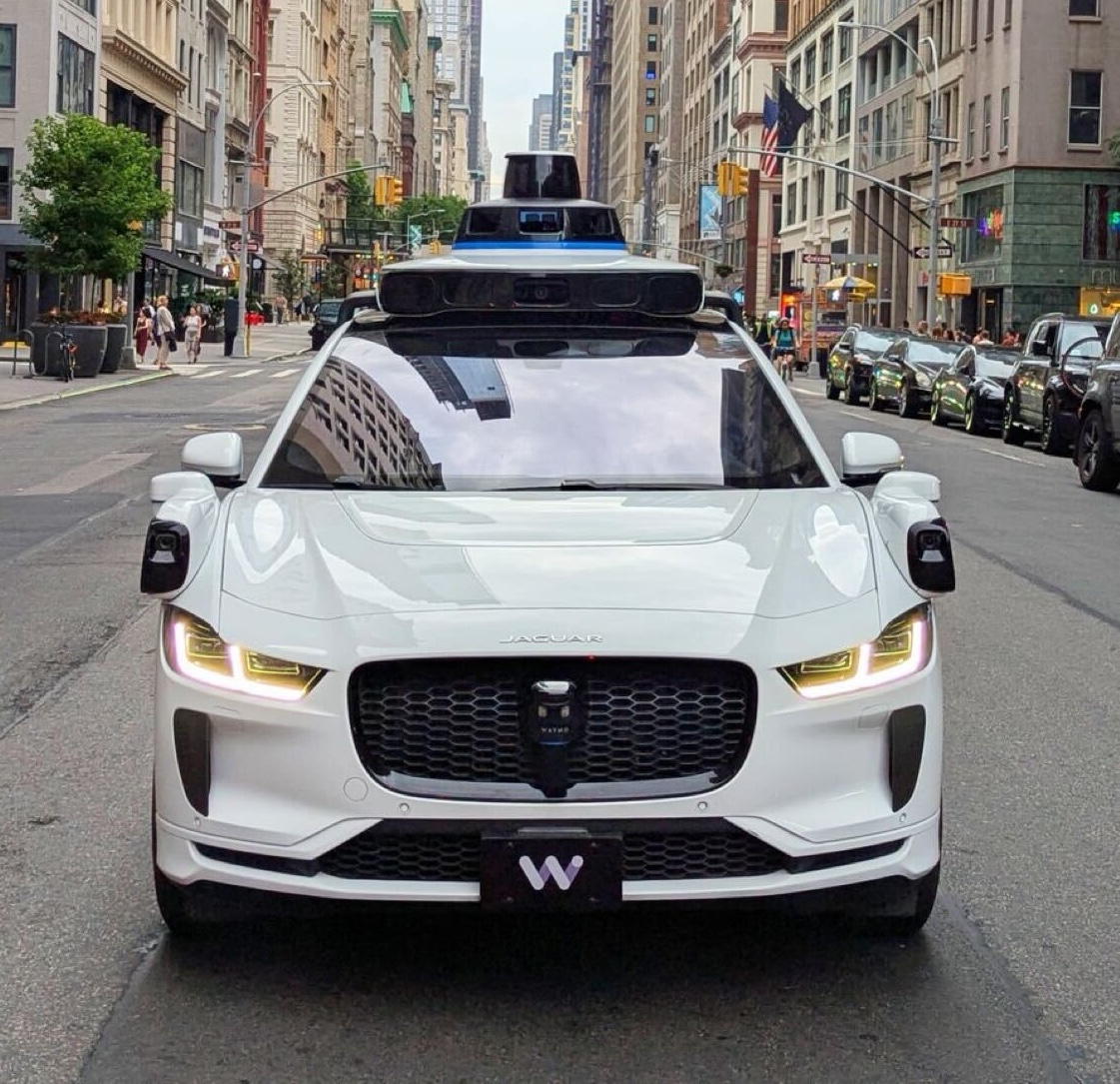
The future of mobility is unfolding at an unprecedented pace, marked by a flurry of advancements in autonomous vehicle (AV) technology and a parallel rise in public and regulatory scrutiny. From bustling urban centers witnessing the rollout of robotaxi services to the quiet corridors of corporate boardrooms grappling with leadership transitions, the sector is a dynamic arena of innovation, investment, and intense debate over safety and ethical implications. This period encapsulates the industry’s complex journey from futuristic concept to tangible, albeit imperfect, reality, challenging both technological capabilities and societal readiness.
The Autonomous Frontier: Expansion and Regulatory Shifting
The current surge in autonomous vehicle deployment is not merely coincidental; it reflects years of substantial investment in research and development, pushing the boundaries of artificial intelligence, sensor technology, and mapping capabilities. Companies are now eager to monetize these advancements, often driven by investor expectations and the immense potential for transforming transportation logistics and personal mobility. This drive has led to a strategic expansion into new territories, even as the technology continues to mature.
Waymo, a pioneer in self-driving technology and a subsidiary of Alphabet, recently initiated testing of its autonomous vehicles in Philadelphia. These operations, while currently including a human safety monitor, represent a critical step in gathering real-world data from diverse urban environments. Beyond Philadelphia, Waymo is extending its reach by commencing manual driving operations in Baltimore, St. Louis, and Pittsburgh. This manual data collection is fundamental for building comprehensive high-definition maps, understanding local traffic patterns, and training the AI models to navigate the unique challenges presented by each city’s infrastructure, weather, and driving culture. Historically, this meticulous data gathering has been a cornerstone of Waymo’s methodical approach to deployment, aiming to ensure robust performance before fully autonomous operations commence.
Concurrently, a significant partnership has emerged in Dallas, where Uber, a global leader in ride-hailing, has teamed up with Avride to launch a new robotaxi service. This collaboration underscores a strategic shift for Uber, which previously explored in-house AV development but has increasingly opted for partnerships with specialized autonomous technology providers. Dallas, with its sprawling highway network and a burgeoning tech ecosystem, presents an attractive market for such services. Initially, these vehicles will also operate with a human safety operator, reflecting a cautious approach to integrating self-driving cars into public transportation networks. The phased introduction allows for gradual public acceptance and provides a safety net during the early stages of commercial operation.
Beyond passenger vehicles, the autonomous trucking sector is also making significant strides. The California Department of Motor Vehicles (DMV) recently released revised regulations that pave the way for companies to test and eventually deploy self-driving trucks on public highways across the state. California, being a vital hub for logistics and home to major ports like Los Angeles and Long Beach, is a strategic location for autonomous trucking development. These new rules are pivotal, as they signify regulatory bodies acknowledging the potential of autonomous freight to address labor shortages, improve efficiency, and enhance safety on long-haul routes. The trucking industry has long been a target for automation due to the repetitive nature of highway driving and the economic benefits it promises for supply chains. However, the complexity of navigating diverse road conditions, interacting with human drivers, and ensuring cybersecurity remains a formidable challenge.
Navigating Public Trust and Safety Concerns
As autonomous vehicle technology becomes more integrated into daily life, it inevitably draws increased scrutiny. The promise of enhanced safety and efficiency often collides with the reality of complex, unpredictable real-world scenarios, leading to incidents that challenge public trust and spark regulatory investigations. The past few weeks have highlighted several such critical events, underscoring the delicate balance between rapid technological advancement and the imperative of public safety.
The National Highway Traffic Safety Administration (NHTSA), the federal agency responsible for vehicle safety, has intensified its oversight of Waymo’s operations. Following reports from the Austin School District, NHTSA has requested extensive information regarding Waymo’s self-driving system after its robotaxis allegedly passed school buses illegally on 19 separate occasions this year. This inquiry follows an existing investigation into Waymo’s performance around school buses, a particularly sensitive area given the paramount importance of child safety. Incidents involving school buses, which often require specific stopping and warning protocols, expose potential vulnerabilities in AV systems that must accurately detect, interpret, and react to a wide array of situational cues, including flashing lights and deployed stop signs. Such events not only raise safety flags but also fuel public anxiety about sharing roads with driverless vehicles.
Adding to the growing list of concerns, the tragic death of KitKat, a beloved bodega cat, after being run over by a Waymo robotaxi in San Francisco on October 27, has ignited a fierce public reaction. The incident, already a point of criticism for the company, escalated significantly with the emergence of surveillance video obtained by The New York Times. The footage reportedly shows a woman attempting to lure KitKat to safety just moments before the autonomous vehicle unexpectedly pulled away, leading to the cat’s demise. This incident, while seemingly minor in the grand scheme of traffic safety, has had a disproportionately large cultural and social impact. It brings to the forefront the ethical dilemmas and emotional costs when AI-driven systems interact with the unpredictable elements of urban environments, particularly living beings. Such events fuel public skepticism, reinforce fears about the lack of human empathy in machines, and intensify calls for more rigorous testing and ethical guidelines before widespread deployment. The perception of a company’s response to such incidents can significantly impact its brand reputation and the broader acceptance of autonomous technology.
These incidents collectively highlight a critical tension: the industry’s push for rapid deployment versus the public’s demand for absolute safety and accountability. While AV proponents argue that self-driving cars will ultimately reduce human-caused accidents, each reported incident, regardless of its severity, becomes a test case for public trust and regulatory responsiveness. Neutral analytical commentary suggests that a robust framework for incident reporting, transparent investigations, and clear lines of accountability will be crucial for the autonomous vehicle industry to gain widespread public confidence.
Corporate Currents: Leadership Shifts and Strategic Investments
The dynamic nature of the mobility sector extends beyond technological advancements and regulatory hurdles to encompass significant shifts within corporate structures. Lucid Motors, an aspiring luxury electric vehicle (EV) manufacturer, has recently experienced a series of high-profile executive departures, signaling potential internal turbulence during a crucial phase of its growth.
Over recent months, Lucid has seen the exit of key figures, including former CEO and CTO Peter Rawlinson, and most recently, chief designer Eric Bach. These departures are particularly notable as the company is in the midst of ramping up production of its highly anticipated Gravity SUV, a vehicle critical to its market expansion and profitability. In response, Lucid has sought to fill these critical vacancies through a combination of internal promotions and strategic external hires, aiming to maintain continuity and inject fresh perspectives into its leadership. However, the churn at the top can often create uncertainty among investors and employees, raising questions about the company’s long-term strategic direction and stability.
Further compounding these challenges, recent reports indicate that Lucid has also undergone a round of layoffs within its vital software and electrical teams. Sources suggest that several top managers, including two senior directors with a decade of tenure at the company, were among those let go. Such workforce adjustments, especially in core technical departments, could be indicative of strategic re-evaluations, cost-cutting measures, or a realignment of priorities. In the highly competitive EV market, where software and electrical architecture are foundational to vehicle performance, range, and user experience, these changes are particularly significant. They may signal a strategic pivot or an attempt to streamline operations as the company navigates the complex landscape of scaling production and achieving profitability. The market impact of such executive and workforce changes can be substantial, influencing investor confidence and the company’s ability to attract and retain top talent in a demanding industry.
Mobility’s Funding Landscape: Diverse Innovations Attract Capital
Despite the economic headwinds that have impacted many sectors, the mobility industry continues to attract significant venture capital and strategic investments, reflecting investor confidence in its transformative potential. This capital flow is not limited to traditional automotive or ride-hailing ventures but spans a diverse array of innovative solutions, from electric aviation to specialized software for autonomous systems.
Beta Technologies, an electric aircraft manufacturer, made headlines last month with its successful public offering, signaling growing investor appetite for the burgeoning Electric Vertical Takeoff and Landing (eVTOL) market. Building on this momentum, the Vermont-based company has now secured a significant supply deal with Eve Air Mobility, an air taxi company. This agreement positions Beta as a key supplier of electric pusher motors, with a potential value of $1 billion over a decade. While the "potential" nature of this figure warrants a degree of caution, it underscores a strategic pivot for Beta: beyond aspiring to be an original equipment manufacturer (OEM) of electric aircraft, it is also carving out a lucrative niche as a component supplier. This dual approach offers a near-term revenue path as the company navigates the rigorous process of obtaining commercial certification for its own electric aircraft from the Federal Aviation Administration (FAA). Beta’s latest quarterly earnings report reflected this growth, with revenue more than doubling to $8.9 million year-over-year. However, typical of many high-growth tech companies in their scaling phase, net losses also expanded significantly, reaching $452 million in the third quarter.
Beyond large-scale aircraft deals, a variety of other innovative mobility startups have recently secured funding:
- Autolane, a Palo Alto-based startup, raised $7.4 million in a round led by Draper Associates and Hyperplane. The company is developing what it describes as "air traffic control" for autonomous vehicles, a crucial technology for managing the complex interplay of self-driving cars in dense urban environments and ensuring efficient, safe traffic flow as AVs become more prevalent.
- Element Fleet Management, a major automotive fleet manager, acquired San Francisco-based Car IQ, a connected vehicle payments company, for an estimated $80 million, according to sources. This acquisition highlights a growing trend of traditional industry players integrating cutting-edge technology to enhance operational efficiency and streamline payment processes within the rapidly evolving fleet management sector. This follows Element’s 2024 acquisition of fleet optimization software startup Autofleet for $110 million, demonstrating a clear strategy for digital transformation.
- ExploMar, a China-based developer of electric propulsion systems for boats, closed a Series A round, raising over $10 million. The investment, jointly led by private equity funds and an undisclosed Chinese listed company, with continued participation from existing shareholder DCM Ventures, underscores the global push for electrifying maritime transportation to reduce carbon emissions and operational costs.
- Heven AeroTech, a startup focused on hydrogen-powered drones, secured $100 million in a Series B funding round, pushing its post-money valuation past $1 billion. Led by American quantum computing company IonQ, with participation from Texas Venture Partners, this investment highlights the growing interest in hydrogen as a sustainable and high-endurance power source for unmanned aerial vehicles, offering advantages over traditional battery-electric systems for certain applications.
- Wayve, a prominent U.K. self-driving startup backed by tech giants like Microsoft, Nvidia, and SoftBank Group, acquired German startup Quality Match. While terms were not disclosed, this acquisition emphasizes the critical importance of high-quality data analysis and annotation in training sophisticated AI models for automated driving, a cornerstone for improving the safety and reliability of self-driving systems.
Broader Industry Trends and Policy Debates
The mobility sector’s evolution is not solely defined by technological breakthroughs and investment rounds; it is also shaped by broader economic forces, policy decisions, and societal discussions. These wider trends significantly influence how mobility services are developed, deployed, and regulated.
One major development on the horizon is Amazon’s reported consideration of ending its long-standing contract with the United States Postal Service (USPS) to build out its own nationwide delivery network. This potential move represents a monumental shift in logistics, with profound implications for both Amazon’s operational costs and the future of the USPS, which relies heavily on Amazon’s business. Should Amazon proceed, it could create a powerful, competing postal service, reshaping the entire e-commerce delivery landscape and introducing new levels of competition for last-mile delivery.
In the realm of personal vehicles, Tesla’s latest software update for its Full Self-Driving (Supervised) driver-assistance system has generated controversy. The update reportedly allows users to text and drive, despite the fact that texting while driving is illegal in most U.S. states. This feature reignites the debate surrounding driver responsibility and the limitations of "supervised" autonomy. While Tesla emphasizes that drivers must remain attentive, enabling a function that directly contradicts traffic laws raises serious ethical and safety concerns, potentially exposing both the company and drivers to legal liabilities and undermining public trust in assisted driving technologies.
On a lighter, yet culturally significant note, the popular video game Grand Theft Auto Online recently introduced robotaxis from a fictional company dubbed "KnoWay." These in-game autonomous vehicles are designed to cause chaos, reflecting a cynical, albeit humorous, commentary on the real-world anxieties surrounding self-driving cars and their potential for unexpected behavior in public spaces. This cultural nod illustrates how autonomous vehicles have permeated popular consciousness, often with a blend of fascination and apprehension.
Technological enablers continue to advance, with Nvidia announcing Alpamayo-R1, an open reasoning vision language model specifically designed for autonomous driving research. Such open-source initiatives are crucial for fostering collaboration and accelerating development within the academic and research communities, pushing the entire industry forward. Meanwhile, on the ground, innovative solutions like drone food delivery are taking flight, as highlighted by a TechCrunch reporter’s inside look at a partnership in Finland, demonstrating the diverse applications of autonomous technologies in everyday life.
Finally, a significant policy reversal has emerged from the Trump administration, which announced plans to roll back fuel economy standards for cars and light trucks sold in the United States. The proposal aims to set fleet-wide fuel economy at 34.5 miles per gallon (mpg) by 2031 for model-year cars. This contrasts sharply with the previous Biden administration’s mandate of 50.4 mpg by the same year. The administration argues that this reduction will make vehicles more affordable for consumers. However, critics contend that the trade-off will likely be higher costs at the gas pump for consumers and increased environmental impact through greater fuel consumption and emissions. Historically, Corporate Average Fuel Economy (CAFE) standards, first established in 1975, have played a pivotal role in driving automotive innovation towards more fuel-efficient vehicles and reducing national dependence on foreign oil. Automakers already surpassed the 2024 standard of 30.1 mpg, achieving an average of 35.4 mpg across their fleets, indicating that the proposed rollback would essentially lower the bar below current industry achievements. This policy shift underscores the persistent political and economic tensions surrounding environmental regulations and consumer choice in the automotive sector.
The Road Ahead for Autonomous Mobility
The recent flurry of activity across the mobility sector paints a vivid picture of an industry in rapid transition. From the ambitious expansion of robotaxi services and the strategic maneuvers within leading EV companies to the continuous flow of capital into diverse technological innovations, the pace of change is undeniable. Yet, this progress is inherently intertwined with significant challenges related to public trust, regulatory oversight, and the ethical implications of deploying advanced AI systems in unpredictable environments.
A recent poll conducted within the Mobility newsletter asked readers when they expected robotaxis to reach a "tipping point of mass adoption." The majority, 47.2%, projected this milestone "before the end of the decade," followed by a significant portion anticipating it in the "2030s." These results suggest a cautious optimism within the industry and among informed observers, indicating a belief that while the technology is advancing, its widespread integration into daily life will be a gradual process, taking more than just a few years to truly materialize. The journey toward a fully autonomous future is complex and multifaceted, requiring not only groundbreaking technological innovation but also a delicate balancing act with societal expectations, robust safety protocols, and an evolving regulatory landscape.