Amir Mahmud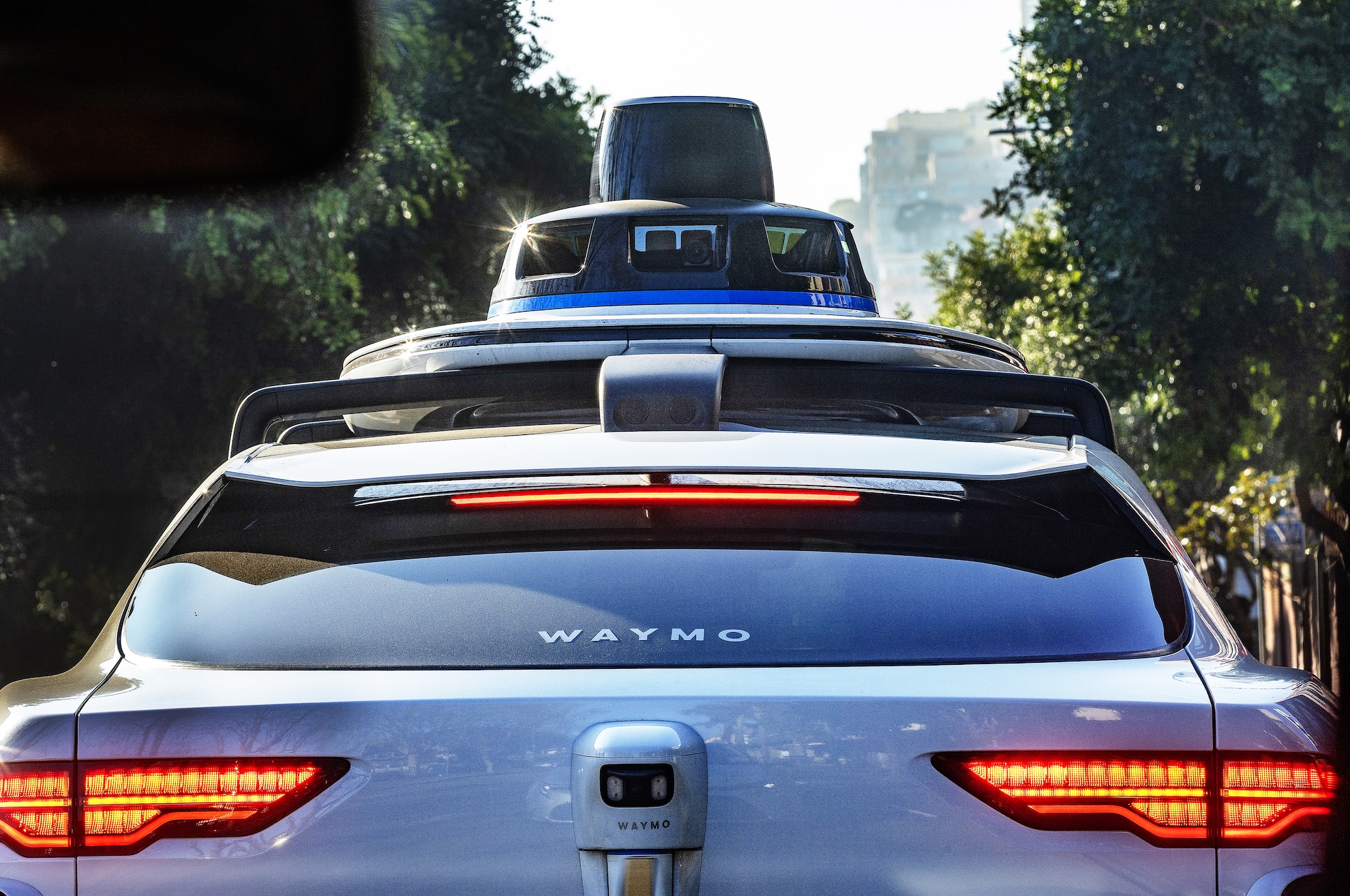
Waymo, the pioneering autonomous vehicle subsidiary of Alphabet, is significantly accelerating its commercial footprint by extending its driverless ride-hailing services to four new major U.S. metropolitan areas: Dallas, Houston, San Antonio, and Orlando. This strategic expansion brings the total number of cities where Waymo’s robotaxis operate to ten, signaling a pivotal moment in the company’s aggressive push to scale its autonomous technology and solidify its position in the burgeoning self-driving mobility market.
A Decade of Autonomous Expansion
The current expansion is the latest chapter in a journey that began more than a decade ago. Waymo originated as the Google self-driving car project in 2009, making it one of the earliest and most extensively tested autonomous vehicle programs globally. For years, the project focused primarily on research and development, meticulously accumulating millions of miles in real-world driving scenarios and simulations. This foundational period laid the groundwork for its eventual transition from an experimental endeavor to a commercial service. In 2016, the project was officially spun out into Waymo, an independent company under the Alphabet umbrella, with a clear mandate to commercialize its fully autonomous driving technology.
Its commercial rollout began cautiously, first with an early rider program in Phoenix, Arizona, which later evolved into a public service. Phoenix, with its predictable weather and relatively straightforward road networks, served as an ideal proving ground. Following its success there, Waymo systematically expanded to other complex urban environments, including parts of Los Angeles and the notoriously challenging streets of San Francisco. Just last February, Waymo’s commercial services were concentrated in Phoenix and its suburbs, specific areas of Los Angeles, and San Francisco. At that time, Alphabet CEO Sundar Pichai highlighted the impressive traction, noting that Waymo was facilitating over 200,000 rides weekly. The current surge to ten operational cities underscores a remarkable acceleration in deployment speed over the past twelve months.
Beyond simply adding new cities, Waymo has also deepened its penetration within existing markets. In the San Francisco Bay Area, for instance, the service area has dramatically broadened, now stretching south along Highway 101, encompassing numerous towns all the way to San Jose. Access to major transportation hubs has also been prioritized, with Waymo robotaxis now serving three key airports, including the bustling San Francisco International Airport. Furthermore, the company has innovated its service delivery by partnering with ride-sharing giant Uber in cities like Atlanta and Austin, allowing Uber users to be matched with Waymo robotaxis. This collaboration broadens Waymo’s reach without requiring new app downloads, tapping into an existing user base. The technological prowess of its system has also seen significant advancements, with freeway driving capabilities now deployed in three cities, pushing the boundaries of autonomous operation beyond urban surface streets. Last month, Miami also saw its Waymo robotaxi service open to the public, setting the stage for the current multi-city launch.
Waymo’s Phased Rollout and Strategic Markets
The introduction of Waymo’s services in Dallas, Houston, San Antonio, and Orlando will follow a meticulously planned, phased approach, mirroring its successful launches in previous markets. Initially, a select group of riders who have downloaded the Waymo app will receive exclusive invitations to experience their first autonomous rides, commencing promptly. This invitation-only phase allows Waymo to gather crucial real-world data, fine-tune its operations to local traffic patterns and infrastructure, and solicit direct feedback from early adopters. Subsequently, new riders will be incrementally added on a rolling basis, gradually expanding the user pool. The ultimate goal is to make the service universally accessible, enabling anyone who downloads the Waymo app to hail a fully autonomous ride.
The selection of these four new cities is strategic. Texas, with its expansive, car-dependent urban centers like Dallas, Houston, and San Antonio, presents a vast potential market for ride-hailing services. These cities feature extensive highway networks, diverse traffic conditions, and a growing population, making them ideal testbeds for Waymo’s scalable technology. Orlando, a major tourist destination with a significant transient population and a sprawling layout, also offers a unique operational environment and a high demand for convenient transportation solutions. Waymo’s deliberate expansion into geographically distinct and demographically diverse markets allows the company to further stress-test its autonomous driving system, refine its operational logistics, and tailor its services to a wider array of consumer needs and preferences. This measured, data-driven approach is critical for ensuring both safety and user satisfaction as the company scales its operations.
Financial Fuel for Ambitious Growth
Waymo’s ambitious expansion is underpinned by substantial financial backing and a robust valuation. The company recently secured an additional $16 billion in a funding round, led by prominent investment firms including Dragoneer Investment Group, DST Global, and Sequoia Capital. This significant capital injection values Waymo at an impressive $126 billion, underscoring strong investor confidence in its technology, market strategy, and long-term potential. This valuation places Waymo among the most highly valued privately held companies in the technology sector and highlights the perceived immense future value of autonomous mobility.
The fresh capital is crucial for fueling Waymo’s aggressive growth trajectory. Scaling an autonomous vehicle service requires massive investment in vehicle procurement, specialized hardware and software development, mapping infrastructure, operational logistics, and workforce expansion. Waymo currently operates a fleet of approximately 3,000 robotaxis, distributed across its established markets of Atlanta, Austin, Los Angeles, Miami, Phoenix, and the San Francisco Bay Area. With the addition of the four new cities, this fleet size is poised for growth, though Waymo spokesperson Chris Bonelli indicated that the initial deployment in these new markets would commence with "dozens of vehicles." This gradual scaling strategy allows the company to methodically integrate new vehicles, train local support staff, and adapt to specific urban complexities before a full-scale rollout. While the fleet won’t "balloon immediately," the long-term vision clearly involves a substantial increase in vehicle count to meet the projected demand across an expanding operational footprint.
The Human Element in Driverless Operations
Despite the "driverless" designation, human oversight remains an integral part of Waymo’s operations, particularly during this scaling phase. As the company expands its reach and fleet, its workforce will also necessarily grow. This includes the expansion of its team of remote assistance workers, often referred to as RAs. These skilled professionals serve as a crucial safety net, monitoring the robotaxis remotely and providing real-time assistance when the self-driving system encounters unusual or challenging scenarios on public roads. For instance, if a robotaxi encounters an unexpected obstacle, a complex construction zone, or an ambiguous traffic situation that the autonomous system cannot immediately resolve, an RA can provide guidance or even remotely direct the vehicle to a safe resolution.
Waymo has not publicly shared specific numbers for the anticipated increase in RA staff for the new cities, stating only that it employs an extensive planning process to ensure its operations are precisely "right-sized" for its growth. The company recently disclosed that it currently employs around 70 such remote assistance workers, a number that will undoubtedly need to scale in tandem with the fleet and operational complexity. The role of RAs sparks ongoing debate within the autonomous vehicle industry regarding the true definition of "driverless" and the extent of human intervention acceptable in a fully autonomous system. Waymo’s approach emphasizes safety and reliability, acknowledging that human judgment, even if remote, can be critical in edge cases that autonomous systems are still learning to navigate. This hybrid model reflects the current state of autonomous technology, where full autonomy is a goal, but supervised autonomy ensures safety and efficiency during the transition.
Navigating Regulatory Scrutiny and Public Trust
Waymo’s rapid expansion comes at a time of heightened scrutiny and intensified regulatory oversight of the autonomous vehicle industry. The National Highway Traffic Safety Administration (NHTSA) recently initiated an investigation into Waymo’s robotaxis following an incident last month where one of its vehicles struck a child at 6 miles per hour near a school in Santa Monica. Concurrently, the National Transportation Safety Board (NTSB) is examining the behavior of Waymo robotaxis when interacting with school buses, focusing on adherence to safety protocols around these vulnerable road users.
These investigations highlight the critical tension between rapid technological advancement and the imperative of public safety. Every incident involving an autonomous vehicle, regardless of severity, tends to garner significant media attention and can erode public trust, which is vital for the widespread adoption of the technology. Waymo co-CEO Tekedra Mawakana, who articulated a lofty goal last year of serving over one million rides per week by the end of this year and laying the groundwork for service in more than 20 cities, has maintained this ambitious vision despite the increased regulatory attention. The company asserts that safety remains its paramount priority, with its systems designed with multiple layers of redundancy and rigorous testing protocols. However, these incidents underscore the complex challenges of deploying cutting-edge technology in dynamic, unpredictable real-world environments and the need for continuous dialogue and collaboration between industry and regulators to establish clear safety standards and build public confidence.
Broader Implications for Urban Mobility
Waymo’s aggressive expansion holds significant implications for the future of urban mobility and the broader transportation landscape. The introduction of autonomous ride-hailing services in more cities could revolutionize how people commute, travel, and access essential services. In the long term, proponents envision a future with reduced traffic congestion, fewer accidents attributed to human error, and increased accessibility for individuals who cannot drive. The integration of Waymo with existing ride-hailing platforms like Uber also hints at future business models where autonomous fleets seamlessly blend into the established transportation ecosystem.
Beyond ride-hailing, the underlying autonomous technology could transform logistics, last-mile delivery, and public transit. However, the societal and economic impacts are multifaceted. While autonomous vehicles promise to create new jobs in technology, maintenance, and remote operations, they also pose questions about the future of traditional driving roles. The cultural acceptance of driverless cars, particularly in diverse urban settings, will be a critical factor in their success. Overcoming initial skepticism, addressing safety concerns, and demonstrating tangible benefits will be essential for widespread adoption.
The road ahead for autonomous vehicles is undoubtedly complex, marked by both immense promise and considerable challenges. Waymo, with its decade-long history and robust financial backing, is clearly positioning itself as a leader in this transformative industry. As it expands its reach across the U.S. and looks toward international markets like Denver, London, and Washington, D.C., Waymo’s journey will continue to serve as a bellwether for the entire autonomous vehicle sector, demonstrating the potential and navigating the inherent complexities of bringing driverless technology to the masses.