Amir Mahmud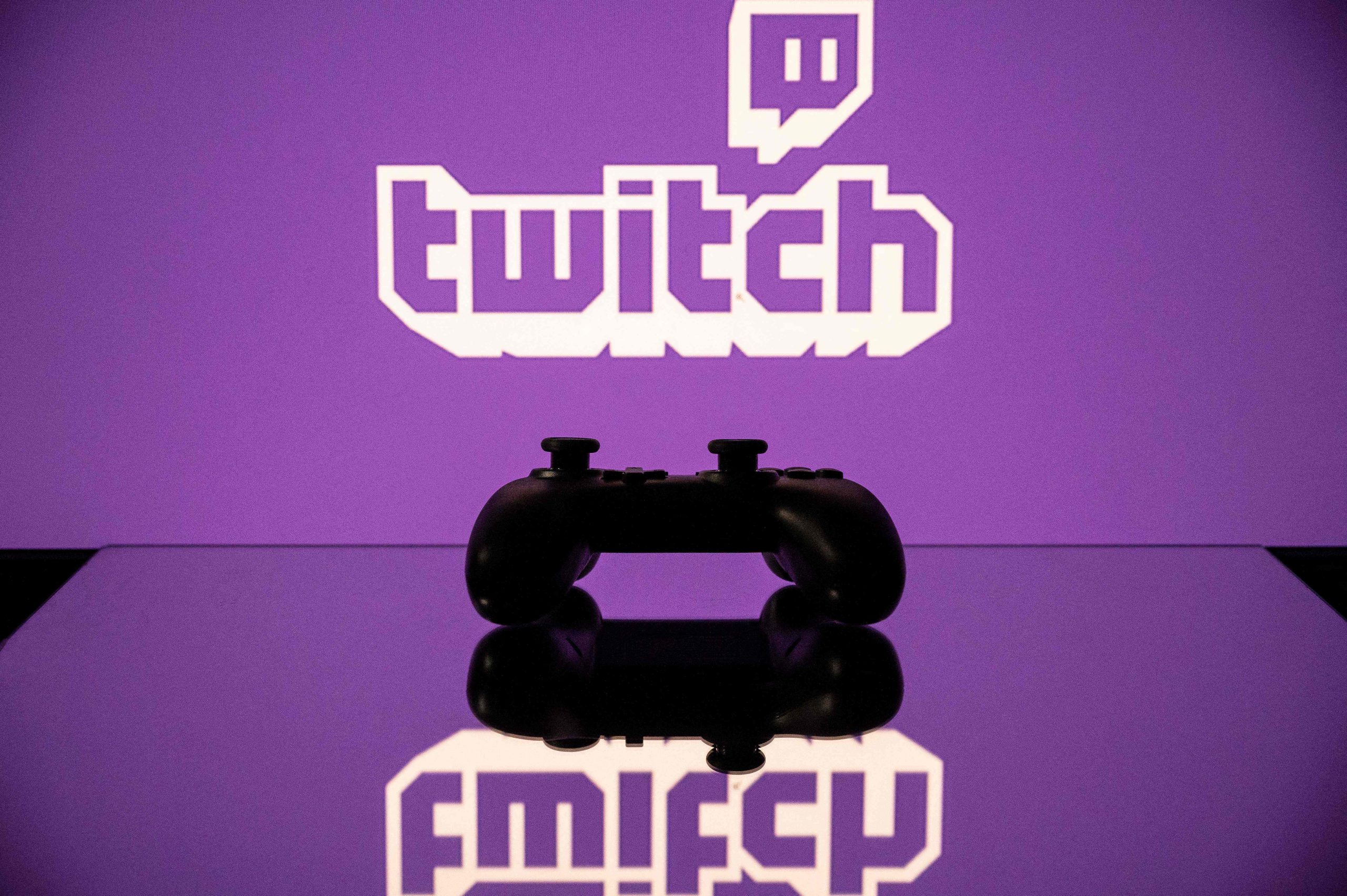
Australia’s digital regulatory body, the eSafety Commissioner, has expanded the scope of its impending social media prohibition for individuals under the age of 16, officially incorporating the live-streaming behemoth Twitch into the list of restricted platforms. This significant update, announced mere weeks before the nationwide ban is set to commence, underscores a decisive move by the Australian government to redefine and control the online environments accessible to its youngest citizens. While Twitch faces exclusion for minors, the image-sharing platform Pinterest has been granted an exemption, highlighting the nuanced criteria employed by eSafety in categorizing digital services under the nation’s Social Media Minimum Age (SMMA) regulations.
The Regulatory Landscape Down Under
The decision to implement a minimum age for social media access stems from a growing global concern regarding the potential harms associated with excessive or unsupervised online engagement among minors. For Australia, this initiative culminates a period of extensive public debate, expert consultation, and legislative action. Approximately a year prior to the ban’s effective date, the Australian Parliament passed legislation mandating age restrictions for social media use. This legislative effort was driven by a desire to mitigate risks such as cyberbullying, exposure to inappropriate or harmful content, body image issues, and the impact of excessive screen time on mental health and development.
The eSafety Commissioner, established in 2015, serves as Australia’s independent regulator for online safety. Its mandate includes tackling online abuse, managing online content, and promoting a safer online experience for all Australians, with a particular focus on children. The SMMA rules represent a significant expansion of the Commissioner’s powers, shifting the onus onto platforms to ensure compliance with age restrictions. The December 10 deadline marks the point at which platforms must block new accounts for users under 16, with existing accounts for this demographic scheduled for deactivation by January 9. This phased implementation aims to provide platforms and users with a brief transition period.
Defining "Social Media": Twitch Versus Pinterest
The distinction between platforms deemed "age-restricted social media" and those exempted, such as Pinterest, lies at the heart of eSafety’s regulatory framework. According to the Commissioner’s assessment, Twitch qualifies as an age-restricted platform due to its core functionalities revolving around live, interactive social engagement. Users on Twitch primarily interact through live video streams, real-time chat, and community features, fostering a dynamic environment of direct communication and content consumption that often involves unmoderated or rapidly evolving dialogue. A Twitch spokesperson confirmed that Australian users under 16 would no longer be able to create accounts from December 10, with existing underage accounts set for deactivation by January 9. Globally, Twitch’s policy permits users aged 13 and above, provided minors have parental or guardian involvement in regions where they are below the legal age of adulthood.
Conversely, Pinterest’s primary utility as a platform for collecting and sharing images, ideas, and inspiration, rather than fostering direct, real-time social interaction, led to its exemption. While Pinterest does possess social features like following other users and commenting on pins, its fundamental design prioritizes content curation and discovery over synchronous social networking. This distinction underscores eSafety’s attempt to draw a line between platforms primarily designed for one-to-many or many-to-many broadcast interaction and those facilitating more direct, often high-stakes, social engagement. This nuanced approach reflects the challenge regulators face in categorizing the increasingly diverse landscape of online services, each with unique features and potential impacts.
The Broader List of Restricted Platforms
Twitch now joins a comprehensive list of major global platforms that will be subject to Australia’s under-16 ban. This roster includes social media giants like Meta’s Facebook and Instagram, Snapchat, TikTok, X (formerly Twitter), and Reddit. Even YouTube, a dominant force in video content, falls under the restriction, though specific educational or child-focused iterations such as YouTube Kids and Google Classroom are notably exempt, acknowledging their distinct purpose and curated content. The local streaming service Kick also features on the prohibited list. These platforms are now legally obliged to implement robust age verification measures to prevent access by minors and to deactivate existing accounts belonging to users under the specified age threshold.
The compliance burden on these companies is substantial. It necessitates investment in age-assurance technologies, which can range from self-declaration systems (often unreliable for minors) to more sophisticated methods like AI-driven facial analysis or third-party identity verification. The eSafety Commissioner provides a self-assessment tool to assist platforms in determining their compliance obligations under the SMMA rules, emphasizing a collaborative yet firm approach to enforcement.
Implementing the Ban: Challenges and Compliance
The practical implementation of such a widespread ban presents significant challenges for both regulators and platforms. For tech companies, the primary hurdle lies in establishing accurate and privacy-preserving age verification mechanisms. Major players like Google and Meta had previously urged the Australian government to defer enforcement of the law, advocating for a delay until a national age-verification trial could be completed. This call highlighted concerns about the technological complexities, potential for user circumvention (e.g., using fake birth dates or VPNs), and the privacy implications of collecting and processing sensitive age data.
From a social perspective, the ban raises questions about its effectiveness and potential unintended consequences. While the intent is to protect young people, critics often point to the possibility of minors simply finding workarounds, migrating to less regulated platforms, or becoming more adept at bypassing age gates. There is also a debate about whether such bans truly foster digital literacy and responsible online behavior, or if they merely delay exposure without equipping young people with the skills to navigate the digital world safely. Parents, too, will face new responsibilities in monitoring their children’s online activities and understanding the implications of these new regulations. The cultural impact could manifest in shifts in how Australian youth socialize and consume content, potentially creating a unique digital landscape distinct from other nations.
A Global Trend in Digital Youth Protection
Australia’s proactive stance is not an isolated incident but rather indicative of a burgeoning global movement towards greater regulation of online platforms, particularly concerning children. Jurisdictions across the world are grappling with similar dilemmas, seeking to strike a balance between fostering innovation and safeguarding vulnerable populations.
In the United States, a patchwork of age-verification laws has emerged at the state level. As of August 2025, twenty-four U.S. states have enacted such legislation, albeit with varying scopes and enforcement mechanisms. Utah, for instance, pioneered a more stringent approach by becoming the first state to mandate that app stores themselves are responsible for verifying users’ ages and obtaining parental consent for minors downloading applications. This shifts a significant burden of responsibility further up the digital supply chain.
Across the Atlantic, the United Kingdom has implemented its landmark Online Safety Act, which came into effect in July. This comprehensive legislation places a legal duty of care on social media companies and other online platforms to protect users, especially children, from harmful content. The Act mandates strong age checks for access to content deemed high-risk, such as material related to self-harm or eating disorders, for individuals under 18. Non-compliance can result in substantial fines, signaling a robust commitment to digital safety.
These parallel efforts in different countries underscore a shared recognition among policymakers that self-regulation by tech companies has not been sufficient to address the myriad challenges posed by the digital age for minors. The regulatory landscape is rapidly evolving, with nations learning from each other’s approaches and experimenting with different models of oversight.
The Debate: Protection Versus Access
The ongoing global discourse around social media bans for minors often revolves around the fundamental tension between protecting children from harm and ensuring their right to access information, express themselves, and participate in digital society. Advocates for stricter controls emphasize the psychological and developmental vulnerabilities of young people, arguing that their brains are not yet equipped to navigate the complexities, pressures, and potential dangers of unfiltered online environments. They point to rising rates of anxiety, depression, and cyberbullying as evidence of the urgent need for intervention.
Conversely, some argue that outright bans can be counterproductive, potentially pushing children towards less visible or less secure corners of the internet. They suggest that education, digital literacy programs, and parental guidance are more effective long-term solutions, empowering children to make informed choices and develop resilience online. There is also the argument that social media, for many young people, is a vital tool for connection, community building, and self-discovery, and that restricting access could hinder their social development or exclude them from important cultural conversations. Analytical commentary suggests that a holistic approach, combining regulation with education and parental involvement, might be the most effective path forward, though the exact balance remains a subject of intense debate.
Looking Ahead: The Future of Youth Online
As Australia prepares for the full implementation of its social media ban for under-16s, the world will be watching closely. The efficacy of the age-verification systems, the rate of compliance by tech giants, and the behavioral responses of Australian youth will offer valuable insights for other nations contemplating similar measures. This regulatory shift signals a new era in digital governance, where governments are increasingly willing to intervene in the design and accessibility of online platforms to prioritize the well-being of their youngest citizens. The ongoing evolution of online safety legislation reflects a global reckoning with the profound impact of digital technology on society and a collective commitment to shaping a safer, more responsible digital future for the next generation.