Amir Mahmud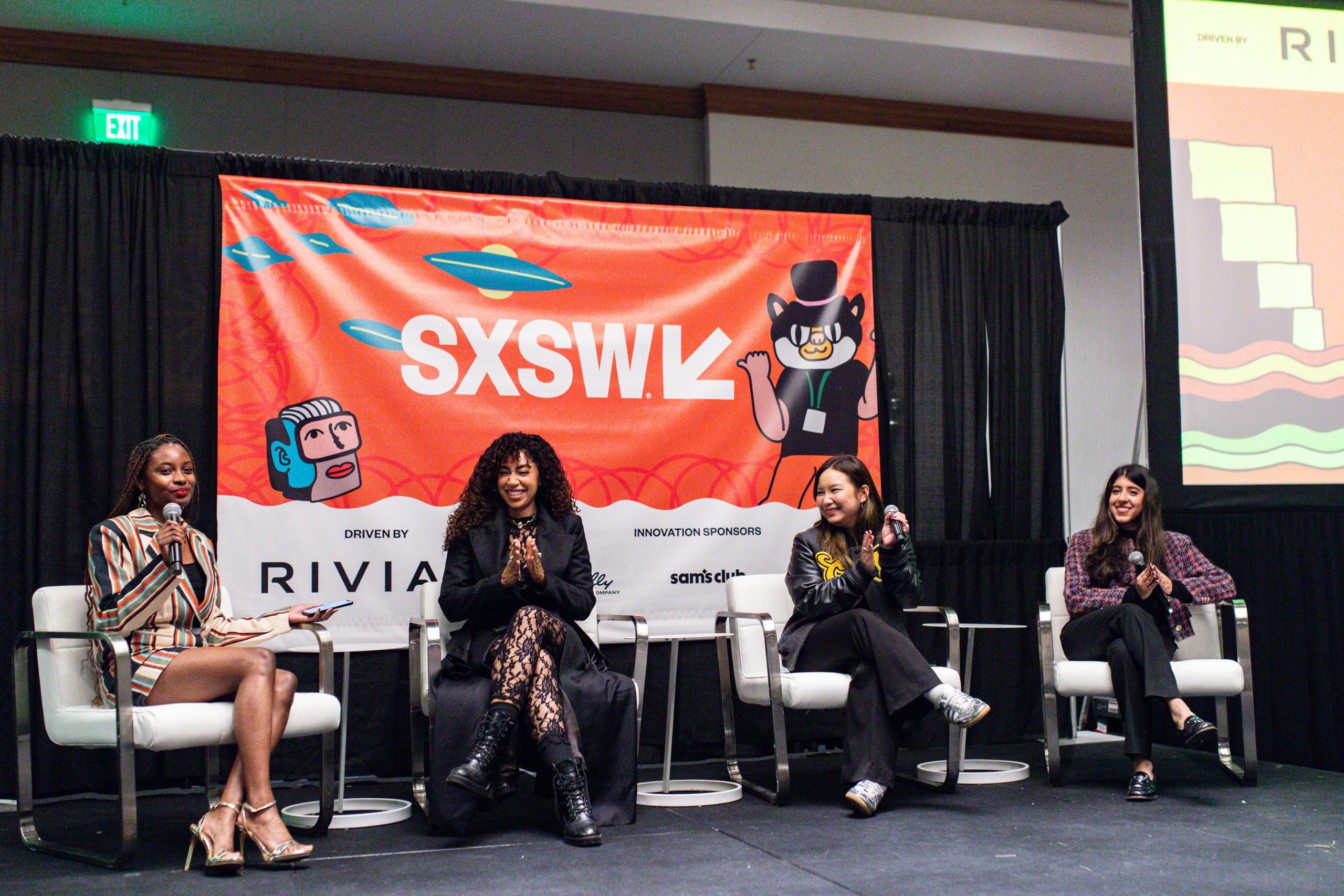
The atmosphere at this year’s South by Southwest (SXSW), Austin’s celebrated annual convergence of technology, music, and film, felt notably re-energized. A palpable sense of resurgence permeated downtown Austin, echoing the vibrant, packed streets and bustling venues reminiscent of the festival’s pre-pandemic peak. Attendees widely observed a return to the lively spirit of previous years, although local veterans acknowledged that the event has undergone significant transformations, signaling not just a recovery but a strategic reinvention.
The Genesis and Evolution of a Cultural Phenomenon
To understand the current state of SXSW, it’s crucial to look back at its origins and trajectory. Founded in 1987 as a local music festival, SXSW gradually expanded its scope, adding film in 1994 and interactive technology in 1999. This evolution transformed it from a regional gathering into a globally recognized platform for innovation, creativity, and cultural exchange. The "Interactive" portion, in particular, became a crucial launchpad for nascent tech companies and groundbreaking digital trends. Early 2000s saw the festival become synonymous with the discovery of emerging technologies, famously providing a significant platform for services like Twitter in 2007 and Foursquare in 2009. This era cemented SXSW’s reputation as a vital nexus for startups, venture capitalists, and media, eager to identify the "next big thing."
However, the festival, like many large-scale events, faced unprecedented challenges. The most significant disruption occurred in 2020 with the abrupt cancellation of the in-person event due to the burgeoning global pandemic, followed by virtual iterations in subsequent years. This period led to substantial financial strain, staff layoffs, and a reevaluation of the festival’s operational model. The event has since seen leadership changes and, for its 40th anniversary this year, unveiled what its Senior Vice President of Programming, Greg Rosenbaum, described as its "most ambitious reinvention" yet.
A Festival Reimagined: Decentralization and Strategic Adjustments
This year’s SXSW was distinctly different in several key aspects. Notably, the festival was two days shorter than its historical duration, a conscious decision reflecting an effort to streamline the experience. Furthermore, the demolition of the Austin Convention Center, a traditional central hub for many events, necessitated a "decentralized" approach. This scattered panels, showcases, and networking opportunities across a multitude of downtown venues. While some attendees found this less overwhelming, fostering a more intimate engagement with Austin’s urban fabric, others noted a diminished sense of cohesive connection that a single central venue often provides.
A cornerstone of the new strategy was the introduction of "Clubhouses." These dedicated spaces offered attendees opportunities for recharging, focused networking, and specialized programming, attracting an impressive 5,000 people daily. Rosenbaum highlighted how this dispersed model encouraged participants to "experience more of Austin and the downtown community," moving beyond a single convention hall to immerse themselves in the city’s vibrant culture. This strategic pivot aimed to enhance the attendee experience by integrating the festival more deeply with its host city.
The Evolving Value Proposition for Entrepreneurs and Investors
For the entrepreneurial and venture capital community, SXSW continues to hold immense value, albeit with an evolving dynamic. The consensus among tech founders and investors is clear: the festival’s worth is directly proportional to the effort invested in preparing for it. As Ashley Tryner-Dolce, an investor and founder, articulated, the conference remains an "incredible gathering of ideas." However, like many large festivals, she found the most "meaningful moments" often occurred at auxiliary events, such as industry-specific parties or curated gatherings where direct, impactful connections could be forged away from the main stages.
This sentiment was echoed by James Norman, a managing partner at Black Ops VC, who, despite not holding a formal festival badge, orchestrated his own events to connect founders with opportunities. He emphasized that simply showing up without "the right connections or proximity to the rooms and conversations that matter" would lead to a struggle in unlocking the event’s true potential. Jonathan Sperber, a founder who participated in the SXSW pitch competition, reinforced this, stating that the festival’s value "tends to depend on how well you prepare for it." His team meticulously planned meetings and developed a clear strategy, finding it an "effective setting for connecting with large enterprises and other key stakeholders." This analytical perspective underscores a shift from serendipitous discovery to strategic engagement, where pre-planning and targeted networking are paramount.
A Diverse Tapestry: Beyond Tech
SXSW’s identity has always been a blend of interactive, film, and music. This year, the interdisciplinary nature was particularly evident, though some attendees perceived a subtle shift in emphasis. Simon Davis, a first-time attendee, described his impression as "a media conference with a tech angle, not the other way around." He lauded the event’s diversity, noting "a much wider range of people, backgrounds, and experience levels" compared to more homogenous tech-only gatherings. The robust live music programming, he observed, "reinforces that," creating an "entirely different energy" that fosters sharing and learning rather than just deal-making for tech companies.
However, the balance across the tracks varied for individuals. The new badging system, which segmented access based on a film, music, or interactive badge, meant personal experiences differed significantly. For example, some badge holders found themselves immersed in conversations about artificial intelligence and emerging technologies, while others noted a historical period when music showcases held a stronger focus. The general observation this year was a proliferation of tech-focused panels, perhaps outpacing traditional music showcases or film opportunities.
Navigating the New Access and Reservation Systems
A notable change this year was the elimination of secondary access, which previously allowed badge holders from one track (e.g., music) to attend events in another (e.g., film) after primary attendees were seated. Now, comprehensive access requires purchasing an all-in-one premium badge, priced around $2,000. Organizers stated this decision was based on feedback seeking "streamlined access across the badges" and enhanced benefits for Platinum badge holders, with a simultaneous reduction in the Platinum badge price to make the all-in-one option more accessible.
Furthermore, a reservation system was introduced to manage crowds and long lines. Badge holders, including those with platinum status, were required to book specific times for desired events. While intended to improve the experience, this system presented its own challenges. Sperber noted that the festival no longer felt like a place where one could simply "show up," as popular events quickly booked up, making access difficult. The decentralized layout, combined with reservations, also made navigation more complex than some preferred. Despite these adjustments, Rosenbaum confirmed that the reservation system would return next year, citing positive feedback alongside acknowledging "a few technical errors and capacity confusion," promising further refinements.
The "Unconference" Vibe and Experiential Marketing
The evolution of SXSW has led many, like James Norman, to describe it as more of an "unconference" from their perspective. This refers to a more flexible, less rigid environment that encourages spontaneous movement, informal meetings, and the exploration of diverse spaces. This shift highlights a growing emphasis on self-directed networking and curated experiences over a purely structured agenda.
Rodney Williams, co-founder of fintech firm SoLo Funds and a SXSW veteran of over a decade, has witnessed this transformation firsthand. He observed a move "from an intimate, scrappy discovery zone to a high-cost, high-competition space" for tech founders. This new landscape, he explained, is increasingly focused on "investor interaction and experiential marketing," where companies with substantial marketing budgets can execute elaborate activations to capture attention. This trend, as noted by industry observers like Adweek, suggests a decrease in overall spectacle but an increase in high-budget, targeted advertising.
Williams clarified that even with fewer "big tech" companies overtly advertising, the game remains one of significant financial investment. "Companies with massive marketing budgets are usually the only ones participating, launching products, or throwing pricey events," he stated. This shift, he lamented, has inadvertently "taken away opportunities from the emerging tech companies that used to participate," making it harder for innovative startups to stand out without considerable marketing investment.
Enduring Allure and the Road Ahead
Despite the changes and the perennial "SXSW is dead" narrative that circulates within industry circles, the festival’s magnetic pull remains undeniable. Organizers anticipated approximately 300,000 attendees this year, a figure that, once finalized, will attest to the event’s continued vitality. For every founder fatigued by the evolving landscape, a new cohort of ambitious entrepreneurs arrives, eager to harness the festival’s unique potential.
The ongoing adaptation of SXSW, from its physical layout and programming structure to its access systems, reflects a determined effort to remain relevant in a rapidly changing world. While the festival may no longer be the same "scrappy discovery zone" it once was, its essence as a vibrant hub for ideas, connections, and cultural exploration persists. Attendees like Williams, who continue to make the most of the experience by hosting their own events and strategically engaging, exemplify the enduring spirit of adaptability that defines both the festival and its participants. As SXSW navigates its future, it continues to evolve, demonstrating that its magic lies not in stasis, but in its dynamic capacity for reinvention.