Amir Mahmud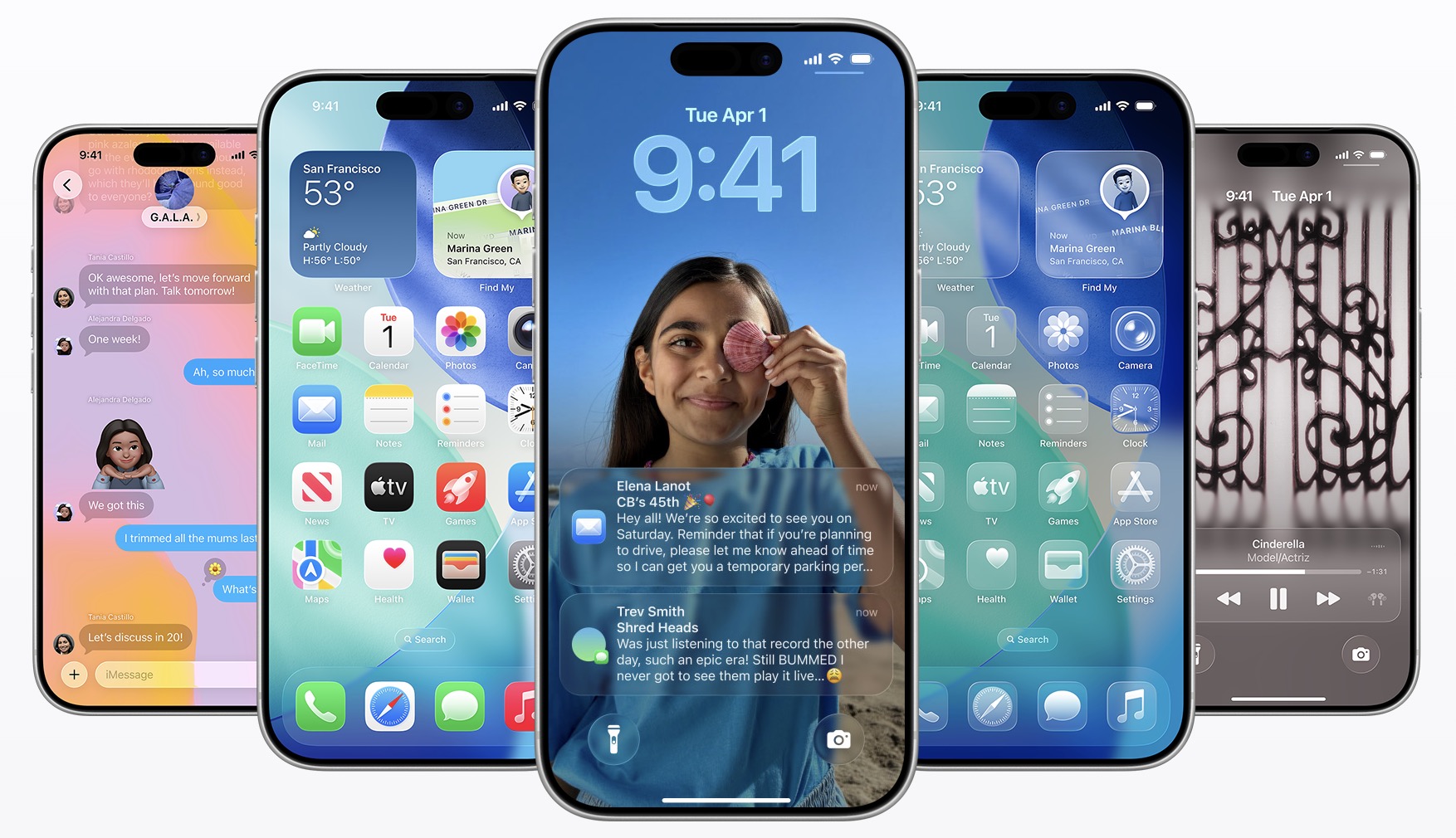
Apple has initiated the public beta rollout for its mobile operating system, iOS 26.4, introducing a suite of advancements that underscore a strategic pivot towards artificial intelligence integration, enriched multimedia experiences, and robust security measures. This significant update, anticipated for a general release around March or April, offers users a preview of innovations spanning personalized music creation, visual podcasting, and cross-platform encrypted messaging, among other enhancements. The release signals Apple’s ongoing commitment to evolving its core software offerings while responding to dynamic market demands and competitive pressures.
Redefining Digital Audio: AI Playlists and Live Concerts
At the forefront of the iOS 26.4 update is a transformative leap for Apple Music, powered by the company’s proprietary "Apple Intelligence" framework. The introduction of "Playlist Playground" allows users to harness generative artificial intelligence to curate custom 25-song playlists from simple text prompts. Imagine requesting an "upbeat workout mix" or a "calm evening soundtrack," and the system intelligently assembles a relevant collection of tracks. This capability extends beyond mere algorithmic recommendations, offering a novel level of creative control and personalization, with options to further refine results and select complementary cover art.
This move positions Apple Music squarely in the burgeoning landscape of AI-driven content creation, a domain where rival streaming services like Spotify and YouTube Music have historically focused on AI-powered recommendations based on listening habits. Apple’s "Playlist Playground," however, ventures into generative AI, allowing users to articulate a mood or activity and receive a bespoke musical accompaniment. This shift could significantly enhance user engagement by transforming passive listening into an interactive, creative experience. For the broader music industry, such features could alter discovery patterns, potentially giving new life to forgotten tracks or introducing users to artists they might not have encountered through traditional algorithmic means. The refresh of Apple Music’s user interface, now showcasing full-screen album and playlist artwork, complements this immersive experience, visually enriching the journey through personalized soundscapes.
Further augmenting the Apple Music ecosystem, iOS 26.4 introduces a dedicated "Concerts Near You" section. This feature enables users to seamlessly discover live performances by their favorite artists, offering filters by date and genre, and even the flexibility to switch locations for travelers. In an era marked by the resurgence of live entertainment following global disruptions, this integration provides substantial value to music enthusiasts. It aligns Apple Music with platforms like Bandsintown or Songkick, but within the familiar environment of a user’s primary music service. This strategic inclusion not only enhances Apple Music’s utility as a comprehensive music hub but also deepens the connection between artists and their fan base, potentially driving ticket sales and fostering a more vibrant live music culture. It’s a clear signal that Apple aims to offer a holistic music experience, extending beyond digital consumption to real-world engagement.
The Visual Shift in Podcasting
Following a trend spearheaded by competitors, Apple Podcasts is set to embrace the visual dimension with the introduction of video episode support in iOS 26.4. This update facilitates effortless transitions between audio and video playback within the same episode, allowing listeners to switch to a full horizontal display for an immersive visual experience. Creators can now publish video podcasts using HTTP Live Streaming (HLS), a robust protocol known for its adaptive quality adjustment, which optimizes video playback whether a user is connected via Wi-Fi or cellular data. Additionally, the ability to download video episodes for offline viewing ensures uninterrupted access.
This expansion marks a significant evolution for Apple Podcasts, which historically maintained an audio-first identity. The move reflects the broader industry trend where podcasting has evolved from its initial audio-only format to encompass rich multimedia content. Spotify, for instance, made an early and aggressive push into video podcasts, recognizing the growing demand for visual storytelling and personality-driven content. By adopting video, Apple Podcasts aims to retain and attract both creators and listeners who seek a more dynamic and engaging experience. At launch, the video episodes will integrate seamlessly with existing Apple Podcasts features, including personalized recommendations and editorial curation, ensuring a cohesive user experience. Support from major hosting providers like Acast, Amazon’s ART19, Triton’s Omny Studio, and SiriusXM (including SiriusXM Media, AdsWizz, and Simplecast) ensures broad accessibility for creators to leverage this new format.
The integration of video also opens new avenues for monetization. Creators will be able to dynamically insert video advertisements, including host-read spots, directly into their podcasts. While Apple maintains its policy of not charging creators for podcast distribution, it has announced that participating ad networks will incur an impression-based fee for delivering dynamic ads within HLS videos later this year. This model could incentivize more creators to produce video content, potentially increasing revenue streams for both Apple and the content creators, and further fueling the growth of the video podcasting market.
Bridging Communication Gaps: Encrypted RCS Messaging
Perhaps one of the most anticipated, and politically charged, features arriving in iOS 26.4 is the testing of end-to-end encrypted (E2EE) Rich Communication Services (RCS) messaging. For years, the stark visual distinction between "blue bubbles" (iMessage) and "green bubbles" (SMS/MMS from Android devices) has been a social and technological flashpoint, particularly in the United States. Google has consistently advocated for Apple’s adoption of RCS, arguing for a more modern, secure, and feature-rich cross-platform messaging standard.
Apple’s announcement in late 2023 to support RCS marked a significant concession, driven by a combination of consumer demand, growing regulatory pressure, particularly in Europe, and the undeniable benefits of a unified messaging experience. While the initial RCS implementation might not replicate every iMessage feature, the inclusion of end-to-end encryption in iOS 26.4’s beta for RCS conversations between iPhones is a critical development. This ensures that messages exchanged between iPhone users and, eventually, Android users will possess the same level of privacy and security as iMessage conversations, protecting content from interception by third parties.
Currently in beta and restricted to conversations between iPhones, these encrypted RCS chats will be clearly labeled as secure. This move addresses a long-standing communication disparity, aiming to diminish the "green bubble" stigma and provide a more robust messaging experience for all smartphone users. While the full public rollout for cross-platform E2EE RCS messaging across iOS, iPadOS, macOS, and watchOS is slated for a future software update, this beta marks a foundational step toward a more unified and secure mobile messaging landscape, reflecting a pragmatic shift in Apple’s historically walled-garden approach to communication.
Enhanced Security and Privacy by Default
Security remains a paramount concern for Apple, and iOS 26.4 reinforces this commitment with significant improvements. "Stolen Device Protection" will now be enabled by default for all users, offering a critical layer of defense against sophisticated theft schemes. This feature, introduced in a previous update, was designed to mitigate the risks associated with a stolen iPhone where the thief might also have acquired the user’s passcode.
When Stolen Device Protection is active, sensitive actions — such as accessing saved passwords, making Apple ID changes, or wiping the device — require biometric authentication (Face ID or Touch ID) even if the passcode is known. Furthermore, for highly sensitive operations, a "Security Delay" is imposed, requiring a second biometric authentication an hour after the first, preventing immediate malicious changes. By making this a default setting, Apple significantly raises the bar for unauthorized access, providing enhanced peace of mind for users. This proactive measure directly addresses real-world vulnerabilities and demonstrates Apple’s responsive approach to evolving security threats, reinforcing its reputation for user data protection.
Expanding the Automotive Experience: CarPlay Innovations
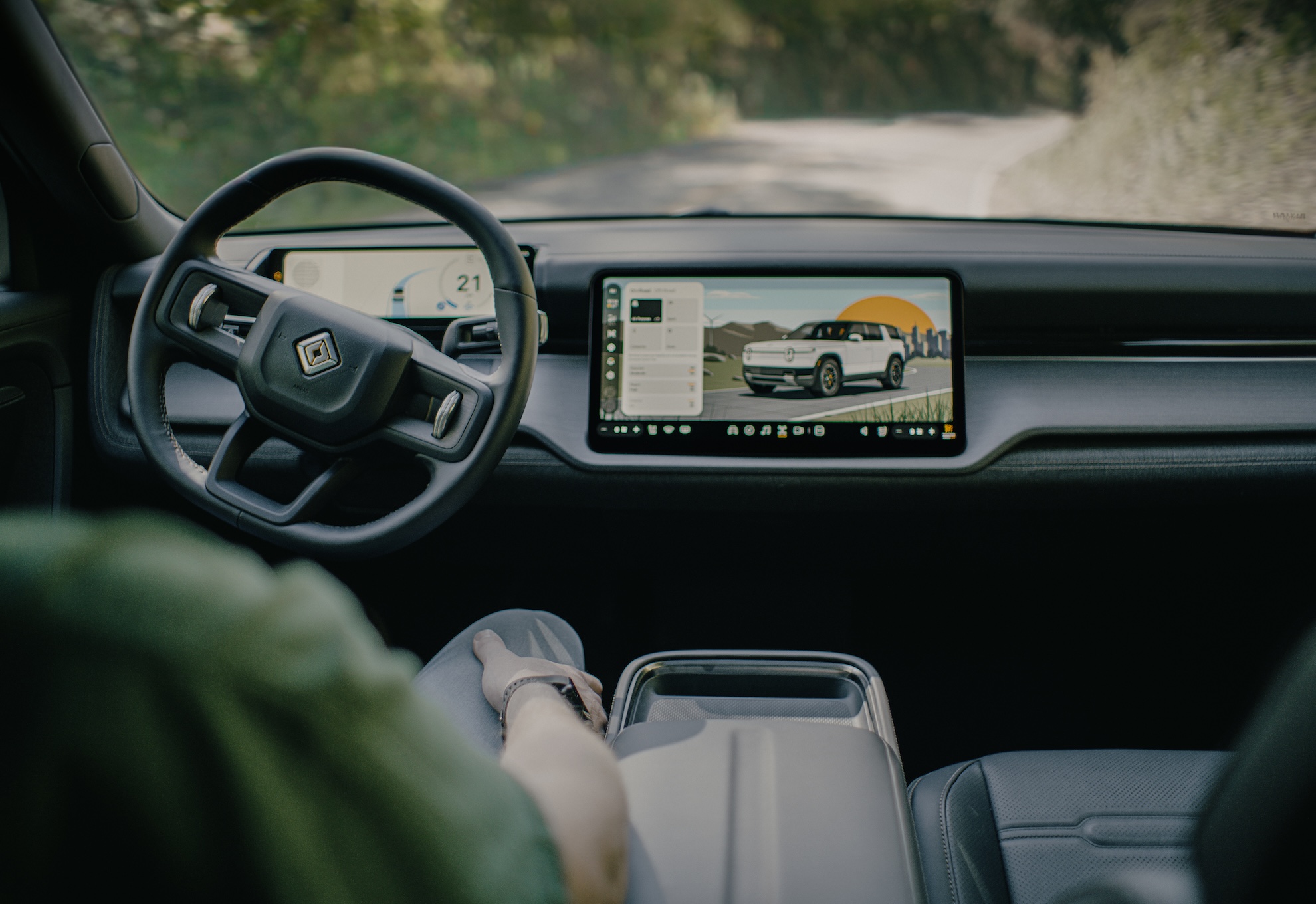
Apple CarPlay, the company’s platform for integrating iPhone features into vehicle infotainment systems, also receives notable upgrades in iOS 26.4. A new capability allows for in-car video playback for select applications, including Apple TV, though strictly limited to when the vehicle is stationary. This enhancement transforms CarPlay into a more comprehensive entertainment hub, offering passengers new options for amusement during stops, waits, or charging sessions. For families, this could be particularly beneficial, providing entertainment for children during school pickup lines or long journeys.
Even more significantly, CarPlay will now offer access to third-party artificial intelligence services, marking a notable expansion of Apple’s ecosystem strategy. Users will be able to integrate and utilize powerful AI models such as OpenAI’s ChatGPT, Google’s Gemini, and Anthropic’s Claude directly through CarPlay. This groundbreaking integration signifies Apple’s acknowledgment of the specialized strengths of external AI platforms and its willingness to collaborate, rather than solely relying on its own "Apple Intelligence" for every task. This move could empower drivers and passengers with advanced conversational AI, sophisticated information retrieval, and potentially more nuanced in-car assistance, transforming the driving experience with intelligent, context-aware capabilities. It hints at a broader, more open AI strategy for Apple, where its own AI focuses on core device intelligence and privacy, while offering users choice for more generalized or specialized AI functions through third-party integrations.
Refinements Across the Ecosystem
Beyond the major feature announcements, iOS 26.4 brings a series of subtle yet impactful refinements across various applications and system functions.
The Camera app introduces "Audio Zoom," an intelligent feature that focuses the microphone on the subject as the user optically zooms in during video recording. This capability actively reduces ambient background noise, significantly enhancing audio clarity for speeches, performances, or interviews captured on an iPhone, making external audio equipment less necessary for casual recording.
For users seeking tranquility or focus, the "Ambient Music" feature, previously accessible primarily via the Control Center, now receives a dedicated Home Screen widget. This allows for instant access to soundscapes designed for concentration, sleep, or relaxation, streamlining the user experience and making wellness tools more readily available. This feature, initially rolled out in iOS 18.4, offered a variety of ambient sound categories like Sleep, Chill, Productivity, and Wellbeing, and its increased accessibility reflects a growing focus on digital wellness.
Finally, the Reminders app gains an "Urgent" section, designed to group high-priority tasks and trigger more prominent alerts as deadlines approach. Setting a reminder as "Urgent" will now automatically add an alarm, ensuring critical events are not overlooked. This small but impactful organizational tool caters to users managing complex schedules and improves the app’s overall utility for task management.
The Evolving Apple Ecosystem and AI’s Role
The iOS 26.4 public beta presents a multifaceted update that highlights Apple’s strategic directions in an increasingly interconnected and AI-driven technological landscape. From leveraging generative AI in Apple Music to embracing video in podcasts and adopting industry-standard encrypted messaging, Apple is actively refining its ecosystem to meet evolving user expectations and competitive pressures. The emphasis on user security, exemplified by the default activation of Stolen Device Protection, underscores a foundational commitment to privacy and data integrity.
The integration of third-party AI services in CarPlay is particularly noteworthy, signaling a potential shift in Apple’s historically insular approach to its core technologies. While Apple is clearly investing heavily in its own "Apple Intelligence," its willingness to allow users to choose other leading AI models suggests a pragmatic strategy where specialized AI tasks might be best handled by dedicated platforms, while Apple focuses on seamless integration and privacy-centric on-device AI.
Conspicuously absent from this release, however, is the long-anticipated "next-generation" Siri experience. Despite persistent rumors and Apple’s stated ambitions for its voice assistant, a significant overhaul for Siri has reportedly been delayed once again. This omission highlights the substantial challenges involved in developing a truly revolutionary conversational AI, even for a tech titan like Apple. While other AI features are steadily making their way into iOS, the full realization of Apple’s AI vision, particularly concerning its flagship voice assistant, appears to be a journey still in progress. Nevertheless, iOS 26.4 lays crucial groundwork, demonstrating Apple’s dynamic response to current technological trends and its ongoing effort to enhance the iPhone experience across a broad spectrum of functionalities.