Amir Mahmud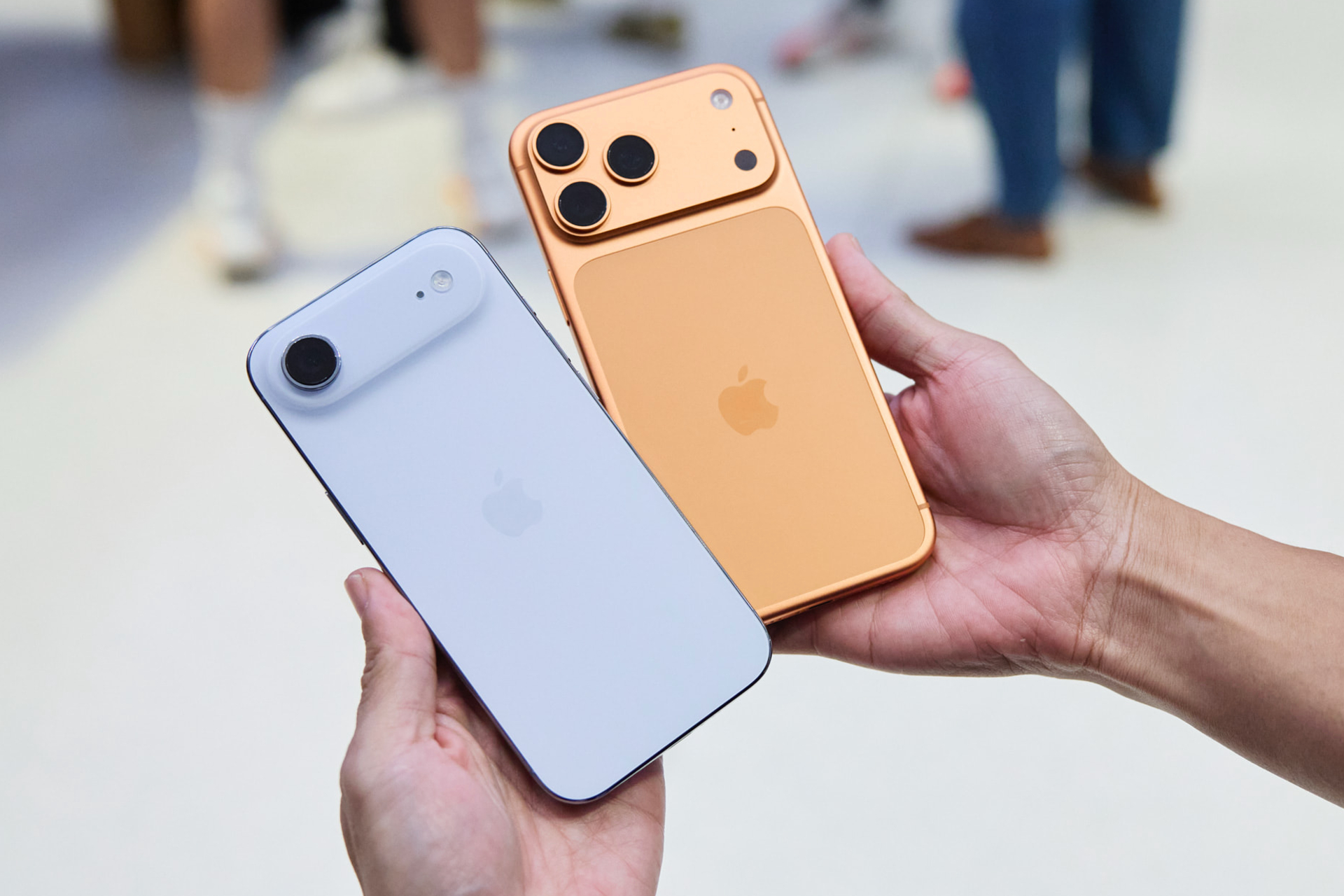
Apple appears poised to redefine its established approach to unveiling new products, moving away from the singular, high-stakes keynote toward a more distributed, multi-day global engagement model. The tech giant has extended invitations to members of the press for a "special Apple experience" scheduled for March 4, an event that industry observers anticipate will diverge significantly from the company’s long-standing tradition of grand, centralized announcements. This shift, first reported by Bloomberg’s Mark Gurman and corroborated by insights from Daring Fireball’s John Gruber, suggests a strategic pivot designed to offer a more immersive and geographically diverse introduction to its latest innovations.
A Legacy of Spectacle: Apple’s Traditional Launch Events
For decades, Apple’s product launches have been theatrical events, meticulously choreographed spectacles that transcended mere product announcements to become cultural touchstones. The iconic image of Steve Jobs, often clad in a black turtleneck and jeans, commandingly introducing revolutionary devices like the original Macintosh, iPod, iPhone, and iPad, set an unparalleled standard for corporate presentations. These keynotes, typically held at venues like the Moscone Center, the Flint Center, or later, the Steve Jobs Theater at Apple Park in Cupertino, California, were carefully guarded secrets leading up to the grand reveal. They generated immense global anticipation, drawing millions of viewers to live streams and dominating tech news cycles for days.
Under Tim Cook’s leadership, this tradition continued, albeit with a broadened scope to include a wider array of services and product categories such as the Apple Watch and AirPods. The "one more thing" moment became synonymous with Apple’s flair for surprise, a narrative device that built suspense and delivered unexpected innovations. These events were not just about products; they were about presenting a vision, crafting a narrative around user experience, and reinforcing Apple’s brand as a leader in design and technology. The media converged on Cupertino, eager for the first look, the hands-on demonstration, and the immediate scoop that would feed the ravenous 24/7 news cycle. The impact was profound, often moving market sentiments and setting consumer trends for the year ahead.
The Genesis of a New Strategy: Adapting to Modern Realities
The potential transition away from this entrenched model is not entirely without precedent, but its scale suggests a fundamental rethinking. While Apple has occasionally launched minor updates via press releases or website refreshes, major new product categories or significant generational leaps have almost invariably warranted a full-blown keynote. The COVID-19 pandemic, however, forced Apple, like many companies, to adapt rapidly, shifting its keynotes to pre-recorded, highly polished digital presentations streamed online. These virtual events, while lacking the live audience energy, proved effective in reaching a global viewership and demonstrated the viability of alternative announcement formats.
This experience, coupled with the increasing breadth of Apple’s product portfolio and the accelerating pace of technological development, may have catalyzed the current strategic re-evaluation. A single two-hour keynote struggles to adequately showcase a diverse range of new Macs, iPads, and iPhones, each with its own set of significant updates and target audiences. Information overload can be a real challenge for both journalists trying to cover everything and consumers trying to digest it. Furthermore, the global nature of Apple’s customer base means that a single event in California, while globally streamed, lacks the localized, direct engagement that a multi-city approach can offer. This proposed "three-day flurry" of announcements, culminating in a global hands-on "experience," appears to be a sophisticated response to these evolving media consumption habits and market demands.
Unpacking the "Three-Day Flurry" and Global "Experiences"
According to reports, the new strategy involves a phased rollout of announcements over several days, likely leveraging Apple’s official newsroom and online channels for initial product reveals. This "three-day flurry" could entail staggered press releases, detailed product pages going live, and perhaps even pre-recorded video segments dedicated to specific product lines. This approach would allow each new device or software update to command its own spotlight, preventing any single innovation from being overshadowed by another in a crowded keynote.
The culmination of this digital rollout is the highly anticipated "special Apple experience" on March 4. Unlike past events where journalists from around the world would flock to California, Apple is reportedly planning simultaneous hands-on sessions in key global cities: New York, London, and Shanghai. This multi-city approach is a significant departure, signaling a commitment to providing localized media with immediate, physical access to the new products.
The benefits of this localized, hands-on model are manifold. For the press, it offers a crucial opportunity for direct interaction with the devices, allowing them to form immediate impressions, capture high-quality photography and video, and conduct preliminary testing. This direct engagement fosters richer, more nuanced media coverage than what can be gleaned from a purely virtual presentation. For Apple, it ensures that influential journalists and content creators in critical markets worldwide can generate authentic, first-hand content, driving localized hype and deeper consumer understanding. It also demonstrates a more equitable approach to media engagement, acknowledging the importance of diverse global perspectives. These "experiences" are expected to provide dedicated demo stations, product experts, and controlled environments where the intricacies of the new hardware and software can be thoroughly explored.
Anticipated Innovations: A Glimpse at the Rumored Product Slate
The forthcoming announcements are rumored to be substantial, encompassing a wide array of Apple’s core product categories. Speculation points to at least five new products being unveiled. Among the most anticipated is a new low-cost MacBook, a move that could significantly broaden the accessibility of Apple’s laptop ecosystem. Such a product would cater to students, budget-conscious consumers, and markets where affordability is a key purchasing factor, potentially reigniting growth in a segment often dominated by competitors.
The iPhone lineup might see the introduction of an "iPhone 17e," an intriguing designation that suggests an entry-level or specialized variant within Apple’s flagship smartphone series. While details remain scarce, an ‘e’ model could imply a focus on essential features, potentially at a more attractive price point, expanding the iPhone’s market reach.
The iPad family is also expected to receive significant updates. Reports indicate a new iPad Air featuring the powerful M4 chip, a move that would blur the lines further between Apple’s tablet and laptop offerings. The M4 chip, presumably offering substantial performance gains, would elevate the iPad Air’s capabilities for professional tasks, creative work, and demanding applications, positioning it as a true alternative to traditional computers for many users. Additionally, a refresh of the entry-level iPad is anticipated, reinforcing its role as an accessible and versatile device for education, casual use, and a broad consumer base.
Finally, the MacBook line is rumored to receive upgrades, with new MacBook Air and MacBook Pro models on the horizon. These updates would likely focus on internal improvements, such as the latest generation of Apple’s M-series processors, enhanced displays, and potentially new connectivity options, continuing Apple’s commitment to pushing the boundaries of performance and efficiency in its professional and consumer laptops. While many of these products are expected this spring, the precise timing of their individual announcements within the proposed multi-day structure remains a subject of considerable speculation.
Market Repercussions and Media Dynamics
This shift in Apple’s announcement strategy carries significant implications for both the market and the media landscape. From a market perspective, a phased rollout could lead to a more sustained period of investor interest and media buzz, rather than a single, intense spike followed by a rapid decline. Spreading out announcements allows each product to generate its own news cycle, potentially leading to a more consistent uplift in stock performance and analyst coverage. It also enables Apple to strategically time the releases to maximize impact and avoid cannibalizing attention across its diverse product lines.
For the media, this new approach demands a different kind of coverage strategy. Instead of a mad dash to publish everything immediately after a keynote, journalists might find themselves engaging in a more deliberate, in-depth exploration of individual products over several days. The localized hands-on sessions provide unparalleled access, but also require significant logistical coordination from media outlets to cover events across different time zones and continents. This could lead to richer, more varied content, moving beyond mere recitation of specs to include more nuanced reviews and user impressions based on direct experience. It also underscores Apple’s recognition of the evolving nature of digital news, where sustained engagement and diverse content formats are paramount.
Navigating the Pros and Cons of a Phased Reveal
The potential benefits of this new strategy for Apple are compelling. By distributing announcements, the company can avoid the "information overload" that often characterizes packed keynotes, allowing each product to receive focused attention. This extended news cycle can keep Apple in the headlines for a longer duration, maintaining consumer interest and media visibility. The global hands-on experiences foster targeted engagement with key media in vital markets, ensuring localized relevance and authentic coverage. Moreover, it allows for a more flexible and adaptable schedule, better suited to the complexities of managing a vast and diverse product roadmap.
However, this departure from tradition is not without its potential drawbacks. The sheer scale and spectacle of a traditional Apple keynote, often culminating in a "one more thing" moment, generated an unparalleled level of collective excitement and anticipation that a multi-day, distributed approach might struggle to replicate. There is a risk that spreading announcements too thin could dilute the overall hype, preventing any single product from achieving the same level of iconic status immediately upon launch. Logistical complexities for Apple, including maintaining secrecy across multiple global events and coordinating a staggered digital rollout, would also be substantial. Furthermore, some consumers might find a phased approach less cohesive or potentially confusing compared to a single, comprehensive presentation. The absence of a central, live event could also diminish the direct interaction between Apple executives and the global press, a valuable aspect of past keynotes.
Looking Ahead: The Future of Apple’s Product Unveiling
As March 4 approaches, the tech world watches with keen interest to observe how this potential new strategy unfolds. Apple has historically been an innovator not just in its products, but also in its methods of presentation, continually setting benchmarks for how technology is introduced to the world. This latest rumored shift suggests a willingness to evolve and adapt to a changing media landscape and an increasingly globalized market.
Whether this new model becomes the standard for future Apple launches or remains a strategy for specific product cycles remains to be seen. What is clear, however, is that Apple is exploring new frontiers in how it communicates its innovations. The "special Apple experience" in New York, London, and Shanghai, coupled with a multi-day online rollout, represents a significant test of this revamped approach, promising to offer a fresh perspective on the unveiling of some of the most anticipated products in the tech industry.