Amir Mahmud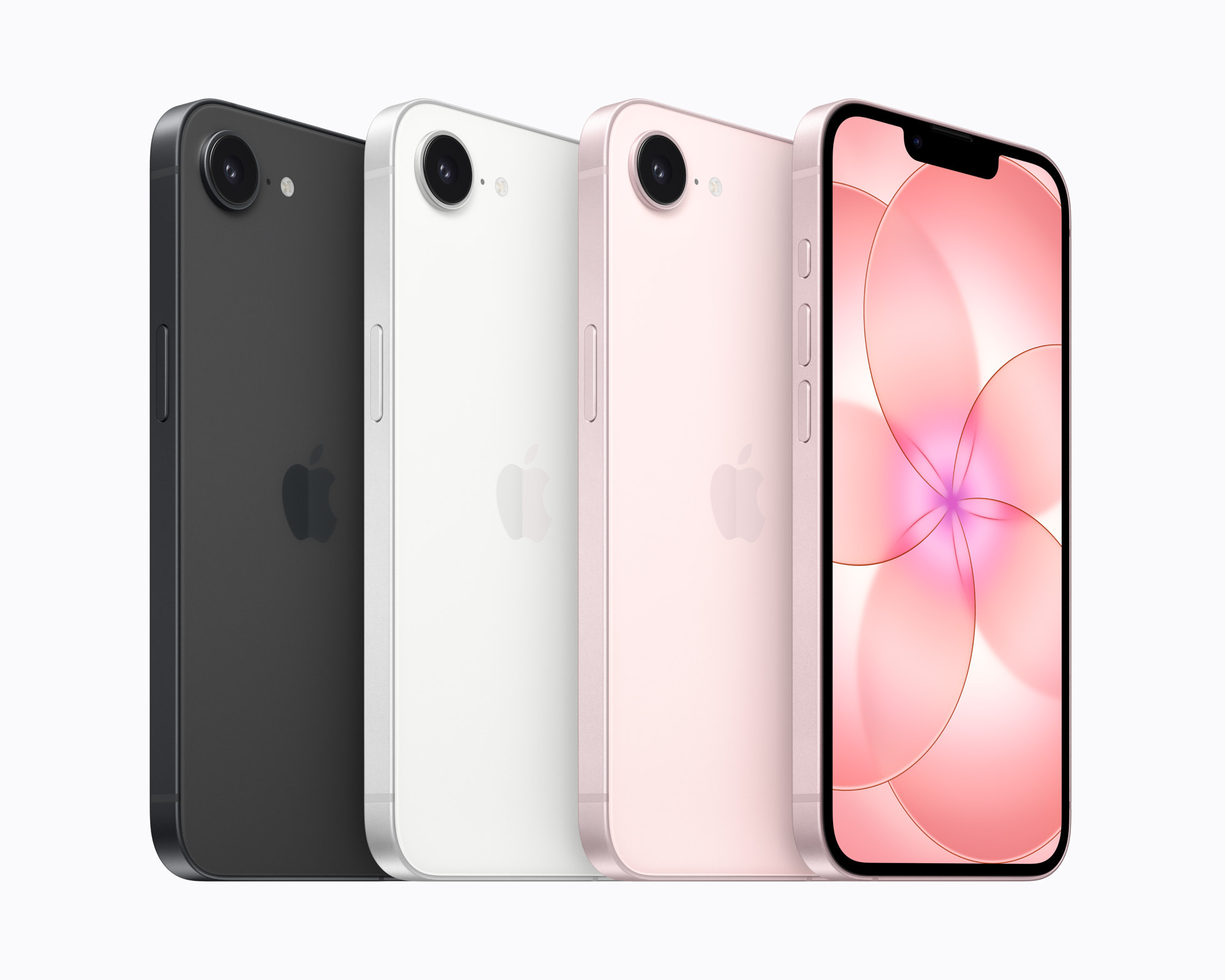
Cupertino, California – March 2, 2026 – Apple officially pulled back the curtain on its latest entry in the more accessible iPhone lineup, the iPhone 17e, a device poised to redefine expectations for mid-range smartphones. Retailing at a competitive price point of $599, this new iteration is scheduled for market release on March 11, marking a significant strategic move by the technology giant to democratize advanced computational capabilities, particularly in the burgeoning field of artificial intelligence. The unveiling underscores Apple’s commitment to integrating its most cutting-edge innovations, including its proprietary Apple Intelligence framework, into a wider array of its product ecosystem, making high-end features more attainable for a broader consumer base.
The Evolution of Apple’s Accessible Offerings
Apple’s journey into offering more budget-conscious smartphone options traces back to pivotal moments in its history, reflecting a consistent strategy to capture diverse market segments without compromising core user experience. The original iPhone SE, launched in 2016, famously repackaged flagship-level internal components into a beloved, compact form factor at a significantly lower price. This model proved immensely popular, demonstrating a strong market appetite for powerful yet affordable devices. Subsequent generations, including the second and third iPhone SE models, continued this tradition, albeit with updated designs and improved specifications. The introduction of the "e" series, preceding the 17e, signaled a subtle shift in nomenclature and potentially a more regularized refresh cycle for this segment, indicating Apple’s dedication to maintaining a strong presence in the fiercely competitive mid-tier. These devices serve not only as entry points for new users into the Apple ecosystem but also as compelling upgrade paths for owners of older iPhones, offering modern performance without the premium price tag of the flagship "Pro" models. The 17e, therefore, is not merely a new phone; it is the latest chapter in a carefully crafted strategy to extend Apple’s technological reach.
The Dawn of On-Device Intelligence
At the heart of the iPhone 17e’s appeal is its integration of Apple Intelligence, the company’s ambitious new suite of generative artificial intelligence features. This development represents a watershed moment, as it brings sophisticated AI capabilities, previously reserved for top-tier devices or cloud-based services, directly to a more budget-friendly handset. Powering these intelligent functions is the advanced A19 chip, a processor shared with the standard iPhone 17. The A19 chip’s neural engine is specifically designed to handle complex machine learning tasks on-device, ensuring privacy and responsiveness.
The broader implications of Apple Intelligence on the 17e are substantial. Users can anticipate a more personalized and intuitive experience across various applications, from enhanced photo editing suggestions and more natural language interactions with virtual assistants to intelligent summarization of text and proactive task management. This move places Apple in direct competition with other industry players who have been rapidly incorporating AI into their smartphone offerings. Companies like Google, with its Pixel series, have long championed on-device AI for features like computational photography and call screening. Samsung has also aggressively pushed its Galaxy AI suite across its premium and even some mid-range devices. By bringing Apple Intelligence to the 17e, Apple is not just catching up; it is asserting its unique approach to AI, emphasizing privacy, seamless integration, and user-centric design, potentially setting a new benchmark for what consumers can expect from a $599 smartphone.
Performance and Power Under the Hood
Beyond its AI prowess, the iPhone 17e boasts a robust internal architecture designed for sustained performance and efficiency. The inclusion of the A19 chip, a silicon marvel previously found in the more expensive base iPhone 17, is a significant differentiator for a device in this price bracket. This processor provides substantial horsepower, capable of effortlessly managing demanding applications, immersive gaming, and complex multitasking, ensuring a smooth and responsive user experience that rivals many premium smartphones.
Storage capacity has also received a notable upgrade, with the base model now offering 256 GB. This generous allotment is double the entry-level storage of its predecessor, addressing a common user pain point in an era of high-resolution media and expanding application sizes. This enhancement means users can store more photos, videos, and apps without constantly worrying about running out of space, a crucial factor for modern digital lifestyles.
Connectivity sees a significant leap forward with the integration of Apple’s latest-generation cellular modem, the C1X. This advanced modem is engineered to deliver up to twice the cellular data speeds compared to the C1 modem found in the iPhone 16e, promising quicker downloads, smoother streaming, and more reliable connections in a variety of network conditions. Furthermore, the C1X is designed with energy efficiency in mind, consuming 30% less power than its predecessor. This reduction in energy consumption directly translates to improved battery life, allowing users to stay connected for longer periods between charges—a critical consideration for mobile device users who increasingly rely on their smartphones for work, communication, and entertainment throughout the day.
Enhanced User Experience and Durability
The iPhone 17e introduces several key hardware enhancements that significantly elevate the user experience, bridging the gap between Apple’s budget-friendly line and its more premium offerings. A standout addition is the inclusion of MagSafe technology, alongside Qi2 compatibility, enabling wireless charging up to 15W. MagSafe, first introduced with the iPhone 12 series, revolutionized magnetic attachment for accessories and charging. Its presence on the 17e not only offers convenient and fast wireless power delivery but also opens up a vast ecosystem of MagSafe-compatible accessories, from wallets and battery packs to car mounts, enhancing the device’s versatility and functionality. This marks a substantial upgrade for the "e" series, bringing a premium feature to a more accessible price point.
The device’s visual interface is presented through a vibrant 6.1-inch Super Retina XDR display. This advanced display technology ensures exceptional brightness, contrast, and color accuracy, providing an immersive viewing experience whether browsing the web, watching videos, or playing games. Protecting this critical component is Ceramic Shield 2, a material Apple claims offers three times the scratch resistance compared to the previous generation. This enhanced durability is crucial for a device designed for everyday use, mitigating the risk of unsightly scratches and cracks from accidental drops or encounters with abrasive surfaces.
Further bolstering its resilience, the iPhone 17e carries an IP68 rating for dust and water resistance. This certification means the device can withstand submersion in water up to 6 meters for 30 minutes, providing peace of mind against splashes, spills, and accidental dips. In terms of safety and connectivity, the 17e supports Emergency SOS via satellite, a groundbreaking feature that allows users to send critical messages to emergency services even when outside cellular and Wi-Fi coverage. Complementing this is Roadside Assistance via satellite, offering similar off-grid support for vehicle breakdowns, and the ubiquitous Find My network, which helps users locate misplaced or stolen devices with remarkable precision.
Camera Capabilities and Creative Potential
While many aspects of the iPhone 17e received significant upgrades, the camera system maintains a familiar yet highly capable configuration. The device features the same 48-megapixel main camera as its predecessor, the iPhone 16e. This continuity in camera hardware does not necessarily imply stagnation; rather, it suggests that Apple is leveraging its robust computational photography capabilities, now bolstered by Apple Intelligence, to extract even more performance from the existing sensor.
The 48-megapixel sensor, when combined with the A19 chip’s advanced image signal processor and the new AI framework, is expected to deliver exceptional image quality across a variety of shooting conditions. Users can anticipate improved detail, better low-light performance through enhanced noise reduction, and more accurate color reproduction. Features such as Smart HDR, Deep Fusion, and Photographic Styles, which rely heavily on computational photography, are likely to see further refinements and enhancements driven by Apple Intelligence. This means that while the raw megapixel count remains unchanged, the intelligent processing behind each shot could lead to perceptibly superior results, offering users more creative flexibility and professional-looking photos and videos without the need for complex manual adjustments. For many users, particularly those upgrading from older models, the 48MP camera, enhanced by the A19 chip and Apple Intelligence, will represent a significant leap in photographic capability, ensuring the 17e remains competitive in a market where camera performance is a key differentiator.
Market Dynamics and Competitive Landscape
The introduction of the iPhone 17e at $599, replete with an A19 chip and Apple Intelligence, strategically positions Apple within a highly competitive segment of the global smartphone market. This price point directly challenges popular Android alternatives like Google’s Pixel A-series and Samsung’s Galaxy A-series, which have traditionally dominated the mid-range with compelling features and strong value propositions. The Pixel A-series, for instance, is renowned for its exceptional computational photography and tight integration with Google’s AI services, often at a similar or even lower price. Samsung’s mid-range Galaxy phones offer diverse options with strong displays, multi-camera setups, and robust battery life.
Apple’s move to infuse the 17e with flagship-level AI and processor power aims to disrupt this established order. For consumers, the choice now becomes more complex: an Android device known for its open ecosystem and often diverse hardware options, or an iPhone offering the seamless Apple ecosystem experience, robust privacy features, and now, accessible high-end AI capabilities. This could significantly impact Apple’s market share, particularly in emerging markets where price sensitivity is higher, and in developed markets where consumers are increasingly looking for value without sacrificing advanced features. The 17e could serve as a powerful gateway, attracting Android users who have been curious about Apple’s ecosystem but deterred by the premium pricing of its flagship models, or encouraging existing iPhone users on older devices to upgrade to a more modern, AI-equipped handset.
Apple’s Strategic Play
The iPhone 17e represents more than just an annual product refresh; it is a calculated strategic maneuver by Apple in a dynamic technological landscape. By making Apple Intelligence and the powerful A19 chip available in a $599 device, Apple is not merely selling a phone; it is selling access to its evolving AI ecosystem. This approach reinforces the company’s long-term vision of integrating artificial intelligence as a foundational layer across all its platforms and devices, ensuring that its innovations reach a wider audience.
The enhanced durability features, including Ceramic Shield 2 and IP68 rating, along with critical safety functionalities like Emergency SOS via satellite, underscore Apple’s commitment to user safety and product longevity, which are increasingly important factors for environmentally conscious consumers. The 17e’s blend of advanced technology, robust features, and a more approachable price point positions it as a formidable contender, poised to not only attract new users to the Apple ecosystem but also to solidify its position in a highly contested market. This launch could well set a new standard for what consumers expect from a mid-range smartphone, further blurring the lines between premium and accessible technology.