Amir Mahmud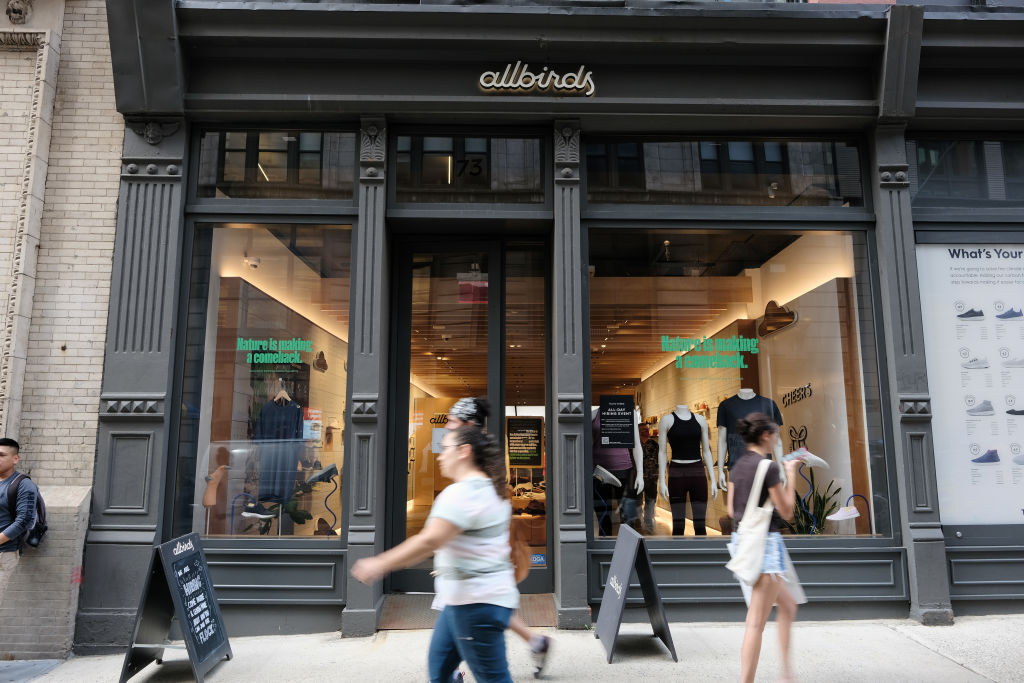
The final Allbirds brick-and-mortar store in San Francisco is set to close its doors by the end of February, marking a poignant moment for a brand once synonymous with the city’s tech boom and a particular sartorial sensibility. This closure is part of a sweeping operational restructuring that will see the sustainable footwear company drastically reduce its physical retail footprint, retaining only two outlet stores in the United States and two full-price locations in London. The move underscores a challenging period for Allbirds, reflecting a broader reckoning within the direct-to-consumer (DTC) market and a symbolic shift in the ethos of Silicon Valley.
The Rise of the Sustainable Sneaker
Founded in 2015 by former New Zealand soccer captain Tim Brown and biotech engineer Joey Zwillinger, Allbirds emerged onto the scene with a compelling narrative centered on sustainability, comfort, and minimalist design. Brown’s initial concept, born from an observation about the lack of simple, comfortable, and eco-friendly shoes, led to the development of a unique fabric made from merino wool. This innovation promised a breathable, moisture-wicking, and incredibly soft material that set it apart from conventional synthetic footwear. The brand later expanded its material palette to include eucalyptus fiber for its "Tree" line and sugarcane-based SweetFoam for its soles, further solidifying its commitment to environmental stewardship.
Allbirds quickly captivated a specific demographic, particularly within the burgeoning tech industry of San Francisco. Its understated aesthetic, often described as "anti-fashion" yet inherently stylish in its simplicity, resonated with startup employees and venture capitalists alike. These were individuals who valued practicality, comfort during long workdays, and a subtle nod to conscious consumption, all without the overt branding of traditional athletic wear. The shoes became an unofficial uniform, a symbol of belonging to the tech elite, often gifted as company swag and seen adorning the feet of developers, founders, and executives alike. This initial success was fueled by a powerful combination of innovative materials, a strong brand story, and word-of-mouth marketing within a highly influential community.
From Startup Darling to Public Market Scrutiny
The company’s early years were characterized by rapid growth and significant venture capital investment. Allbirds successfully tapped into the zeitgeist of the mid-2010s, riding the wave of DTC brands that promised disruption through online sales, transparent pricing, and a direct relationship with consumers. By 2018, the company had achieved a "unicorn" valuation of $1.4 billion, a testament to investor confidence in its unique market position and growth potential. This trajectory culminated in a much-anticipated initial public offering (IPO) in November 2021, under the Nasdaq ticker symbol $BIRD. The IPO initially saw the stock soar, reflecting the market’s enthusiasm for sustainability-focused companies with strong brand loyalty.
However, the post-IPO landscape proved far more challenging than anticipated. The market’s initial exuberance quickly faded, and Allbirds, like many other DTC brands that went public around the same time, began to "flounder." The company’s stock price plummeted from its IPO highs, and its market capitalization now hovers around a fraction of its former valuation. This stark decline highlights the intense scrutiny and higher expectations placed on publicly traded companies, a stark contrast to the often more forgiving environment of private venture funding. The transition from a nimble startup to a large, publicly accountable corporation demands consistent profitability, scalable operations, and robust growth strategies that many DTC darlings have struggled to maintain.
Navigating the Direct-to-Consumer Landscape
Allbirds’ decision to significantly reduce its physical retail presence, including the symbolic closure of its last San Francisco store, reflects a strategic shift aimed at achieving "profitable growth" under a stated "turnaround strategy." CEO Joe Vernachio’s comments about "exiting these remaining unprofitable doors" to "reduce costs and support the long-term health of the business" are a familiar refrain in the current retail environment. While physical stores can enhance brand visibility and customer experience, they also come with substantial overheads, including rent, staffing, and inventory management. For a company facing financial headwinds, shedding unprofitable locations is a common, albeit difficult, path to streamlining operations.
The challenges faced by Allbirds are not unique. Many DTC brands that initially thrived online later ventured into brick-and-mortar retail, hoping to expand their reach and create immersive brand experiences. However, scaling a retail footprint successfully requires different expertise and capital than purely online operations. High customer acquisition costs online often push brands to explore physical channels, but the economic realities of traditional retail can be unforgiving. The current economic climate, marked by inflationary pressures and shifts in consumer spending habits, has further exacerbated these difficulties, forcing companies to re-evaluate every aspect of their business model. For Allbirds, the strategic retreat from extensive physical retail suggests a renewed focus on its core online business and potentially more efficient, targeted physical touchpoints like outlet stores, which cater to different consumer segments and pricing strategies.
A Shifting Silicon Valley Aesthetic
Beyond the financial implications, the Allbirds story also serves as a cultural barometer for Silicon Valley. The brand’s initial popularity coincided with an era where the tech industry, while booming, still harbored a relatively relaxed, almost deliberately unstylish aesthetic. Comfort and functionality reigned supreme, often at the expense of traditional fashion norms. The "tech bro" uniform, often characterized by hoodies, jeans, and a pair of minimalist sneakers, reflected a culture that prioritized utility and innovation over sartorial flair. Allbirds perfectly fit into this ethos, offering a product that was comfortable, ostensibly ethical, and subtly exclusive.
However, the tech landscape, and its associated style, has evolved. The original article hints at this shift, noting a move towards a more "efficient" and data-driven aesthetic. Today’s tech workers might be seen wearing Oura rings to track biometric data, meticulously logging macros on nutrition apps, and opting for highly curated, performance-oriented meals. The casual comfort of Allbirds, while still appreciated, might no longer hold the same symbolic weight. Instead, the focus has shifted towards optimizing personal performance and bio-hacking, reflected in clothing and accessories that speak to precision, data, and peak efficiency. The mention of Patagonia vests becoming exclusive to AI companies, and the underlying anxiety about potential economic bubbles, suggests a more precarious and competitive environment, where every choice, including fashion, might subtly communicate a different kind of ambition or resilience. This shift signifies not just a change in clothing preferences, but a deeper cultural transformation within the tech industry, moving from a period of almost utopian growth to one of greater self-awareness, optimization, and perhaps, a touch of existential unease.
The Path Forward
For Allbirds, the path forward involves a critical assessment of its core value proposition and a re-engagement with its foundational principles. The company’s unique selling points – sustainability, comfort, and minimalist design – remain relevant to a segment of consumers who are increasingly conscious of their environmental footprint and seek products that align with their values. However, competition in the sustainable footwear market has intensified, with numerous brands now offering eco-friendly alternatives. Allbirds must differentiate itself not just through its materials, but also through its overall brand experience, pricing strategy, and product innovation.
The "turnaround strategy" likely encompasses several key areas: optimizing supply chains to reduce costs and improve margins, refining product lines to focus on best-sellers and introduce compelling new designs, and strengthening its online presence to capitalize on its original DTC strength. While the closure of physical stores, particularly in its birthplace, might seem like a retreat, it can also be a necessary pruning to ensure the long-term health of the business. By shedding unprofitable assets, Allbirds aims to reallocate resources to areas that promise greater returns and more sustainable growth.
The closure of the last San Francisco Allbirds store is more than just a retail decision; it’s a bellwether for the evolving dynamics of direct-to-consumer brands, the shifting tides of retail, and the cultural landscape of Silicon Valley itself. It marks the end of an era defined by rapid, often unchecked, growth and an aesthetic that mirrored that exuberance. As the tech world recalibrates, so too do the brands that once defined its everyday style, signaling a move towards a more pragmatic, data-driven, and perhaps, more resilient future. The shoes may still be available online, but the physical spaces that once symbolized their reign are quietly fading, making way for what comes next.