Amir Mahmud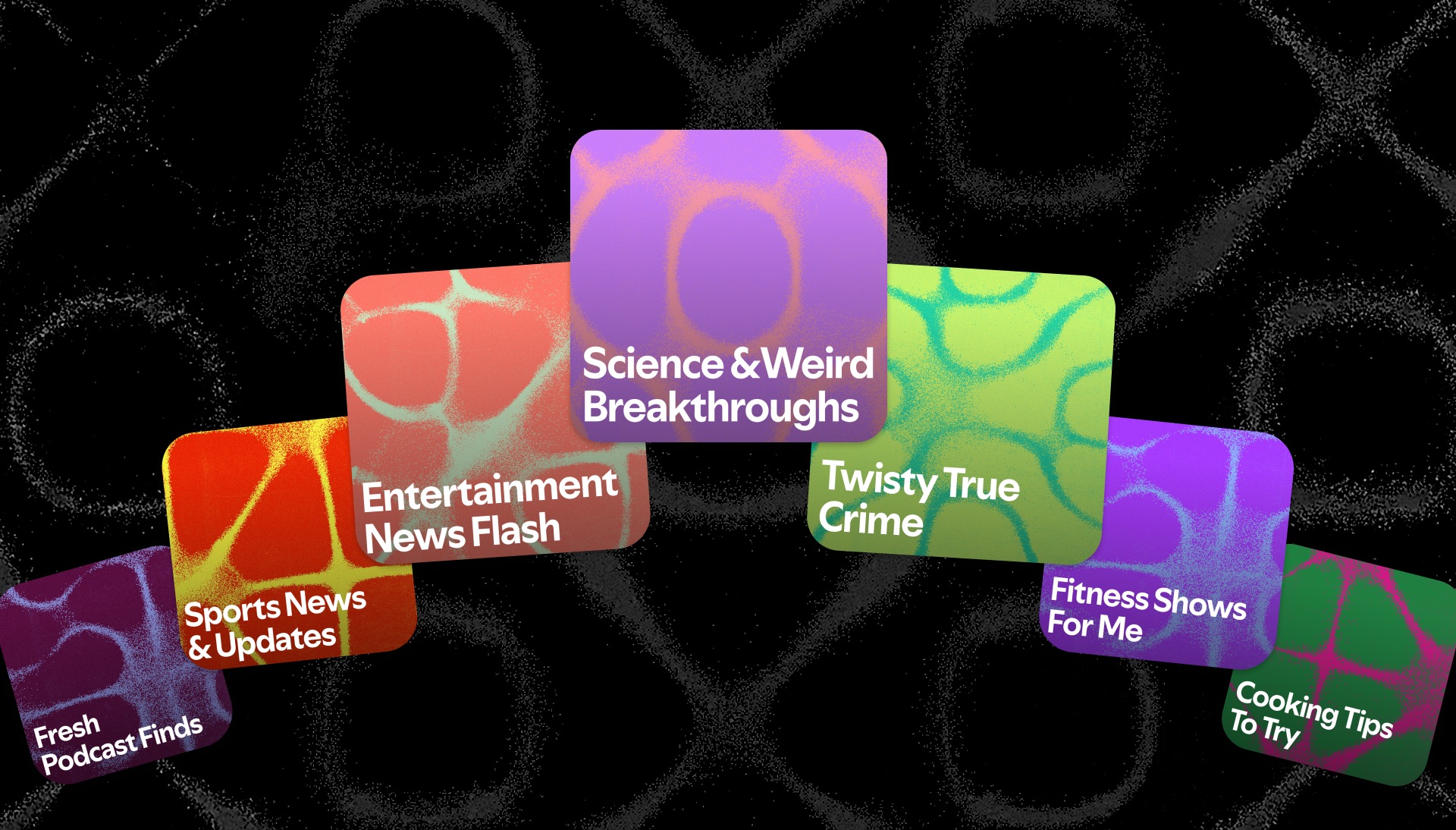
Spotify, a dominant force in the global audio streaming landscape, has announced a significant enhancement to its artificial intelligence-powered content curation, extending its "Prompted Playlists" feature to encompass podcasts. This move marks a strategic deepening of the platform’s commitment to personalized listening experiences, building upon the initial success of the AI-driven tool for music discovery. The expansion will enable premium subscribers in select markets to generate customized podcast playlists through intuitive text prompts, signaling a new era for how listeners engage with spoken-word content.
The Evolution of Audio Discovery
For years, Spotify has been synonymous with music streaming, distinguishing itself through an uncanny ability to surface new tracks and artists tailored to individual tastes. This prowess is largely attributed to its sophisticated recommendation algorithms, which analyze listening habits, genre preferences, and even emotional cues to suggest content. The introduction of Prompted Playlists for music late last year represented a natural evolution, allowing users to move beyond passive recommendations and actively shape their audio journeys with specific, descriptive commands. This feature was initially piloted in New Zealand, quickly gaining traction for its novel approach to user-driven curation. Following its successful trial, Spotify rolled out the capability to broader audiences, including premium users in the United States, Canada, the United Kingdom, Ireland, Australia, and Sweden, before the latest announcement integrated podcasts into its functionality.
The integration of artificial intelligence into content discovery is not merely a technical upgrade; it represents a fundamental shift in user interaction with vast digital libraries. In an age of information overload, where millions of songs and podcasts compete for attention, AI acts as an essential filter and guide. From collaborative filtering to deep learning models, streaming platforms have continuously refined their algorithms to predict user preferences. Spotify’s Prompted Playlists takes this a step further by empowering users to articulate their desires in natural language, transforming a search query into a dynamic, personalized content stream. This human-like interaction with an AI assistant for content selection reflects a broader trend in technology, where conversational interfaces are becoming increasingly prevalent across various applications, from smart home devices to customer service bots.
A Deeper Dive into Prompted Playlists for Podcasts
With this latest update, premium users in the aforementioned markets can now leverage the beta feature to craft AI-aided playlists specifically for English-language podcasts. The process is designed to be user-friendly: by navigating to the "Create" option within the Spotify app and selecting "Prompted Playlists," users are presented with an interface to input their desired criteria. A compelling example provided by Spotify illustrates the feature’s potential: a user might type, "Make a playlist of True Crime podcasts I would be interested in. Add highly rated series I might have missed, especially ones full of twists and turns." The AI then sifts through Spotify’s extensive podcast catalog, identifying and compiling a list of episodes or series that match the intricate nuances of the prompt.
Beyond initial creation, the feature offers additional layers of customization. Listeners can specify the frequency at which their personalized podcast playlists are refreshed, choosing between daily updates, weekly refreshes on selected days, or a static playlist that does not change. A notable aspect of the system’s design is its commitment to transparency: when an episode is added to a user’s playlist, a concise note accompanies it, explaining the rationale behind its inclusion. This detail not only builds user trust but also aids in understanding the AI’s logic, potentially leading to more refined future prompts. Furthermore, Spotify indicates that users might encounter pre-generated Prompted Playlists on their home screens, curated by Spotify’s internal culture team, which can then be easily modified by tweaking the underlying prompt, merging human curation with AI flexibility.
The Strategic Imperative: Why Podcasts?
Spotify’s aggressive pivot towards podcasts over the past several years underscores the strategic importance of spoken-word content in the evolving audio landscape. Recognizing that music alone might not be sufficient to sustain long-term growth and differentiate itself from competitors, Spotify embarked on an ambitious strategy to become an "all-audio" platform. This journey began in earnest around 2019 with a series of high-profile acquisitions, including podcast production companies like Gimlet Media and Anchor (a podcast creation and hosting platform), sports and entertainment network The Ringer, and advertising and monetization platform Megaphone. These investments were followed by lucrative exclusive licensing deals with popular creators, most notably Joe Rogan, signaling a clear intent to dominate the podcasting space.
The podcast market itself has experienced explosive growth, transforming from a niche medium into a mainstream entertainment and information source. Millions of listeners worldwide now regularly tune into podcasts covering an astonishing array of topics, from true crime and investigative journalism to comedy, self-help, and fictional narratives. This surge in popularity has attracted significant advertising revenue and fostered a vibrant creator economy. However, with this growth comes the challenge of discoverability. The sheer volume of new podcasts being released daily can be overwhelming for listeners, making it difficult to cut through the noise and find content truly aligned with individual interests. Spotify’s Prompted Playlists directly addresses this pain point, leveraging its technological strengths to simplify and enhance the discovery process, thereby reinforcing its position as a primary destination for podcast consumption. The company has already highlighted the scale of podcast discovery on its platform, reporting that over 34 million podcasts are discovered for the first time every week on Spotify, a figure poised to grow with the new AI capabilities.
Impact on Listeners: Tailored Experiences and Beyond
For the average listener, the expansion of Prompted Playlists to podcasts promises a more personalized and less laborious discovery journey. The traditional methods of finding new podcasts often involve manual searching, browsing curated lists, or relying on word-of-mouth recommendations, all of which can be time-consuming and hit-or-miss. AI-driven playlists offer a powerful antidote to "podcast fatigue" – the feeling of being overwhelmed by choice – by intelligently filtering and presenting content based on nuanced prompts. This means listeners can delve deeper into niche interests, unearth hidden gems from a podcast’s back catalog, or explore new series that perfectly match their current mood or intellectual curiosity.
However, the increasing reliance on AI for content discovery also raises important considerations. One potential concern is the creation of "filter bubbles" or "echo chambers," where algorithms primarily serve content that reinforces existing preferences, potentially limiting exposure to diverse viewpoints or challenging perspectives. While personalization is highly valued, a healthy media diet often includes serendipitous discoveries and exposure to varied ideas. Spotify’s system, with its ability for users to refine prompts and the inclusion of "highly rated series I might have missed," attempts to mitigate this by encouraging exploration beyond immediate comfort zones. The effectiveness of this balance between personalization and serendipity will be a key factor in the long-term success and user satisfaction of the feature.
Implications for Creators: Enhanced Reach and Monetization Pathways
For podcast creators, this AI-powered discovery tool presents a significant opportunity to expand their audience reach and ensure their content finds the right listeners. Lizzy Hale, Spotify’s Global Head of Podcast Editorial, underscored this potential, stating, "Podcast fans are always looking for their next great listen. Prompted Playlist makes discovery feel effortless and personal. For creators, it unlocks powerful new opportunities for discovery, bringing both back catalog and new episodes to audiences who are actively signaling what they want to hear." This means that even older episodes, which might otherwise be buried deep within a show’s archives, can gain renewed visibility if they align with a user’s prompt. This emphasis on active signaling of listener intent is crucial, as it suggests a more qualified and engaged audience for the content delivered.
The enhanced discoverability can also indirectly support creators’ monetization efforts. As listener numbers and engagement grow, so does the appeal to advertisers. Furthermore, Spotify has been making other strategic adjustments to support its creator community. Earlier this year, the company lowered the monetization criteria for video podcasts, reflecting its broader push into multi-format audio. Under the updated rules, creators need to have published at least three podcasts, accumulated 2,000 consumption hours over the preceding 30 days, and engaged at least 1,000 unique listeners within the same 30-day period to qualify for monetization programs. This move is particularly relevant given the rapid expansion of video podcasts on the platform, with co-CEO Alex Norström reporting over 530,000 video podcasts on Spotify during the Q4 2025 earnings call in February. By creating more avenues for discovery and lowering monetization barriers, Spotify aims to cultivate a robust and financially viable ecosystem for creators, further solidifying its position as a comprehensive platform for audio content.
Navigating the AI Landscape: Opportunities and Considerations
Spotify’s continued investment in AI for content discovery places it at the forefront of the streaming industry’s technological evolution. The ability to process complex, natural language prompts and translate them into highly relevant content recommendations is a testament to the sophistication of modern AI. This move not only strengthens Spotify’s competitive advantage against rivals like Apple Podcasts, Google Podcasts, and Amazon Music but also sets a new benchmark for user experience in the audio space. As AI models become even more advanced, the granularity and accuracy of these personalized playlists are likely to improve further, potentially incorporating real-time feedback and even emotional analysis of user interactions.
However, the ethical considerations surrounding AI remain paramount. Questions about data privacy, algorithmic bias, and the potential impact on human curation will continue to be debated. Spotify, like other tech giants, must navigate these waters carefully, ensuring that its AI systems are developed and deployed responsibly, with user trust and content diversity at their core. The future of audio consumption is undoubtedly intertwined with artificial intelligence, and Spotify’s Prompted Playlists for podcasts represents a significant stride into that future, promising a world where finding your next favorite listen is as simple as asking for it. This innovation not only streamlines the user experience but also fundamentally redefines the relationship between listeners, creators, and the vast, ever-growing universe of audio content.