Amir Mahmud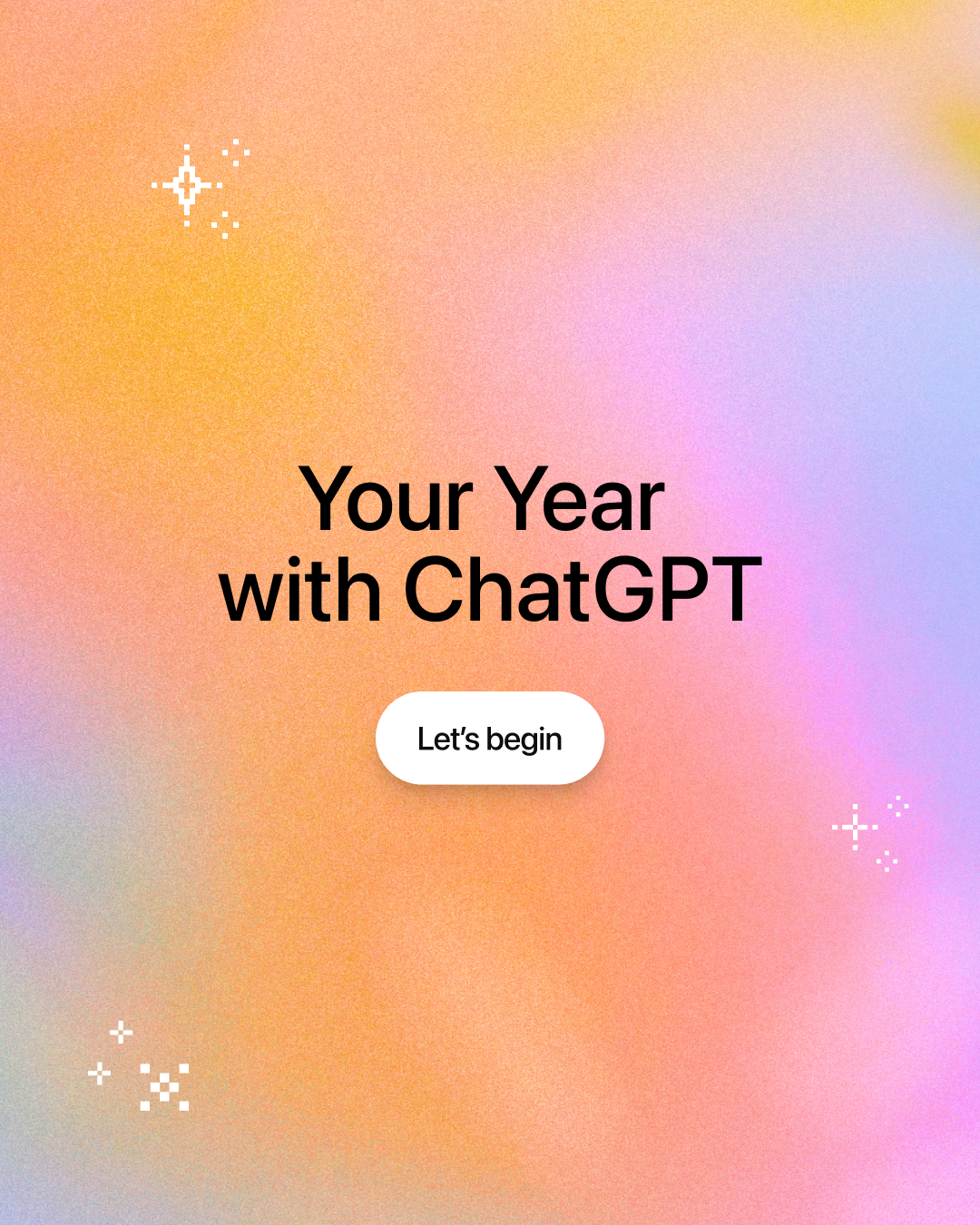
OpenAI’s flagship conversational artificial intelligence, ChatGPT, is now offering its users a novel year-end review feature titled "Your Year with ChatGPT," mirroring the highly successful personalized annual recaps popularized by platforms like Spotify Wrapped. This initiative allows eligible users to gain insights into their engagement with the AI over the past year, marking a significant step in how AI tools interact with and reflect user behavior.
The Dawn of Conversational AI and Personalized Engagement
The introduction of "Your Year with ChatGPT" comes amidst a transformative era for artificial intelligence, spearheaded by the remarkable capabilities of large language models (LLMs). OpenAI, a leading research and deployment company, ignited a global conversation about AI’s potential with the public launch of ChatGPT in November 2022. Its ability to generate human-like text, answer complex questions, write code, and even compose creative content quickly propelled it into mainstream consciousness, accumulating an unprecedented user base faster than almost any other consumer application in history. This rapid adoption underscored a burgeoning public appetite for accessible, powerful AI tools that could assist with everything from academic research to creative writing and daily problem-solving.
Before ChatGPT, AI chatbots often felt rudimentary, limited to predefined scripts or simple command-response functions. OpenAI’s model, however, demonstrated a leap in natural language understanding and generation, making interactions feel more intuitive and versatile. This technological advancement didn’t just introduce a new tool; it fundamentally shifted perceptions of what AI could accomplish, prompting a scramble among tech giants and startups alike to develop and integrate similar capabilities. The "Your Year with ChatGPT" feature capitalizes on this profound user engagement, transforming abstract interaction data into a digestible, personal narrative.
Embracing the "Wrapped" Phenomenon: A Cultural Touchstone
The concept of a personalized annual digital summary is not new, but its ubiquity and impact owe much to Spotify Wrapped. Launched by the music streaming giant in 2016, Spotify Wrapped provides users with a vibrant, shareable infographic detailing their listening habits—top artists, songs, genres, and even quirky statistics. It quickly evolved from a simple data visualization into a global cultural phenomenon, eagerly anticipated each December. Its success lies in its blend of data-driven insight, nostalgic reflection, and inherent shareability across social media platforms. Users don’t just consume their Wrapped; they share it, discuss it, and compare it, fostering a sense of community and personal expression.
Following Spotify’s lead, numerous other digital services, from fitness trackers like Strava to gaming platforms and social media apps, have introduced their own versions of year-end reviews. These features tap into a deeper human desire for self-reflection and a growing trend of the "quantified self"—an impulse to track and analyze personal data to understand one’s behaviors and patterns. For companies, these annual recaps serve multiple strategic purposes: they boost user engagement, generate valuable social media buzz, and reinforce brand loyalty by creating a personalized, memorable experience. ChatGPT’s adoption of this format signals its intent to deepen its emotional connection with users, moving beyond a purely utilitarian tool to a more integrated part of their digital lives.
Behind the Data: How "Your Year with ChatGPT" Works
The "Your Year with ChatGPT" experience is currently being rolled out to individual consumers holding free, Plus, and Pro plans in select English-speaking markets, including the United States, Canada, the United Kingdom, Australia, and New Zealand. To qualify, users must have actively engaged with the chatbot throughout the year, meeting a specified minimum conversation activity threshold. Furthermore, crucial privacy settings — "reference saved memories" and "reference chat history" — must be enabled, allowing the AI to access and analyze past interactions to construct the personalized summary.
OpenAI emphasizes that this feature is designed to be "lightweight, privacy-forward, and user-controlled." This commitment to privacy is particularly salient given the sensitive nature of data handled by AI models. Unlike corporate or educational accounts, which often involve more stringent data governance and privacy protocols, individual consumer accounts are the primary focus for this personalized recap. The feature avoids automatically opening or forcing itself upon users, instead being promoted on the ChatGPT app’s home screen and accessible via a direct prompt to the chatbot itself.
Drawing inspiration directly from the "Wrapped" model, "Your Year with ChatGPT" employs engaging graphics and a personalized narrative to summarize user activity. It offers unique "awards" based on interaction patterns. For instance, a user frequently utilizing the chatbot for troubleshooting or conceptual exploration might receive the "Creative Debugger" award. Beyond quantitative summaries, the feature also generates a personalized poem and an image, both derived from the user’s most prominent topics of interest throughout the year. This creative output adds an artistic dimension to the data summary, transforming raw usage statistics into a more evocative and shareable artifact.
The Strategic Play: Engagement and User Retention
For OpenAI, the introduction of "Your Year with ChatGPT" represents a shrewd strategic move in an increasingly competitive artificial intelligence landscape. While ChatGPT initially dominated public discourse, the market has rapidly diversified with powerful alternatives like Google Bard (now Gemini), Microsoft Copilot, and Anthropic’s Claude. In this environment, retaining user attention and fostering loyalty are paramount. Personalized year-end reviews are proven mechanisms for achieving these goals.
By providing users with a curated reflection of their interactions, OpenAI aims to reinforce the value and utility ChatGPT brings to their daily routines. It transforms potentially disparate conversations into a coherent narrative, reminding users of the breadth of their engagement—from mundane tasks to complex creative endeavors. This personalized touch can deepen the emotional connection users feel with the platform, making them less likely to migrate to competing services. The shareable nature of these recaps also acts as organic marketing, encouraging users to proudly display their "AI journey" on social media, thereby expanding ChatGPT’s visibility and attracting new users through peer influence.
Furthermore, encouraging users to keep "reference saved memories" and "reference chat history" enabled is critical for OpenAI’s ongoing model improvement. While the company states the feature is privacy-forward, the underlying data is invaluable for understanding real-world usage patterns, identifying common queries, and refining the AI’s capabilities. This feedback loop, albeit anonymized and aggregated for development purposes, is essential for the iterative enhancement of LLMs.
Privacy and the Personalized AI Experience
The "privacy-forward" claim made by OpenAI is a critical point of analysis, especially in the context of an AI that processes vast amounts of personal textual data. While the company has implemented measures like user control over data sharing and opt-in settings for chat history, the sheer volume and potential sensitivity of information exchanged with an AI chatbot raise continuous privacy considerations. Users are encouraged to understand what data is collected, how it’s used for features like "Your Year with ChatGPT," and their options for managing or deleting their conversational history.
The "Wrapped" model, when applied to a conversational AI, introduces unique challenges compared to a music streaming service. A music preference, while personal, is generally less sensitive than the myriad topics discussed with an AI assistant—which could range from personal problems, health queries, financial planning, to creative brainstorming. Therefore, the design of "Your Year with ChatGPT" must carefully balance the desire for personalized insights with robust safeguards to protect user information and maintain trust. The decision to make features like saved memories and chat history opt-in is a step in this direction, empowering users to control their data footprint.
Beyond the Recap: Social and Cultural Implications
The rise of personalized AI summaries also carries significant social and cultural implications. It further blurs the lines between human and machine interaction, as users begin to reflect on their "relationship" with an AI in ways previously reserved for human connections or deeply personal hobbies. The generation of a poem or an image based on one’s AI usage personalizes the technology, making it feel less like a cold tool and more like a digital confidant or creative partner.
This trend contributes to the ongoing evolution of the "digital self," where online activities and data shape an individual’s self-perception. How one uses ChatGPT, and how that usage is summarized, can become part of one’s digital identity. It also fosters a sense of collective experience, as users share their unique AI journeys, leading to discussions about the diverse ways people leverage AI and the unexpected insights it can provide into their own habits and interests.
Looking ahead, the article mentions a future where ChatGPT might embrace adult content in 2026. This raises intriguing questions about how such a feature would evolve to reflect potentially more sensitive or nuanced interactions. The current "Your Year with ChatGPT" sets a precedent for how OpenAI might categorize, summarize, and present even complex or controversial user engagements in a future where the AI’s scope broadens significantly. The challenge will be to maintain a tone that is both insightful and respectful of user privacy and diverse interaction types.
The Future of AI Reflection
"Your Year with ChatGPT" represents more than just a marketing gimmick; it signifies the maturing relationship between users and artificial intelligence. As AI becomes increasingly integrated into our daily routines, the demand for tools that help us understand and reflect on these interactions will likely grow. Future iterations of such features could offer even deeper analytical insights, actionable recommendations based on usage patterns, or even collaborative goal-setting based on past interactions.
Ultimately, by allowing users to look back at their year with AI, OpenAI is not only enhancing user engagement but also subtly shaping public perception of AI as a personal, reflective companion rather than just a functional utility. This personalized recap serves as a potent reminder of AI’s pervasive presence and its evolving role in shaping our digital and personal landscapes, one conversation at a time.