Amir Mahmud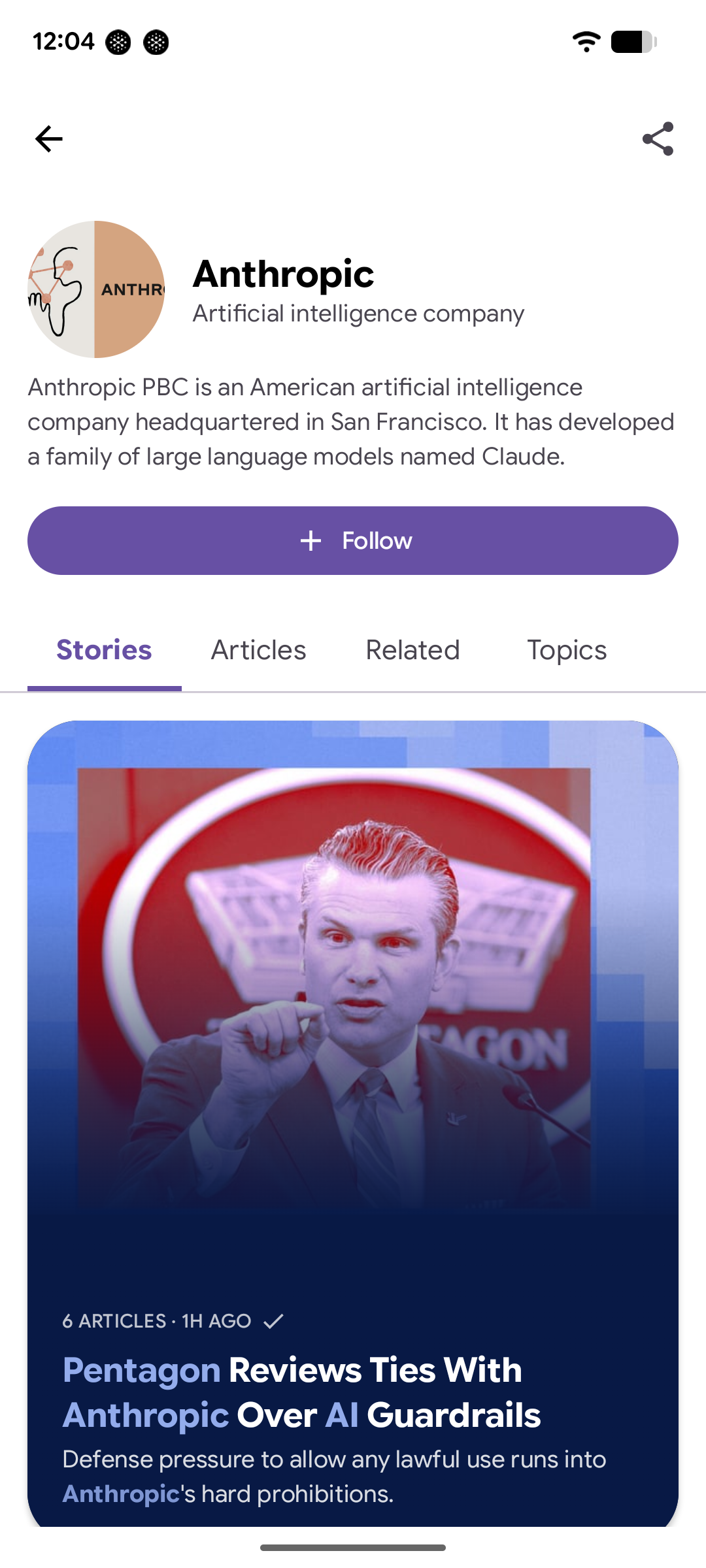
Particle, an innovative artificial intelligence-driven news application developed by a team of former Twitter engineers, is fundamentally reshaping how users interact with current events by seamlessly integrating insights gleaned from podcasts alongside traditional web-based news. The platform’s recent Android rollout coincided with the introduction of a pivotal new feature, "Podcast Clips," which intelligently identifies and extracts the most pertinent and engaging segments from a diverse array of podcasts. These audio snippets are then presented directly within the app’s news feed, contextualized with relevant written stories.
This sophisticated capability aims to alleviate the burden of sifting through extensive audio content, allowing users to efficiently access critical commentary or key announcements without dedicating significant time to full podcast episodes. Instead of listening to an hour-long discussion for a mere minute of salient information, users can now play concise clips directly within the Particle interface while reading associated articles. For those who prefer text-based consumption, the app also offers real-time transcripts, with spoken words highlighted for easy readability, providing a dual mode of engagement.
The Evolving News Landscape and Podcast Dominance
The integration of podcast content by Particle underscores a profound and ongoing transformation within the broader news ecosystem. For years, the landscape of information consumption has been shifting, moving steadily from conventional print and broadcast media towards diverse digital platforms. Within this evolving environment, podcasts have emerged as a particularly influential force, graduating from a niche medium to a mainstream source of news, analysis, and opinion for a growing global audience.
Historically, news dissemination was largely controlled by established media houses, which dictated narratives and set agendas. The advent of the internet democratized content creation, leading to blogs, online news sites, and social media platforms. Podcasts, which gained significant traction in the mid-2000s, initially offered a platform for niche interests and independent creators. However, their accessibility, portability, and the intimacy of the spoken word quickly propelled them into the realm of serious journalism and commentary. Major news organizations began launching their own podcasts, recognizing the medium’s capacity for in-depth discussion and narrative storytelling.
The public’s trust in podcasts as reliable information sources has concurrently grown, with numerous studies indicating a notable percentage of individuals now relying on audio content for their daily news updates. This cultural shift is not merely about convenience; it also reflects a desire for deeper context, diverse perspectives, and often, more candid conversations than traditional media outlets might offer. Moreover, the podcast medium has increasingly become a preferred channel for public figures, including prominent tech executives and political leaders, to make significant announcements or air their viewpoints directly, bypassing the often more scrutinizing filters of mainstream journalism. This trend, observed by industry analysts, highlights a strategic pivot by influential individuals towards platforms where they can engage with audiences on their own terms, fostering a perceived sense of authenticity and directness. Consequently, monitoring podcasts has become an increasingly essential endeavor for anyone seeking a comprehensive understanding of current events and the discourse surrounding them.
Particle’s Innovative Approach to Information Synthesis
Particle’s "Podcast Clips" feature represents a sophisticated technological response to this changing media consumption habit. The application’s core functionality extends beyond simply aggregating text articles; it actively bridges the gap between written news and spoken commentary. Sara Beykpour, Particle’s CEO and a former Senior Director of Product Management at Twitter, emphasized the feature’s value, stating that it offers users "a breath of what are people saying about this? What’s the commentary?" This approach aims to provide a more holistic understanding of a news story, incorporating both factual reporting and the analytical or opinion-based discussions surrounding it.
The user experience is designed for efficiency and depth. When a user encounters a news story in their feed, they are presented with an option to listen to relevant podcast clips. These clips are not random segments but intelligently identified moments that directly address the story’s content. This immediate access to varied perspectives, whether from expert interviews, panel discussions, or editorial commentary, enriches the news consumption experience. It offers a convenient way for individuals to gauge the immediate reactions, differing viewpoints, and deeper implications discussed in audio formats, all within a single application. The ability to switch between listening to an audio clip and reading its transcript caters to different learning styles and situational preferences, making the information accessible whether one is commuting, exercising, or sitting at a desk. While this offers significant advantages in time-saving and access to diverse content, a neutral analytical perspective acknowledges the inherent challenge of presenting short clips without fully losing the broader context of the original podcast. However, the app’s design, linking clips directly to related news stories, aims to mitigate this by grounding the audio in a textual narrative.
Under the Hood: Particle’s AI Architecture
The technical backbone of Particle’s content synthesis is rooted in advanced artificial intelligence, particularly the use of embedding models. These models, provided by the same entities that develop large language models (LLMs), are crucial for understanding semantic relationships and context within vast datasets. Unlike generative AI technologies, which create new content, embedding models focus on representing words, phrases, or entire documents as numerical vectors in a high-dimensional space. The proximity of these vectors in this space indicates their semantic similarity.
Particle leverages these vector embeddings to establish connections between disparate pieces of information. For instance, the system analyzes the textual content of news articles and the transcribed audio of podcasts. By comparing the embeddings of specific paragraphs, sentences, or concepts, the AI can discern when a particular segment of a podcast is discussing the same topic, person, or event as a written news story. This capability is particularly vital given that a single podcast episode might cover numerous distinct topics. Particle’s AI efficiently segments these longer audio files, isolating the relevant portions.
Furthermore, the application employs proprietary AI algorithms for the precise task of "clipping." While technologies like ElevenLabs are utilized for robust transcription services, the nuanced logic behind determining the optimal start and end points of a relevant audio clip is a core innovation developed in-house by Particle. This "secret sauce" ensures that the extracted clips are not only accurate in content but also coherent and digestible for the user, capturing the essence of the discussion without unnecessary preamble or post-discussion. This blend of off-the-shelf and bespoke AI solutions positions Particle at the forefront of AI-driven content aggregation. This development is not isolated; major news organizations, such as The New York Times, have also begun experimenting with custom AI tools employing LLMs to transcribe and summarize podcasts, particularly to monitor discussions within specific ideological spheres. This parallel innovation across the industry highlights a growing recognition of AI’s potential to enhance journalistic intelligence and content analysis.
Beyond News Stories: Entity-Based Content Discovery
Particle’s sophisticated AI capabilities extend beyond merely linking podcast clips to general news stories; they enable a more granular, entity-based approach to information discovery. The application is designed to understand and identify various "entities" within its vast dataset – encompassing people, places, organizations, and specific concepts. This foundational understanding allows for a highly personalized and deeply interconnected news experience.
For example, a user interested in a prominent figure like OpenAI CEO Sam Altman can navigate to a dedicated page within the Particle app. This page doesn’t just display news articles mentioning Altman; it intelligently aggregates all relevant podcast appearances or discussions involving him, presented as a curated feed of audio clips. This means users can quickly grasp not only what a person has done but also what is being said about them across a wide spectrum of audio commentary. This feature provides an immediate, multifaceted view of a personality’s public discourse, offering insights into their interviews, mentions in analytical shows, or discussions by industry peers.
This entity-centric organization moves beyond the traditional chronological news feed, offering a dynamic and interconnected web of information. It allows users to delve deeper into specific topics or individuals, fostering a richer understanding that integrates both reported facts and the surrounding conversational context. From a social and cultural perspective, such a feature could influence how individuals form opinions about public figures and complex issues. It provides a tool for tracking narratives, observing shifts in public perception, and even identifying echo chambers or counter-narratives that might be prevalent in audio discussions. This method of content presentation potentially empowers users with a more comprehensive informational toolkit, moving towards a more structured and intelligent way of consuming fragmented digital content.
Monetization and Feature Expansion: Particle+ and Android Enhancements
In a strategic move towards sustainable growth, Particle has introduced its first monetization strategy with "Particle+," an optional premium subscription service. Priced at $2.99 per month or $29.99 annually, Particle+ unlocks a suite of enhanced features designed to further elevate the user experience. Subscribers gain the ability to customize news summaries using natural language, allowing them to dictate the style and focus of condensed information. The personalized audio feed, a core offering, also becomes more adaptable, offering a selection of different voices for listening to news content. Additional premium benefits include the "Listen to the News" feature, providing an audio digest of top stories, unlimited access to crossword puzzles for mental engagement, and private question-and-answer sessions with the app’s AI chatbot, fostering a more interactive and personalized information retrieval process.
The recent launch of the Android application also brought several significant platform enhancements beyond the "Podcast Clips" feature. The updated "browse" tab now includes dynamically generated sections for timely and trending stories, such as major global events like the 2026 Winter Olympics, alongside established categories like politics, technology, and entertainment. This ensures that users can quickly discover and follow developing narratives. Furthermore, the entity pages, which house information on specific individuals, places, or concepts, have been significantly enriched. Tapping on an entity now reveals a comprehensive page featuring its definition, related news stories, relevant articles, connected entities, and broader associated topics. These improvements collectively aim to provide a more intuitive, informative, and engaging user interface across both major mobile operating systems.
The decision to introduce a subscription model reflects a broader trend in the digital content industry, where ad-supported models are increasingly supplemented or replaced by direct user payments. This approach allows Particle to invest further in its AI technology and user experience while potentially offering a more privacy-focused environment. In a crowded market of news aggregators and AI tools, the success of Particle+’s monetization will depend on the perceived value of its premium features and its ability to differentiate itself from free alternatives and other paid services.
Global Reach and Future Outlook
Even prior to its Android debut, Particle had cultivated a significant international user base, demonstrating a broad appeal that transcends geographical boundaries. Approximately 55% of the app’s weekly users reside outside the United States, with India emerging as its largest international market, accounting for 15% of its total user base. This global adoption underscores a universal demand for efficient, AI-driven solutions to navigate the complexities of modern information overload. The strong international presence, particularly in diverse markets like India, suggests that the challenges of news consumption and the desire for streamlined, intelligent content discovery are not confined to any single region. This broad appeal provides a robust foundation for Particle’s continued expansion and potential influence on global news consumption habits.
Looking ahead, Particle’s innovative integration of podcast intelligence into its news aggregation platform positions it as a significant player in the evolving media landscape. The ongoing advancements in artificial intelligence are poised to further transform how individuals access, process, and understand current events. As information continues to proliferate across an ever-expanding array of formats, tools like Particle, which leverage AI to distill and contextualize content, will become increasingly vital. The app’s commitment to providing concise, relevant clips from audio discussions, coupled with its entity-based discovery and robust personalization features, reflects a forward-thinking approach to combating information fatigue. The challenge for Particle, and indeed for the wider AI-in-news sector, will be to maintain accuracy, prevent algorithmic biases, and ensure that the convenience offered by AI does not inadvertently diminish the critical engagement necessary for informed citizenship. Nevertheless, by making disparate information sources more accessible and interconnected, Particle is contributing to a future where news consumption is not just about staying informed, but about gaining a comprehensive and nuanced understanding of the world around us.