Amir Mahmud
In a significant leadership change just months before its much-anticipated affordable electric truck is slated for market debut, Slate Auto, the innovative electric vehicle startup backed by Jeff Bezos, has announced a new Chief Executive Officer. Peter Faricy, a seasoned executive with a distinguished background as a former Amazon Marketplace vice president, assumed the top leadership position on Monday, signaling a strategic shift as the company transitions from development to mass production and customer delivery. This move comes at a critical juncture for Slate Auto, which aims to disrupt the burgeoning EV market with a competitively priced offering.
A New Helm for the Road Ahead
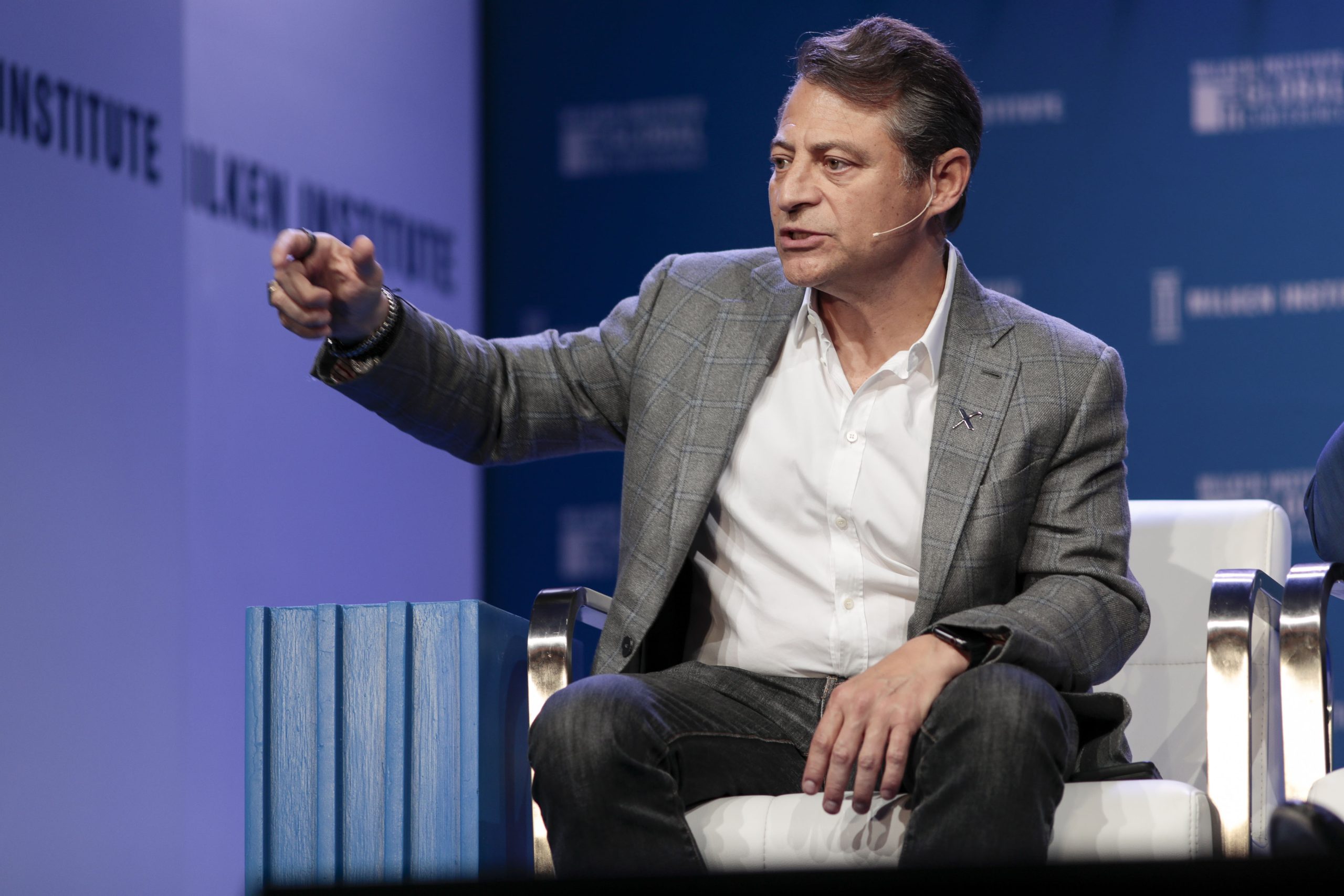
Peter Faricy’s appointment as CEO brings a wealth of experience in scaling complex digital platforms and managing extensive customer ecosystems. Prior to joining Slate Auto, Faricy served as an advisor at prominent firms McKinsey and Bessemer Venture Partners, roles that honed his strategic and investment acumen. His departure from Bessemer to lead Slate Auto underscores the high stakes and perceived potential of the venture. A spokesperson for Slate Auto, Jeff Jablansky, highlighted Faricy’s proven track record at Amazon Marketplace as particularly relevant, stating, "Peter’s experience building Amazon Marketplace was really critical for us." This commentary suggests the company is prioritizing operational efficiency, direct-to-consumer sales, and potentially a broader digital commerce strategy, echoing Amazon’s foundational strengths. The challenge for Faricy will be to translate his e-commerce and advisory expertise into the highly capital-intensive and manufacturing-focused automotive industry, overseeing the complex process of bringing a physical product to a mass market.
Pioneering Leadership Transitions
The leadership transition sees Christine Barman, Slate Auto’s inaugural CEO and a veteran of Chrysler, moving into the role of President of Vehicles. Barman, notably one of only two women leading a U.S. automaker at the time of her initial appointment, played a pivotal role in the company’s genesis. She was Slate’s very first hire, joining when the venture was still a clandestine project known as "re:Car," operating out of a manufacturing incubator called re:Build Manufacturing in Massachusetts. Barman’s charismatic presence and deep automotive industry knowledge made her the public face of Slate Auto since its emergence from stealth mode in April 2025. She frequently appeared in promotional videos, including one just last month where she teased an upcoming June revelation of the basic electric truck’s price.
This shift in leadership, while potentially surprising given Barman’s visibility and founding role, is not uncommon in the lifecycle of ambitious startups. As companies evolve from conceptualization and early-stage development to the demanding phases of manufacturing, logistics, and widespread market penetration, the required leadership skill set often shifts. Barman’s new mandate, according to Jablansky, is to ensure the truck’s delivery "on time and on budget," a testament to her engineering and production expertise. This realignment suggests a strategic move to leverage her deep operational knowledge specifically for vehicle development and production execution, while Faricy focuses on broader business strategy, market entry, and scaling.
The Amazonian Blueprint
Slate Auto’s deep ties to Amazon are undeniable and pervasive, extending beyond just its primary investor, Jeff Bezos. The startup has successfully attracted significant capital, accumulating approximately $700 million from Bezos and other affluent backers. Furthermore, the company’s organizational structure is heavily influenced by the "Amazon Way." Former Amazon executive Diego Piacentini is involved, and Bezos’s family office head holds a board seat. One of Slate’s co-founders is Jeff Wilke, who previously served as the Amazon Consumer CEO. This "Amazon mafia" influence permeates various departments, with the heads of Slate’s mobility, UX/UI, e-commerce, fleet sales, and human resources teams all boasting prior experience at Amazon.
This pervasive Amazonian DNA suggests an organizational culture prioritizing customer obsession, data-driven decision-making, rapid iteration, and large-scale operational efficiency. While these principles have driven Amazon’s monumental success in e-commerce and cloud computing, their direct application to the hardware-intensive, safety-critical automotive industry presents both unique advantages and potential challenges. The deep pockets and experienced talent pool from Amazon could enable faster scaling and a more agile approach than traditional automakers. However, the cultural differences between a software-centric giant and a manufacturing-focused enterprise, particularly regarding product development cycles, supply chain complexities, and regulatory compliance, will require careful navigation.
Navigating the Affordable EV Landscape
Slate Auto’s entry into the electric vehicle market is particularly focused on the "affordable" segment, a crucial battleground for widespread EV adoption. The company initially garnered significant attention by promoting a starting price of "under $20,000" for its electric truck. However, this ambitious target faced a significant setback when Congress and the Trump administration eliminated the federal EV tax credit. This policy change forced Slate Auto to adjust its pricing strategy, now targeting the mid-$20,000 range for the base model. This adjustment highlights the profound impact of government incentives on EV pricing and consumer accessibility, especially in a market segment where every dollar counts.
The quest for an affordable, utilitarian electric vehicle is a global race. Many consumers express interest in EVs but are deterred by high upfront costs. Slate Auto aims to bridge this gap, competing not just with other EV startups but also with traditional automakers who are increasingly rolling out lower-cost electric options. The company’s strategy includes offering extensive customization, allowing buyers to convert the base truck into various configurations, including an SUV, for an additional cost. This approach seeks to maximize appeal and potential revenue streams from a single platform, while offering consumers flexibility. The success of Slate Auto hinges on its ability to deliver a robust, reliable, and genuinely affordable vehicle that resonates with a broad demographic, a challenge that has proven difficult for many in the industry.
Preorders and Market Anticipation
A key indicator of Slate Auto’s market traction is its impressive list of refundable preorders, which currently stands at approximately 160,000 individuals. These preorders represent a significant pipeline of potential customers and a powerful testament to consumer interest in an affordable electric truck. However, converting these refundable reservations into firm vehicle orders and ultimately into deliveries is a monumental task that will test the company’s production capabilities, supply chain resilience, and customer service infrastructure. The enthusiasm generated by early marketing and the promise of a low-cost EV must now be met with tangible product delivery.
The sheer volume of preorders places immense pressure on the new leadership team, particularly Faricy and Barman in their respective roles, to execute flawlessly. Managing customer expectations, maintaining transparency, and overcoming potential production bottlenecks will be critical to retaining these early adopters. The history of the EV industry is replete with examples of startups that struggled to transition from promising prototypes and substantial preorders to scaled manufacturing and consistent deliveries. The successful conversion of these preorders will not only secure initial revenue but also build crucial brand loyalty and positive word-of-mouth, which are invaluable for a nascent automotive brand.
The Broader EV Ecosystem and Startup Volatility
Slate Auto enters a dynamic and increasingly competitive global electric vehicle market. While demand for EVs continues to grow, the industry faces headwinds including fluctuating raw material costs, supply chain disruptions, the ongoing rollout of charging infrastructure, and the persistent challenge of profitability, especially in the affordable segment. The landscape is littered with the remnants of EV startups that failed to navigate these complexities, underscoring the formidable barriers to entry and sustained success in automotive manufacturing. Companies like Rivian and Lucid, while targeting different market segments, illustrate the immense capital requirements and operational hurdles involved in bringing new electric vehicles to market.
For Slate Auto, the shift in leadership months before launch could be interpreted in several ways. It might signify a proactive move to bring in specific expertise needed for the next phase of growth and commercialization, recognizing that the skills required for founding and early development differ from those for scaling production and market penetration. Alternatively, it could signal internal pressures or a desire to accelerate certain aspects of the business. Regardless of the underlying motivations, the timing highlights the urgency and high stakes involved in Slate Auto’s upcoming launch. The success of this Bezos-backed venture will undoubtedly send ripple effects throughout the EV ecosystem, influencing investor confidence in new mobility solutions and the viability of challenger brands in a capital-intensive industry.
Future Outlook: A Crucial Juncture
As Slate Auto stands on the precipice of its product launch, the leadership transition marks a pivotal moment. The infusion of Peter Faricy’s e-commerce scaling expertise, coupled with Christine Barman’s focused vehicle development role, positions the company for a critical test of its operational prowess. With substantial financial backing and a clear market opportunity in the affordable EV truck segment, Slate Auto faces the formidable challenge of converting its ambitious vision and considerable preorders into a tangible market presence. The coming months will determine whether this Amazon-influenced startup can effectively bridge the gap between technological innovation and mass-market execution, carving out a significant niche in the rapidly evolving world of electric mobility.