Amir Mahmud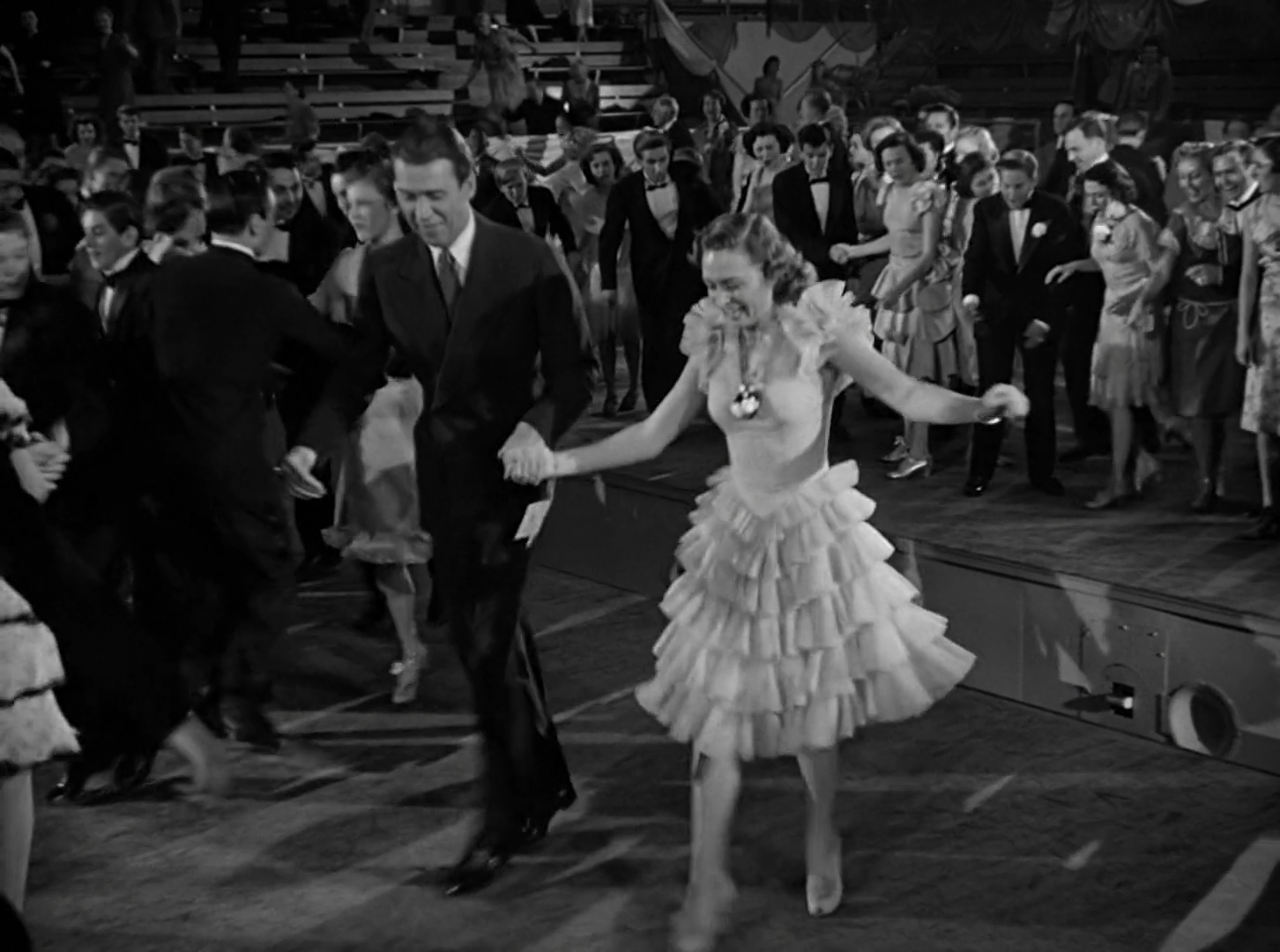
In an era dominated by a fragmented and often costly landscape of streaming services, a unique platform is capturing renewed attention by offering a refreshing alternative: an expansive, free archive of public domain films. WikiFlix, a volunteer-driven project inspired by the ubiquitous Netflix model, provides unrestricted access to thousands of classic movies, allowing viewers to delve into cinematic history without a subscription fee, account creation, or the interruption of advertisements. It serves as a stark reminder that valuable cultural content can thrive outside commercial frameworks, presenting a compelling vision of what a digital film library might have looked like a century ago.
The Genesis of an Open-Source Archive
WikiFlix is an initiative born from the collaborative spirit of Wikipedia’s vast volunteer community, leveraging the infrastructure of Wikimedia Commons, the Internet Archive, and YouTube to aggregate its collection. The core principle behind its existence is the concept of the public domain – a legal status for works whose copyrights have expired, were never renewed, or were never established in the first place. This allows these cultural artifacts to be freely shared, adapted, and distributed by anyone, fostering a global commons of knowledge and creativity. The platform currently hosts an impressive catalog of over four thousand films, a testament to the dedication of its contributors who meticulously identify and categorize these cinematic treasures.
The journey of a film into the public domain is varied. In the United States, for example, works published before 1929 are generally in the public domain. For works published between 1929 and 1978, the situation is more complex, often depending on whether copyright was properly registered and renewed. Many early films, particularly silent-era productions, fell into the public domain due to the failure of their creators or studios to renew copyrights, a common oversight in the nascent stages of intellectual property law. Other works were intentionally released without copyright, or their copyright terms simply ran their course, allowing them to revert to the public. WikiFlix capitalizes on this legal framework, transforming what might otherwise be forgotten historical fragments into accessible entertainment and educational resources.
A Glimpse into the Cinematic Past
Stepping onto the WikiFlix homepage is akin to opening a digital time capsule, immediately transporting viewers to bygone eras of filmmaking. While contemporary streaming platforms vie for attention with glossy new releases and high-budget series, WikiFlix champions the enduring appeal of vintage cinema. Its collection prominently features films from the early 20th century, including iconic silent movies, pioneering talkies, and foundational works from Hollywood’s Golden Age. Viewers can readily discover masterpieces such as F.W. Murnau’s chilling 1922 German Expressionist horror classic "Nosferatu" or Frank Capra’s beloved 1946 holiday drama "It’s a Wonderful Life," both of which have found their way into the public domain and subsequently, into the collective cultural consciousness.
Beyond these well-known titles, the archive offers a rich tapestry of cinematic history. It allows for an exploration of the evolving art form, from the rudimentary storytelling of early shorts to the epic scale of films like "Wings" (1927), the very first recipient of the Academy Award for Best Picture. These films offer more than just entertainment; they serve as invaluable historical documents, reflecting the social norms, technological limitations, and artistic ambitions of their respective periods. They chronicle the development of narrative techniques, special effects, and acting styles, providing a unique educational opportunity for students of film and history buffs alike.
The Resurgence of Classic Cinema in the Digital Age
While WikiFlix has existed for some time as a quiet project within the Wikimedia ecosystem, its profile recently surged thanks to a viral TikTok video by Annie Rauwerda, the creator behind the popular "Depths of Wikipedia" accounts. Rauwerda’s enthusiastic endorsement highlighted the platform’s potential for discovery, articulating a sentiment shared by many curious internet users: "Sometimes I really like watching things that I know nobody else is watching, because what if I discover something crazy?" This sentiment encapsulates the allure of WikiFlix – the thrill of unearthing forgotten gems and encountering unexpected narratives that lie outside the curated algorithms of mainstream media.
The platform’s sudden visibility underscores the powerful role of social media in democratizing content discovery. In a digital landscape where algorithms often push users towards the most popular or recently released content, organic recommendations from trusted or influential voices can shine a spotlight on niche, community-driven projects. For many, the idea of a completely free, ad-free streaming experience is a refreshing counterpoint to the increasingly commercialized nature of online entertainment. It appeals to a growing segment of the audience experiencing "streaming fatigue," who are tired of juggling multiple subscriptions and navigating endless promotional content.
WikiFlix’s discovery mechanism is also noteworthy. While it aims to provide a diverse selection, it prioritizes films that have a significant number of "sitelinks" on their Wikipedia pages. This intelligent approach helps surface films that are already recognized as culturally important or frequently referenced, balancing widespread appeal with the potential for deeper exploration. It acts as a subtle form of community-driven curation, ensuring that both renowned classics and intriguing, lesser-known works are readily discoverable.
Curating a Digital Legacy: Challenges and Safeguards
Maintaining a vast, open-source archive of historical content, particularly one sourced from multiple external platforms, presents unique curatorial challenges. The public domain, while a boon for accessibility, can sometimes encompass materials that, while historically significant, may not align with an entertainment-focused viewing experience for all audiences. This necessitates a careful approach to content management, balancing the principle of open access with the practicalities of user experience.
To address this, the WikiFlix community actively maintains a "blacklist" of certain films. This measure is not intended to censor historical records but rather to ensure the platform remains primarily an entertainment destination. For instance, historical propaganda films, while crucial for academic study and historical preservation, might not be suitable for casual viewing on a platform designed for leisure. As a WikiFlix page explains, "While these [films] are perfectly fine in an educational context, WikiFlix is more focused on entertainment." This analytical distinction highlights a critical aspect of digital archiving: the difference between a comprehensive historical repository and a curated public interface. It reflects a nuanced understanding of how different types of content serve different purposes and how platforms can ethically manage their collections to best serve their intended audience without compromising historical integrity. This self-regulatory approach, driven by community consensus, is a hallmark of the Wikipedia ecosystem and extends naturally to its related projects like WikiFlix.
Beyond Binge-Watching: The Value Proposition
In a world where "binge-watching" has become synonymous with streaming, WikiFlix offers a different kind of engagement. It doesn’t compete directly with the likes of "Stranger Things" or "Love is Blind" for immediate, serialized gratification. Instead, its value lies in its capacity for serendipitous discovery, historical immersion, and the pure joy of experiencing cinema from a bygone era. It represents a philosophical counterpoint to the prevailing trends of media consumption, emphasizing intellectual curiosity and cultural appreciation over algorithmic recommendations and endless content cycles.
The market impact of WikiFlix, while not measured in subscriber numbers or quarterly earnings, is significant in a cultural sense. It demonstrates that there is a strong appetite for media that is not monetized, serving as a powerful example of how digital commons can thrive alongside commercial ventures. For film enthusiasts, historians, students, and anyone with a penchant for the unconventional, WikiFlix is an invaluable resource. It invites viewers to explore the rich diversity of early global cinema, from a charming Soviet musical inspired by Cinderella to a swashbuckling silent film about pirates, or even a post-apocalyptic Japanese film featuring the unlikely appearance of American actor Chuck Connors. Such eclectic offerings underscore the platform’s unique ability to surprise and enlighten, proving that sometimes the most rewarding discoveries are found off the beaten path of mainstream media.
The Future of Free Access and Digital Preservation
WikiFlix stands as a powerful symbol of digital preservation and the enduring potential of open-source collaboration. In an age where digital rights management and content licensing often restrict access to cultural heritage, projects like WikiFlix champion the principle that certain artistic works, once their commercial life cycle or copyright terms conclude, should become universal property. Its volunteer-driven model, while relying on the continued dedication of its community, offers a sustainable pathway for ensuring that generations to come can freely engage with the foundational works of cinema.
As the digital landscape continues to evolve, platforms like WikiFlix will likely grow in importance, not just as archives, but as vital educational tools and cultural touchstones. They offer a tangible alternative to the commodification of culture, fostering a deeper connection to our shared artistic past. In doing so, WikiFlix not only shows us what a "Netflix of the past" might have looked like but also hints at a more open, accessible, and community-driven future for digital media consumption. It encourages viewers to step away from the endless scroll of new releases and instead embark on a journey through the captivating and often surprising history of film, one public domain classic at a time.