Amir Mahmud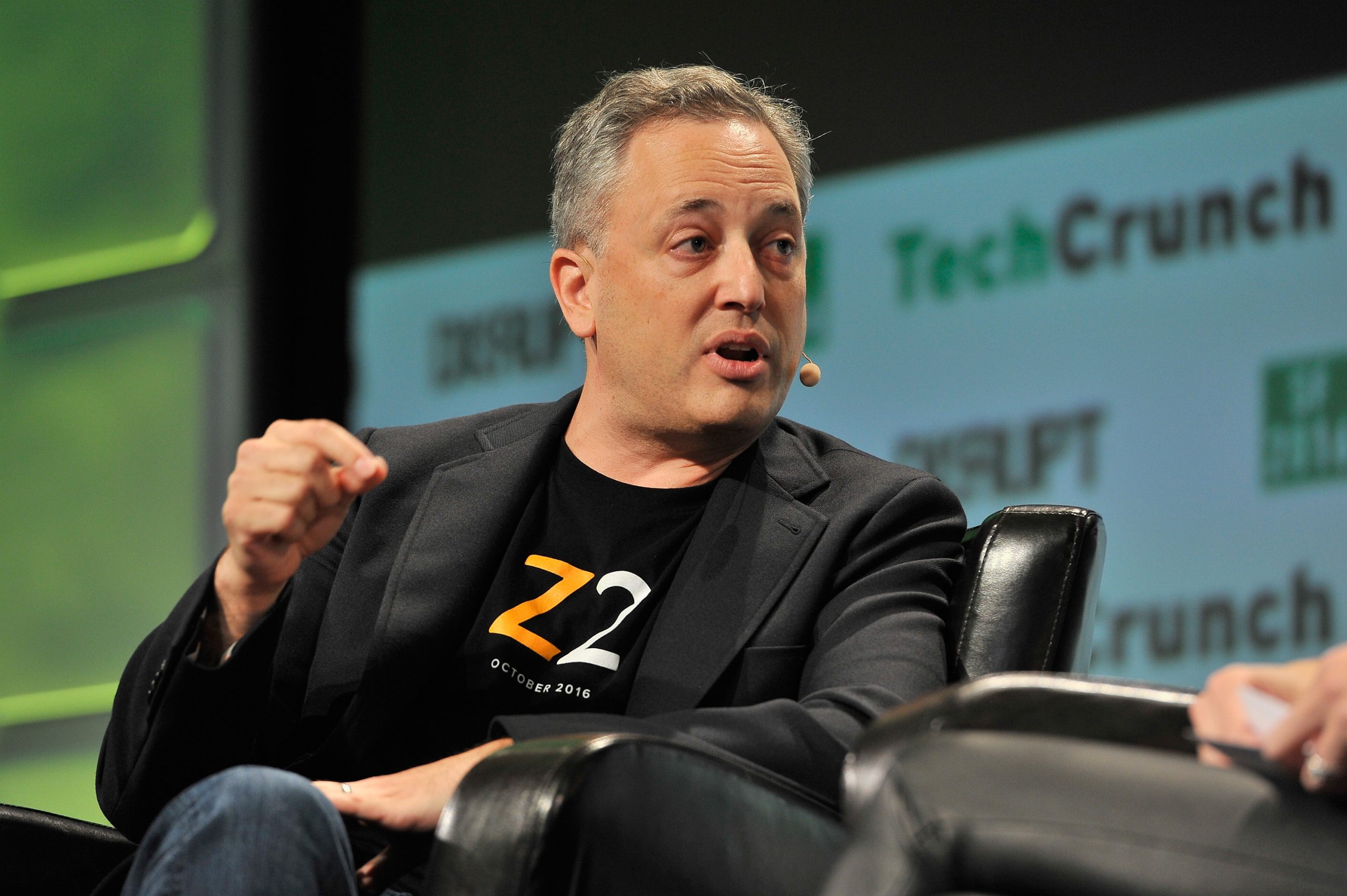
A recent investigative report has intensified scrutiny over the potential for significant personal financial gain by prominent Silicon Valley investor David Sacks, should he assume a key advisory position within a potential Donald Trump administration. The report, published by The New York Times, alleges that Sacks’ extensive investment portfolio, particularly in artificial intelligence (AI) and cryptocurrency sectors, could directly benefit from policy decisions he might influence as a prospective "AI and crypto czar." This claim has reignited a contentious debate about the blurred lines between private financial interests and public service, especially for high-net-worth individuals transitioning from the tech industry to government roles.
The Heart of the Allegations: Investments and Influence
The New York Times investigation, reportedly the culmination of a five-month reporting process involving five bylined reporters, delves deep into Sacks’ financial disclosures. It suggests that out of his 708 technology investments, a substantial 449 are in AI companies. The central premise is that these companies stand to gain significantly from policies Sacks would advocate for and implement in a government capacity. The report also highlights a perceived lack of transparency in Sacks’ compliance with ethics requirements, particularly concerning the divestment of assets. While Sacks reportedly received two White House ethics waivers, committing to sell most of his crypto and AI holdings, the Times asserts that his public filings do not specify the remaining value of these investments or the precise dates of divestiture. This ambiguity, critics argue, obscures the full scope of his financial interests.
Further complicating the picture, the Times report noted that many of Sacks’ filings classify investments as general hardware or software companies, even as these same entities market themselves aggressively as AI-focused businesses. This discrepancy raises questions about the completeness and accuracy of disclosure, potentially understating the true extent of his AI exposure. The investigation also cited specific instances of what it described as "intertwined interests." One such example was a White House summit in July where former President Trump unveiled his AI roadmap. The Times claimed that the "All-In" podcast, co-hosted by Sacks, initially sought to be the sole host of the event and allegedly solicited $1 million from potential sponsors for access to a private reception and other exclusive gatherings. While White House chief of staff Susie Wiles reportedly intervened to broaden the event’s hosting, the perceived attempt to leverage a government-affiliated event for private gain drew sharp criticism. Additionally, the report indicated Sacks’ growing proximity to Nvidia CEO Jensen Huang and his alleged role in advocating for the removal of restrictions on Nvidia chip sales globally, including in crucial markets like China.
Sacks’ Forceful Rebuttal
David Sacks has vehemently denied the allegations, characterizing the New York Times report as a "nothing burger." In a post on X, he asserted that the accusations had been "debunked in detail" during the extensive reporting process. Sacks contended that a careful reading of the article would reveal a collection of anecdotes that fail to substantiate the headline’s implications of personal profit. His spokesperson, Jessica Hoffman, reiterated this stance, stating that the "conflict of interest narrative is false." Hoffman emphasized that Sacks has fully complied with all regulations applicable to Special Government Employees (SGEs), including following directives from the Office of Government Ethics (OGE) regarding which investments required divestiture. She further argued that Sacks’ involvement in government service has actually incurred personal financial costs rather than benefits.
In support of Sacks’ position, a letter from his legal counsel, Clare Locke, was included in his X post. The letter accused the Times reporters of having "clear marching orders: find and report on a conflict of interest." Addressing the specifics, the letter clarified that the AI summit was a not-for-profit event and that the "All-In" podcast actually incurred financial losses in hosting it. It stated that only two sponsors were involved to partially offset costs, receiving nothing beyond logo placements, and explicitly denied that any access to President Trump was offered or that a VIP reception ever took place. White House spokesperson Liz Huston also defended Sacks, describing him as an "invaluable asset" to President Trump’s agenda of solidifying American technological dominance.
Background: David Sacks and the Blurring Lines of Tech and Politics
David Sacks is a prominent figure in the Silicon Valley ecosystem, known for his early involvement with PayPal as part of the "PayPal Mafia" and for founding Yammer, which Microsoft later acquired. He is a general partner at Craft Ventures, a venture capital firm, and a co-host of the influential "All-In" podcast, which frequently features discussions on technology, economics, and politics. Sacks has become an outspoken voice in conservative tech circles and a significant donor and supporter of Donald Trump. His potential role as an "AI and crypto czar" would place him at the intersection of rapidly evolving, high-stakes industries and critical government policy.
The concept of bringing private sector expertise into government is not new. Administrations across the political spectrum have often sought to tap into the knowledge and experience of business leaders to tackle complex challenges, particularly in nascent or rapidly advancing fields like artificial intelligence and digital currencies. However, the increasing wealth and political influence of tech moguls have intensified concerns about the "revolving door" phenomenon, where individuals move between lucrative private sector roles and influential government positions, potentially creating avenues for self-enrichment or undue influence.
Ethics Waivers and the Challenge of Disclosure
The core of the conflict of interest debate often revolves around government ethics regulations, designed to prevent public officials from using their positions for private gain. Special Government Employees (SGEs), who typically serve on a temporary or intermittent basis, are subject to specific ethics rules. These rules often require divestment of conflicting assets or the issuance of waivers that permit an official to retain certain investments, provided they recuse themselves from matters directly affecting those holdings.
The challenge in Sacks’ situation, as highlighted by the Times, lies in the perceived opaqueness of his compliance. While ethics waivers are standard procedure, their effectiveness hinges on comprehensive disclosure and strict adherence to their terms. The lack of detailed information regarding the value and timing of Sacks’ asset divestments creates a vacuum that fuels skepticism. Kathleen Clark, a Washington University law professor specializing in government ethics, echoed these concerns, stating earlier that Sacks’ crypto waiver presented issues and labeling the situation as "graft." This sentiment underscores a broader concern among ethics watchdogs: the difficulty of fully isolating personal financial interests from policy influence when an official’s portfolio is deeply embedded in the very industries they are tasked with regulating or promoting.
Market, Social, and Cultural Implications
The allegations surrounding David Sacks resonate far beyond individual ethics, touching upon significant market, social, and cultural dimensions.
- Impact on AI and Crypto Markets: Both AI and cryptocurrency are sectors highly sensitive to government policy, regulation, and investment. A high-profile "czar" with a substantial personal stake in these areas could, intentionally or unintentionally, create market distortions. Policies on AI development, data privacy, intellectual property, or the regulatory framework for digital assets could have immense financial implications for companies Sacks is invested in. Even the perception of preferential treatment could undermine investor confidence and market fairness.
- Public Trust in Government: When questions of personal enrichment arise concerning public officials, it erodes public trust in government integrity. For an administration already facing scrutiny over transparency and ethical conduct, these allegations can deepen public cynicism, fostering a belief that political power is primarily a means to private ends rather than public service.
- The Tech-Political Nexus: The debate also highlights the growing power of Silicon Valley in Washington. Tech leaders, often billionaires, increasingly fund political campaigns, advise administrations, and shape policy debates. This concentration of economic and political influence raises fundamental questions about democratic accountability and whether the interests of a select few tech elites are disproportionately represented in policymaking.
- Cultural Clash: There’s also a cultural dimension at play. The entrepreneurial ethos of "move fast and break things," often celebrated in tech, can clash with the more cautious, rule-bound world of government ethics. What might be considered standard business practice in the private sector – leveraging networks, seeking investment opportunities – can become a conflict of interest when transposed into the public sphere.
A Broader Debate on Private Expertise in Public Service
This situation with David Sacks is emblematic of a recurring challenge: how to harness the specialized knowledge of private sector experts for public benefit without compromising ethical standards. On one hand, few individuals possess the deep understanding of emerging technologies like AI and crypto that Sacks does. To exclude such expertise from government could leave the nation ill-equipped to navigate complex technological frontiers. On the other hand, the financial rewards in these sectors are so immense that the potential for conflicts of interest is equally vast.
Senator Elizabeth Warren (D-MA) articulated this concern earlier in the year, stating that Sacks "simultaneously leads a firm invested in crypto while guiding the nation’s crypto policy," which she deemed an "explicit conflict of interest" that would "normally" be prohibited. Even within the conservative media landscape, figures like Steve Bannon, a former Trump adviser, have voiced skepticism, asserting that Sacks is indicative of an administration where "the tech bros are out of control." These criticisms from across the political spectrum underscore the widespread sensitivity to potential ethical breaches involving powerful private interests.
Ultimately, the dispute between The New York Times and David Sacks highlights the intricate and often fraught relationship between private wealth, technological innovation, and public service. It forces a critical examination of how ethics regulations are applied, how transparency is maintained, and whether the mechanisms in place are sufficient to prevent conflicts of interest in an era where the lines between the tech industry and government are becoming increasingly intertwined. The debate is far from over, and its resolution will likely shape future precedents for how high-ranking officials manage their financial entanglements while serving the public.