Amir Mahmud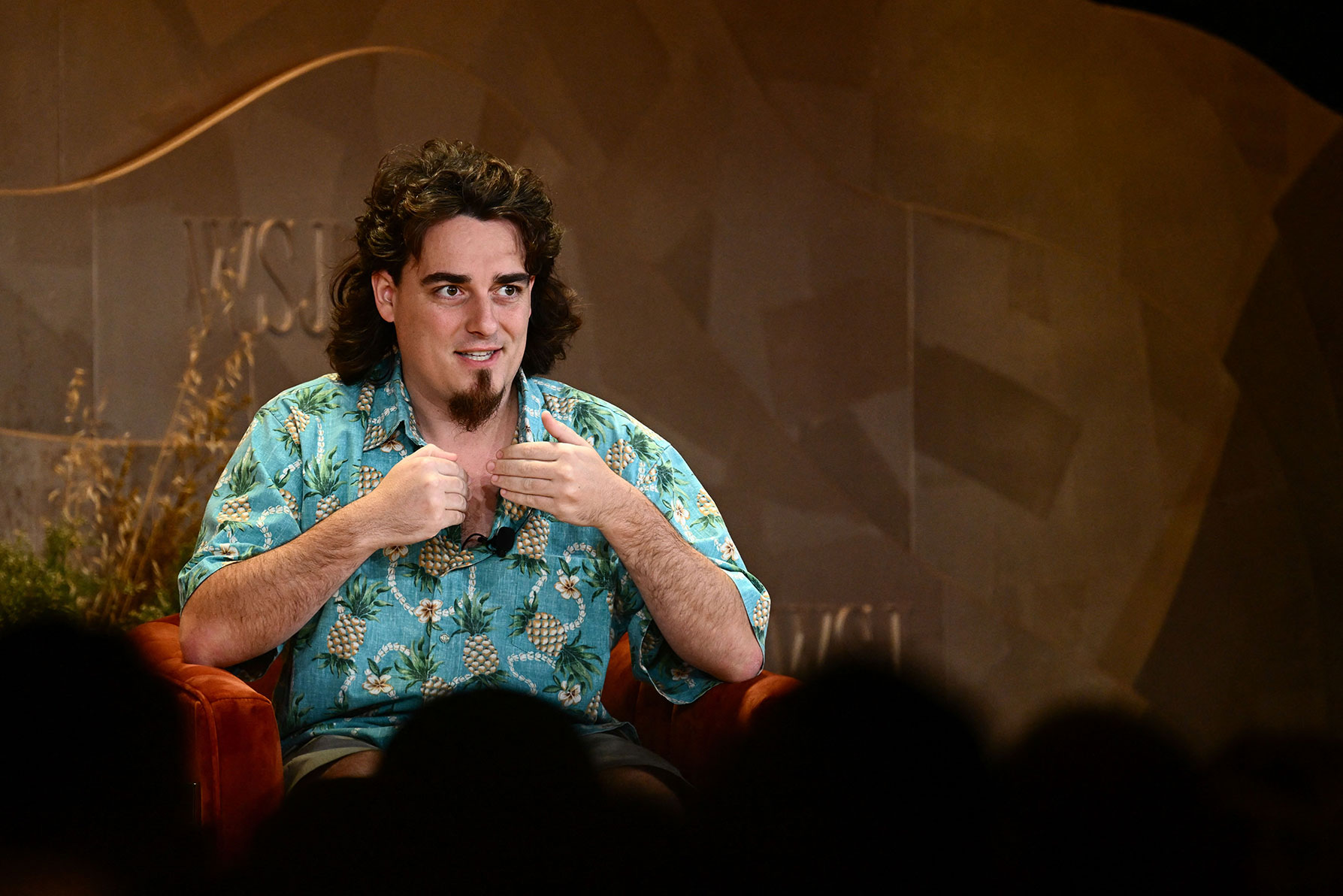
A prominent defense technology startup, Anduril Industries, is reportedly encountering significant operational difficulties with its advanced autonomous weapons systems, according to recent investigations by the Wall Street Journal. These challenges span various stages, from critical testing exercises to actual battlefield deployment, casting a spotlight on the inherent complexities of integrating cutting-edge artificial intelligence and robotics into military applications. The reported incidents include a series of failures involving unmanned marine vessels during a major naval exercise, a mechanical malfunction affecting a prototype unmanned jet fighter, a land-based counter-drone system test that ignited a wildfire, and critical performance issues with loitering munitions deployed in Ukraine.
The Rise of Anduril and Silicon Valley’s Defense Ambition
Anduril Industries emerged in 2017 as a symbol of Silicon Valley’s ambitious foray into the traditionally staid defense sector. Founded by Palmer Luckey, known for co-founding Oculus VR and pioneering virtual reality headsets, Anduril sought to disrupt the established defense industrial base. Luckey’s vision was to leverage commercial off-the-shelf (COTS) technology, rapid iteration cycles, and a software-first approach to develop advanced defense capabilities more quickly and efficiently than traditional contractors. This ethos resonated with a Pentagon increasingly eager to harness commercial innovation and bridge the perceived technology gap with adversaries.
The company rapidly attracted substantial venture capital, including significant backing from Founders Fund, a firm with deep ties to the tech industry and a stated mission to support companies addressing critical national needs. By June, Anduril had raised an impressive $2.5 billion, pushing its valuation to an astonishing $30.5 billion. This robust financial backing underscored investor confidence in its potential to revolutionize defense procurement, particularly in areas like autonomous aircraft, advanced sensing, and counter-drone technologies. The company’s growth coincided with broader initiatives like the Pentagon’s "Replicator" program, which aims to field thousands of autonomous systems within two years, highlighting the strategic importance placed on firms like Anduril.
Troubled Waters: Naval Drone Failures
Among the reported setbacks, a significant incident involved more than a dozen of Anduril’s autonomous drone boats during a U.S. Navy exercise off the coast of California in May. These unmanned surface vessels (USVs), designed for surveillance, reconnaissance, and potentially other maritime operations, reportedly failed to perform as intended. Such failures during a high-stakes exercise are particularly concerning, as these events are crucial for validating new technologies in realistic operational environments.
The challenges faced by these USVs highlight the formidable hurdles in maritime autonomy. Operating on the open sea presents complex variables: unpredictable weather, dynamic sea states, sophisticated sensor integration requirements, robust communication protocols, and the need for resilient navigation systems capable of operating without constant human intervention. Sailors participating in the exercise reportedly voiced serious safety concerns, even warning of potential loss of life, underscoring the critical importance of reliability and predictability in autonomous systems operating in close proximity to human personnel and valuable naval assets. The Navy’s push for a "hybrid fleet" integrating manned and unmanned vessels makes the success of these systems paramount, and any major stumbling blocks can significantly impact future deployment strategies.
Grounding the Fury: Unmanned Jet Fighter Issues
Another notable incident involved Anduril’s Fury unmanned jet fighter, a highly anticipated project aimed at developing advanced autonomous aerial combat capabilities. During a ground test conducted over the summer, the Fury experienced a mechanical issue that severely damaged its engine. Ground tests are foundational steps in the development of complex aircraft, designed to stress-test components and systems before the risks of flight are introduced. An engine malfunction at this stage can indicate deep-seated engineering challenges, potentially requiring extensive redesigns and further delays.
The Fury represents Anduril’s ambition to compete in the burgeoning market for advanced unmanned aerial systems (UAS), particularly those envisioned as "loyal wingmen" to manned fighter jets. These systems are designed to provide air superiority, reconnaissance, and even strike capabilities autonomously or semi-autonomously. The development of such high-performance platforms is inherently complex, demanding cutting-edge propulsion, aerodynamics, and sophisticated AI for mission execution. Any significant setback in this program can have implications for the timeline and cost of delivering these next-generation air capabilities, and may also influence the broader trust placed in autonomous platforms for critical combat roles.
Environmental Impact: Anvil Counter-Drone System Fire
The development of counter-drone technologies is a rapidly expanding segment of the defense market, driven by the proliferation of small, commercially available drones used by adversaries for surveillance and attacks. Anduril’s Anvil system is designed to detect and neutralize such threats. However, an August test of the Anvil system in Oregon resulted in an unintended consequence: a 22-acre wildfire.
This incident underscores that the deployment of advanced defense technologies carries not only operational risks but also significant environmental and safety liabilities. While testing environments are often controlled, the potential for collateral damage or unforeseen side effects remains a critical concern. Such events can lead to increased regulatory scrutiny, community pushback, and a re-evaluation of testing protocols. It also highlights the destructive power inherent in systems designed to neutralize threats, even when those systems are in their developmental phases. The incident serves as a stark reminder that innovation in defense must be coupled with rigorous safety standards and a thorough understanding of potential real-world impacts.
Battlefield Realities: Ukrainian Experience with Altius Drones
Beyond testing failures, Anduril’s systems have also faced challenges in the crucible of real-world combat. The Wall Street Journal report detailed problematic performance of Anduril’s Altius loitering drones in Ukraine. Front-line soldiers from Ukraine’s SBU security service reported that these drones frequently crashed and failed to effectively hit their intended targets. Loitering munitions, often referred to as "kamikaze drones," are designed to hover over a target area before engaging. Their effectiveness is paramount in dynamic combat zones where precision and reliability can mean the difference between mission success and failure.
Ukraine has become a crucial proving ground for modern military technology, with both sides extensively deploying drones and electronic warfare systems. The operational environment is incredibly challenging, marked by intense jamming, GPS spoofing, and sophisticated air defenses. Reports suggest the issues with the Altius drones were severe enough that Ukrainian forces ceased using them in 2024 and have not fielded them since. This withdrawal from active deployment by a critical user nation provides potent feedback on the system’s current readiness and effectiveness. While Anduril maintains that such challenges are typical of weapons development and that its engineering teams are making significant progress, the direct feedback from combat operators paints a stark picture of the hurdles faced when advanced prototypes meet the unforgiving realities of war.
Neutral Analytical Commentary: The "Valley of Death" in Defense Innovation
The setbacks reported by Anduril are not entirely unprecedented in the complex world of defense innovation, but they do highlight the formidable "valley of death" that often separates promising prototypes from deployable, reliable systems. While Silicon Valley’s approach emphasizes speed, iteration, and software-centric design, the physical realities of military hardware operating in extreme environments introduce layers of complexity that often defy rapid commercial development cycles.
Traditional defense contractors have decades of experience navigating stringent military specifications, robust testing regimens, and the often-slow acquisition processes designed to ensure extreme reliability and safety. New entrants like Anduril, while bringing fresh perspectives and agility, sometimes underestimate the unique challenges of defense, from hardening electronics against electromagnetic pulses to ensuring operability in sand, salt, and extreme temperatures. The integration of artificial intelligence into autonomous systems, while offering immense potential, also introduces new layers of verification and validation. Ensuring an AI system performs reliably and predictably in unforeseen circumstances, without human intervention, remains a significant engineering and ethical challenge.
Anduril’s defense, stating that these incidents are typical of weapons development and do not indicate underlying flaws, is a common refrain in the industry. Indeed, every major defense system, from fighter jets to battleships, has encountered significant hurdles during its development cycle. However, the sheer number and varied nature of the reported incidents, combined with direct combat feedback, suggest more than just routine debugging. They point to the profound difficulty of translating high-speed commercial tech development into the high-stakes, high-reliability domain of national defense.
Market, Social, and Cultural Impact
The performance of companies like Anduril holds significant implications for the broader defense technology market. High-profile setbacks could temper the enthusiasm of venture capital investors who have poured billions into defense startups, potentially affecting future funding rounds for the sector. While the allure of disruptive innovation remains strong, investors may increasingly demand more tangible proof of concept and operational readiness.
Socially and culturally, the incidents contribute to an ongoing public discourse about the ethical implications and reliability of autonomous weapons. Incidents like the Oregon wildfire raise concerns about safety and environmental impact, while combat failures in Ukraine underscore the human cost of unreliable technology. As militaries worldwide increasingly embrace autonomy, public trust and regulatory oversight will become paramount. The ability of companies to not only innovate but also to demonstrate rigorous safety, ethical adherence, and consistent performance will be crucial for widespread acceptance and deployment.
Ultimately, Anduril’s journey reflects the broader tension between the rapid, risk-tolerant innovation culture of Silicon Valley and the cautious, reliability-focused world of defense. While the ambition to modernize and accelerate defense capabilities is laudable and necessary, the path is clearly fraught with engineering, operational, and ethical challenges that demand meticulous attention and sustained effort. The performance of these next-generation systems will not only determine the future of companies like Anduril but also significantly shape the capabilities and doctrines of militaries around the globe.