Amir Mahmud
General Motors is undergoing a significant strategic overhaul within its critical software and services division, marked by the recent departure of three high-ranking executives over the past month. This leadership realignment is occurring as the automotive giant intensifies its efforts to consolidate disparate technology businesses into a unified organization, a move spearheaded by its newly appointed Chief Product Officer, Sterling Anderson. The restructuring underscores GM’s commitment to transforming into a software-defined vehicle company, a paradigm shift that demands a fundamental re-evaluation of its technological leadership and development processes.
The Strategic Imperative: Integrating Software and Hardware
For decades, traditional automotive manufacturing operated with distinct, often siloed, departments for hardware engineering, electrical systems, and rudimentary software components. This fragmented approach, while effective for a mechanically driven era, has become a significant impediment in the age of the "software-defined vehicle" (SDV). The SDV concept posits that a vehicle’s capabilities, user experience, and even its core identity are increasingly defined by its software rather than solely by its mechanical components. Pioneers like Tesla have demonstrated the power of a vertically integrated software stack, enabling rapid innovation through over-the-air updates, advanced driver-assistance systems (ADAS), and seamless digital experiences that traditional automakers have struggled to replicate.
GM’s restructuring aims to dismantle these long-standing silos, fostering a more cohesive environment where hardware and software engineering, artificial intelligence capabilities, and global product strategy are integrated under one organizational umbrella. This integration is not merely an internal efficiency play; it is a strategic imperative to compete in a rapidly evolving market where consumer expectations for connectivity, personalization, and advanced features are skyrocketing. The goal is to streamline the development lifecycle, accelerate the deployment of new features, and ensure a consistent, high-quality user experience across GM’s diverse portfolio of cars, trucks, and SUVs.
Key Departures and Their Backgrounds
The recent executive departures highlight the profound nature of this organizational transformation. Baris Cetinok, Senior Vice President of Software and Services Product Management, is slated to leave GM effective December 12. His departure follows that of Dave Richardson, Senior Vice President of Software and Services Engineering, and Barak Turovsky, who had been hired as the automaker’s head of AI in March.
All three executives were relatively recent additions to General Motors, having joined the company in 2023. Their backgrounds reflect a deliberate effort by GM to infuse deep technological expertise from the broader tech industry into its ranks. Cetinok, Richardson, and Turovsky each brought significant experience from prominent tech companies, including stints at industry giants like Apple and Google. Their recruitment was part of a broader strategy to attract top-tier software talent capable of accelerating GM’s digital ambitions.
While the loss of experienced leaders, particularly those with strong tech backgrounds, can often raise questions about organizational stability or strategic direction, such departures are not uncommon during periods of significant corporate restructuring. When a new chief product officer is appointed with a broad mandate to unify operations and redefine strategic priorities, it often necessitates a fresh evaluation of existing leadership. It can indicate a natural process where previous leadership’s vision or operational approach may not perfectly align with the new, integrated strategy. From an analytical perspective, these changes could be interpreted as a decisive move by GM to clear the path for a new leadership structure and culture that is entirely aligned with Anderson’s vision for a consolidated product ecosystem.
Sterling Anderson’s Vision: A Unified Product Ecosystem
The catalyst for these organizational shifts is Sterling Anderson, who assumed the newly created role of Chief Product Officer several months ago. Anderson, a respected veteran of the autonomous vehicle industry and a co-founder of Aurora, brings a strong tech-centric perspective to General Motors. Reporting directly to GM President Mark Reuss, his expansive mandate covers nearly every department critical to product development and delivery.
Anderson’s purview includes vehicle and manufacturing engineering, battery development, and software and services product management. This comprehensive scope reflects a strategic intent to oversee the entire lifecycle of GM’s portfolio, from initial concept and hardware design through software development, service integration, and the ultimate user experience. This holistic approach signals a departure from traditional auto industry practices, where these domains often operated independently, leading to potential disconnects between physical vehicle design and digital functionality. Anderson’s leadership is designed to ensure that hardware, software, and services are conceived and developed in concert, creating a truly integrated product that resonates with modern consumers. His background in autonomous vehicles further underscores GM’s commitment to advanced technologies and a future where software drives much of the vehicle’s value.
New Blood and Emerging Priorities: Robotics, AI, and Autonomy
As part of this organizational reshaping, General Motors is not only seeing executive departures but is also actively bringing in new talent to fill critical emerging technology roles. These strategic hires indicate GM’s sharpened focus on cutting-edge areas vital for future mobility.
One notable addition is Cristian Mori, who has been appointed to a newly created role as head of robotics. Mori’s impressive background includes tenures at Symbiotic, Rivian, and Boston Dynamics over the past five years, bringing a wealth of experience in advanced robotics. While GM has long utilized robotics in its manufacturing processes, this dedicated chief robotics role, falling directly under Anderson’s organization, signifies a broader strategic interest. It suggests a potential expansion of robotics applications beyond factory automation, possibly into in-vehicle systems, advanced logistics, or even new forms of mobility.
Furthermore, GM has bolstered its artificial intelligence leadership with the hiring of Behrad Toghi, formerly of Apple, in October as its new AI lead. Artificial intelligence is a foundational technology for future vehicles, powering everything from sophisticated ADAS (Advanced Driver-Assistance Systems) and predictive maintenance to personalized in-car experiences and natural language processing for infotainment. Toghi’s experience from a leading consumer tech company like Apple could prove invaluable in developing user-centric AI solutions.
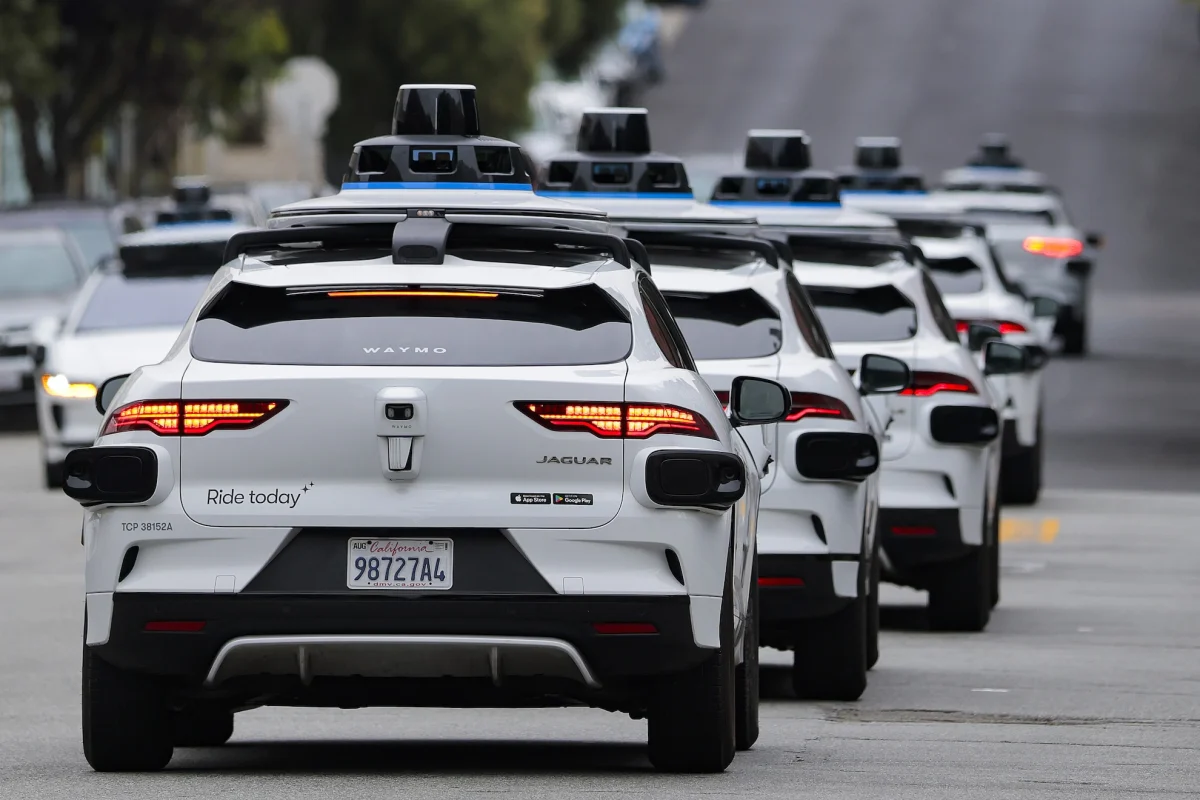
In another significant move, Rashed Haq has been brought in as Vice President of Autonomous Vehicles. Haq spent five years at Cruise, GM’s now-shuttered self-driving vehicle subsidiary, where he served as its head of AI and robotics. His return to the broader GM organization, following Cruise’s recent operational challenges and subsequent scaling back, is particularly noteworthy. It suggests a strategic shift towards integrating autonomous vehicle expertise more directly within GM’s core engineering and product development structure, rather than solely relying on an external, semi-independent entity. This could indicate a more cautious, integrated approach to AV development, leveraging internal resources and ensuring tighter alignment with overall product strategy.
These strategic hires collectively demonstrate GM’s intent to build robust internal capabilities in key technological domains. By attracting top talent in robotics, AI, and autonomous vehicles, GM is actively constructing the intellectual infrastructure necessary to compete effectively in the next generation of the automotive industry.
Broader Industry Context: The Software-Defined Vehicle Era
General Motors’ internal transformation is not happening in a vacuum; it is a direct response to, and a reflection of, seismic shifts occurring across the entire automotive landscape. The rise of the software-defined vehicle (SDV) has fundamentally altered the competitive dynamics of the industry. Consumers now expect their cars to be as connected and capable as their smartphones, offering seamless integration, regular feature updates, and personalized digital experiences.
Tesla pioneered this SDV model, demonstrating how a vertically integrated software stack could enable rapid innovation, introduce new revenue streams through subscriptions, and foster a strong brand identity centered around cutting-edge technology. This success has compelled legacy automakers worldwide to embark on their own, often arduous, digital transformations. Volkswagen, for instance, established Cariad, its dedicated software unit, to develop a unified software platform across its vast brand portfolio. Ford created Model e, a separate division focused on electric vehicles and digital services, signaling a similar commitment to software-centric development. Mercedes-Benz and Stellantis are also investing heavily in proprietary operating systems and advanced connectivity features.
Beyond traditional automakers, tech giants like Apple, Google (with Android Automotive), and Amazon (with Alexa integration) are increasingly vying for a piece of the in-car software ecosystem. This intensified competition from both new entrants and established tech players forces traditional OEMs like GM to move with unprecedented agility and to prioritize software development at every level of their organization. The car is no longer just a mode of transport; it is becoming a highly sophisticated, connected computing platform, an extension of our digital lives.
Market and Cultural Implications
The profound organizational and technological changes at General Motors carry significant implications for its market position, internal culture, and external perception. From an investor perspective, such a large-scale restructuring, while necessary, often brings short-term uncertainties. However, if successfully executed, it positions GM for long-term growth by unlocking new revenue streams through software subscriptions, enhancing product differentiation, and improving operational efficiency. Wall Street will be closely watching for tangible results in software-driven innovation and improved profit margins.
Internally, the challenge of attracting and retaining top software engineering talent in a highly competitive market remains paramount. GM must not only hire individuals with the right skills but also cultivate a corporate culture that blends the rigor of automotive engineering with the agility and innovation of a tech company. This often involves adapting traditional hierarchical structures, embracing faster development cycles, and fostering an environment that empowers engineers. The restructuring, while disruptive, aims to create an environment more conducive to attracting and retaining such talent.
Culturally, the integration of hardware and software teams can lead to shifts in internal dynamics, requiring new levels of collaboration and understanding between traditionally separate disciplines. It demands a workforce that is adaptable, continuously learning, and comfortable with rapid change. For existing employees, this transformation presents both opportunities for skill development and potential challenges in adapting to new workflows and priorities. Ultimately, GM’s success hinges on its ability to evolve its internal culture to match its ambitious technological aspirations.
The Road Ahead: Challenges and Opportunities
General Motors’ accelerated digital transformation is a high-stakes endeavor fraught with both significant challenges and immense opportunities. The challenges are formidable: large-scale organizational changes are inherently complex and often encounter resistance. Integrating diverse corporate cultures – that of a century-old industrial giant with the agile, fast-paced ethos of a tech startup – requires meticulous planning and sustained effort. Significant investments in research and development, along with the continuous attraction and retention of top-tier talent, will be essential. Moreover, the automotive development cycle, traditionally long and deliberate, must somehow align with the rapid iteration pace of software development, all while ensuring paramount safety and cybersecurity standards in mission-critical vehicle systems.
Despite these hurdles, the opportunities are equally compelling. A successful transformation can unlock substantial new revenue streams from software subscriptions, on-demand features, and data-driven services. It can create truly differentiated products that offer unique user experiences and advanced functionalities, setting GM apart from its competitors. By streamlining development and enabling faster updates, GM can improve product quality, respond more quickly to market demands, and enhance overall efficiency. Most importantly, this strategic pivot is about future-proofing General Motors, positioning it not just as a manufacturer of vehicles, but as a leading provider of integrated mobility experiences in a world increasingly defined by software and connectivity. The coming years will be a critical test of GM’s ability to navigate this complex transition and cement its place in the automotive landscape of tomorrow.