Amir Mahmud
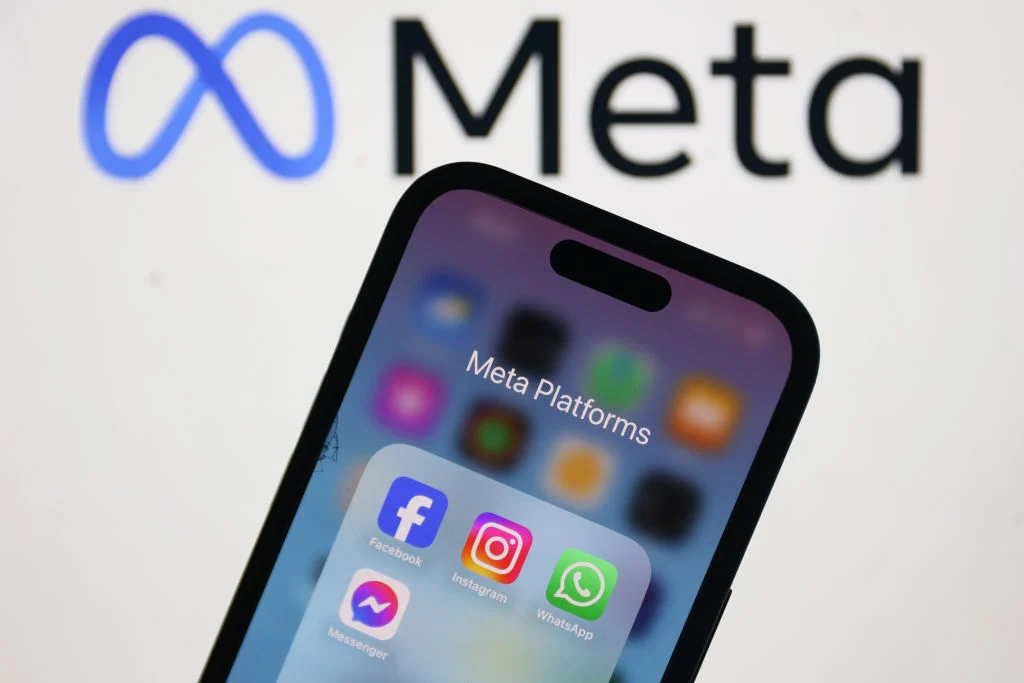
Meta Platforms, the parent company of Facebook, has introduced a significant new feature for its Facebook Groups, allowing members to engage under custom nicknames rather than their real names. This development marks a notable departure from Facebook’s foundational "real name" policy, a cornerstone of its platform identity for nearly two decades. The move is widely interpreted as an effort to cultivate deeper, more nuanced community engagement within its vast group ecosystem while simultaneously positioning the platform more competitively against established pseudonymous social networks like Reddit and Discord.
The Genesis of Identity on Facebook
For much of its existence, Facebook championed a strict real-name policy, a mandate that users register and interact under the name they use in their everyday lives. This policy, implemented from the platform’s early days as a university network, was conceived to foster authenticity, accountability, and genuine connections among friends and family. The rationale was that real identities would discourage malicious behavior, make interactions more trustworthy, and simplify the process of connecting with people one already knew offline. This approach distinguished Facebook sharply from the Wild West of early internet forums and chat rooms, where anonymity reigned, often leading to uninhibited, and sometimes toxic, discourse.
However, as Facebook expanded beyond its initial scope of connecting college students to encompass a global audience of billions, including diverse communities and interest groups, the real-name policy began to face increasing scrutiny. Activists, members of LGBTQ+ communities, survivors of domestic abuse, and individuals with unique cultural naming conventions often found the policy restrictive, exposing them to potential harassment, discrimination, or even real-world danger. For these users, a pseudonym was not merely a preference but a crucial layer of protection. Over the years, Facebook made minor concessions, allowing certain exceptions and offering options like "anonymous posting" within specific groups, but the core real-name requirement for primary profiles remained largely intact.
Facebook Groups: A Microcosm of Community Evolution
Facebook Groups emerged as a powerful feature, transforming the platform from primarily a network of personal connections into a sprawling hub for shared interests. From local parenting circles and hobbyist forums to support groups for sensitive health conditions and professional networking collectives, Groups became a vital space for millions. With over 1.8 billion people using Facebook Groups monthly, these communities often involve interactions with strangers who share a common interest but not necessarily a real-world connection. This expansion highlighted the inherent tension between Facebook’s real-name philosophy and the diverse needs for privacy and expression within these specialized communities.
Anonymous posting, introduced earlier, offered a limited solution. While it allowed users to share information without linking it to their personal profile, it simultaneously prevented them from building any persistent identity or rapport within the group. A user posting anonymously could not be recognized for their contributions, nor could others follow their insights over time. This created a barrier to fostering the kind of rich, ongoing dialogue that characterizes thriving online communities. It was a binary choice: full personal disclosure or complete disassociation. The introduction of nicknames seeks to bridge this gap, offering a middle ground that balances privacy with persistent identity.
The Nickname Feature: A Hybrid Identity Model
The newly launched nickname feature provides users with the ability to create a custom username and associated profile picture specifically for a particular Facebook Group. This distinct persona allows individuals to engage in discussions, post content, comment, and react to others’ contributions under this chosen moniker. Importantly, this nickname shields their primary Facebook profile and real-life identity from other regular group members. This means that fellow participants will see only the chosen nickname and its associated image, not the user’s actual name or main profile photo.
However, the privacy afforded by nicknames is not absolute. Group administrators and moderators retain the ability to view the real identity behind each nickname. Furthermore, Facebook’s internal systems also maintain the link between the nickname and the user’s actual account. This layered approach is designed to strike a delicate balance: empowering users with enhanced privacy to foster more open dialogue, while still providing community leaders and the platform itself with the necessary tools for content moderation, safety, and accountability.
Users have the flexibility to select their own nicknames, which must adhere to Facebook’s Community Standards and be unique within that specific group. The platform will also offer suggestions for both the nickname and a corresponding profile picture, although users are free to customize these elements. Accessing the feature is integrated into the posting interface, appearing alongside the existing "Post anonymously" option. Users can toggle between their real name and their chosen nickname for group interactions, and can change their nickname every two days, with the new name retroactively applying to past posts and comments within that group. It’s also worth noting that the use of nicknames comes with certain functional limitations; features such as Live Video, direct content sharing, and private messaging are not available when interacting under a pseudonym. However, users still retain the ability to block other members by their nickname, providing a mechanism for managing unwanted interactions. The feature is being rolled out globally, with group administrators having the discretion to enable it for their respective communities.
Strategic Implications: Competing in the Pseudonymous Landscape
This move is a clear signal of Meta’s strategic intent to compete more directly with platforms that have long capitalized on pseudonymous interaction. Reddit, a sprawling network of communities known as "subreddits," and Discord, a popular platform for voice, video, and text communication, particularly among gamers and niche communities, both thrive on users adopting usernames and avatars that are distinct from their real-world identities. This pseudonymous environment is often credited with fostering a sense of freedom and openness, allowing users to explore niche interests, express dissenting opinions, or discuss sensitive topics without the social pressure or professional repercussions associated with real-name disclosure.
Meta’s pivot towards offering pseudonymous options within Facebook Groups acknowledges the growing demand for such flexibility in the digital realm. It’s an attempt to capture or retain users who might otherwise gravitate towards competitors for certain types of online engagement. By providing a more comfortable space for sharing diverse perspectives, Facebook aims to increase engagement, particularly in groups dealing with sensitive or personal subjects where users might be hesitant to participate under their real identity. This could unlock new avenues for content creation and community building, potentially expanding the overall utility and stickiness of Facebook Groups.
From a market perspective, this initiative positions Meta as a more adaptable player in the evolving social media landscape. While Facebook’s core identity remains rooted in real-world connections, the company has increasingly diversified its offerings to cater to a wider spectrum of online behaviors, from the visual-centric Instagram to the ephemeral messaging of WhatsApp, and the nascent virtual worlds of the metaverse. Embracing pseudonymity within Groups is another step in this diversification, recognizing that different contexts demand different levels of identity disclosure.
Social and Cultural Impact: The Balance of Privacy and Accountability
The introduction of nicknames carries significant social and cultural implications for online interaction. On the one hand, it could foster more vibrant and inclusive communities. Individuals who previously hesitated to engage due to privacy concerns or fear of judgment might now feel empowered to share their experiences, ask questions, or offer support. This could be particularly beneficial for groups focused on mental health, marginalized identities, political discourse, or highly specialized hobbies where a degree of separation from one’s professional or personal life is desired. Increased participation could lead to richer discussions, diverse viewpoints, and stronger community bonds.
However, the shift towards pseudonymity also raises important questions about accountability and moderation. While the fact that admins and Facebook systems can still see real identities provides a crucial safety net, the immediate experience for most users will be one of interacting with a masked persona. This could, in some instances, embolden individuals to engage in more aggressive or inflammatory behavior, despite the underlying accountability mechanisms. Content moderation, already a formidable challenge for platforms of Facebook’s scale, may become more complex. While admins can identify and act against problematic users, the initial shield of a nickname might encourage a certain level of transgression before intervention occurs.
The ability to build a consistent "nickname identity" within a group, as opposed to ephemeral anonymous posts, offers an interesting dynamic. It allows for the development of a reputation, albeit one confined to a specific community. This "reputation capital" could encourage more constructive and respectful interactions, as users would want their chosen persona to be well-regarded within their niche. This hybrid model attempts to harness the benefits of both anonymity (freedom of expression) and persistent identity (accountability and community building).
The Evolving Landscape of Digital Identity
This move by Meta is part of a broader trend in digital identity, reflecting a growing understanding that a single, monolithic "real name" identity may not serve all purposes across the vast and varied landscape of online interaction. From the professional networking site LinkedIn, which mandates real names, to the creative and expressive worlds of TikTok and Tumblr, where usernames and avatars are the norm, platforms are increasingly recognizing the need for flexible identity options. The internet has moved beyond being merely a reflection of offline life; it is now a space where multiple facets of an individual’s identity can be explored and expressed, often requiring different levels of disclosure.
For Meta, this feature represents an important evolution, not a complete abandonment, of its identity principles. It acknowledges that while a real-name policy works well for connecting with existing friends and family, it can be a hindrance when fostering new communities around shared interests with strangers. By integrating pseudonymous interaction directly into Facebook Groups, Meta is striving to create a more inclusive and adaptable ecosystem, aiming to cater to the nuanced needs of its diverse user base and solidify its position in the ever-competitive social media arena. The success of this feature will likely hinge on its ability to genuinely enhance user experience and foster positive community dynamics, while effectively mitigating the potential for misuse.