Amir Mahmud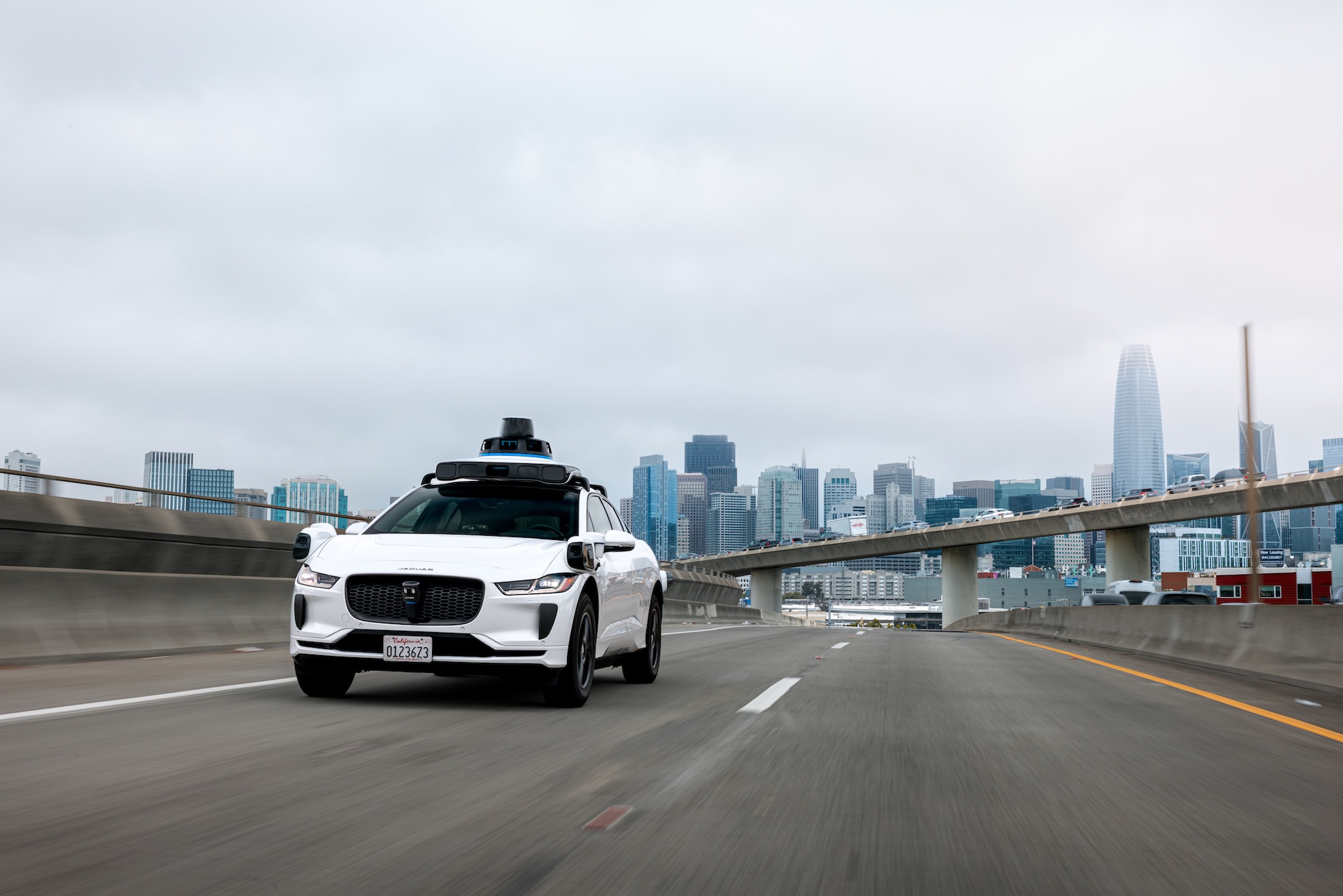
Waymo, the pioneering autonomous driving subsidiary of Alphabet, has achieved a significant regulatory milestone, securing authorization to vastly expand the operational territory for its fully autonomous vehicles across substantial portions of California. This approval marks a pivotal moment for the company, enabling it to test and deploy its advanced self-driving technology across an extensive network of cities and regions, stretching from the northern reaches of the Bay Area down to San Diego. The expansion signals a deepening commitment to commercializing robotaxi services and underscores the evolving landscape of autonomous mobility in one of the world’s most critical technology markets.
A Historic Milestone for Autonomous Mobility
The recent authorization from the California Department of Motor Vehicles (DMV) permits Waymo to operate its driverless vehicles across a significantly larger footprint. Previously confined to specific zones within San Francisco, Silicon Valley, and Los Angeles, Waymo’s approved Bay Area operational areas now encompass most of the East Bay, the North Bay (including the renowned Napa Valley wine country), and even extend inland to Sacramento. In Southern California, the company’s reach has expanded dramatically, now stretching from Santa Clarita, just north of Los Angeles, all the way south to San Diego. This broad approval dramatically increases the potential scale of Waymo’s operations, paving the way for future commercial services across diverse urban and suburban environments.
This development is not an isolated event but rather the latest step in a decades-long journey toward autonomous vehicles. The concept of self-driving cars has roots stretching back to early 20th-century visions, but serious research and development gained traction in the late 20th and early 21st centuries, notably with the DARPA Grand Challenge series beginning in 2004. These challenges spurred innovation, leading to Google’s self-driving car project, which later spun out into Waymo in 2016. Waymo quickly became a frontrunner, launching the world’s first fully autonomous ride-hailing service to the public in Phoenix, Arizona, in late 2018. Since then, the company has gradually expanded its operations, gathering billions of miles of real-world and simulated driving data, continuously refining its AI and sensor systems.
Navigating Regulatory Frameworks
The path to full autonomy is as much about technological prowess as it is about navigating complex regulatory landscapes. In California, a dual regulatory system governs autonomous vehicles. The DMV is responsible for issuing permits for testing and deployment of autonomous vehicles on public roads, focusing on safety standards and operational protocols. Separately, the California Public Utilities Commission (CPUC) grants permits for companies to operate driverless vehicles for hire, specifically for carrying paying passengers. Waymo currently holds both types of permits for its existing operational areas in San Francisco and Los Angeles, allowing it to offer commercial ride-hailing services.
This latest DMV approval signifies a crucial expansion of Waymo’s testing and deployment footprint, but it is important to note that the company will require additional authorization from the CPUC before it can commence carrying paying passengers in all these newly approved regions. This phased approach to regulatory approval reflects a cautious and iterative strategy by California regulators, balancing the desire to foster innovation with the paramount need for public safety. The state’s rigorous framework has often set a precedent for other jurisdictions globally, making these approvals particularly impactful for the broader autonomous vehicle industry.
The regulatory environment has also been shaped by public discourse and occasional setbacks. While Waymo has generally maintained a strong safety record, other autonomous vehicle companies have faced scrutiny and even temporary suspensions of their operating permits due to safety incidents. These events highlight the delicate balance regulators must strike and underscore the importance of robust testing and transparent communication from AV developers. Waymo’s sustained progress in California demonstrates its ability to meet these stringent requirements, gradually building trust with both regulators and the public.
Waymo’s Phased Approach to Growth
Waymo’s expansion strategy is characterized by a methodical, multi-stage rollout, beginning with driverless testing, then often moving to employee-only rides, and finally opening up to the public for paid services. The company’s public statements confirm its intention to welcome riders in San Diego by mid-2026, indicating that the newly approved territory in Southern California will be among the first to see commercial operations. This specific timeline aligns with previously announced plans for a significant expansion across North America, including Dallas, Denver, Detroit, Houston, Las Vegas, Miami, Nashville, Orlando, San Antonio, Seattle, and Washington, D.C.
Beyond California, Waymo has been actively broadening its presence. Recent announcements include plans to enter Minneapolis, New Orleans, and Tampa, further diversifying its operational environments. The company is also making strides in enhancing its existing services, such as removing safety drivers in Miami ahead of its 2026 commercial launch there, and introducing rides that utilize freeways in Los Angeles, San Francisco, and Phoenix. The integration of freeway driving is a critical step, as it significantly expands the utility and convenience of robotaxi services, connecting wider areas and enabling faster travel between destinations. These strategic moves illustrate Waymo’s confidence in its technology and its systematic approach to scaling its operations both geographically and functionally.
The Road Ahead: Challenges and Opportunities
While the regulatory green light in California is a significant boon, the path to widespread autonomous vehicle adoption is still fraught with challenges. Scaling operations across such vast and diverse territories demands immense logistical effort, continuous mapping, and robust technical support. Each new city and region presents unique driving conditions, traffic patterns, infrastructure quirks, and weather variations that the autonomous driving system must learn to navigate safely and efficiently. The complexity of urban environments, with their unpredictable pedestrians, cyclists, and construction zones, requires highly sophisticated perception and prediction capabilities from the AI.
Furthermore, public acceptance remains a critical hurdle. Despite advancements, a segment of the population harbors skepticism or apprehension about riding in driverless vehicles. Building trust requires consistent, safe performance and effective public education campaigns. Incidents, however rare, tend to garner significant media attention, reinforcing public caution. Waymo’s strategy of gradual expansion, allowing communities to acclimate to the presence of autonomous vehicles, is designed to address this.
Economically, the autonomous vehicle market represents a massive opportunity, with projections of it reaching hundreds of billions, if not trillions, of dollars in the coming decades. Waymo’s expansion positions it to capture a significant share of this emerging market. The development and deployment of AVs create a new ecosystem of jobs in AI research, software development, hardware engineering, manufacturing, operations, and maintenance. However, there are also potential societal impacts, such as the displacement of traditional ride-hailing and taxi drivers, which will necessitate policy discussions and workforce retraining initiatives.
Broader Industry Context and Public Reception
Waymo’s expansion occurs within a competitive and rapidly evolving industry. While Waymo is often seen as a leader due to its early start and extensive testing, other companies like Cruise (GM’s autonomous unit) and Zoox (Amazon’s AV company) are also vying for market share, particularly in urban ride-hailing. Tesla, with its "Full Self-Driving" (FSD) software, takes a different approach, selling its technology directly to consumers rather than operating a dedicated robotaxi service, though it has hinted at future network ambitions. The varying strategies and technological approaches among these players indicate a dynamic market where different models may ultimately find success.
Public reception to autonomous vehicles is a mixed bag, evolving as the technology becomes more prevalent. While some early adopters embrace the convenience and novelty, others express concerns about safety, reliability, and the implications for human employment. The cultural impact of robotaxis is profound; they represent a fundamental shift in how people perceive and interact with transportation. As noted in industry discussions, with unfettered access across expanded territories, people might begin to use these services in "new, weird, or even dangerous ways." This analytical commentary refers to potential behavioral shifts, from using robotaxis for unconventional purposes (e.g., mobile offices, temporary sleeping spaces) to testing their limits, potentially creating unforeseen challenges for operators and regulators alike. Such scenarios underscore the need for robust operational protocols, ethical guidelines, and continuous monitoring as the technology integrates more deeply into daily life.
Impact on Urban Mobility and Lifestyle
The widespread adoption of autonomous vehicles, particularly robotaxis, holds the potential to reshape urban mobility and lifestyle in profound ways. For individuals, robotaxis could offer increased accessibility, especially for those unable to drive due to age, disability, or lack of licensure. This could enhance independence and social inclusion for many. On an urban scale, a fully optimized fleet of autonomous vehicles could theoretically reduce traffic congestion, minimize parking requirements, and potentially lead to a decrease in traffic accidents caused by human error. This, in turn, could free up valuable urban land currently dedicated to parking, allowing for more green spaces or housing.
From an environmental perspective, if robotaxi fleets primarily consist of electric vehicles, as Waymo’s largely does, their widespread adoption could contribute significantly to reducing carbon emissions and improving air quality in cities. However, the exact environmental impact will depend on factors like vehicle utilization rates and the energy sources used to power charging infrastructure.
The expansion across California’s diverse geography—from the dense urban cores of San Francisco and Los Angeles to the suburban sprawl of the East Bay, the agricultural landscapes around Sacramento, and the tourist-heavy Wine Country—will provide invaluable data and experience for Waymo’s AI. This varied operational environment will push the boundaries of the technology, ensuring its adaptability to a wide spectrum of real-world scenarios, from navigating narrow city streets to handling highway speeds and rural roads.
Looking to the Future of Autonomous Services
Waymo’s latest regulatory achievement in California represents more than just an expansion of its service area; it is a testament to the persistent progress in autonomous driving technology and a significant step toward realizing the vision of a driverless future. As the company prepares to introduce its services to more communities, the focus will remain on safety, reliability, and seamless integration into the existing transportation ecosystem. The journey from nascent technology to ubiquitous service is long, but with each regulatory approval and operational expansion, the horizon of fully autonomous mobility draws closer, promising a transformative impact on how people move, work, and live. The eyes of the world, and indeed the entire autonomous vehicle industry, will be keenly watching as Waymo continues to chart this ambitious course.