Amir Mahmud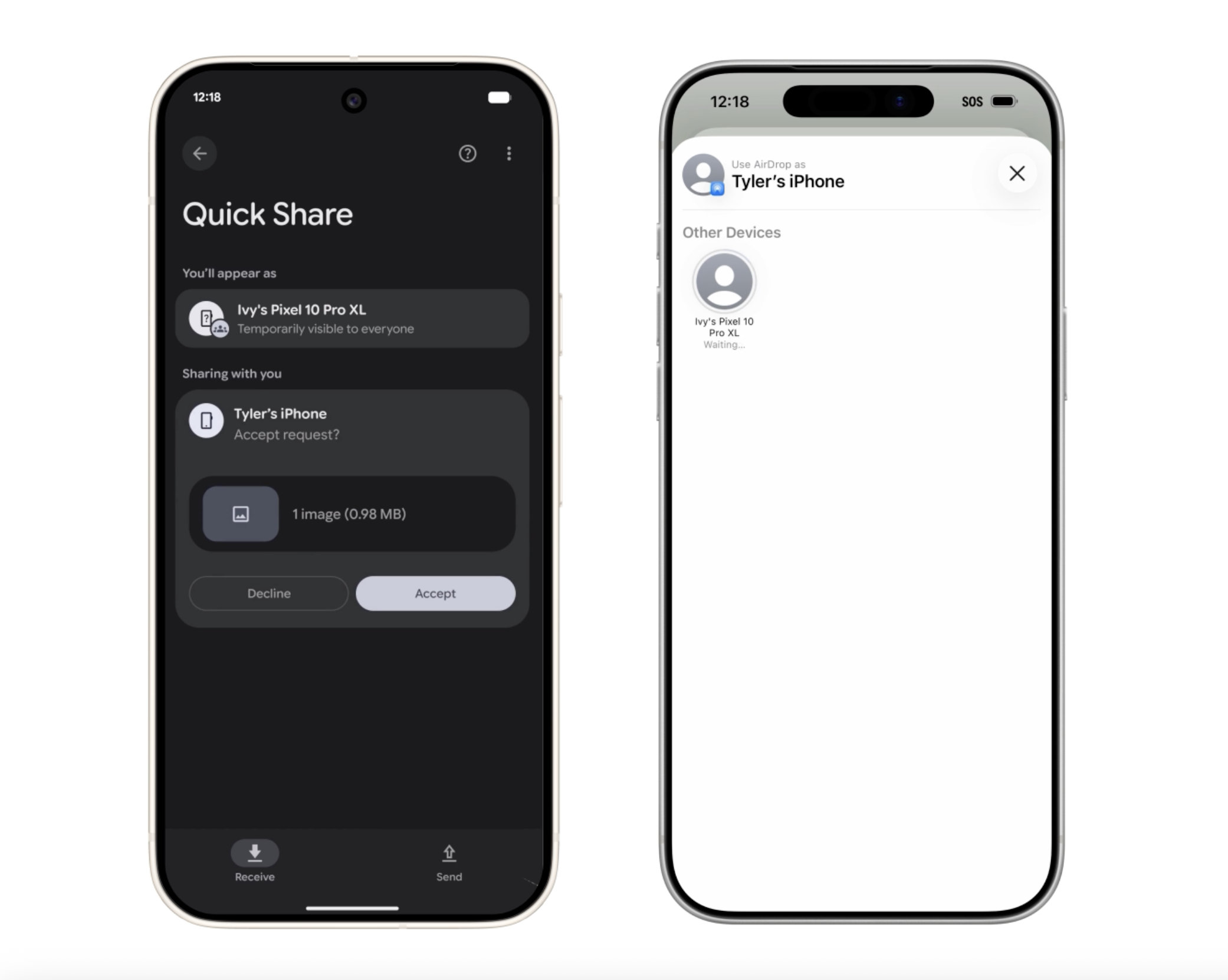
In a significant development poised to reshape the digital interaction between the world’s two dominant mobile ecosystems, Google has announced an update to its Quick Share functionality, enabling direct file transfers with Apple’s proprietary AirDrop system. This groundbreaking interoperability, initially rolling out to users of the Pixel 10 smartphone lineup, represents a substantial stride towards dismantling long-standing barriers between Android and iOS devices, promising a more fluid and integrated user experience for millions. The move signals a potential paradigm shift in how users share photos, videos, and documents across different mobile platforms, a capability previously hampered by proprietary protocols and the "walled garden" approach of tech giants.
A New Era of Cross-Platform Connectivity
For years, the digital divide between Android and iOS has been a source of frustration for consumers. While both ecosystems offer robust, user-friendly experiences within their respective confines, sharing content between them has often required cumbersome workarounds. Users frequently resorted to emailing files to themselves, utilizing cloud storage services, or employing third-party messaging applications, each method adding layers of inconvenience and often compromising speed or privacy. This friction point underscored a fundamental challenge in the fragmented mobile landscape, where convenience often bowed to corporate strategy and proprietary control.
Apple’s AirDrop, introduced in 2011, revolutionized local file sharing within its ecosystem. Leveraging a combination of Wi-Fi and Bluetooth, it allowed users to effortlessly send files to nearby iPhone, iPad, and macOS devices. Its simplicity and speed quickly made it a cornerstone of the Apple experience, fostering a sense of seamless connectivity among its users. On the Android side, Google initially offered "Android Beam" in 2011, utilizing Near Field Communication (NFC) for small file transfers, which was later deprecated. It wasn’t until 2020 that Google introduced Nearby Share, a more comprehensive solution designed to mirror AirDrop’s convenience for Android users. This feature utilized Bluetooth for initial handshake and Wi-Fi Direct for faster data transfer, enabling sharing between Android devices and Chromebooks. In early 2024, Google further refined this offering by rebranding Nearby Share as Quick Share, unifying it with Samsung’s own Quick Share feature to create a more cohesive sharing experience across the Android ecosystem. The recent integration with AirDrop marks the logical next step, extending this ease of use beyond the confines of a single operating system.
Unpacking the Technical Details and Initial Rollout
The newly implemented functionality allows Pixel 10 users to initiate a Quick Share transfer to an iPhone, iPad, or macOS device, provided the Apple user has enabled their AirDrop settings to "Everyone for 10 minutes." This specific setting, designed for temporary public discoverability, serves as the initial bridge for cross-platform communication. Once enabled, the Pixel device can detect the iPhone as an available recipient, and users can confirm the transfer by verifying the recipient’s device name on their screen. Google has confirmed that this is a two-way street; iPhone users can also send files to Pixel phones, requiring the Pixel device to be set as discoverable.
Crucially, Google emphasizes that this integration is not a workaround but a direct, peer-to-peer connection. This means that data is not routed through intermediary servers, and shared content is never logged, addressing potential privacy concerns. The company underscored its commitment to security, stating that the system was built with "strong safeguards" and subjected to testing by independent security experts. While the "Everyone for 10 minutes" mode offers a practical starting point, Google has openly expressed its ambition to collaborate further with Apple to enable "Contacts Only" mode in the future. This more restrictive setting, which limits AirDrop discoverability to known contacts, would significantly enhance both security and convenience for users, making the integration even more seamless and trustworthy for everyday interactions. The initial rollout to the Pixel 10 lineup signifies a phased approach, with Google planning to expand this functionality to a broader range of Android devices in subsequent updates.
The Long Road to Interoperability
This development is not an isolated event but rather the culmination of a broader trend towards increased interoperability in the tech industry, often driven by both user demand and growing regulatory pressure. For years, major tech companies have been criticized for creating "walled gardens" – ecosystems designed to keep users within their proprietary services, making it difficult to switch or communicate across platforms. This strategy, while beneficial for fostering brand loyalty and controlling user experience, has often come at the expense of seamless connectivity and consumer choice.
The journey towards greater openness has seen several notable milestones. Beyond file sharing, the push for cross-platform compatibility has gained momentum in other critical areas. Google, for instance, has been a vocal proponent of Rich Communication Services (RCS) as a modern standard for messaging, aiming to replace the antiquated SMS protocol and bring iMessage-like features to Android. While Apple has recently announced its intention to adopt RCS in 2024, this move comes after years of public pressure and, arguably, indirect influence from regulatory bodies. Similarly, both companies have collaborated on initiatives like unknown tracker alerts, designed to notify users if an unknown Bluetooth tracking device (like an Apple AirTag or Google’s equivalent) is traveling with them, regardless of their phone’s operating system. These collaborative efforts, though often slow and incremental, illustrate a growing recognition of the need for common standards to address universal user needs and safety concerns.
Global regulatory bodies, particularly in the European Union, have also played an increasingly influential role. Legislation such as the Digital Markets Act (DMA) specifically targets "gatekeepers" in the digital sector, mandating interoperability for certain core platform services. While the direct influence of the DMA on this specific Quick Share-AirDrop integration isn’t explicitly stated, the broader regulatory climate undoubtedly encourages tech giants to be more amenable to cross-platform solutions. Companies anticipating future regulations may proactively implement such features to demonstrate good faith and avoid potential penalties.
Societal and Market Implications
The integration of Quick Share with AirDrop carries significant societal and market implications. For the average user, the most immediate benefit is unparalleled convenience. The days of struggling to send a photo from an Android phone to an iPhone, or vice-versa, could soon be relegated to memory. This reduction in friction addresses a pervasive annoyance that has long characterized cross-platform interactions, fostering a more harmonious digital environment. It could subtly ease the social pressure often associated with the "green bubble" phenomenon in messaging, where Android users sending messages to iPhone users are visually distinguished, potentially leading to a more inclusive digital social landscape, even if this particular feature doesn’t directly address messaging.
From a market perspective, this interoperability could have several effects. It might slightly reduce the "lock-in" effect that proprietary ecosystems often create. If core functionalities like file sharing become universally seamless, the decision to choose a particular smartphone might hinge less on the inconvenience of cross-platform communication and more on other factors like hardware, software features, or pricing. This could stimulate healthier competition, as companies might need to innovate more aggressively to differentiate their offerings beyond mere compatibility. For businesses and enterprises, easier file sharing between employee devices, regardless of their operating system, can streamline workflows and improve productivity. It also reduces the need for third-party file transfer applications, potentially simplifying IT management and enhancing security by utilizing built-in, vetted solutions. The broader trend signifies a potential shift from a purely competitive landscape to one that increasingly embraces collaboration on fundamental user experiences, albeit often under the watchful eye of regulators.
What Lies Ahead: A Glimpse into the Future
Google’s proactive step in bridging the gap between Quick Share and AirDrop is a strategic move that aligns with its stated commitment to open standards and user choice. By demonstrating a willingness to facilitate cross-platform communication, Google not only enhances the value proposition of its Android ecosystem, particularly for its flagship Pixel devices, but also positions itself as a champion for greater digital freedom. This approach could earn goodwill from consumers and further cement its image as an advocate for a less fragmented internet.
The current implementation, relying on AirDrop’s "Everyone for 10 minutes" mode, underscores the initial cautious approach. Google’s explicit desire to work with Apple on enabling a "Contacts Only" mode highlights the next critical step for truly seamless and secure integration. Achieving this would likely require more direct and deeper collaboration between the two tech giants, a prospect that remains uncertain. Apple has historically been reluctant to open its proprietary technologies, citing security and user experience concerns. However, the increasing regulatory pressure and the undeniable consumer demand for interoperability may compel Apple to engage more directly in such partnerships.
This landmark integration, starting with the Pixel 10, serves as a powerful testament to the evolving dynamics of the tech industry. It suggests that even the most entrenched "walled gardens" are not entirely impervious to the forces of user demand and regulatory scrutiny. As digital ecosystems become more intertwined with daily life, the expectation for effortless communication and sharing across all devices, regardless of brand, will only grow. The Quick Share-AirDrop compatibility is more than just a new feature; it’s a symbolic step towards a more connected, less fragmented digital future for everyone.