Amir Mahmud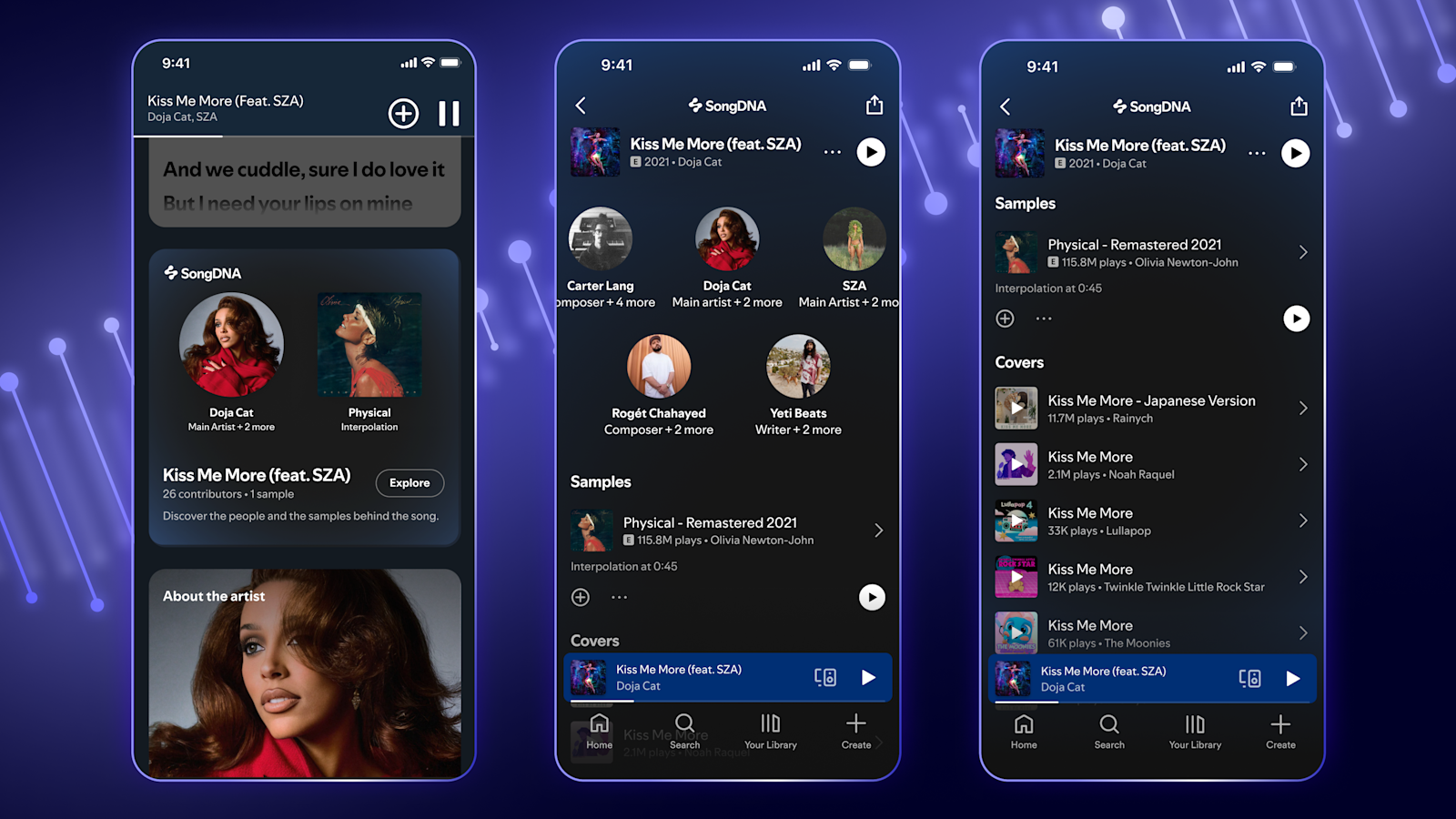
The global music streaming giant, Spotify, has significantly enhanced its capabilities for providing rich musical context by acquiring WhoSampled, a revered community-driven database dedicated to tracking the intricate connections between songs, including samples, covers, and remixes. This strategic move, announced Wednesday, signals a concerted effort by Spotify to offer its vast user base a more profound and immersive understanding of the music they consume. The acquisition aligns with Spotify’s broader initiative to introduce new song credit features and an innovative music discovery tool, SongDNA, all aimed at shedding light on the often-hidden narratives behind popular tracks.
The Genesis of WhoSampled: A Niche Becomes Indispensable
WhoSampled, established in London in 2008, emerged from a passion for deconstructing music and understanding its genetic makeup. In an era where digital music consumption was rapidly evolving but comprehensive metadata remained elusive, the platform carved out a unique space. It quickly became the definitive online resource for identifying the source material behind countless songs, particularly those within the hip-hop, electronic, and R&B genres, where sampling is a foundational creative practice. Over its lifespan, WhoSampled meticulously compiled an extensive database, which now boasts over 1.2 million songs and nearly 622,000 distinct samples, alongside information on covers, remixes, and the artists involved.
The power of WhoSampled has always resided in its community. Unlike many corporate databases, WhoSampled’s content is largely crowdsourced and then rigorously moderated by a dedicated team of experts and enthusiasts. This collaborative model ensures a level of detail, accuracy, and depth that often surpasses officially released metadata, which can be incomplete or inconsistent. For musicologists, DJs, producers, and casual listeners alike, WhoSampled has been an invaluable tool for tracing musical genealogies, exploring influences, and appreciating the creative artistry involved in reinterpreting existing works. The site’s ability to cross-reference artists, tracks, and their derivatives provides a web of interconnectedness that reveals the rich tapestry of modern music history.
The Art and Impact of Musical Sampling
To truly appreciate the significance of WhoSampled, one must understand the cultural and historical impact of musical sampling itself. The practice of taking a portion of one sound recording and reusing it in another dates back to the early days of musique concrète in the mid-20th century, but it truly exploded into popular culture with the rise of hip-hop in the late 1970s and early 1980s. Pioneers like Grandmaster Flash, Afrika Bambaataa, and DJ Kool Herc utilized turntables as instruments, looping drum breaks and vocal snippets from funk, soul, and disco records to create entirely new sonic landscapes. This revolutionary approach not only defined a genre but also democratized music production, allowing artists to create complex soundscapes with relatively rudimentary equipment.
As sampling evolved, it became a sophisticated art form, with producers like DJ Premier, Pete Rock, and J Dilla crafting intricate collages of sounds that often paid homage to their predecessors while forging new musical identities. The ability to identify these samples became crucial for fans who sought to understand the creative process and the cultural references embedded within the music. However, this innovative practice also ushered in a complex legal landscape. Early sampling often occurred without proper clearance, leading to numerous lawsuits throughout the late 1980s and 1990s. Landmark cases, such as Grand Upright Music, Ltd. v. Warner Bros. Records Inc. (involving Biz Markie’s "Alone Again"), established legal precedents that mandated sample clearance and royalty payments, transforming the economic model of sample-based music. This shift made proper attribution and licensing a critical component of music production, further highlighting the need for accurate databases like WhoSampled.
Spotify’s Strategic Vision: Deepening Engagement and Discovery
Spotify’s acquisition of WhoSampled is not an isolated event but rather a calculated move within its broader strategy to enhance user engagement and diversify its offerings beyond basic music playback. While specific financial terms of the deal were not disclosed, Spotify confirmed that the acquisition encompasses both WhoSampled’s dedicated team and its comprehensive database. The relatively small size of WhoSampled’s staff, estimated at around ten employees according to Pitchbook and LinkedIn data, suggests a highly specialized and efficient operation, indicating that Spotify is acquiring core expertise and proprietary data rather than a large operational unit.
The immediate integration of WhoSampled’s data is evident in Spotify’s simultaneous announcement of new song credits features and the upcoming music discovery tool, SongDNA. These initiatives aim to provide listeners with unprecedented insight into the creative lineage of their favorite tracks. Imagine listening to a modern pop hit and instantly being able to see its sampled origins, the artists who influenced it, or the various covers it has inspired. This level of granular information transforms passive listening into an active exploration, fostering a deeper connection between the listener and the music.
Spotify has long recognized the value of contextual information. Its "Behind the Lyrics" feature (powered by Genius) offered lyrical insights, and its robust recommendation engine relies heavily on understanding musical similarities. However, WhoSampled brings a unique dimension: the literal genetic code of music. By making these connections readily accessible, Spotify is not just streaming songs; it’s streaming stories. This aligns with a growing consumer demand for authenticity and transparency in creative works, mirroring trends seen in other industries where consumers seek to understand the origins and production processes of products.
Market Dynamics and Competitive Advantage
In the fiercely competitive landscape of music streaming, differentiation is key. Services like Apple Music, Amazon Music, YouTube Music, and Tidal are constantly vying for subscribers by offering exclusive content, superior audio quality, or unique features. Spotify, with its dominant market share, continually seeks ways to maintain its lead and attract new users. The acquisition of WhoSampled provides a significant competitive edge by offering a feature set that no other major streaming service can currently match in depth and accuracy.
This move underscores a broader industry trend towards investing in rich metadata and contextual content. As music libraries grow exponentially, the ability to organize, categorize, and interconnect tracks becomes paramount for effective discovery. Proprietary, high-quality data like WhoSampled’s is a valuable asset in this environment, especially as AI and machine learning algorithms become more sophisticated in recommending music. A deeper understanding of musical relationships—who sampled whom, who covered what—allows for more nuanced and intelligent recommendations, potentially surfacing hidden gems or forgotten classics for users.
Furthermore, this acquisition could have positive implications for artists and rights holders. Improved attribution means that the original creators of sampled material receive clearer recognition, which can lead to increased discovery of their back catalogs and potentially new licensing opportunities. For artists who sample, having an authoritative database integrated into the primary listening platform simplifies the process of giving credit and adhering to intellectual property guidelines, fostering a more transparent and equitable ecosystem.
The Future of WhoSampled Under Spotify’s Umbrella
A crucial aspect of the acquisition is Spotify’s commitment to maintaining WhoSampled as a standalone platform and brand. This decision suggests that Spotify recognizes the unique value and loyal community that WhoSampled has cultivated over the years. Rather than simply absorbing the data and shutting down the site, Spotify aims to leverage WhoSampled’s expertise while allowing its dedicated community to continue thriving. This approach mitigates the risk of alienating WhoSampled’s existing user base, who might otherwise feel that their cherished resource has been co-opted.
WhoSampled’s announcement post detailed several user-facing improvements anticipated from the acquisition. These include significantly faster moderation times for submissions, the removal of display advertisements from the website in the coming weeks, and making its mobile applications free downloads with complimentary subscriptions. These enhancements directly address common user pain points and demonstrate Spotify’s immediate commitment to improving the WhoSampled experience. Faster moderation will ensure the database remains current and responsive to new releases, while the removal of ads and free mobile access will make the platform more accessible and enjoyable for a wider audience.
The WhoSampled team articulated a shared vision with Spotify, stating, "Through our recent discussions with Spotify, it became clear that we share a strong belief in the power of musical context – and a vision for helping listeners go deeper into the songs they love." This synergy suggests that the acquisition is not merely about data aggregation but about a philosophical alignment on how listeners engage with music. By empowering users to explore the intricate web of musical influences, Spotify is fostering a more educated and appreciative listener base, potentially cultivating a deeper, more enduring relationship between users and the platform.
Broader Implications for Music Culture
This acquisition represents more than just a business deal; it signifies a pivotal moment in how digital platforms acknowledge and celebrate the rich, interconnected history of music. In an era often criticized for its disposable content and algorithmic echo chambers, providing tools for deep dives into musical origins can counteract these trends. It encourages critical listening, fosters an appreciation for cultural heritage, and helps preserve the narratives behind the music.
The integration of WhoSampled’s data into Spotify’s ecosystem could also influence music education and scholarship. Researchers, educators, and aspiring musicians now have an unparalleled, easily accessible resource to study the evolution of genres, the impact of specific producers, and the global flow of musical ideas. As music continues to evolve in an increasingly digital and globalized world, understanding its roots and influences becomes even more critical.
Ultimately, Spotify’s acquisition of WhoSampled is a powerful testament to the enduring value of musical context. It recognizes that music is not just a collection of isolated tracks but a living, breathing tapestry woven from countless threads of inspiration, reinterpretation, and homage. By providing the tools to unravel these threads, Spotify is not only enhancing its service but also enriching the global musical conversation, inviting millions of listeners to embark on a deeper, more informed journey through the sounds they cherish.