Amir Mahmud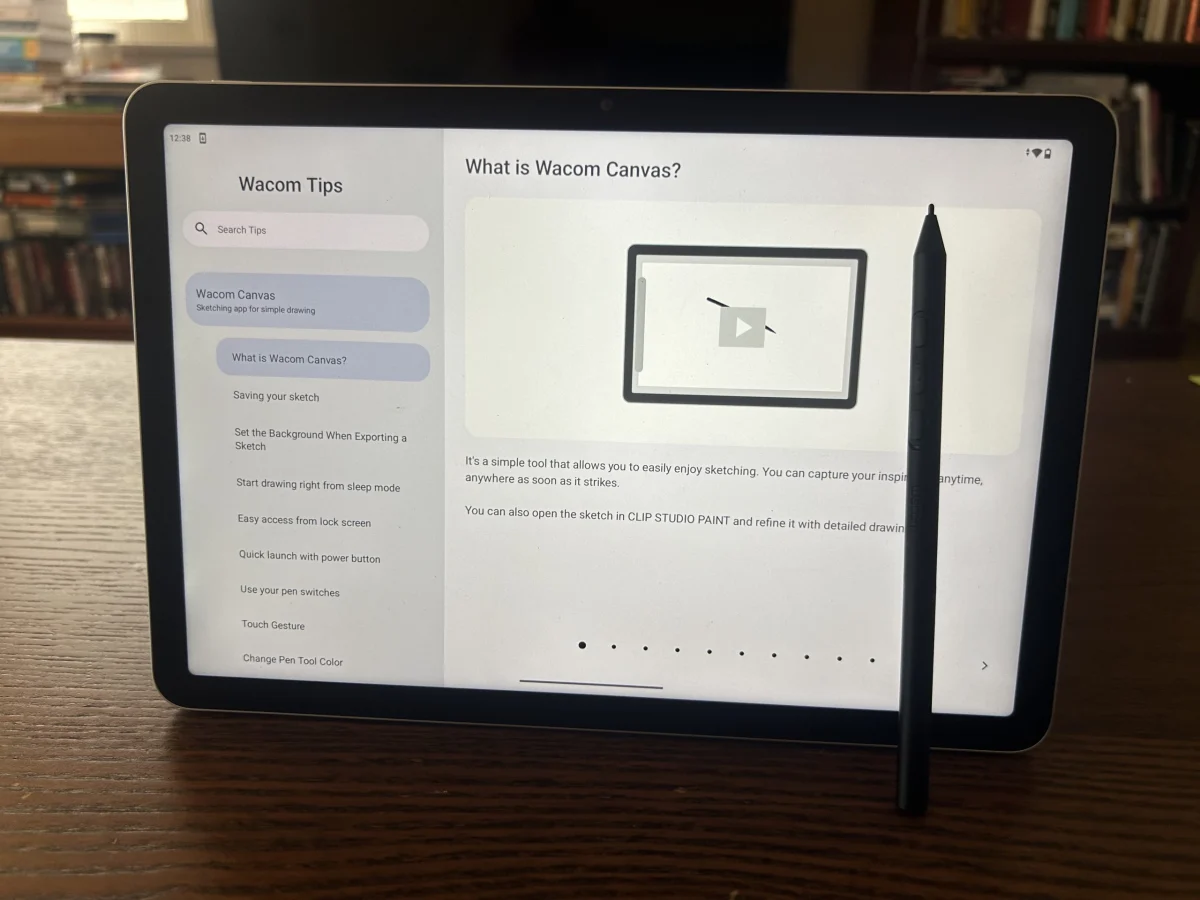
The digital realm has long fostered a vibrant community of creators, transforming the landscape of artistic expression through the power of computing. This evolution, from nascent online forums to global social media art challenges, underscores a continuous demand for intuitive and powerful tools that bridge traditional artistic techniques with modern technological capabilities. At the forefront of this revolution, Japanese company Wacom, founded in 1983, has consistently established itself as a pioneering leader in the graphics tablet sector, enabling generations of artists to translate their visions onto a digital canvas.
Wacom’s Legacy: A History of Digital Innovation
Wacom’s journey began decades ago, long before digital art became a mainstream phenomenon. The company was founded on the principle of developing human-interface technology, specifically focusing on pen input. Early Wacom tablets, primarily digitizers, allowed users to interact with computers using a stylus, laying the groundwork for what would become an indispensable tool for graphic designers, illustrators, and animators. These initial offerings revolutionized workflows in industries ranging from CAD (Computer-Aided Design) to animation studios, providing a level of precision and natural feel that traditional mouse input simply could not match.
Throughout the 1990s and 2000s, Wacom refined its core technology, introducing innovations like cordless, battery-free pens utilizing electromagnetic resonance (EMR) technology, and the renowned Intuos line of pen tablets. A significant leap came with the introduction of the Cintiq series in the early 2000s, which integrated a display directly into the tablet, allowing artists to draw directly on the screen, mimicking the natural act of drawing on paper more closely than ever before. This innovation solidified Wacom’s position as the industry standard, making their products ubiquitous in professional creative environments and shaping the expectations for what a digital art tool could achieve.
The MovinkPad Series: Adapting to a Mobile Creative World
In recent years, the creative technology market has diversified significantly, with the rise of powerful standalone tablets like Apple’s iPad Pro and Samsung’s Galaxy Tab S series, which, coupled with their respective styluses and robust app ecosystems, offer compelling alternatives for digital artists. Recognizing this shift towards more mobile and integrated solutions, Wacom embarked on the MovinkPad series, a specialized line of Android-powered tablets designed to provide a self-contained creative experience. The MovinkPad represents Wacom’s strategic effort to cater to a broader audience, particularly those seeking portability and an all-in-one device without sacrificing the company’s signature pen technology.
The MovinkPad 11, the inaugural device in this innovative series, debuted as a compelling option for aspiring artists and hobbyists. While not the latest iteration—that distinction belongs to the MovinkPad Pro 14, released subsequently with a higher price point and enhanced specifications like an OLED screen with 3K resolution and a wider color spectrum—the MovinkPad 11 remains a relevant and accessible entry point. Its original intent was to introduce Wacom’s renowned pen experience into a more portable, Android-centric ecosystem, offering a distinct value proposition in a crowded market. Examining this foundational model provides valuable insight into Wacom’s vision for integrated creative devices and its strategy to capture the burgeoning segment of mobile digital artists.
Unpacking the MovinkPad 11: Design, Performance, and User Experience
The MovinkPad 11 is engineered for portability and efficiency, weighing a mere 1.3 pounds and featuring an 11.45-inch display. This compact form factor makes it an ideal companion for artists on the go, whether sketching in a coffee shop, commuting, or simply moving between different creative spaces. Under the hood, the device is equipped with 8 gigabytes of memory and 128 gigabytes of storage, providing ample room for creative projects and smooth operation for most digital art applications. Its battery-free design, relying on a USB charger, streamlines the user experience by eliminating the need to constantly monitor stylus battery levels—a common pain point with many competing styluses.
Central to the MovinkPad 11’s appeal is the included Pro Pen 3. This 6.3-inch stylus embodies Wacom’s decades of expertise in pen technology, offering a natural and responsive drawing experience. The Pro Pen 3 is designed with three customizable side buttons, allowing users to program shortcuts for frequently used functions like undo, erase, or switching tools, significantly enhancing workflow efficiency. Furthermore, artists can personalize their drawing feel by swapping out and customizing the stylus nibs, with Wacom offering a diverse range of replacement packs that simulate different textures and resistances, from smooth plastic to felt or even brush-like tips. This level of customization allows artists to tailor the pen’s interaction with the screen to their specific preferences, closely mimicking the tactile feedback of traditional art media.
For individuals new to the digital art landscape, the MovinkPad 11 presents a remarkably straightforward setup process. As an Android device, it necessitates an initial PIN creation for security, a standard procedure for modern mobile electronics. While some might question the necessity of such robust security for personal sketches, it provides peace of mind for creators whose digital assets are increasingly valuable. Integration with a Google account is seamless, allowing for easy synchronization of creative materials and access to a vast ecosystem of Android applications. This integration lowers the barrier to entry for many, enabling them to quickly transition from setup to creation.
The Digital Art Ecosystem: Software and Creative Tools
A robust software ecosystem is crucial for any digital art device, and the MovinkPad 11 offers a solid foundation. It comes pre-installed with Wacom Canvas, the company’s own free digital art software. Canvas provides a suite of basic tools, making it an excellent starting point for beginners to familiarize themselves with digital sketching and painting. For artists seeking more advanced features and professional-grade capabilities, the MovinkPad 11 is fully compatible with Clip Studio Paint, a highly regarded paid application widely adopted by professional illustrators, comic artists, and animators. Clip Studio Paint offers an extensive array of brushes, layers, 3D model support, and vector tools, allowing for complex and nuanced artistic creations. The flexibility to choose between these applications, or indeed other compatible Android art apps, ensures that the MovinkPad 11 can grow with an artist’s skill level and evolving needs.
The synergy between the Pro Pen 3 and these software applications is a cornerstone of the MovinkPad’s creative potential. Within applications like Clip Studio Paint, the stylus’s functionality can be meticulously adjusted. Artists can select from a multitude of digital tools—pens, paintbrushes, sketching pencils, airbrushes, and more—each with customizable parameters such as size, opacity, texture, and pressure sensitivity. This granular control allows for an unprecedented level of artistic expression, enabling effects that would be challenging, if not impossible, to achieve with traditional media. The ability to undo mistakes instantly, work with non-destructive layers, and access an infinite palette of colors are just a few of the advantages that digital art on a device like the MovinkPad offers, fostering experimentation and iterative design.
Market Dynamics and the Appeal of Digital Creativity
The MovinkPad 11 enters a competitive market, vying for attention against established giants like Apple’s iPad Pro, which, with its Apple Pencil, boasts a formidable array of art apps and widespread cultural recognition. However, the MovinkPad 11 carves out its niche by offering a more focused and, arguably, more elegant solution for dedicated digital artists, particularly those who appreciate Wacom’s heritage and specialized pen technology. At its price point of approximately $500, it occupies a strategic mid-range position, making it considerably more accessible than high-end professional tools like Wacom’s own Cintiq Pro 27 (which can cost upwards of $3,500) or fully-specced iPad Pro models (up to $1,100), while still offering a significantly more advanced experience than ultra-budget options like the Huion Inspiroy H640P ($30).
This pricing strategy makes the MovinkPad 11 an attractive proposition for a specific demographic: passionate digital doodlers and aspiring artists who are ready to invest in a serious creative tool but are constrained by budget. It’s too specialized for a casual tablet user who isn’t primarily interested in art, but it hits a sweet spot for those looking to advance their digital art skills without breaking the bank. The value proposition extends beyond just the hardware; it encompasses the Wacom ecosystem and the natural, responsive drawing experience that has become synonymous with the brand.
The rise of digital art is not merely a technological trend; it’s a significant cultural phenomenon. It has democratized art creation, allowing individuals from all walks of life to express themselves without the physical constraints and costs associated with traditional materials. Platforms like Instagram, TikTok, and DeviantArt are teeming with digital artists sharing their work, building communities, and even monetizing their skills. From intricate character designs for video games and animation to compelling webtoons and vibrant social media illustrations, digital art has become an integral part of our visual culture. Devices like the MovinkPad 11 play a crucial role in empowering this new generation of creators, providing them with the tools necessary to bring their imaginative worlds to life. Its blend of Wacom’s proven technology, an accessible Android platform, and a competitive price point makes it more than just a gadget; it’s a gateway to artistic exploration and expression in the digital age.