Amir Mahmud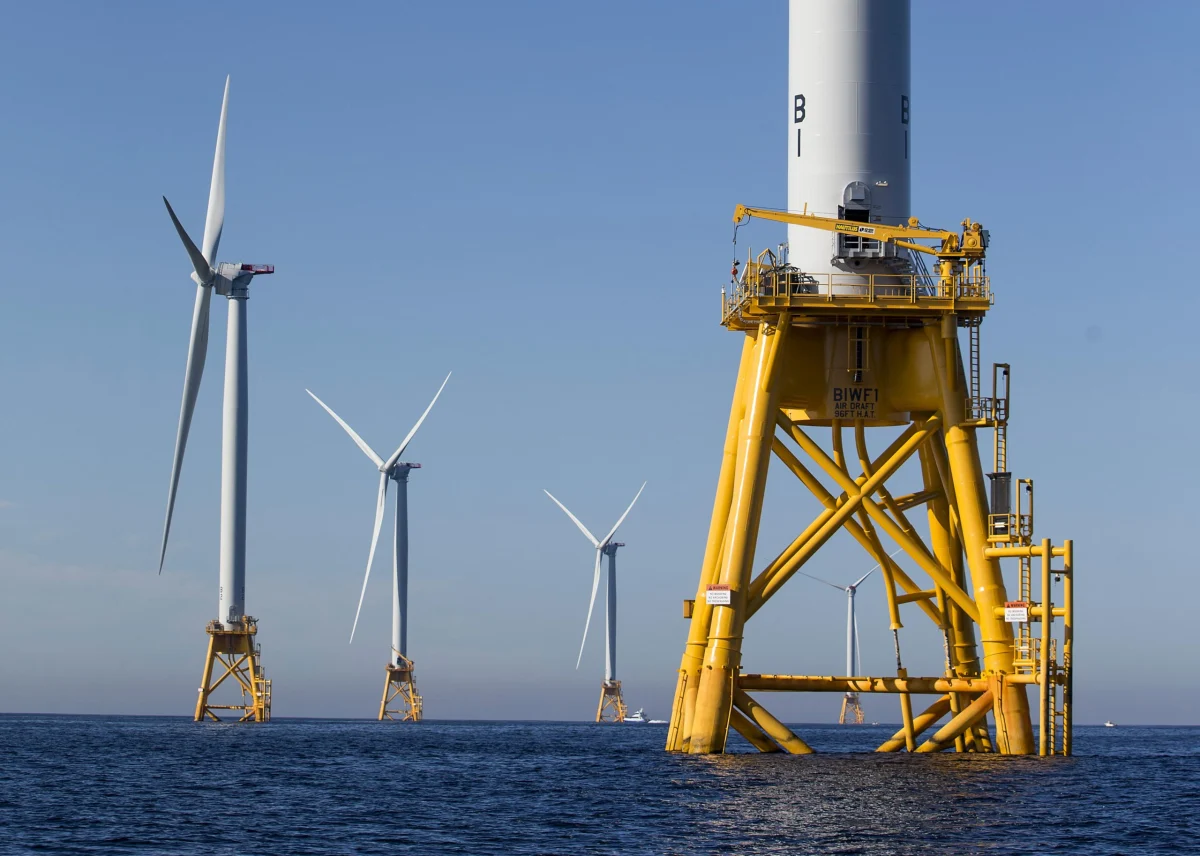
In a significant move reshaping America’s energy landscape, the federal government has committed an additional $1.2 billion to cancel an offshore wind lease, this time involving the German energy giant RWE. This latest agreement contributes to a cumulative expenditure of nearly $4 billion by the administration to discontinue a total of 12 planned offshore wind projects, marking a pronounced shift away from renewable energy initiatives toward a more fossil-fuel-centric approach.
The Rationale Behind the RWE Settlement
The recent settlement with RWE centered on a portfolio of proposed wind farms slated for development off the coasts of California, Louisiana, and New York. Among these, the New York project alone was projected to generate over 3 gigawatts of electricity, a substantial capacity capable of powering millions of homes and significantly contributing to regional clean energy targets. Instead of pursuing these wind projects, RWE is now directing its capital into alternative energy ventures within the United States. Approximately $900 million of the settlement funds will be used to acquire a minority stake in a liquid natural gas (LNG) export terminal located in Louisiana, signaling a pivot towards increased fossil fuel infrastructure. The remaining $300 million is earmarked for the procurement of natural gas turbines, intended to power 15 peaking power plants across the nation.
Peaking power plants are designed to operate during periods of high electricity demand, filling gaps when baseload power sources are insufficient. While critical for grid stability, these plants are typically among the most expensive and least efficient natural gas facilities to run, often characterized by higher emissions per unit of energy produced due to their intermittent operation. The timeline for their completion remains uncertain, exacerbated by a reported backlog in turbine manufacturing that could extend into the early 2030s, highlighting potential challenges in rapidly expanding this segment of the energy infrastructure.
A Broader Context of U.S. Offshore Wind Development
The narrative of offshore wind in the United States has been one of ambition tempered by significant hurdles. Globally, nations like the United Kingdom, Germany, and China have aggressively pursued offshore wind, recognizing its immense potential for large-scale, consistent renewable energy generation. The U.S., with its vast coastlines, possesses an estimated 2,000 gigawatts of offshore wind potential, yet its actual installed capacity has lagged considerably.
Early attempts at U.S. offshore wind, such as the proposed Cape Wind project off Massachusetts, faced protracted legal battles, environmental opposition, and local resistance, ultimately leading to its cancellation. Despite these early setbacks, the Obama administration laid groundwork for federal leasing processes through the Bureau of Ocean Energy Management (BOEM), identifying Wind Energy Areas (WEAs) and conducting initial lease auctions. The subsequent Biden administration further accelerated these efforts, setting ambitious targets to deploy 30 gigawatts of offshore wind capacity by 2030, envisioning a future where thousands of turbines dot the nation’s coastlines, creating jobs and reducing carbon emissions.
This vision, however, starkly contrasts with the recent policy decisions. The current administration’s strategy of compensating developers to relinquish their offshore wind leases introduces a layer of complexity and uncertainty into what was previously seen as a growing sector. The almost $4 billion spent to cancel 12 leases represents not just a financial transaction but a strategic redirection of national energy priorities.
The Economic and Environmental Ramifications of Policy Shifts
The decision to allocate billions towards canceling renewable energy projects while simultaneously investing in fossil fuel infrastructure carries significant economic and environmental implications. From an economic standpoint, the cancellation payments, while providing financial compensation to developers like RWE, represent a sunk cost in terms of clean energy development. These funds could have potentially been invested in accelerating domestic manufacturing for wind turbine components, bolstering port infrastructure, or funding workforce training programs for the burgeoning offshore wind industry.
Instead, the shift towards natural gas facilities, particularly peaking plants, brings a different set of economic considerations. While natural gas is often touted as a "bridge fuel" in the energy transition due to its lower carbon emissions compared to coal, its continued expansion locks in fossil fuel infrastructure for decades. The reliance on peaking plants, which are less efficient and more costly to operate than baseload natural gas plants, could translate to higher electricity costs for consumers during peak demand periods. Moreover, the global supply chain challenges for new gas turbines underscore the inherent risks and delays associated with rapid expansion in any energy sector.
Environmentally, the impact is more direct. The 3 gigawatts alone from the New York project would have offset millions of tons of carbon dioxide emissions annually, contributing significantly to climate change mitigation efforts. Replacing this clean energy potential with natural gas-fired plants, even with modern turbines, means continued emissions of greenhouse gases and other pollutants. This policy direction runs counter to global scientific consensus on the urgent need to decarbonize energy systems to limit global warming. While proponents of natural gas emphasize its role in grid reliability, particularly as renewable penetration increases, critics argue that this approach delays a necessary and more rapid transition to entirely renewable sources complemented by energy storage solutions.
Market Signals and Investor Confidence
The U.S. energy market is highly sensitive to policy signals, and the actions taken by the administration send a clear message to both domestic and international investors. The willingness to pay billions to halt clean energy projects can deter future investments in the renewable sector, as developers seek stable and predictable regulatory environments. Project cancellations introduce regulatory risk, making it harder to secure financing and plan long-term development. This uncertainty could push investors towards markets with more consistent and supportive policies for renewables, such as those found in Europe or parts of Asia.
Conversely, the investment in LNG export terminals and natural gas peaking plants signals federal support for the fossil fuel industry. While this may attract capital to these sectors, it also potentially creates a bifurcated energy market, where renewable energy development faces systemic hurdles while fossil fuels receive governmental backing. This duality can complicate the nation’s ability to meet both its energy security needs and its environmental commitments.
It is noteworthy that RWE, despite agreeing to these cancellations in the U.S., has not retreated from its global offshore wind strategy. The company recently secured 6.9 gigawatts of capacity in the United Kingdom’s latest auction, underscoring its continued commitment to renewable energy in regions where policy frameworks are more consistently supportive. This contrast highlights the role of governmental policy in shaping investment decisions and influencing the pace of energy transition.
Looking Ahead: Policy and Investment Challenges
The path forward for U.S. energy policy remains fraught with challenges. The current administration’s approach has undeniably created headwinds for the offshore wind industry, which requires substantial upfront capital and long-term regulatory certainty to thrive. Future administrations will face the task of either reversing course, potentially reigniting clean energy initiatives, or continuing the trajectory towards increased fossil fuel reliance.
The debate over the optimal energy mix for the United States is multifaceted, encompassing considerations of energy security, economic competitiveness, environmental sustainability, and technological innovation. While natural gas offers a reliable source of power and a domestic resource, the long-term imperative to address climate change necessitates a sustained and accelerated transition to cleaner energy sources. The billions spent to cancel offshore wind leases represent a tangible cost of this policy divergence, with implications that will resonate across the energy sector, the economy, and the environment for years to come. The ultimate legacy of these decisions will be judged not just by the immediate financial transactions, but by their lasting impact on America’s energy future and its role in the global fight against climate change.