Amir Mahmud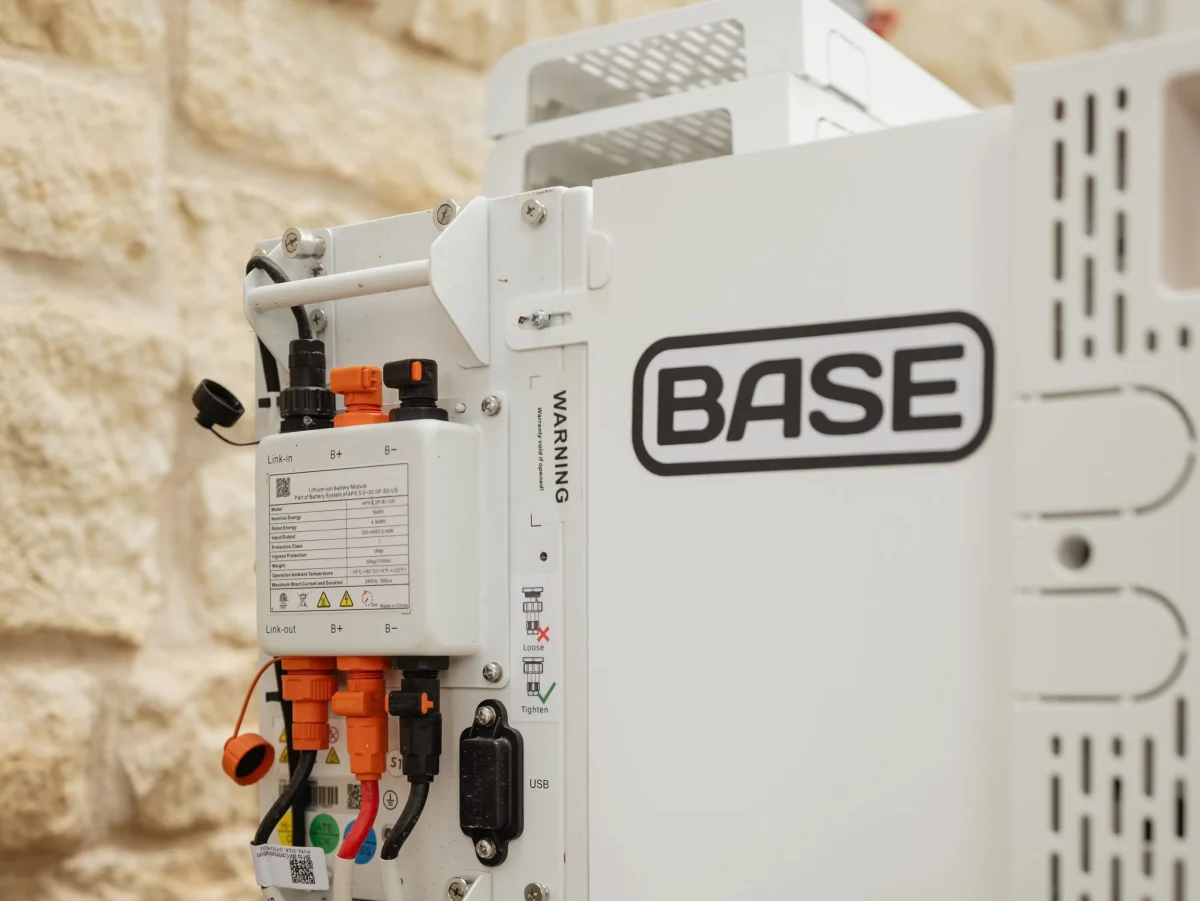
A significant financial injection has propelled Base Power into the spotlight, as the energy storage startup recently announced a substantial $1 billion Series D funding round. This latest capital infusion, arriving less than a year after its previous billion-dollar raise, underscores the burgeoning investor confidence in the company’s distinctive strategy: decentralizing grid infrastructure by deploying advanced battery systems directly within residential settings. The funding round elevates Base Power’s post-money valuation to an impressive $13 billion, marking a pivotal moment in the ongoing evolution of the nation’s energy landscape.
The Decentralized Vision: A New Grid Paradigm
Traditionally, electrical grids have been designed around a centralized model, where large power plants generate electricity and transmit it over vast distances to consumers. This architecture, while robust for much of the 20th century, is increasingly facing challenges in the 21st. Issues ranging from aging infrastructure and growing demand to the increasing frequency of extreme weather events and the integration of intermittent renewable energy sources have highlighted the vulnerabilities of a monolithic grid.
Base Power’s vision directly addresses these vulnerabilities by championing a decentralized approach. Instead of focusing on utility-scale battery installations that require extensive land and major grid interconnections, the company is betting on the aggregate power of individual home batteries. This strategy leverages distributed energy resources (DERs) to create a more resilient, responsive, and efficient grid. Proponents of this model argue that by scattering storage capacity across thousands or millions of homes, the system becomes inherently more resistant to large-scale failures, as a localized outage would not cascade across an entire region. Moreover, these distributed batteries can provide localized grid services, such as demand response and voltage support, more effectively than centralized systems.
Historic Grid Strains and the Rise of Distributed Energy
The U.S. electrical grid, a marvel of engineering that powered decades of economic growth, saw significant expansion in the mid-20th century. However, after a period of relative stagnation in infrastructure investment, it is now contending with unprecedented demands. The rapid pace of economy-wide electrification—from electric vehicles to heat pumps—and the explosive growth of energy-intensive artificial intelligence data centers are driving electricity consumption to new highs. This surge has strained the grid in numerous locations, with the PJM Interconnection, which manages the electric grid in 13 states and the District of Columbia, frequently cited as experiencing significant pressure due to its high concentration of data centers. Portions of Illinois, a key operational market for Base Power, fall within PJM’s territory, making the need for innovative solutions particularly acute.
Historically, energy storage largely consisted of pumped-hydro facilities, massive infrastructure projects that store energy by moving water between reservoirs at different elevations. While effective, their geographic requirements and environmental impact limit their scalability. The advent of modern battery technology, particularly lithium-ion, has revolutionized the potential for energy storage. Initially finding applications in portable electronics and electric vehicles, these batteries have matured to a point where they are viable for grid-scale and residential use. Companies like Tesla and LG Chem pioneered the residential battery market, but Base Power’s unique subscription model aims to make this technology accessible to a broader demographic, accelerating the transition from passive energy consumption to active participation in the energy market, often termed the "prosumer" model.
Base Power’s Innovative Model and Rapid Expansion
A cornerstone of Base Power’s strategy is its innovative subscription-based business model, which dramatically lowers the barrier to entry for homeowners. Unlike many home battery installers that require significant upfront capital outlays, Base Power offers its devices with a comparatively modest installation fee and a recurring monthly charge. For instance, in the Houston area, customers pay approximately $695 for single battery installation, followed by a $19 monthly fee and an electricity rate of about 13.1 cents per kilowatt-hour, which is competitive with prevailing local rates. This approach makes advanced home energy storage financially attainable for a wider segment of the population, fostering broader adoption.
The company retains ownership of the batteries, which enables it to participate directly in energy markets. During periods of high demand on the grid, when electricity prices typically spike, Base Power can discharge the stored energy from its network of residential batteries back into the grid, generating substantial revenue. This capability provides a dual benefit: it offers a financial incentive for Base Power while simultaneously helping to stabilize the grid by mitigating peak demand events.
The effectiveness of this model is reflected in Base Power’s remarkable growth trajectory. Over the past few years, the company has installed more than 500 megawatt-hours of storage capacity. Currently, Base Power is deploying approximately 100 batteries per day, translating to about 8 megawatt-hours of storage installed daily. With ambitious plans to double this daily installation rate by the end of the year, the company is rapidly scaling its distributed network across its operational states of Texas and Illinois, demonstrating the viability and demand for its service.
The Base Core: Enhancing Residential Storage Capacity
Concurrent with its latest funding announcement, Base Power also unveiled an upgraded iteration of its home battery system, dubbed Base Core. This new device, proudly manufactured at the company’s facility in Austin, Texas, boasts a significant storage capacity of 39.2 kilowatt-hours (kWh). This figure positions the Base Core as a leader in residential energy storage, offering substantially more capacity than many competing products on the market. Customers have the flexibility to choose between installing one or two Base Core units, depending on their energy needs and desired level of backup power.
The enhanced capacity of the Base Core is a critical differentiator. A single 39.2 kWh battery can provide backup power for a typical home for a day or more, offering peace of mind during grid outages caused by severe weather, equipment failures, or other disruptions. This extended resilience is particularly valuable in regions prone to such events, giving homeowners greater control over their energy supply. The development and manufacturing of such high-capacity units domestically also speak to broader trends in supply chain localization and technological advancement in battery density and efficiency, which are crucial for meeting escalating energy demands without compromising reliability.
Economic and Societal Repercussions
The proliferation of distributed energy resources like those offered by Base Power carries significant economic and societal implications. From a market perspective, it introduces a dynamic competitive element into the energy sector, potentially challenging the traditional monopoly of large utility providers. While utilities might view this as a disruptive force, many are also exploring partnerships with DER providers to leverage these assets for grid stability and efficiency. The ability of Base Power to sell stored electricity back to the grid during peak demand can reduce wholesale electricity prices and alleviate the need for expensive "peaker" plants, which are typically less efficient and more polluting.
Socially, the adoption of home battery systems offers homeowners an unprecedented degree of energy independence and resilience. In an era where climate change contributes to more frequent and intense weather events, the ability to power one’s home during an extended blackout is invaluable, preventing financial losses from spoiled food, missed work, and the general disruption to daily life. The subscription model also makes this resilience accessible to a broader economic spectrum, fostering greater equity in energy access. Culturally, there’s a growing movement towards energy consciousness, with consumers increasingly interested in understanding and managing their energy consumption, reducing their carbon footprint, and becoming active "prosumers." This shift is also intertwined with the broader adoption of smart home technologies and a desire for greater control over one’s living environment. Furthermore, the expansion of manufacturing and installation operations, as seen with Base Power’s Austin factory, can stimulate job creation and local economic growth.
Navigating the Evolving Energy Landscape
Base Power’s operational strategy adeptly navigates the complex and varied regulatory landscape of the U.S. energy market. In deregulated markets, such as much of Texas, the company operates by directly engaging with homeowners and participating in competitive electricity markets, capitalizing on price fluctuations by buying low and selling high. This model empowers homeowners with choices beyond traditional utility offerings.
In contrast, within regulated markets, Base Power collaborates closely with established utilities. In these scenarios, the company positions its residential batteries strategically to alleviate localized strain on the grid, essentially acting as a virtual power plant. By deploying batteries in specific neighborhoods or feeder lines experiencing high demand or congestion, Base Power can defer or even avoid the need for costly infrastructure upgrades by the utility. This partnership model demonstrates a pragmatic approach to grid modernization, showing that DERs can be a complementary asset rather than purely a disruptive force.
However, scaling such a model across diverse regulatory frameworks presents significant challenges. Each state and even different utility territories within a state may have unique rules regarding grid interconnection, energy market participation, and customer compensation. The logistical complexity of installing and managing thousands of distributed batteries, along with ensuring their interoperability and cybersecurity within a vast, interconnected grid, requires sophisticated technological solutions and operational expertise. Furthermore, the role of government incentives, such as federal tax credits or state-level rebates, plays a crucial role in accelerating consumer adoption and making these technologies economically viable for both the company and its customers. Energy analysts widely agree that forging new, collaborative relationships between DER providers and traditional utilities is paramount for achieving a truly modernized, resilient, and decarbonized grid.
The Road Ahead: Challenges and Opportunities
The substantial capital raised by Base Power signals not only investor confidence but also the immense opportunities that lie ahead in the energy transition. The company’s immediate challenge will be to execute its ambitious growth plans, including doubling its daily installation rate. This will require efficient supply chain management, particularly for battery components, robust logistics for widespread deployment, and continuous innovation in its software platform to manage a burgeoning network of distributed assets. Maintaining high customer satisfaction while rapidly scaling operations will also be critical.
Beyond operational scaling, Base Power faces the ongoing task of navigating evolving energy policies and regulatory frameworks, which can shift based on political and economic priorities. Competition in the home energy storage market is also intensifying, with both established players and new entrants vying for market share.
Nevertheless, the opportunities are equally vast. Base Power could expand its operations into additional states and regions facing similar grid strains and high electricity demand. The integration of its battery systems with residential solar photovoltaic installations presents a natural synergy, creating truly self-sufficient homes and further reducing reliance on the central grid. Future innovations might also include vehicle-to-grid (V2G) capabilities, where electric vehicles could also serve as mobile energy storage units. Ultimately, Base Power’s strategy aligns with the broader global imperative to build a more resilient, decentralized, and sustainable energy system, positioning it as a potentially critical player in shaping the future of power. The $1 billion investment is not merely a financial transaction; it is a profound vote of confidence in a vision for a transformed energy future.