Amir Mahmud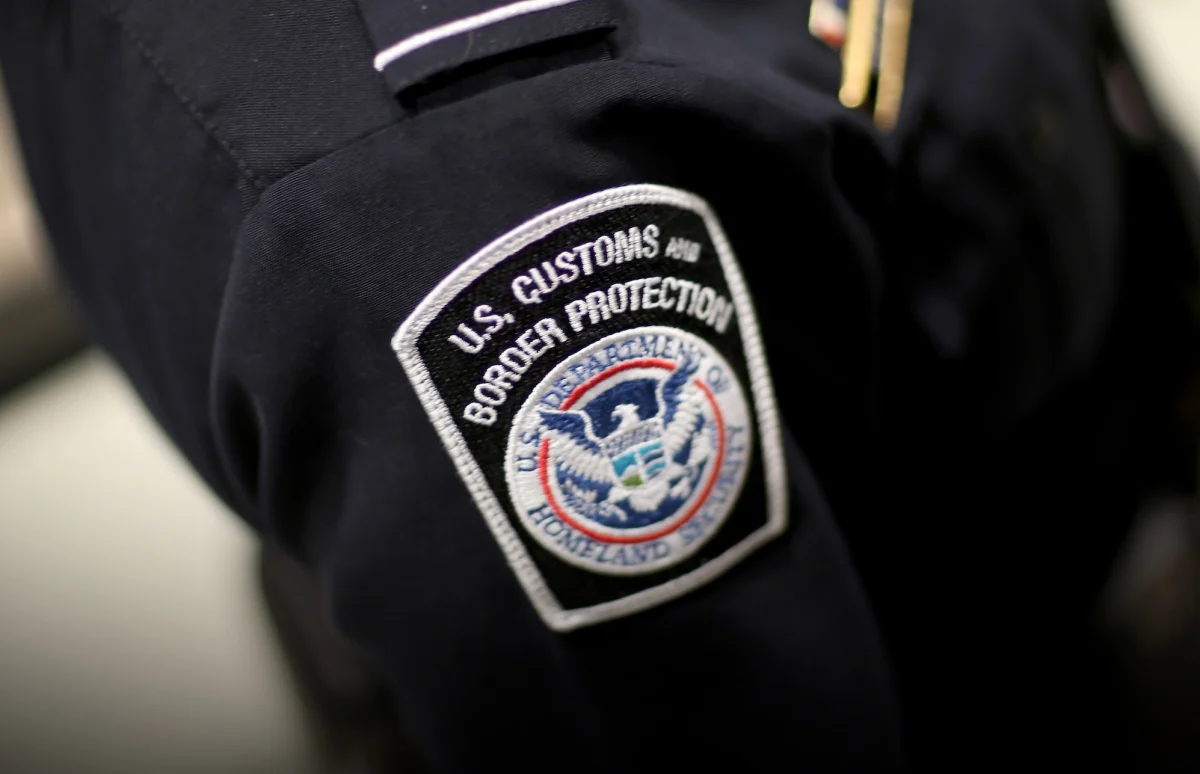
A groundbreaking legal battle is unfolding in a U.S. federal court, where the Department of Justice is prosecuting an American citizen for allegedly utilizing a unique software feature — a "duress password" — to erase the contents of his smartphone during a border inspection. This prosecution marks a significant moment, believed to be the first instance in the United States where federal authorities have pursued charges against an individual for deliberately destroying digital data using such an integrated security mechanism. The case thrusts the contentious issue of digital privacy versus governmental authority at international entry points into the national spotlight, prompting intense debate among legal scholars, civil liberties advocates, and technology experts.
The Anatomy of a Digital Defense: GrapheneOS and Duress Passwords
At the heart of this unprecedented case lies a custom Android operating system known as GrapheneOS, which was reportedly running on the defendant Samuel Tunick’s device. GrapheneOS is an open-source, privacy- and security-hardened variant of Android, designed to enhance user control over data and mitigate surveillance risks. It replaces the standard Android software on select Google Pixel devices, offering advanced features like robust sandboxing, improved permission controls, and, critically, the "duress password" functionality.
This particular feature allows a user to pre-set a secondary, specific passcode. When this duress password is entered into the device, it triggers a pre-configured action, most notably the complete and irreversible wiping of all user data and system settings, effectively restoring the phone to its factory state. The primary purpose of such a feature is to provide a "kill switch" in situations where a user might be coerced or compelled to unlock their device against their will, offering a last line of defense against unwanted access to sensitive information. This technology reflects a growing demand for advanced digital self-defense tools, particularly among individuals who may be at higher risk of digital surveillance or forced device access, such as journalists, activists, and human rights defenders. The development and adoption of such features underscore a broader societal trend towards greater digital autonomy and the protection of personal data in an increasingly interconnected and surveilled world.
A Borderline Battle: Constitutional Rights at the Threshold
The legal skirmish surrounding Tunick’s case reignites long-standing questions about the scope of constitutional rights at U.S. borders. For decades, the U.S. government has maintained that individuals at ports of entry are subject to a diminished expectation of privacy under what is known as the "border search exception." This doctrine traditionally permits border agents to conduct searches of persons, luggage, and vehicles without a warrant or probable cause, based on the government’s inherent sovereign right to protect its borders. Historically, this exception primarily applied to physical searches.
However, the advent of digital devices has complicated this legal landscape considerably. As smartphones became repositories of vast amounts of personal and sensitive information, courts began grappling with how to apply Fourth Amendment protections against unreasonable searches and seizures to digital data. Landmark Supreme Court cases, such as Riley v. California (2014), established that police generally need a warrant to search a cell phone seized during an arrest. Yet, the border search exception has consistently been invoked by U.S. Customs and Border Protection (CBP) to justify warrantless searches of electronic devices at the border, arguing that the unique circumstances of international entry outweigh the individual’s privacy interests. Data released over the past decade has shown a steady increase in the number of device searches conducted by CBP, prompting significant concern from civil liberties organizations.
Tunick’s attorneys contend that the initial detention and seizure of his phone at Atlanta’s Hartsfield-Jackson airport, upon his return from overseas, was unlawful. They argue that border authorities denied Tunick access to legal counsel and failed to inform him of his rights, thereby violating established legal protocols. The defense further alleges that agents initially demanded access to Tunick’s phone under the pretext of searching for child exploitation imagery, but without presenting any evidence to substantiate such a suspicion. Instead, the defense claims, the true motivation was an investigation into Tunick’s association with "Defend the Atlanta Forest," an environmental movement protesting the construction of a large law enforcement training facility known as "Cop City." This alleged pretextual search, if proven, could undermine the government’s entire case, as any evidence derived from an unlawful seizure would typically be inadmissible in court under the "fruit of the poisonous tree" doctrine.
The government’s position, as historically asserted, is that the border is not considered U.S. soil for the purposes of full constitutional protections until an individual is formally authorized to enter the country. This distinction forms the bedrock of their claim that warrants are not necessary for device searches at these points. However, critics argue that such broad authority disproportionately impacts individuals, allowing for intrusive searches of highly personal digital information without sufficient oversight or justification. The ongoing legal debate highlights a critical tension: how to balance national security imperatives with fundamental individual liberties in the digital age, especially when the lines between physical and digital "property" are increasingly blurred.
The Charges and the Defense: Unpacking the Legal Strategy
Following the alleged data wipe, prosecutors charged Samuel Tunick under a federal statute, 18 U.S.C. § 2232, which criminalizes the knowing destruction or damage of property to prevent its seizure by authorities. Tunick has pleaded not guilty to these charges. Legal experts note that the application of this particular statute in the context of a "duress password" data wipe during a border search is highly unusual. Matthew Dodge, an assistant federal public defender on Tunick’s legal team, remarked on the rarity of seeing this specific federal statute invoked in such an indictment. This novel application underscores the government’s determination to challenge the use of privacy-enhancing technologies that frustrate law enforcement efforts.
Tunick’s defense team has filed a comprehensive motion to suppress the evidence against him. Their central argument hinges on the assertion that his detention and the seizure of his electronic device were unlawful from the outset. They claim that during his secondary inspection at the airport, Tunick was repeatedly denied access to an attorney, a right typically afforded to individuals facing questioning by law enforcement. Furthermore, they allege that he was not adequately informed of his legal rights, raising concerns about due process. The defense’s strategy is to argue that if the initial actions by border agents were unconstitutional or violated established procedure, then any subsequent "evidence" — including the alleged wiping of the phone and the fact that it was running GrapheneOS — should be deemed inadmissible.
This case has resonated deeply within various social and cultural spheres. Civil liberties organizations view it as a critical test of digital privacy rights at the border, fearing that a conviction could set a dangerous precedent that erodes individual protections. Environmental activists and other protest movements are closely watching, concerned about the implications for their ability to protect sensitive communications and data from government surveillance. The "Cop City" controversy itself is a high-profile example of local activism clashing with state authority, and the perceived targeting of an activist’s device at the border amplifies anxieties about government overreach and the weaponization of border search powers. The outcome of Tunick’s motion to suppress will be a pivotal moment, potentially determining whether the court accepts the defense’s arguments regarding the unlawfulness of the initial seizure and, by extension, the admissibility of the evidence.
Precedent and Protection: Implications for Digital Privacy
The Samuel Tunick case carries significant implications, potentially shaping future legal interpretations of digital rights at the border and influencing the design and use of privacy-enhancing technologies. Should the prosecution succeed, it could establish a precedent that criminalizes the use of duress passwords and similar data-wiping features, effectively chilling their adoption by individuals seeking to protect their digital privacy. This could lead to a re-evaluation of security features by software developers, who might face pressure to reconsider or modify functionalities that can be interpreted as obstructing law enforcement.
Security experts and digital rights advocates have been quick to weigh in, highlighting the broader ramifications. Runa Sandvik, a digital security expert who advises at-risk individuals, noted that while she had discussed the theoretical scenario of duress password prosecution with activists and journalists for years, she had not seen a case brought forward in this manner until now. She emphasized that the case serves as a stark reminder that authorities may interpret data destruction as a knowing obstruction, advising individuals to minimize sensitive data on devices when crossing international borders. Bill Buddington, a senior staff technologist at the Electronic Frontier Foundation (EFF), echoed these sentiments, underscoring the novel nature of the charges.
The advice from these experts points to a growing trend of "digital hygiene" for international travel. This includes practices such as performing a "digital detox" by backing up sensitive data to secure cloud storage before traveling, bringing "burner" phones or "travel phones" with minimal data, or even wiping devices clean before crossing borders and restoring data once safely at the destination. Organizations like the Electronic Frontier Foundation actively publish guides detailing how to protect data and understand one’s rights at U.S. borders, reflecting the increasing need for public education on these complex issues.
This legal battle forces a crucial re-evaluation of how societies balance the imperatives of national security with fundamental individual liberties in an era defined by ubiquitous digital connectivity. The outcome of Tunick’s case will not only determine his fate but could also set a powerful precedent for how the U.S. government views and prosecutes the use of privacy tools, potentially impacting countless travelers who value their digital autonomy. It underscores the ongoing tension between technological advancement, individual privacy, and governmental authority, a tension that will undoubtedly continue to play out in courtrooms and legislative chambers for years to come.
The Atlanta federal court overseeing the case is expected to issue a ruling on Tunick’s motion to suppress later this year. The U.S. Justice Department has refrained from commenting on the ongoing litigation, maintaining its standard practice for active cases. As the legal proceedings unfold, the world watches to see how American jurisprudence will navigate the intricate intersection of digital self-defense, border security, and constitutional rights in the 21st century.