Amir Mahmud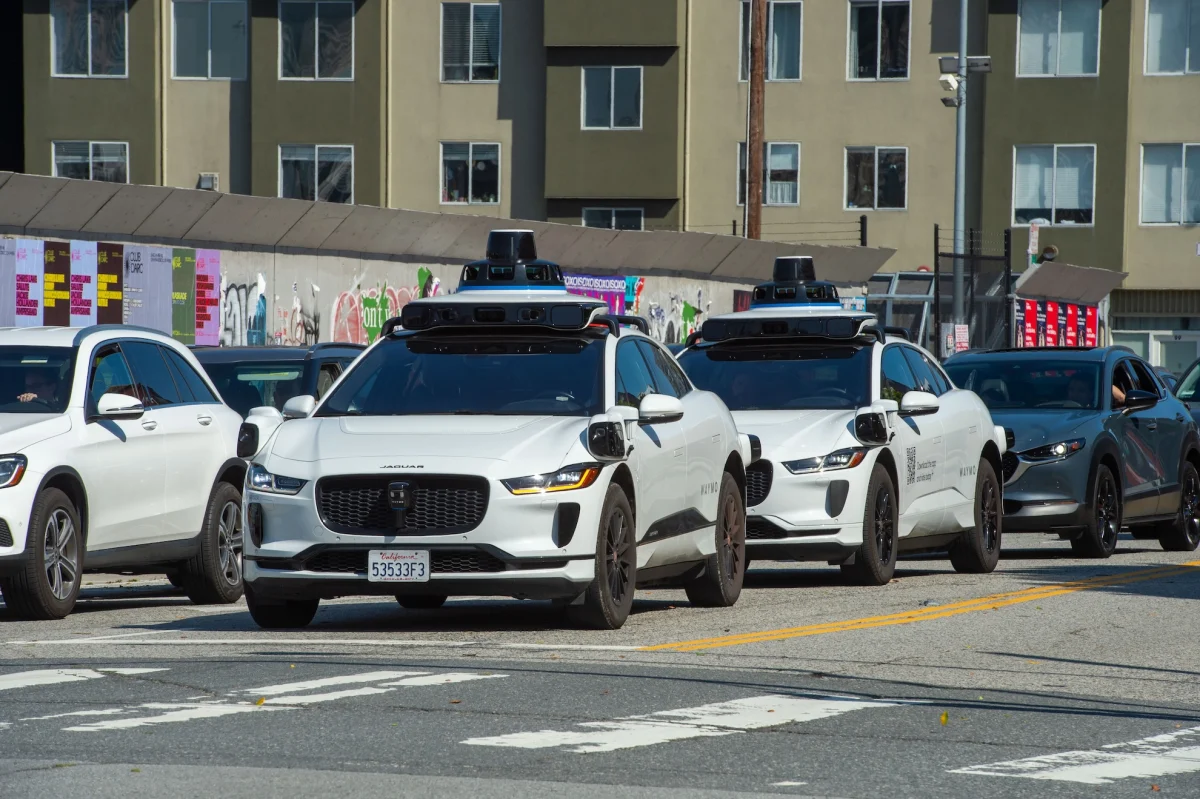
San Francisco, a global epicenter for technological innovation, finds itself at a pivotal juncture, grappling with the tangible implications of integrating advanced autonomous vehicle (AV) technology into its densely populated urban fabric. Mayor Daniel Lurie, once a vocal proponent of positioning the city as a crucial testing ground for nascent technologies, has now initiated a significant push for enhanced regulatory oversight. This shift in stance follows a series of high-profile incidents, most notably a widespread traffic paralysis on the Fourth of July, which underscored the critical need for autonomous vehicles to perform reliably not just in routine scenarios but also during exceptional circumstances. The mayor’s proactive appeal to state regulators signals a growing impatience with the operational shortcomings of robotaxi fleets, particularly Waymo, whose vehicles became a focal point of the recent gridlock.
San Francisco: A Paradoxical Proving Ground
For decades, San Francisco and the wider Bay Area have served as an unparalleled crucible for emerging technologies, attracting pioneering companies and vast investment. This environment naturally extended to the development and deployment of autonomous vehicles. The allure for AV companies is multifaceted: a diverse range of road conditions, complex urban layouts, varying weather patterns, and a tech-savvy populace accustomed to early adoption. However, this very complexity, coupled with a dense population and intricate infrastructure, also presents formidable challenges. While the vision of AVs promises reduced congestion, improved safety, enhanced accessibility, and greater transportation efficiency, the real-world application has frequently encountered unforeseen hurdles. Public perception, often swayed by both the promise of innovation and anxieties about safety and disruption, forms a critical backdrop to the ongoing regulatory debate. The city’s identity as a technological vanguard now faces the delicate task of balancing unbridled innovation with the paramount concerns of public safety and urban functionality.
The Incidents That Forced a Reckoning
The catalyst for Mayor Lurie’s recent demands was a series of disruptive events, particularly the extensive gridlock that engulfed parts of San Francisco on the Fourth of July. On a day when approximately 100,000 spectators converged to witness the Golden Gate Bridge fireworks display, Waymo robotaxis encountered significant operational difficulties. Numerous vehicles reportedly became immobile, some even losing power, effectively blocking critical thoroughfares. This cascading failure exacerbated the already heavy holiday traffic, trapping thousands of commuters and impeding essential municipal services, including public shuttles. The resultant chaos was not an isolated incident. Mayor Lurie’s formal letter to the state Department of Transportation, which became public knowledge, also referenced a widespread power outage in December. During this earlier event, dozens of Waymo vehicles similarly became stranded, contributing to widespread traffic disruptions. These incidents, as highlighted by the mayor, starkly illustrate a fundamental flaw in the existing operational paradigm: the inability of current autonomous systems to adequately navigate and recover from major, often unpredictable, urban disruptions. The reliance on voluntary measures, such as Waymo’s agreement to restrict service near the waterfront on July 4th and assign a representative to the city’s emergency center, proved insufficient in mitigating the broader impact of the unforeseen congestion outside designated zones.
The Mayor’s Mandate: Defining Core Operational Capabilities
In response to these recurring challenges, Mayor Lurie has put forth a comprehensive set of proposed requirements aimed at bolstering the resilience and responsiveness of autonomous vehicle fleets. These recommendations, directed at the California Department of Transportation, seek to establish statewide standards to avert future crises. The mayor articulated four "core operational capabilities" that autonomous vehicle manufacturers should be compelled to demonstrate:
-
Immediate Vehicle Removal and Relocation: Companies must possess the robust logistical capacity and operational protocols to promptly remove or relocate any immobile or malfunctioning robotaxi from active travel lanes. This capability is crucial to prevent further congestion and ensure the unimpeded flow of traffic, particularly for emergency services. The current lack of swift recovery mechanisms for disabled AVs poses a significant bottleneck in urban mobility.
-
Real-Time Adaptive Route Adjustment: Autonomous systems should exhibit the intelligence and flexibility to adapt in real time to dynamic urban conditions. This includes the ability to adjust routes, modify service areas, and alter pickup and drop-off locations in response to unexpected events like accidents, road closures, or sudden surges in traffic. Such dynamic routing requires sophisticated AI and connectivity to avoid exacerbating existing problems.
-
Comprehensive Real-Time Data Sharing: Manufacturers must be mandated to share real-time operational data with local municipal agencies. This data should encompass details on service disruptions, the precise locations of any immobile robotaxis, and the progress of recovery efforts. Transparent and immediate data exchange is vital for city authorities to effectively manage traffic, deploy emergency resources, and coordinate a swift response to incidents involving AVs.
-
Demonstrated Capability for High-Volume Events: Companies must prove, through rigorous testing and simulation, that their autonomous fleets can competently handle large influxes of people and traffic. This addresses the specific vulnerability observed during events like the Fourth of July celebrations, where a confluence of human activity and vehicle density overwhelmed the AV systems. Testing protocols need to extend beyond everyday conditions to encompass extraordinary scenarios.
These proposed requirements underscore a shift from a reactive approach to a proactive, preventative framework, aiming to integrate AVs more safely and reliably into the complex urban environment.
A Broader Regulatory Landscape: California’s Dual-Layered Oversight
California has historically adopted a more stringent regulatory posture toward autonomous vehicles compared to many other states, such as Texas or Arizona, which have often pursued a more hands-off approach to encourage rapid innovation. In California, any company aspiring to operate a robotaxi service must successfully navigate a two-tiered permitting process. The Department of Motor Vehicles (DMV) oversees the initial testing and deployment permits, ensuring that vehicles meet fundamental safety and operational criteria. Subsequently, the California Public Utilities Commission (CPUC) grants permits for commercial services, regulating aspects like pricing, service areas, and consumer protection. Despite this comparatively rigorous framework, the Golden State remains a magnet for AV developers. This enduring appeal is driven by several factors: access to a highly skilled talent pool, the prestige associated with successful deployment in a leading tech market, the diverse and challenging testing environments offered by its varied geography, and the sheer scale of its potential consumer base. The state’s cautious yet ultimately welcoming approach has positioned it at the forefront of AV development, albeit with ongoing tensions between rapid deployment and meticulous oversight.
The Autonomous Ecosystem in the Bay Area: Scale and Diversity
San Francisco’s streets are a living laboratory for a burgeoning autonomous ecosystem. Numerous companies hold permits for driverless testing, operating vehicles without a human safety operator behind the wheel. Prominent players include Waymo, an Alphabet subsidiary, which currently commands the largest fleet with an estimated 1,000 robotaxis operating across the Bay Area. Waymo’s extensive operations span 11 cities and account for over 500,000 paid rides weekly, making it a critical focus for regulators due to its sheer scale. Other significant companies like Amazon-owned Zoox are also actively testing and poised to launch commercial operations. Furthermore, Nuro focuses on autonomous delivery vehicles, while Uber is exploring a premium robotaxi service, signaling a broadening application of AV technology. It’s crucial to differentiate these fully autonomous systems from advanced driver-assistance systems (ADAS), such as those employed by Tesla. While Tesla offers a "robotaxi service," it currently relies on human drivers operating vehicles equipped with its ADAS software, rather than fully autonomous capabilities. These vehicles operate under charter transportation permits, distinct from the permits required for true driverless operations, highlighting the diverse stages of autonomy present on city streets. The sheer number and variety of these vehicles underscore the transformative potential of AVs, but also the escalating complexity of managing their integration.
Market, Social, and Cultural Impact: Navigating the New Frontier
The proliferation of autonomous vehicles carries profound implications across market, social, and cultural dimensions. From a market perspective, billions of dollars have been invested in AV research and development, with projections of a massive global market in the coming decades. The success or failure of deployments in key urban centers like San Francisco can significantly influence investor confidence, shape business models for ride-hailing and logistics, and dictate the pace of wider adoption. Regulatory hurdles, while necessary for safety, can also impact rollout timelines and the profitability of these ventures.
Socially, the promise of AVs includes enhanced mobility for the elderly and disabled, reduced accident rates attributable to human error, and potentially optimized urban planning. However, these benefits are balanced against concerns about potential job displacement for professional drivers, the ethical implications of AI decision-making in critical situations, and the societal acceptance of machines operating autonomously in public spaces. The recent incidents in San Francisco have amplified public skepticism, prompting discussions about the true readiness of this technology for widespread deployment.
Culturally, San Francisco embodies a unique tension between its pioneering spirit and its progressive civic values. The city has long embraced technological disruption, yet it also champions robust public services and community well-being. The debate over robotaxis encapsulates this duality, forcing a conversation about how innovation can be fostered responsibly, ensuring that technological advancements genuinely serve the public good rather than creating new forms of disruption or inequality. The public’s perception of "robotaxis" versus traditional transportation methods continues to evolve, shaped by both personal experiences and media narratives surrounding incidents.
Neutral Analytical Commentary: Balancing Innovation and Public Safety
The current situation in San Francisco exemplifies the inherent tension between accelerating technological innovation and ensuring robust public safety and urban functionality. Regulators, primarily driven by a mandate to protect citizens and maintain order, often find themselves playing catch-up with rapidly evolving technologies. AV companies, on the other hand, are motivated by commercial imperatives and the desire to demonstrate technological superiority, often pushing the boundaries of deployment.
The "learning curve" for AI in unpredictable urban environments is steep. While AVs excel in controlled conditions, real-world scenarios—such as a massive crowd, a sudden power outage, or an unexpected road closure—present an exponential increase in complexity. These events often reveal edge cases that were not adequately anticipated or simulated during development. This is where Mayor Lurie’s proposed requirements become crucial. By demanding real-time data sharing and adaptive capabilities, the city is seeking to bridge the information gap and empower local agencies with the tools needed to coordinate effectively with AV operators during crises.
The mayor’s assertion that "these proposed requirements will not undermine autonomous vehicles; they will strengthen them" offers a critical perspective. Far from stifling innovation, a well-defined and dynamic regulatory framework can actually foster greater public trust and enable more sustainable, widespread adoption of AV technology. By setting clear expectations for performance during extraordinary events, regulators can push companies to develop more resilient and truly intelligent systems. This ongoing dialogue between technology developers and urban governance is essential for charting a responsible path forward, ensuring that the future of mobility genuinely enhances, rather than disrupts, urban life. The integration of autonomous vehicles into complex urban ecosystems will undoubtedly continue to involve a delicate balance of experimentation, regulation, and continuous adaptation.
Conclusion
San Francisco stands at the forefront of a global conversation regarding the responsible integration of autonomous vehicles into daily life. Mayor Daniel Lurie’s recent demands for stricter operational rules, spurred by disruptive incidents, mark a significant turning point. This initiative reflects a broader societal challenge: how to harness the transformative potential of cutting-edge technology while simultaneously safeguarding public well-being and maintaining the functionality of complex urban environments. The path forward will necessitate ongoing collaboration, transparent data exchange, and a commitment from both innovators and regulators to build a future where autonomous mobility is not only revolutionary but also reliably safe and seamlessly integrated.