Amir Mahmud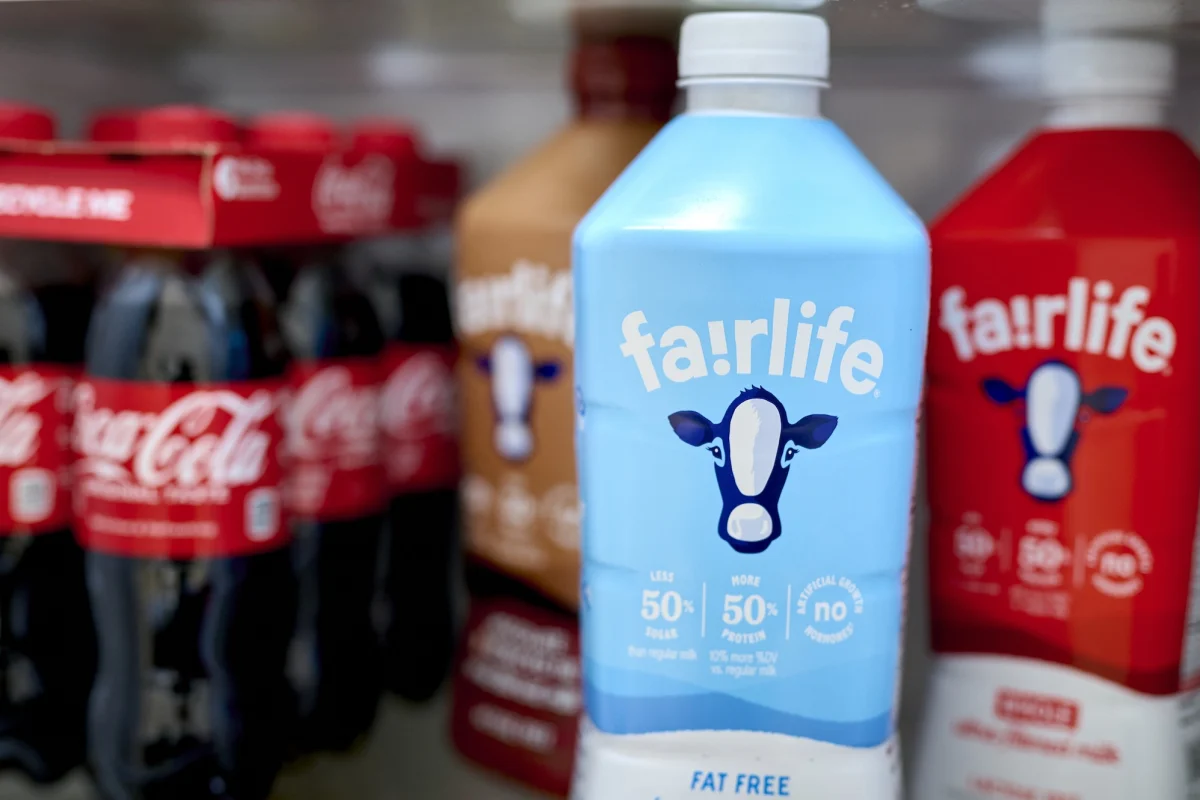
Fairlife, the ultra-filtered dairy subsidiary of beverage titan Coca-Cola, has announced the temporary suspension of its production operations across the United States after falling victim to a sophisticated ransomware attack. The incident, disclosed by Coca-Cola in a filing with the U.S. Securities and Exchange Commission (SEC), highlights the escalating vulnerability of critical infrastructure, particularly within the food and beverage sector, to cybercriminal enterprises. While the company confirmed that its Canadian operations remain unaffected, the indefinite shutdown of its substantial U.S. facilities underscores a growing threat landscape that can disrupt supply chains and inflict considerable economic damage.
Fairlife has emerged as a cornerstone of Coca-Cola’s diversified portfolio, rapidly growing into a billion-dollar brand renowned for its innovative approach to dairy products. The company’s specialized filtering process reduces sugar and lactose while boosting protein content, catering to a health-conscious consumer base. Its products, including various milks and shakes, have found immense popularity, particularly amid a broader societal embrace of protein-rich diets and the rise of weight management medications like GLP-1 drugs, which often recommend increased protein intake. By 2024, Fairlife was projected to achieve approximately $4 billion in sales, solidifying its position as a significant player in the dairy market. The disruption to such a high-performing and strategically important brand sends ripples of concern through both the corporate world and consumer markets.
Fairlife’s Market Dominance and Innovation
Fairlife’s journey began in 2012 as a joint venture between The Coca-Cola Company and Select Milk Producers, Inc., one of the largest dairy cooperatives in the United States. Coca-Cola recognized early the potential of Fairlife’s unique processing technology, which uses a proprietary cold-filtration method to concentrate milk’s natural protein and calcium while filtering out much of the sugar and lactose. This innovation positioned Fairlife as a premium, functional dairy product, differentiating it significantly from conventional milk offerings. The brand’s focus on enhanced nutrition resonated deeply with consumers seeking healthier options, contributing to its rapid ascent.
In 2020, Coca-Cola solidified its commitment to the brand by acquiring full ownership of Fairlife. This move underscored the beverage giant’s strategy to expand beyond its traditional soda business into higher-growth, health-oriented categories. Fairlife quickly became one of Coca-Cola’s fastest-growing "billion-dollar brands," a testament to its market appeal and successful integration into Coca-Cola’s vast distribution network. Its success is not merely a commercial triumph but also reflects a broader cultural shift towards wellness and dietary consciousness. The temporary cessation of production, therefore, impacts not just a single company, but a significant segment of the modern dairy market that caters to specific dietary preferences and health trends.
The Growing Shadow of Ransomware
The attack on Fairlife is a stark reminder of the pervasive and evolving threat of ransomware, a form of malicious software designed to block access to a computer system or data until a sum of money is paid. Typically, cybercriminals gain unauthorized entry into a network, encrypt critical files, and then demand a ransom, often in cryptocurrency, for a decryption key. Increasingly, these attacks also involve "double extortion," where sensitive data is exfiltrated before encryption, with perpetrators threatening to publish it if the ransom is not paid. This adds another layer of pressure on victim organizations, which must contend with not only operational paralysis but also potential data breaches and regulatory penalties.
Over the past decade, ransomware has transformed from a niche cybercrime into a global epidemic, targeting organizations of all sizes and across all sectors. The motivations are primarily financial, driven by the lucrative nature of these illicit operations. Attackers often exploit vulnerabilities in network security, phishing attempts, or unpatched software systems to gain initial access. Once inside, they move laterally through the network, identifying and encrypting critical data and operational technology (OT) systems that control industrial processes. The rise of Ransomware-as-a-Service (RaaS) models has further democratized these attacks, lowering the technical barrier for entry and enabling a wider range of actors to participate.
Government agencies and cybersecurity experts worldwide have consistently warned about the increasing frequency and sophistication of these cyber threats. They pose a significant national security risk, particularly when directed at critical infrastructure sectors like energy, healthcare, and food production, which are essential for societal functioning. The Fairlife incident adds to a growing list of high-profile attacks that demonstrate the severe real-world consequences of digital compromise.
Supply Chain Vulnerabilities in the Food Sector
The food and beverage industry, vital for national and global stability, has unfortunately become a prime target for ransomware operators. Unlike many other sectors, food production and distribution networks often operate on tight margins, with just-in-time inventory systems and highly perishable goods. Any disruption can quickly cascade, leading to spoiled products, empty shelves, and significant financial losses.
Historical incidents underscore this vulnerability:
- Arizona Beverages (2019): This attack caused disruptions to the company’s production lines for weeks, impacting inventory and distribution.
- JBS Foods (2021): One of the world’s largest meat processors, JBS was hit by a ransomware attack that forced it to shut down all its North American and Australian facilities. The incident severely impacted global meat supply chains, leading to temporary shortages and price hikes, and prompted intervention from the U.S. government. The company reportedly paid an $11 million ransom to restore its systems.
- UNFI (United Natural Foods, Inc.) (last year): As a major U.S. grocery distributor, UNFI also experienced a cyberattack that threatened to disrupt the supply of goods to numerous grocery stores across the country.
These examples illustrate a clear pattern: the food sector’s reliance on interconnected digital systems for everything from farm management and processing to logistics and retail makes it exceptionally susceptible. Operational technology (OT) systems, which control industrial equipment and processes in dairy plants and other food facilities, are particularly vulnerable. Often, these systems were not designed with modern cybersecurity threats in mind, making them easier targets for sophisticated attackers. The Fairlife situation echoes these past disruptions, raising legitimate concerns about potential product availability and the resilience of the broader food supply chain.
Immediate and Long-Term Consequences
For Fairlife and its parent company, Coca-Cola, the ransomware attack carries a multitude of immediate and long-term consequences. Operationally, the suspension of production means a complete halt to the manufacturing of Fairlife products across the U.S., leading to substantial revenue loss. The costs associated with incident response, including forensic investigations, system remediation, data recovery, and potential legal fees, will be significant. The decision to suspend operations rather than attempt to continue under duress suggests the attack severely compromised core production systems, making safe and efficient manufacturing impossible.
Furthermore, there could be significant reputational damage. Consumers and retailers depend on consistent product availability, and extended outages can erode trust and encourage a shift to competing brands. For a premium brand like Fairlife, maintaining a pristine image of quality and reliability is paramount. The incident also highlights potential vulnerabilities within Coca-Cola’s broader corporate cybersecurity framework, even if the attack was confined to a subsidiary. Investors will be scrutinizing the company’s response and its future resilience against similar threats.
From a market perspective, if the disruption is prolonged, consumers could face shortages of Fairlife products, particularly in regions heavily reliant on U.S. production. Given Fairlife’s specialized nature—high protein, lactose-free—alternatives might not be readily available for those with specific dietary needs, leading to frustration and potential market shifts. The incident could also prompt other food and beverage companies to reassess and strengthen their own cybersecurity defenses, potentially leading to increased industry-wide investment in protective measures and cyber insurance.
Navigating the Aftermath and Bolstering Defenses
The path to recovery for Fairlife will be complex and challenging. It involves a multi-faceted approach, starting with a thorough forensic analysis to understand the attack’s vector, scope, and impact. This is crucial for isolating the compromised systems, eradicating the malware, and ensuring that no lingering threats remain. Following this, the company must embark on a meticulous process of restoring its systems from secure backups, rebuilding infrastructure, and enhancing its cybersecurity posture to prevent future breaches. This could involve implementing advanced threat detection systems, strengthening network segmentation, improving employee training on cyber hygiene, and regularly patching software vulnerabilities.
The decision not to disclose a timeline for restoration, as stated by Coca-Cola, is typical in such situations. Providing an estimate too early can create unrealistic expectations and further damage reputation if deadlines are missed. The focus will undoubtedly be on a secure and complete recovery, even if it takes weeks or months. The fact that Fairlife’s Canadian operations were unaffected suggests either separate IT infrastructure or robust network segmentation between the U.S. and Canadian entities, a critical cybersecurity best practice.
Ultimately, the Fairlife ransomware attack serves as a potent reminder that in an increasingly digitized world, no company, regardless of its size or industry, is immune to cyber threats. It underscores the critical importance of proactive cybersecurity investments, comprehensive incident response plans, and continuous vigilance to protect vital operations and supply chains. As businesses become more interconnected, the resilience of one link often dictates the strength of the entire chain, making robust digital defenses an imperative, not merely an option.