Amir Mahmud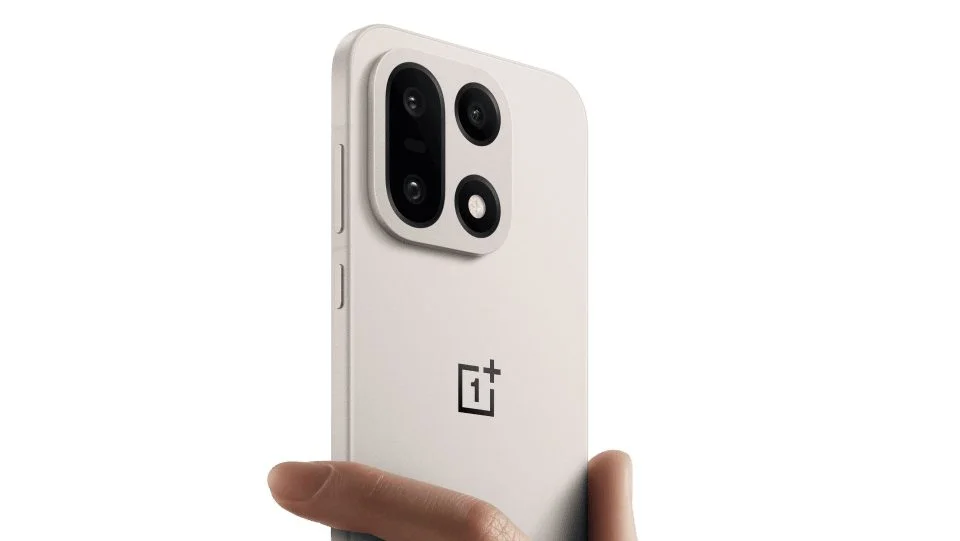
OnePlus, the Chinese smartphone manufacturer known for its "flagship killer" devices, has officially confirmed a significant strategic shift, announcing it will no longer launch new products in the European and North American markets. This pivotal decision, conveyed in a statement to TechCrunch, signals a notable retrenchment from key Western regions, though the company assures existing users that all rights and interests, including crucial after-sales support and software updates, will remain fully guaranteed. The move comes amidst a challenging global economic climate characterized by rising consumer electronics prices and a marked slowdown in demand for new purchases.
A Strategic Retrenchment from Western Markets
The confirmation follows earlier reports, notably from Bloomberg, indicating that OnePlus planned to wind down its U.S. and European operations. This strategic realignment is reportedly part of a broader corporate restructuring initiative by its parent company, Oppo. Adding further weight to the scale of this withdrawal, the Bloomberg report also noted that OnePlus would cease operations in India, historically one of its largest and most vibrant markets outside of China. Such a comprehensive pullback from major international territories underscores the intense pressures and evolving strategies within the highly competitive global smartphone industry. For a brand that once prided itself on aggressive global expansion, this represents a profound pivot towards consolidation and a more focused regional approach.
The Genesis of a ‘Flagship Killer’
The story of OnePlus began in 2013, founded by Pete Lau and Carl Pei with a clear vision: to create high-performance Android smartphones that offered premium specifications at a significantly more accessible price point than established market leaders. Their mantra, "Never Settle," resonated deeply with tech enthusiasts and early adopters who sought cutting-edge hardware without the exorbitant price tag typically associated with flagship devices. Initially, OnePlus cultivated a dedicated community through its invite-only sales system, fostering a sense of exclusivity and direct engagement with its user base. Its early devices, often featuring custom Android distributions like CyanogenMod before the company developed its own OxygenOS, quickly gained a reputation for their speed, clean software, and impressive value proposition.
Over the years, OnePlus expanded its product portfolio, moving beyond its initial niche to cater to a broader global audience. This expansion, while successful in generating significant demand, also saw the price of its flagship phones gradually increase, blurring the lines between its "flagship killer" identity and the very premium segment it initially aimed to disrupt. This evolution led to a perception shift among some long-time fans. A notable moment in the company’s recent history was the departure of co-founder Carl Pei in 2020, who subsequently launched his own consumer electronics venture, Nothing, aiming to recapture some of the original spirit of disruption. In an attempt to re-engage with the mid-range segment, OnePlus also introduced its Nord series, offering more affordable 5G-enabled handsets, a move that reflected the growing market demand for capable devices at a lower cost.
Navigating a Turbulent Global Market
The decision by OnePlus to scale back its international presence is not an isolated incident but rather a symptom of deeper challenges gripping the global smartphone market. Analytical firms like IDC and Counterpoint have painted a stark picture, predicting a decline in worldwide smartphone shipments exceeding 13% for 2026. This downturn is largely attributed to a confluence of macroeconomic factors and supply chain disruptions.
A critical factor contributing to this crisis has been a severe shortage of memory chips, dubbed "RAMageddon" by some industry observers. This scarcity has not only constrained production capabilities across the consumer electronics sector but has also driven up the cost of components, leading to higher retail prices for end consumers. Simultaneously, broader economic headwinds, including inflation and geopolitical uncertainties, have dampened consumer spending power and appetite for new device upgrades. This combination of limited supply and soft demand creates a particularly challenging environment for manufacturers.
The parent company, Oppo, has felt these pressures acutely. Counterpoint Research reported a double-digit year-over-year shipment decline for Oppo in the second quarter of 2026, noting "softness across most of its key markets" due to weak demand. For OnePlus specifically, its market share in the U.S. had already dwindled to below 1% in the preceding year, according to Counterpoint. This declining footprint in key Western markets undoubtedly played a significant role in the strategic decision to reallocate resources. Maurice Klaehne, a senior research analyst at Counterpoint, succinctly summarized the situation, stating, "OnePlus built its name as the ‘flagship killer’ – high-end specs, mid-range price, and aggressive global expansion. That growth era’s over. The company is now doubling down on China and retreating from the rest of the world." This commentary underscores the shift from an expansionist strategy to one of consolidation and regional focus.
Parent Company’s Broader Strategic Reallocation
The withdrawal of OnePlus from significant global markets can be understood within the larger strategic framework of its parent entity, BBK Electronics, a conglomerate that also owns major smartphone brands like Oppo, Realme, Vivo, and iQOO. In an increasingly mature and competitive global smartphone landscape, such corporate restructuring often aims to streamline operations, optimize resource allocation, and prevent internal brand cannibalization.
Oppo’s decision to concentrate OnePlus’s efforts primarily on the Chinese domestic market, while simultaneously pushing its Realme brand in other international regions where it has demonstrated success – such as the Nordic countries – suggests a deliberate strategy to differentiate and optimize its brand portfolio. This approach allows BBK Electronics to maintain a presence across various market segments and geographies without diluting marketing efforts or supply chain resources across too many overlapping brands in saturated markets. By focusing OnePlus solely on China, the company might aim to leverage its brand recognition and technological prowess in its home market, where it can potentially achieve higher margins or greater market share. Meanwhile, Realme, known for its aggressive pricing and youth-centric marketing, can continue its international expansion as a distinct, cost-effective alternative. This multifaceted strategy reflects a pragmatic response to the current market realities, prioritizing efficiency and targeted growth over broad-spectrum global coverage for every sub-brand.
Implications for Consumers and the Competitive Landscape
The departure of new OnePlus device launches from North America and Europe carries several implications for consumers and the broader smartphone ecosystem. For current OnePlus users in these regions, the company’s guarantee of continued after-sales support and software updates is a crucial reassurance. However, the absence of new models may lead to concerns about long-term brand presence, future accessory availability, and the vitality of the OnePlus ecosystem in Western markets. The brand’s once-strong community aspect, fostered by its direct engagement model, may also diminish without new devices to rally around.
From a competitive standpoint, OnePlus’s retreat creates a vacuum, particularly in the mid-to-high-end Android segment where it once offered compelling alternatives to Samsung and Apple. This could lead to increased market share for other Android manufacturers, including domestic players and other Chinese brands like Xiaomi, or even new entrants like Nothing, founded by ex-OnePlus co-founder Carl Pei, who explicitly aims to challenge the established order. The reduction in choices could potentially lead to less competitive pricing or innovation in certain niches, although the overall market remains fiercely contested. For retailers and mobile carriers, this means adjusting their product portfolios and marketing strategies, potentially shifting focus to other Android brands to fill the gap left by OnePlus.
The Road Ahead for BBK Electronics
While OnePlus consolidates its efforts in China, the broader BBK Electronics conglomerate is clearly not abandoning international ambitions. The strategy to continue selling Realme phones abroad, particularly in regions where they have already established a strong foothold, highlights a nuanced approach to global market penetration. This isn’t a complete retreat but rather a strategic reallocation of resources and brand focus.
The challenges facing smartphone manufacturers are unlikely to abate soon. Geopolitical tensions, persistent supply chain vulnerabilities, and fluctuating consumer spending habits will continue to demand adaptability and strategic foresight. For BBK Electronics, the move to streamline its international brand presence is a calculated risk, aiming to maximize efficiency and profitability in a dynamically evolving market. Whether this renewed focus for OnePlus in China and the targeted expansion of Realme in other international territories will yield the desired results remains to be seen, but it undeniably marks a pivotal moment in the company’s trajectory and the wider smartphone industry landscape.