Amir Mahmud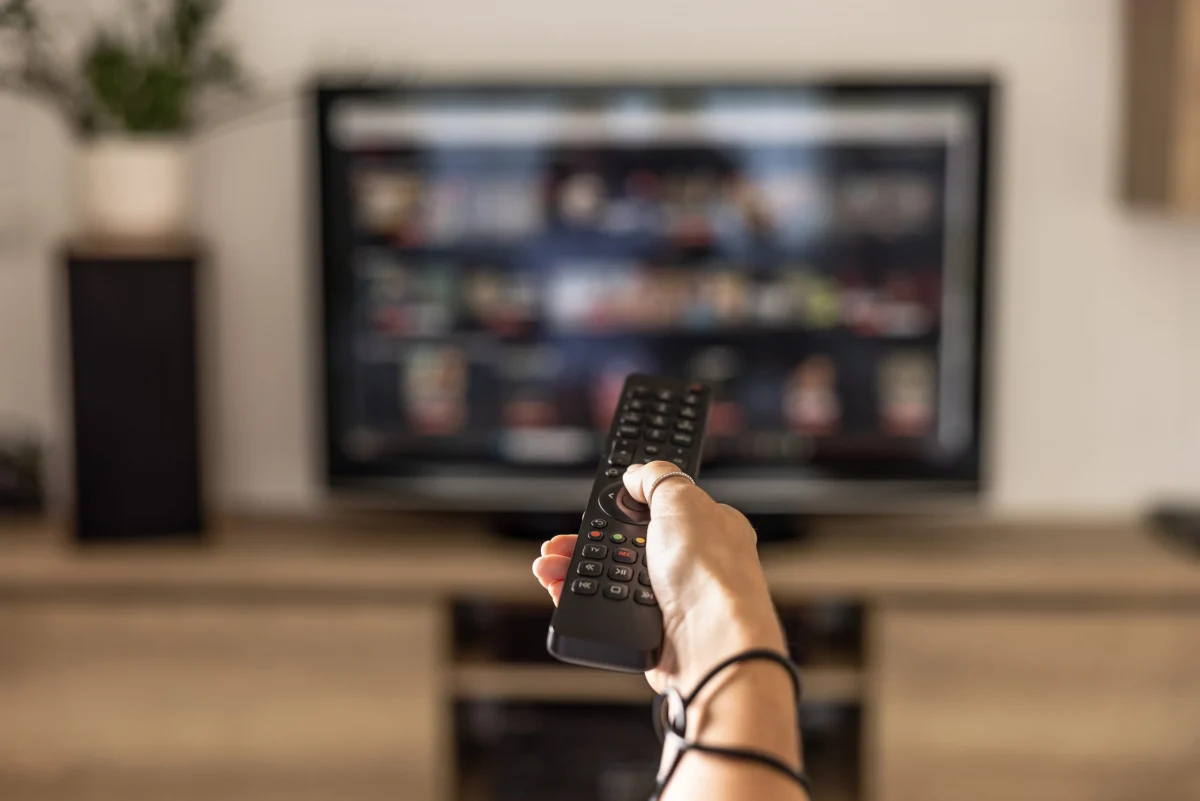
The digital landscape for television and film enthusiasts is undergoing a significant transformation as TV Time, a beloved tracking application, prepares for its final curtain call. This impending shutdown has sparked considerable distress among its dedicated user base, culminating in an online petition that garnered over 25,000 signatures in a fervent, yet ultimately unsuccessful, bid to reverse the decision. However, from the ashes of this popular platform, a new venture called Bingers is emerging, spearheaded by Antonio Pinto, one of TV Time’s original architects, offering a beacon of hope for a community accustomed to a shared space for their media consumption habits.
The End of an Era: TV Time’s Farewell
TV Time, initially launched as TVShow Time, cultivated a vibrant global community over more than a decade, allowing millions to meticulously log their viewing progress, discover new content, and engage in episode-by-episode discussions. Its utility became increasingly pronounced with the proliferation of streaming services, which fragmented content across numerous platforms, making it challenging for viewers to keep track of their watched series and upcoming releases. The app served as a centralized hub, simplifying the complex world of modern media consumption.
The journey began in 2014 when Antonio Pinto and his team introduced TVShow Time, quickly gaining traction for its intuitive interface and robust features. By 2016, the burgeoning app caught the attention of Whipclip, a company that would later rebrand as Whip Media. The acquisition was driven by Whip Media’s strategic vision to leverage the app’s massive user base and its ties to the entertainment industry in Los Angeles, promising an expanded reach and enhanced capabilities for TV Time. Under Whip Media’s stewardship, the app evolved, accumulating over 26.4 million lifetime installs, according to data from Appfigures, cementing its status as a go-to platform for media enthusiasts.
However, the rapid pace of technological innovation and shifting corporate strategies eventually led to a pivot for Whip Media. The company announced its intention to wind down TV Time, redirecting its core focus towards advancements in artificial intelligence. This strategic realignment, while potentially beneficial for Whip Media’s broader enterprise objectives, left TV Time’s extensive user community in limbo. The decision underscored a common challenge faced by niche consumer applications within larger corporate structures: maintaining viability when core business priorities shift. The emotional impact on users was palpable, as evidenced by the widespread petition and numerous online discussions lamenting the loss of a platform that was, for many, an integral part of their daily routine. For Antonio Pinto, the news of the shutdown was particularly poignant, describing it as a "sad" moment given his deep personal connection to the application and the community it fostered.
The Genesis of a New Venture: Bingers Emerges
Moved by the community’s outcry and his own sentiment, Antonio Pinto, now based in Paris, decided to take matters into his own hands. His vision for Bingers is not merely a replication of TV Time but an evolution, aiming to resurrect its most cherished functionalities while simultaneously rectifying the inherent issues that had plagued the original application over the years. This initiative represents a rare occurrence in the tech world: a founder returning to rebuild a product from its foundational principles after it has been divested and subsequently discontinued by a larger entity.
Pinto’s motivation stems from a profound understanding of the user experience and a personal investment in the communal aspect of media tracking. He articulated his feelings in a blog post on the nascent Bingers website, describing the TV Time community as "like my other family," and the ritual of engaging with episode reactions as deeply meaningful. This personal connection serves as a powerful impetus for Bingers, positioning it not just as a technical solution but as a passion project driven by a desire to preserve a digital home for fellow enthusiasts.
Bingers is designed to offer a seamless transition for former TV Time users, providing a potential haven shortly after the original app’s disappearance from digital storefronts. Crucially, it aims to retain and foster the social ecosystem that differentiated TV Time from more utilitarian tracking tools. The ability to discuss episodes, share reactions, and connect with like-minded individuals is a cornerstone of the modern fan experience, and Bingers intends to place this at the forefront of its offering. The substantial existing user base of TV Time, numbering in the tens of millions, represents a powerful initial seed for Bingers’ community, offering a ready-made audience eager for a new platform.
Addressing the Core Challenges: Sustainability and Performance
One of the critical factors contributing to TV Time’s eventual shutdown, as revealed by Pinto, was its operational cost, particularly the high server expenses. Despite offering a premium subscription plan, the revenue generated from these paid memberships reportedly covered only about 10% of the substantial infrastructure costs required to support such a large and active global user base. This financial imbalance underscores a significant challenge for many consumer-facing applications that offer extensive features for free, highlighting the delicate tightrope walk between user acquisition, feature richness, and long-term economic viability.
Pinto openly acknowledges these financial and technical hurdles, asserting that Bingers has been architected from the ground up with sustainability and efficiency as primary considerations. The new platform is designed to maintain significantly lower server costs, making it a more economically sustainable venture. This strategic emphasis on lean operations is vital for a niche application, especially one that seeks to provide a comprehensive, community-driven experience without relying solely on a premium subscription model to cover exorbitant overheads.
Beyond cost efficiency, Bingers also targets a major pain point of its predecessor: performance. TV Time users often reported slow loading times and general sluggishness, which can detract significantly from the user experience, particularly in an era where instant gratification is the norm for digital interactions. Bingers promises a faster, more responsive application, capable of handling millions of simultaneous connections without compromising speed. This focus on optimization means that actions like marking an episode as watched, a frequent interaction for users, should be nearly instantaneous, even during peak usage periods. This technical robustness is crucial for retaining users who have grown accustomed to seamless digital experiences and are unlikely to tolerate persistent performance issues.
The Enduring Power of Community and Data Portability
The heart of TV Time’s appeal lay not just in its tracking capabilities but in its vibrant social community. In an age of fragmented media consumption, these shared digital spaces offer a crucial avenue for fans to connect, discuss, and collectively experience their favorite shows. The potential loss of this community was a significant concern for users, and Bingers is making concerted efforts to ensure its continuity.
A key feature designed to facilitate this transition is the ability for users to import their historical data from TV Time. Recognizing the immense personal value users place on their meticulously curated viewing histories, Bingers has integrated a robust data import mechanism. TV Time, in compliance with GDPR regulations, provides a self-service export tool that allows users to download their complete viewing archives before the app’s removal from app stores on July 15. Bingers’ system is already capable of processing these archives, allowing users to seamlessly transfer their entire viewing history and, notably, even recreate their past community comments within the new platform. This commitment to data portability is not merely a convenience; it’s a strategic move to preserve the continuity of the user experience and, by extension, the social fabric of the community. By honoring users’ past investments in the platform, Bingers aims to foster loyalty and provide a strong incentive for migration.
This emphasis on community and data highlights a broader trend in the digital economy: the increasing recognition of user-generated content and personal data as valuable assets. When platforms shut down, the loss of this data can be a significant blow to users. Bingers’ approach demonstrates a user-centric design philosophy, acknowledging that the value of the platform is intrinsically linked to the sum of its users’ contributions and personal records.
Navigating the Modern Streaming Landscape
The media tracking app niche exists within a dynamic and highly competitive entertainment landscape. The "streaming wars" have led to an unprecedented volume of original content, making it both a golden age for viewers and a challenge for content discovery and management. Services like Netflix, Max, Disney+, Hulu, and Prime Video each boast extensive libraries, often with staggered international release schedules, making a centralized tracking tool more essential than ever.
However, the market for such tracking apps is not without its competitors. Other platforms offer similar functionalities, ranging from simple checklist apps to more sophisticated social networks. To thrive, Bingers must not only match but exceed the features and performance of its rivals while retaining the unique community spirit that TV Time fostered. The challenge for Bingers will be to carve out its own distinct identity while simultaneously appealing to the nostalgia and loyalty of former TV Time users.
Neutral analytical commentary suggests that Bingers’ success will hinge on several factors: its ability to effectively communicate its value proposition to a fragmented audience, its capacity to scale efficiently, and its continuous innovation to meet evolving user demands. The founder’s direct involvement and personal narrative offer a compelling story, which can be a powerful marketing tool in an age of corporate anonymity. However, sustained engagement will ultimately depend on the app’s technical reliability, user-friendly design, and the vibrancy of its recreated community.
The Founder’s Vision and Future Outlook
Antonio Pinto’s decision to launch Bingers is more than just a business venture; it is a testament to the profound connection between creators and their communities. His blog post eloquently captures this sentiment, underscoring a commitment to the users who made TV Time a success. This personal touch could be a significant differentiator in a market often dominated by impersonal corporate entities.
The new Bingers app is slated for release on both the Apple App Store and Google Play by the end of July 2026. In anticipation of this launch, a waitlist has been established on the Bingers website, allowing interested users to sign up for notifications. This pre-launch engagement strategy is crucial for building momentum and ensuring a strong initial user base.
The journey from the shutdown of a beloved app to the launch of its spiritual successor is fraught with challenges, but also ripe with opportunity. Bingers represents a new chapter for a dedicated community of media enthusiasts, offering a chance to rebuild, reconnect, and continue their shared passion for television and film in a sustainable, user-centric environment. As the digital curtains close on TV Time, all eyes will be on Bingers to see if it can truly rise as the phoenix its founder envisions, carrying forward the legacy of its predecessor into a new era of digital entertainment.